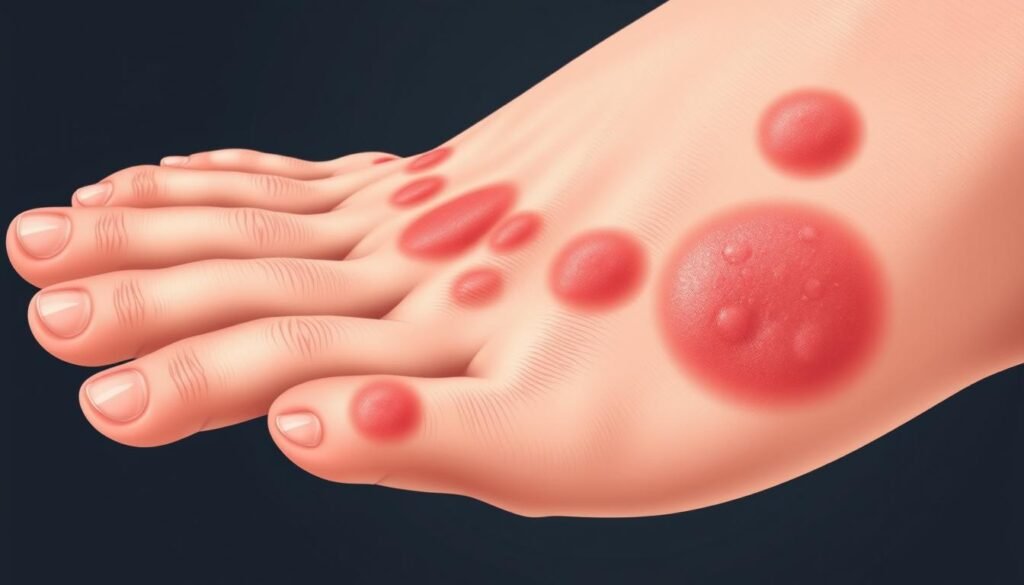
Could the red, itchy patches on your fingers or toes after a chilly, damp day be more than “just dry skin” — and are you warming them the wrong way?
Chilblains (Pernio) are cold-induced skin lesions that flare hours after exposure to cold, not freezing air. They often affect toes, fingers, heels, ears, and the nose. Skin may feel tender, hot, and itchy. For most people in the United States, Chilblains symptoms fade in 1–3 weeks, but they tend to recur each winter.
This guide explains what sets Chilblains apart from frostbite, how to ease pain fast, and when to call a clinician. You will learn safe rewarming, moisture control, and protective gear that work in damp conditions. We also outline Treatment for chilblains, from home care to medications your healthcare professional may recommend.
Sources such as Mayo Clinic, Cleveland Clinic, and the CDC agree: stay warm, dry, and rewarm slowly. If sores persist, look infected, or keep returning, seek care to rule out underlying issues and to tailor treatment.
Key Takeaways
- Chilblains (Pernio) are nonfreezing cold-induced skin lesions that appear after damp, cold exposure.
- Chilblains symptoms include redness, swelling, burning, and itch on toes, fingers, ears, and nose.
- Most cases resolve in 1–3 weeks, but recurrences are common each cold season.
- First-line care: stay warm and dry, rewarm gradually, moisturize, and avoid scratching.
- Treatment for chilblains may include OTC anti-itch creams and, when needed, prescription options to improve blood flow.
- Seek medical advice for persistent, severe, or infected sores, or if you suspect freezing exposure.
What Are Chilblains (Pernio)?
Chilblains, also known as Pernio or perniosis, are Cold-induced skin lesions. They happen when you’re in cold, damp weather. The skin can burn, itch, and swell, turning red to reddish-purple.
These spots often appear on fingers and toes. They can also show up on heels, the sides of the feet, ears, nose, and thighs. They usually fade in one to three weeks but can come back with each cold season.
Definition of Chilblains
Pernio, or perniosis, are small patches or lumps on the skin. They are caused by cool, wet conditions that don’t freeze the tissue. Unlike frostbite, these are nonfreezing injuries. Blistering can occur, and color changes are common during cold exposure and rewarming.
In simple terms, chilblains are Cold-induced skin lesions that are painful or itchy. They are not an infection. They are a reaction of the tiny blood vessels in your skin to cold and moisture.
Causes of Chilblains
The main reason is an abnormal vascular response. In the cold, cutaneous arterioles and venules clamp down to conserve heat. When you rewarm, they open fast. This can cause leakage, inflammation, and the classic lesions of Pernio.
- Cold, damp weather and quick rewarming drive the process behind perniosis.
- Poor circulation, heightened cold sensitivity, and smoking can worsen it.
- Tight footwear or gloves restrict blood flow and raise the risk.
- Chilblains are nonfreezing injuries, so ice crystals do not form in tissue.
Understanding the main Causes of chilblains helps explain why fingers and toes are hit first. They are far from the body’s heat core and more prone to vessel changes in cold air and humidity.
Symptoms of Chilblains
Cold, damp air can cause Chilblains symptoms hours later. Spotting chilblains early is key to skin care. Most cases get better in 1–3 weeks but can return each winter.
Common Symptoms to Watch For
Look for small, itchy patches on fingers, toes, ears, or nose. The skin turns red to reddish-purple and may sting or burn. Touch can feel sore, and light swelling is common.
Blisters with clear fluid can appear after sudden temperature changes. These spots may feel tender, specially after coming indoors. Spotting chilblains early helps with better care and treatment.
- Itch, stinging, or burning in chilled areas
- Red to purple discoloration with mild swelling
- Tender patches; occasional clear-fluid blisters
- Onset a few hours after cold, damp exposure
Severity Levels of Symptoms
Mild: Itchy, red patches with little swelling. Gentle warming and skin care often help. Monitoring Chilblains symptoms prevents flare-ups from worsening.
Moderate: Swelling, deeper color change, pain, and possible blisters. Needs stricter protection from cold and targeted creams. Spotting chilblains here can streamline Treatment for chilblains.
Severe or complicated: Lesions may persist, with ulceration or thinning skin after repeated exposures. Infection risk rises, and some cases indicate underlying conditions that warrant medical evaluation.
- Typical duration: 1–3 weeks with warmth and protection
- Recurrence is common in cold seasons and after brief chill
- Rapid temperature shifts can intensify discomfort
Who Is at Risk for Developing Chilblains?
Knowing who gets Chilblains (Pernio) starts with the weather. Cold, damp air makes blood vessels narrow. Quick warming can hurt the skin. This mix explains why chilblains happen and helps us see patterns before they start.
A simple rule of thumb: wet and cold toes or fingers mean a higher risk. Tight shoes, thin gloves, or long, windy days make it worse. They squeeze blood flow when skin needs it most.
Risk Factors Involved
- Environmental stress: Cold, humid climates and damp, windy conditions increase flare-ups. Rapid temperature swings after outdoor work are common Causes of chilblains.
- Clothing choices: Tight boots, thin socks, or footwear that stays wet restrict blood flow and trap moisture.
- Circulation issues: Raynaud’s phenomenon, connective tissue diseases, and peripheral vascular disease heighten sensitivity to cold.
- Body composition: Low body mass or being underweight reduces natural insulation.
- Behavioral factors: Smoking impairs microcirculation, raising the Risk factors for chilblains in frequent cold exposure.
- Medical links: Rare associations include blood or bone marrow disorders and reports connected with SARS-CoV-2.
- Pattern of recurrence: Once affected, many people experience seasonal recurrences of Chilblains (Pernio) for years.
Demographic Considerations
Chilblains (Pernio) can affect any age in cold, humid regions, but patterns exist. Females ages 15–30 are more commonly affected, and cases also appear in children and teens.
Geography matters. Residents of coastal or mountain areas with wet winters face higher Risk factors for chilblains. This is true for those who work, play sports, or commute in poor gear.
Individual thresholds differ. People with cold sensitivity or a history of Raynaud’s often report earlier onset in the season. This shows underlying Causes of chilblains tied to vascular reactivity and thermal stress.
How Chilblains Develop
Chilblains happen when skin meets cold, damp air that’s just above freezing. This situation makes Cold-induced skin lesions in small, exposed areas. The tiny blood vessels in the skin get tight, then burst open, causing stress to the tissue.
Timing matters. Symptoms often show up hours after being in the cold. When the skin warms up too fast, it can cause more problems. This is a big part of why chilblains happen in our daily lives.
Role of Cold Exposure
Cold and moisture make the skin’s tiny blood vessels get very tight. Places like fingers, toes, and ears lose heat quickly. These areas are where Cold-induced skin lesions often appear.
- Nonfreezing conditions: Classified as a nonfreezing cold injury in the Merck Manual, distinct from frostbite.
- Environmental multipliers: Wind, tight shoes or gloves, and wet socks amplify heat loss and the Causes of chilblains.
- Body factors: Low body fat and underlying vascular or connective tissue disease raise risk.
When the skin warms up too fast, small vessels get bigger while big ones stay small. This causes blood to pool and pressure to build. This is how chilblains start.
Physiological Changes in the Skin
The process begins with less blood flow, numbness, and pale skin. Then, the blood flow increases too much, causing swelling and itch.
- Vessel dynamics: Tightening first, then rebound dilation, set the stage for edema and blisters.
- Tissue response: Inflammation follows leakage, driving color change and tenderness.
- Distribution: Small-caliber vessels in toes and fingers are most affected, matching the pattern of Cold-induced skin lesions.
| Stage | Microvascular Event | Skin Change | Real-World Triggers | Why It Matters |
|---|---|---|---|---|
| Cold Exposure | Intense vasoconstriction | Pallor, numbness | Damp socks, wind chill | Initiates the Causes of chilblains |
| Rewarming | Rapid small-vessel dilation; larger vessels lag | Redness, burning | Heaters, hot showers | Core to the pathophysiology of chilblains |
| Congestion | Capillary leak and edema | Swelling, itch, possible blisters | Tight footwear, moisture | Defines Cold-induced skin lesions in acral areas |
| Inflammation | Cytokine-mediated response | Tender, discolored plaques | Repeated exposures | Prolongs healing and recurrence risk |
Diagnosis of Chilblains
Diagnosing pernio starts with your skin’s story after cold, damp exposure. Doctors look at timing, triggers, and how the lesions change. This helps them figure out if it’s chilblains or something else.
How Healthcare Professionals Diagnose
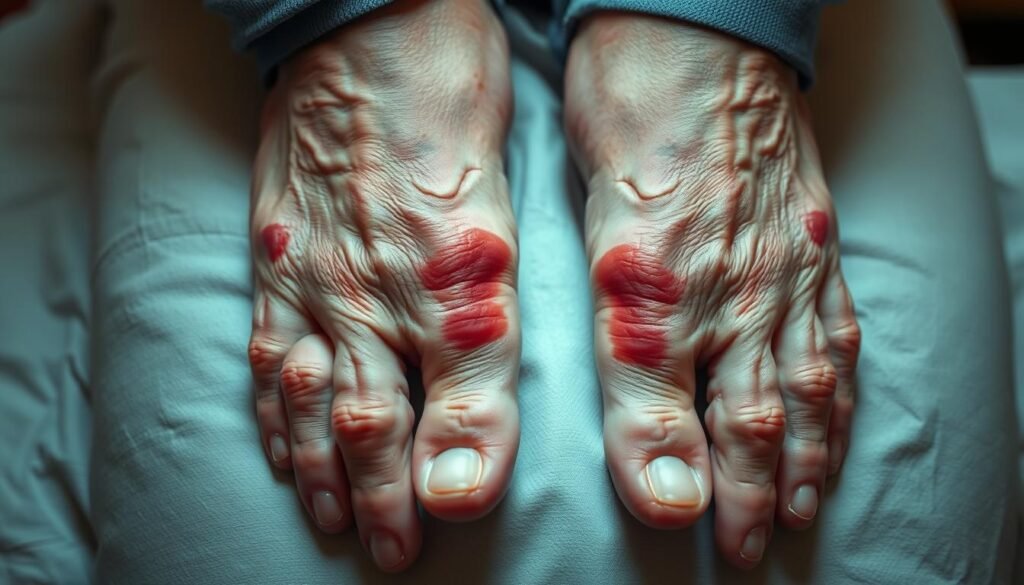
Most cases are diagnosed by a doctor’s evaluation. They look for itchy, painful, red–purple patches on fingers or toes after cold. They check for swelling, blisters, and signs of infection.
If it’s not typical, they might do tests. Blood work can check for other health issues. Sometimes, a skin biopsy is needed to confirm the diagnosis.
- History: cold, damp exposure with delayed onset of lesions
- Exam: distribution on acral areas, color change, edema, tenderness
- Testing: targeted labs or biopsy if the presentation is unclear
Importance of Accurate Diagnosis
Getting the diagnosis right is key. It helps treat the right condition. It also checks for related issues and infections.
| Condition | Typical Trigger | Core Features | Key Clues on Exam | Clinical Implication |
|---|---|---|---|---|
| Chilblains (Pernio) | Cold, damp, nonfreezing exposure | Itchy, painful red–purple patches; delayed onset | Swelling, possible blisters; may ulcerate if severe | Warmth, skin care, and risk assessment; consider labs if recurrent |
| Frostbite | Freezing temperatures | Numbness then severe pain; tissue freezing injury | Waxy, hard skin; clear demarcation after rewarming | Rapid rewarming, staged care; monitor for necrosis |
| Raynaud’s phenomenon | Cold or stress | Triphasic color changes; vasospasm without inflammatory lesions | Pallor to cyanosis to redness; no plaques or blisters | Trigger control, vasodilators if needed; screen for autoimmune disease |
Treatment Options for Chilblains
Most flares calm down in 1–3 weeks. A good Treatment for chilblains uses warmth, skin care, and medicines. Start with simple steps, then add more if needed.
Home Remedies for Relief
Chilblains home remedies focus on keeping warm and dry. Keep your whole body warm and dry. After being cold, warm up slowly with gentle heat, not hot water.
- Dress in layers; shield toes and fingers; swap damp socks or gloves.
- Avoid scratching to lower infection risk.
- Use moisturizers to ease itch; add gentle massage if skin is intact.
- Maintain a comfortably warm indoor setting.
- Do not smoke; nicotine constricts blood vessels and may worsen symptoms.
These steps are the first line of Treatment for chilblains. Many people feel better with consistent care.
Over-the-Counter Treatments
Over-the-counter chilblains relief helps comfort while the skin heals. Choose products that protect the barrier and calm irritation.
- Emollients and barrier creams to lock in moisture and reduce itching.
- Nonprescription pain relievers used as needed; follow package guidance and consider personal health factors.
Combine OTC care with warmth and dryness for a balanced approach to Treatment for chilblains.
Prescription Medications
When symptoms persist or ulcers form, clinicians may consider Prescription treatments for pernio. The goal is to reduce inflammation, shield skin, and improve blood flow.
- Topical corticosteroid creams or ointments for itch and swelling, as directed by a clinician.
- Protective dressings for tender or broken areas.
- Vasodilatory therapies to enhance circulation when appropriate; a clinician decides suitability.
- Assessment for linked issues such as Raynaud’s phenomenon or connective tissue disease.
Seek care if symptoms last beyond two weeks of home care, recur often, extend into warm seasons, or show signs of infection.
| Approach | Main Goal | Examples | Best For | Notes |
|---|---|---|---|---|
| Chilblains home remedies | Stabilize temperature, protect skin | Layered clothing, gradual rewarming, moisturizers | Mild, early symptoms | Core step in Treatment for chilblains; avoid scratching |
| Over-the-counter chilblains relief | Ease itch and pain | Emollients, barrier creams, nonprescription analgesics | Ongoing discomfort without open wounds | Use with warmth and dryness for best results |
| Prescription treatments for pernio | Reduce inflammation, improve blood flow | Topical corticosteroids, dressings, clinician-selected vasodilators | Persistent, recurrent, or complicated cases | Requires medical supervision and follow-up |
Prevention of Chilblains
Making smart choices every day can help prevent chilblains. Keeping your skin warm, wearing dry layers, and ensuring good blood flow are key. Knowing what causes chilblains helps you prepare for cold weather.
Key idea: warm, dry, and gradual. These three words are the best Chilblains prevention tips. They’re easy to follow without making your daily routine too hard.
Strategies to Avoid Chilblains
Try to avoid cold, damp, and windy places. Warm up slowly after being outside. Don’t use hot water or heaters too close to your skin, as it can make symptoms worse.
- Keep hands, feet, and face dry; use moisture-wicking base layers.
- Maintain a warm indoor environment and fix drafts.
- Exercise most days to support circulation, and do not smoke.
- Store spare dry gloves and socks in your bag or car for quick changes.
- For recurrent severe cases, ask a clinician about seasonal preventive medicines.
For a clear overview of practical steps and why they work, see this trusted guide on chilblain prevention. Then, tailor it to your climate and daily routine.
Clothing and Footwear Recommendations
Wear loose layers to keep warm and blood flowing. This is key to preventing chilblains when it gets cold.
- Choose mittens over gloves, and add a scarf and insulated hat.
- Wear thick socks with closed, water-resistant shoes or boots.
- Avoid tight sleeves, waistbands, and narrow footwear that restrict circulation.
- Cover exposed skin fully in wind and drizzle to reduce heat loss.
- Rotate socks and insoles to keep them dry on wet days.
These Chilblains prevention tips work best when done consistently. Plan your layers before going out, watch the weather, and warm up slowly. This way, you can stay active and comfortable while avoiding chilblains.
Chilblains in Winter Vs. Summer
Chilblains (Pernio) don’t just happen in winter. They can happen any time the weather is cold and wet. Knowing when they might happen helps you stay safe.
Seasonal Effects on Chilblains
Chilblains are more common in cold, wet winters. When hands get cold and then warm up too fast, they can get red and itchy. This happens a lot in winter, but gets better when it warms up.
In warmer months, the symptoms usually go away in a few weeks. But, places like air-conditioned offices or cold warehouses can cause them to come back. If they don’t go away, you should see a doctor.
Year-Round Risk Factors
Some things can make you more likely to get chilblains all year. Being skinny, smoking, and working in cold places can make your blood flow slower. This makes it easier for chilblains to happen after being cold for a short time.
- Environment: Living in coastal or mountain regions with chill and humidity, or working in walk-in coolers.
- Biology: Lean body type and smoking slow microcirculation, raising risk for Seasonal chilblains during brief cold snaps.
- Medical history: Raynaud’s phenomenon and connective tissue diseases can amplify vascular reactivity regardless of season.
Keep your body and hands warm and dry. Use preventive measures when you’re going to be cold. Watch for signs of chilblains after being cold for a short time.
Complications Associated with Chilblains
Most cases heal with warmth and time. But, some cold-induced skin lesions can get worse. Knowing the warning signs helps keep your skin safe and your circulation good, even in winter and early spring.
Risks of Severe Cases
Recurring outbreaks can make your skin weak. Scratching or rubbing can cause ulcers and infections. These need quick medical attention.
Deep cracks, scabbing, or drainage are serious signs. Swelling, pain, or color changes beyond red and purple mean a bigger problem.
Doctors might think of lupus, Raynaud’s, or other diseases if symptoms don’t go away. Not healing in warm weather is a red flag.
Long-Term Effects on Skin
Repeated cold exposure can lead to lasting effects. Healed areas might sting or feel numb more easily in the wind or damp.
Repeated flares can cause discoloration, scarring, or thinning. This is more likely if you don’t protect your skin or if it gets irritated often.
Watching your skin closely helps catch problems early. Using moisturizers, protective dressings, and gentle rewarming can lessen the damage over time.
| Complication | Typical Signs | Why It Matters | Protective Steps |
|---|---|---|---|
| Ulceration | Open sore, crusting, delayed healing | Higher infection risk and scarring | Cover wounds, avoid friction, seek medical care |
| Secondary Infection | Warmth, pus, spreading redness | May require antibiotics to prevent spread | Clean gently, monitor closely, see a clinician |
| Skin Thinning | Fragile surface, easy tearing | Increases Long-term effects and re-injury | Use emollients, protect from cold and rubbing |
| Discoloration/Scarring | Persistent dark or pale patches, texture change | Cosmetic concern and reduced resilience | Limit repeat exposure, gentle skin care, follow-up |
| Underlying Vascular/Autoimmune Association | Nonhealing lesions, severe or recurrent flares | May signal conditions like Raynaud’s or lupus | Clinical review, testing, tailored management |
Chilblains vs. Other Conditions
Cold can cause many skin and vessel problems that look similar. Knowing the difference is key to the right treatment and avoiding future problems. Here are some tips to help you tell them apart.
Quick tip: remember the temperature, how long after exposure symptoms start, and if the skin is itchy, tender, or numb.
Differentiating from Frostbite
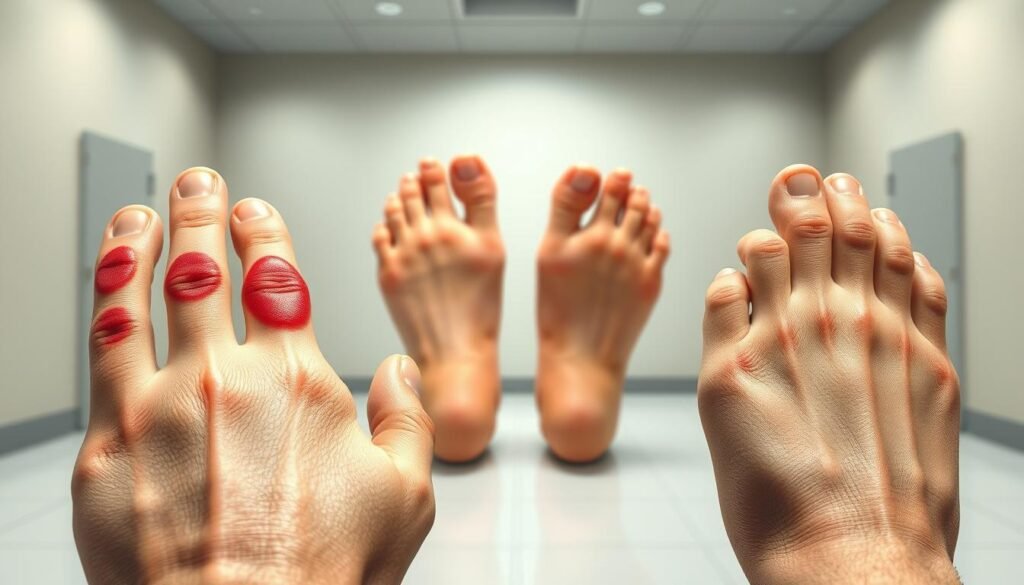
Chilblains and frostbite differ mainly by temperature and skin reaction. Chilblains happen in nonfreezing cold. After a few hours, the skin turns red–purple, itches, stings, or swells, and blisters may form.
Frostbite occurs in freezing temperatures. The skin first feels numb, then hard and pale or waxy. When it thaws, it turns mottled and very painful, risking deeper tissue damage. If unsure if it’s below 32°F, get medical help fast.
- Chilblains: inflammatory, tender, and itchy.
- Frostbite: numbness first, then severe pain on rewarming.
- Care paths differ; accurate differential diagnosis guides urgency.
Differentiating from Raynaud’s Disease
Chilblains and Raynaud’s differ in blood vessel behavior. Raynaud’s shows brief color changes—white to blue to red—due to cold or stress. Fingers or toes tingle or throb, but there are no inflamed plaques.
Chilblains brings warm, swollen, and itchy lesions after rewarming. The two can happen together, mainly in people very sensitive to cold. Keeping a symptom diary helps get a precise diagnosis and prevention plan.
- Raynaud’s: episodic color changes from vasospasm, often without skin swelling.
- Chilblains: persistent, inflamed patches or blisters after exposure.
- Knowing the difference shapes treatment and protective clothing choices.
| Feature | Chilblains | Frostbite | Raynaud’s |
|---|---|---|---|
| Temperature Range | Cold, nonfreezing | Freezing or below | Any cool exposure or stress |
| Onset Timing | Hours after exposure | During/soon after exposure | Minutes during exposure |
| Primary Sensation | Itch, burn, tenderness | Numbness then pain | Tingling or throbbing |
| Skin Appearance | Red–purple, swollen patches | Pale/waxy, then mottled | White → blue → red |
| Tissue Depth | Superficial inflammation | May involve deeper tissues | Vasospasm without lesions |
| Management Focus | Gentle rewarming, anti-itch care | Urgent warming, medical assessment | Trigger control, vasospasm relief |
Lifestyle Changes to Manage Chilblains
Changing your daily routine can help keep your blood flowing and skin safe. A good Lifestyle for chilblains includes staying warm, moving often, and caring for your skin. These small steps can help prevent chilblains.
Quick wins are key. Keep your feet and hands warm and dry. Avoid sudden heat changes and move a bit when sitting for a long time. Planning ahead is best for preventing chilblains.
- Layer with moisture-wicking fabrics; pack spare dry socks and gloves.
- Walk, cycle indoors, or do calf raises to boost peripheral flow.
- Skip smoking and vaping; nicotine narrows blood vessels.
- Moisturize morning and night to support the skin barrier.
- Rewarm gradually: move into a warm room, then use lukewarm water.
- Scan toes and fingers during cold spells for early color change or itch.
Importance of Hydration
Drinking enough water helps your blood and skin. In cold weather, you might not feel thirsty, but you lose fluids. Drinking water helps your body adapt to temperature changes.
- Drink water through the day; add warm herbal tea when chilled.
- Limit excess caffeine and alcohol, which can act as diuretics.
- Pair fluids with electrolytes during outdoor activity.
- Use a bottle with time markers to cue regular sips.
Drinking the right amount of water is key to managing chilblains. It helps keep your blood flowing well. This is a simple but powerful way to prevent chilblains.
Dietary Considerations
What you eat affects your skin, body, and blood flow. Eating well can help keep your weight healthy and support your body’s repair and immune systems.
- Prioritize protein from poultry, fish, beans, and Greek yogurt to support skin repair.
- Choose anti-inflammatory patterns: olive oil, salmon, walnuts, berries, and leafy greens.
- Include vitamin C (citrus, bell peppers) and vitamin E (almonds, sunflower seeds) for skin defense.
- Get iron and B12 (lean beef, eggs, fortified cereals) if prone to cold intolerance.
- Aim for complex carbs like oats and quinoa for steady warmth and energy.
These food choices are good for managing chilblains. They help keep your energy up and your blood flowing well. Plan your meals before the cold weather hits.
| Habit | Why It Helps | Practical Example | Cold-Weather Bonus |
|---|---|---|---|
| Moisture-wicking layers | Keeps skin dry to reduce chill and irritation | Merino socks and a synthetic base layer | Less damp-related flare-ups |
| Short movement breaks | Improves peripheral circulation | 3 minutes of brisk stair walks each hour | Warmer fingers and toes |
| Gradual rewarming | Prevents vessel spasm from sudden heat | Lukewarm water, then dry and moisturize | Lower risk of rebound redness |
| Hydration rhythm | Supports blood flow and skin barrier | 12–16 oz by midmorning, repeat midafternoon | Stable core warmth |
| Anti-inflammatory foods | Backs skin repair and resilience | Salmon, olive oil, berries, greens | Calmer, less itchy skin |
| Smoking cessation | Opens blood vessels and improves oxygen delivery | Use nicotine replacement per FDA guidance | Fewer cold-triggered flare-ups |
| Dry spare gear | Stops prolonged damp exposure | Extra socks and gloves in a zip bag | Faster recovery after snow or rain |
Combine these steps for a lifestyle that manages chilblains well. Use prevention tips daily. With planning and patience, preventing chilblains becomes easy.
When to Seek Medical Attention
Small, itchy, or burning patches after cold exposure can be confusing. Knowing Chilblains symptoms helps you decide When to see a doctor for chilblains. This way, you can get the right Treatment for chilblains quickly.
Warning Signs You Shouldn’t Ignore
Some Chilblains symptoms mean more than a minor issue. If you see any of these signs, it’s time to see a doctor.
- Symptoms last beyond two weeks of home care or keep coming back after partial improvement.
- Possible infection: rising pain, warmth, pus, or spreading redness.
- Pain you cannot control, numerous lesions, ulceration, or open skin.
- Symptoms continue into warm weather, not just cold snaps.
- Unclear cold exposure or concern for frostbite from below-freezing conditions.
Use photos to track changes day to day. Noting color, size, and tenderness can help decide When to see a doctor for chilblains.
Importance of Early Intervention
Prompt care can confirm the diagnosis and rule out look-alikes. Early steps also reduce scarring and skin thinning.
With a timely visit, clinicians can tailor Treatment for chilblains. This includes topical corticosteroids, wound care, or vasodilatory therapies when needed. Clear follow-up plans help prevent setbacks and ease recurring Chilblains symptoms.
Alternative Therapies for Chilblains
Some people try Alternative treatments for chilblains to help with warmth and skin care. They want to feel better while keeping their skin safe. Always talk to a doctor before trying new things.
Quick safety note: warm up slowly after being cold. Don’t rub your skin hard or use too much heat. If your sores get worse or you have lupus, Raynaud’s, or diabetes, see a doctor first.
Acupuncture as a Treatment Option
Acupuncture might help with circulation and pain. But, there’s not much proof for pernio. It’s best used as a helper. Find a certified practitioner and don’t expect too much.
- Tell your doctor about any medicines you’re taking.
- Try it for a short time and keep track of how you feel.
- Remember to use dry socks, warm up slowly, and wear protective shoes.
Herbal Remedies and Their Efficacy
People wonder about herbal treatments like calendula creams or witch hazel. They might make your skin feel better. But, there’s no strong proof they cure chilblains. Always test them first and use unscented products.
- Stick with simple moisturizers first. Add herbs only if your skin can handle them.
- Avoid using hot rubs right after being cold to avoid more irritation.
- If you get cracks or blisters, stop using these remedies and see a doctor.
Remember the basics: stay warm, wear dry clothes, and watch your skin. When trying new treatments, make sure they’re okay with your doctor and listen to your skin.
Research and Future Studies on Chilblains
New studies are changing how doctors treat cold skin problems. They mix clinical data with vascular science. This helps explain why small blood vessels react in the cold and swell when it warms up.
What is driving the change? Big studies and registries are tracking patterns in different seasons and places. They compare how flares happen, what the skin looks like, and if there are autoimmune markers. This helps doctors tell apart simple cases from more serious ones.
Current Research Trends
- Clinical profiling: Doctors are looking at how long symptoms last, how often they come back, and the risk of ulcers. They want to make better rules for diagnosing cold skin problems.
- Vascular mechanisms: Studies are looking into why blood vessels get tight in the cold and swell when it warms up. This helps figure out the best ways to prevent and treat.
- Associated conditions: Researchers are looking into how cold skin problems are linked to Raynaud’s, connective tissue diseases, and after-viral conditions. They use tests to see how the immune system and blood vessels work.
- Public health context: Health agencies are focusing on how work, clothes, and smoking can affect cold skin problems. They want to give advice for the winter season.
Reviews of evidence say we need more direct comparisons. We need clearer rules for what to measure and how long to follow patients. This will help doctors compare results better.
Potential Advances in Treatment
- Sharper diagnosis: New rules and scores might help doctors know who needs tests, who might need pictures, and who can just use simple treatments.
- Targeted prevention: Studies might look at medicines that help blood vessels stay open in the cold. They might also look at treatments for people who get cold skin problems a lot.
- Therapeutic pathways: Researchers are looking at different treatments, like creams or pills, and when to use them. They also want to know how to treat serious cases.
- Population strategies: New advice might include better clothes, warmer breaks at work, and quitting smoking. These could help prevent cold skin problems and make them shorter.
Future treatments for chilblains will likely include lifestyle changes and personalized medicine. Studies on pernio are moving towards practical plans for real winters. This means from the first frost to late spring.
Community Support and Resources
Good info and a caring community help with chilblains. People share stories, tips, and medical advice. This makes managing chilblains easier during cold, damp months.
Online Communities and Forums
Look for groups run by trusted health sites. Find places where experts correct myths and share real advice. Use forums for support, but always check with your doctor first.
Educational Resources for Patients
The Cleveland Clinic Health Library has great info on symptoms and care. Mayo Clinic offers tips on diagnosis and treatment. The Merck Manual Professional gives more details on tissue injuries.
CDC NIOSH talks about cold-related dangers and how to avoid them. Healthdirect Australia has easy steps for everyday choices. Always check U.S. advice and see a doctor for serious symptoms.
Use what you learn to help others. Share tips with family and friends, and wear the right clothes. With the right info and steps, you can stay active all year.