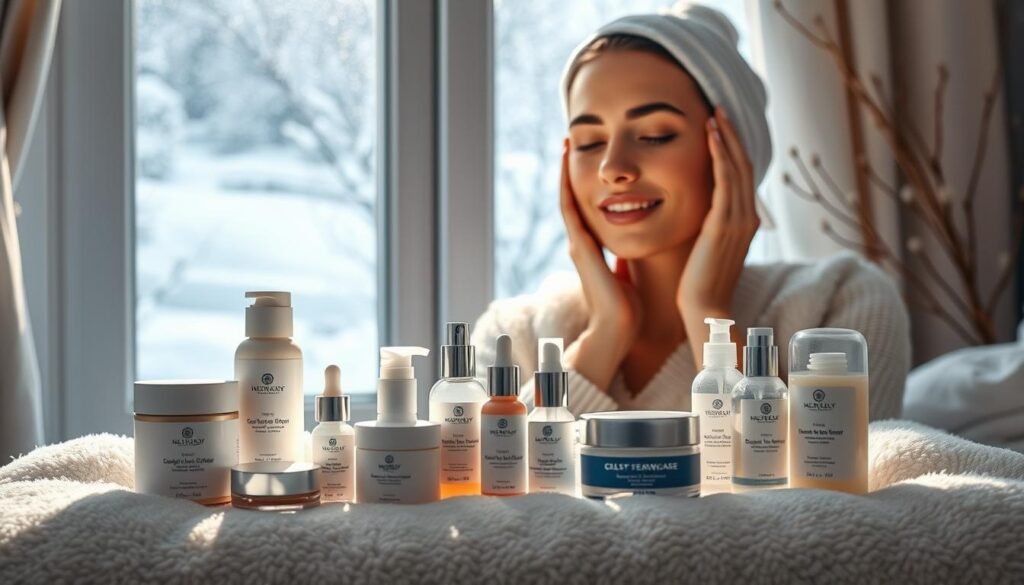
Think your sunny locale protects you from seasonal skin stress? While snowbirds flock to milder climates, environmental shifts create hidden challenges for complexions. Even brief cold snaps and artificial heating systems can disrupt moisture balance, leaving skin dull or irritated.
Regional experts explain how fluctuating humidity levels demand smarter routines. “Indoor heat strips natural oils, while outdoor conditions vary daily,” notes a board-certified skin specialist. This constant adjustment cycle requires adaptable solutions rather than one-size-fits-all approaches.
Discover practical winter skincare strategies that address unique climate factors. Learn why lighter moisturizers sometimes outperform heavy creams and how to prevent unexpected breakouts during temperature swings.
Key Takeaways
- Mild winters still require tailored protection against moisture loss
- Indoor heating systems impact skin as much as outdoor conditions
- Humidity changes demand flexible product choices
- Preventive care reduces seasonal irritation risks
- Expert guidance optimizes routines for local climate patterns
Understanding Winter Skin Challenges in Central Florida
Mild weather doesn’t guarantee skin stays trouble-free during cooler periods. Many assume consistent warmth protects against seasonal issues, but hidden factors create unique stress. The interplay between indoor environments and outdoor elements often triggers unexpected reactions.
Effects of Shifting Moisture Levels
When humidity drops, skin struggles to retain hydration. Indoor heating systems pump dry air that acts like a sponge, absorbing moisture from surfaces. This double assault leaves protective barriers weakened and vulnerable.
Dr. Michael Steppie observes: “Dehydration accelerates visible aging markers like fine lines and uneven texture.” Temperature swings between heated buildings and cooler outdoor spaces force constant adaptation. These rapid transitions disrupt natural oil production cycles.
Visible Signs of Distress
Compromised skin often shows distress through flaking, roughness, or sudden sensitivity. Barrier breakdown allows irritants to penetrate while vital fluids escape. Existing conditions like eczema may flare up without warning.
Starchy diets and reduced sunlight exposure during cooler months compound these issues. Nutrient deficiencies and lower vitamin D levels further challenge skin’s repair mechanisms. Recognizing early symptoms helps prevent minor irritation from becoming chronic discomfort.
Expert Guidance: Central Florida Dermatologist Winter Care
Seasonal shifts demand more than layered clothing – your largest organ requires strategic defense. Cooler temperatures and artificial heating create a perfect storm for compromised barriers. Specialists highlight adaptable approaches to maintain healthy texture while preventing irritation.

Smart Routine Modifications
Dr. Charlie Dunn advises pairing active hydration with protective measures. “Swap gel cleansers for cream-based formulas during dry spells,” he suggests. Nighttime routines benefit from occlusive agents like ceramides that reinforce moisture retention.
Three essential upgrades for cooler months:
- Layer humectants under richer moisturizers
- Reduce exfoliation frequency to twice weekly
- Use lukewarm water to prevent lipid stripping
Unwavering Sun Defense
Ultraviolet radiation penetrates clouds 365 days annually. Snow reflects 80% of UV rays – nearly double water’s reflectivity. Daily SPF 30+ remains non-negotiable, even during indoor-heavy days.
Dr. Michael Steppie notes: “Many patients mistake chilly air for UV safety. Cumulative exposure accelerates aging and health risks.” Pair broad-spectrum sunscreen with lip balms containing zinc oxide for full coverage.
Effective Hydration and Moisturizing Strategies
Hydration becomes your skin’s best ally when temperatures dip. Balancing external protection with internal nourishment requires understanding how formulas interact with changing conditions. Smart product layering and environmental adjustments create lasting comfort.
Choosing the Right Creams and Moisturizers
Cream-based formulas outperform lotions during moisture-zapping weather. Their thicker texture creates physical barriers against dry air. For body care, CeraVe Moisturizing Cream delivers 24-hour hydration with ceramides. Facial routines benefit from SkinCeuticals’ Triple Lipid Serum, which combines cholesterol and fatty acids for repair.
Benefits of Hydrating Serums and Toners
Lightweight serums prepare skin to absorb richer creams. Hyaluronic acid binds 1,000 times its weight in water, while glycerin prevents evaporation. Vitamin E neutralizes free radicals from heated indoor air. Apply these first to damp skin for maximum absorption.
The Role of Humidifiers and Passive Hydration
Counteract artificial heating by maintaining 40% humidity levels. Bedroom humidifiers reduce overnight moisture loss by 27%. Pair this with Dr. Dunn’s “4 C’s” system: cream textures, covered extremities, clean application surfaces, and consistent lip protection. These tactics work together like puzzle pieces for all-day comfort.
Proactive Treatments and Skincare Adjustments for Winter
Cold months demand more than extra layers – they require strategic defense plans for your body’s protective barrier. Dr. Dunn emphasizes early intervention for chronic conditions that worsen with temperature drops. This approach minimizes discomfort while maintaining healthy texture.
Managing Flare-Ups with Targeted Topical Treatments
Consistent schedules prevent common irritations from escalating. For psoriasis and eczema, apply steroid creams three times weekly to trouble areas. This rhythm maintains protection without over-thinning delicate areas.
| Condition | Treatment Schedule | Key Benefit |
|---|---|---|
| Rosacea | Oral meds + cool compresses | Reduces heat reactions |
| Psoriasis | MWF steroid applications | Prevents plaque buildup |
| Dry patches | Daily ceramide creams | Restores moisture seals |
Incorporating Retinoids and Anti-Aging Solutions
Vitamin A products remain essential despite cooler air. Mix retinoid serums with night creams to buffer potency. Apply them every third evening initially, increasing frequency as tolerance builds.
Shower habits significantly impact results. Keep water lukewarm and sessions under five minutes. Pat skin dry before sealing in hydration with ointment-based products. Dr. Dunn advises: “Three-minute moisturizing windows post-shower lock in 40% more moisture than delayed applications.”
“Preventative care beats reactive fixes every time. Address flare risks before they erupt.”
Conclusion
Navigating seasonal changes requires more than basic product swaps. Adapting your routine to address shifting conditions helps keep skin resilient against environmental stressors. Experts recommend pairing smart hydration techniques with consistent sun protection for lasting results.
Quality products and strategic timing make all the difference during cooler months. Apply moisturizers within three minutes of showering to lock in hydration. Don’t skip sunscreen – UV rays remain active even on cloudy days.
Regional specialists highlight three winning approaches: gentle cleansing, layered hydration, and early intervention for irritation. These skin care tips prevent minor issues from becoming major concerns. Investing in professional guidance ensures routines match local climate patterns.
With thoughtful adjustments, you can maintain healthy texture year-round. Remember – proactive measures today create better outcomes tomorrow. Your largest organ deserves protection that evolves with the seasons.