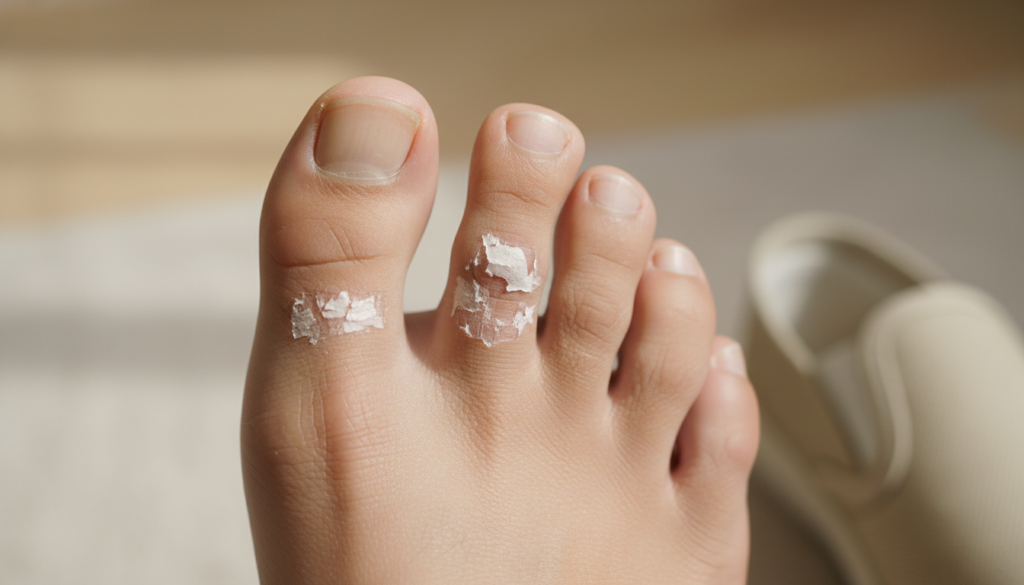
Did you know that nearly 1 in 5 adults will experience bothersome foot skin issues at some point? It’s a surprisingly common concern that often starts subtly.
When the skin on your feet starts to flake, it’s easy to dismiss it. Many assume it’s just dry skin from daily life. However, persistent irritation in the crevices of your feet can be your body’s way of signaling that something needs attention.
This article will guide you through understanding what might be causing the discomfort. We’ll explore the full spectrum, from simple dryness to more specific conditions that may require a tailored approach.
Identifying the root cause is the most important first step. Is it a minor irritation, or could it point to a deeper issue? The good news is that most situations are manageable with the right knowledge and care.
Our goal is to provide clear, actionable information. You will learn about potential causes, effective treatment options, and smart prevention strategies to help your feet feel healthy again.
Key Takeaways
- Foot skin issues are a very common experience for many people.
- Persistent peeling should not be ignored, as it can indicate an underlying condition.
- Identifying the specific cause is crucial for effective treatment.
- This guide covers a wide range of potential causes and solutions.
- Most cases can be successfully managed with proper care.
- Understanding prevention strategies is key to long-term foot health.
Overview of Skin Peeling Between Toes
Many people first notice something is wrong when their foot skin starts showing unusual changes. These alterations can range from mild flaking to more pronounced texture differences. Understanding what to look for helps you identify potential issues early.
Signs and Symptoms to Watch For
Common indicators include visible flaking, cracking, and discoloration. The affected areas may appear darker on some skin tones or reddish on others. Texture changes often accompany these visual signs.
Physical sensations provide important clues too. Itching, burning, and tingling are frequent complaints. Some people experience swelling or pain that varies in intensity over time.
In more severe cases, blisters or open sores may develop. These symptoms signal that the irritation requires prompt attention. Recognizing these warning signs early prevents complications.
How Peeling Impacts Your Daily Life
Foot discomfort can affect simple activities like walking or wearing certain shoes. Sports participation may become challenging due to persistent irritation. The constant awareness of foot problems can be distracting.
Many people feel self-conscious about visible skin issues. This may lead to avoiding sandals or barefoot situations in public spaces. The psychological impact should not be underestimated.
Early intervention is crucial for maintaining both foot health and quality of life. Addressing symptoms promptly helps prevent the condition from spreading to other areas. Proper care restores comfort and confidence in daily activities.
Understanding between toes peeling
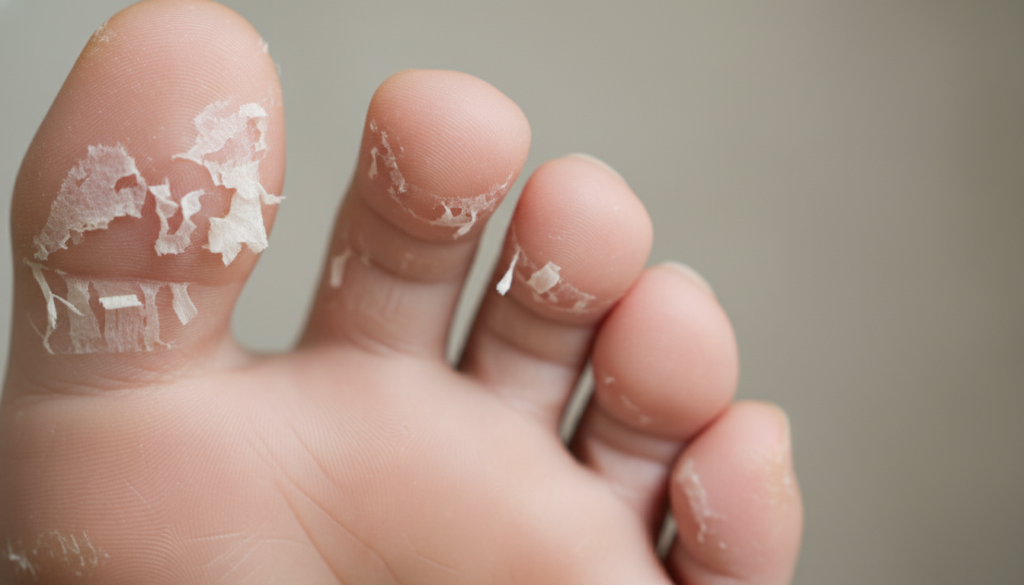
Skin shedding on your lower extremities often signals underlying issues requiring attention. This natural process becomes noticeable when it accelerates beyond normal rates.
The visible flaking represents your body’s response to various stressors. Understanding what triggers this reaction helps identify the root cause.
What Does It Mean When Your Skin Peels?
Your outer layer sheds as part of its regular renewal cycle. When this process speeds up, it indicates something disrupts normal function.
Peeling typically serves as a symptom rather than a standalone condition. It shows that irritation, infection, or damage affects your skin’s health.
The body sheds damaged cells to make room for healthier ones. This protective mechanism becomes visible when stressors overwhelm normal regeneration.
Common Areas Affected on Your Feet
Certain foot regions experience peeling more frequently. The soles and heels bear most weight, making them prone to cracking.
Moisture accumulation creates ideal conditions for skin issues. Limited air circulation contributes to vulnerability in specific areas.
Flaking often begins in confined spaces before spreading outward. Addressing early signs prevents progression to other foot sections.
Recognizing affected locations provides valuable diagnostic clues. Different patterns help determine appropriate treatment strategies.
Causes of Peeling Between Toes
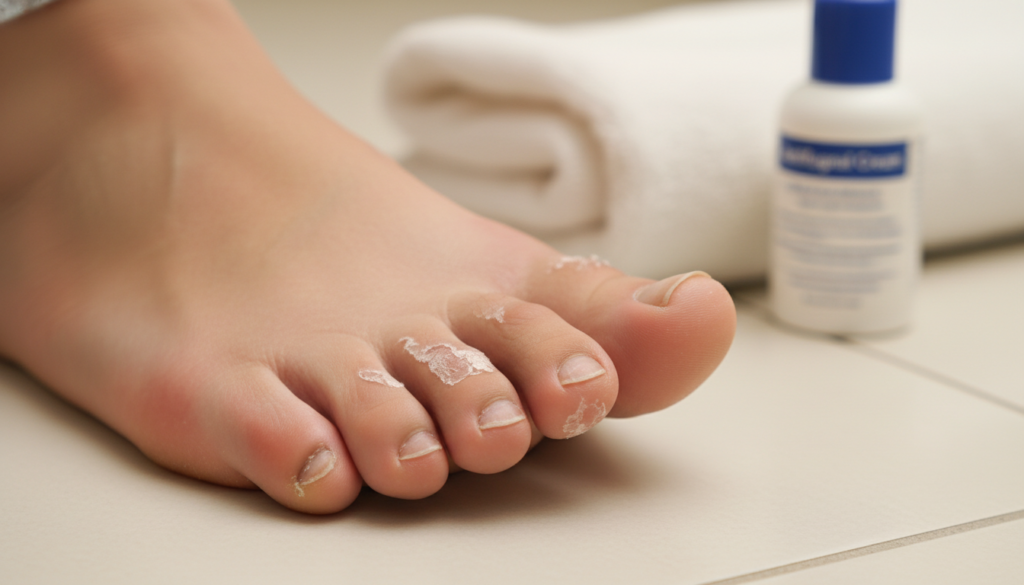
Several distinct factors can lead to uncomfortable skin conditions affecting the foot area. Identifying the specific trigger helps determine the right treatment approach.
Fungal Infections and Athlete’s Foot
Athlete’s foot represents one of the most common causes of skin issues. The Trichophyton fungus thrives in warm, moist environments.
This infection often starts in locker rooms, showers, and public pools. Warm, sweaty shoes create ideal conditions for fungal growth.
The condition typically begins between the smaller digits before spreading. Transmission occurs through direct contact or contaminated surfaces.
Allergic Reactions and Irritation from Footwear
Shoe contact dermatitis develops when certain materials irritate the skin. Adhesives, rubber, and dyes in shoes can trigger reactions.
This form of dermatitis involves either allergic responses or direct irritation. Unlike fungal infections, it’s not contagious but can spread on your body.
For suspected allergic reactions, consider patch testing to identify specific triggers.
Other potential causes include trench foot from prolonged wet exposure. Dyshidrotic eczema creates itchy blisters, while cellulitis represents a bacterial infection.
Effective Treatments and Medications

Modern medicine offers several effective pathways for managing persistent foot skin issues. The right approach depends on your specific condition and symptoms.
Healthcare providers typically recommend starting with simpler solutions before progressing to stronger options. This stepwise method ensures safe and effective care.
Topical Creams and Antifungal Options
Over-the-counter products provide accessible first-line treatment. These topical solutions target fungal infections directly.
Common antifungal creams contain active ingredients like clotrimazole and miconazole. Tolnaftate and terbinafine also effectively combat fungal growth.
Many products combine antifungal action with hydrocortisone. This reduces inflammation and itching while treating the underlying infection.
Prescription Medications and When to Use Them
Severe or resistant cases may require prescription-strength solutions. Oral medications like fluconazole offer systemic treatment.
Prescription topical formulations provide concentrated antifungal power. These are ideal when over-the-counter options prove insufficient.
Complete the full course of any medication as directed. Stopping early can cause recurrence and treatment resistance.
| Treatment Type | Active Ingredients | Typical Usage | Expected Timeline |
|---|---|---|---|
| OTC Creams | Clotrimazole, Miconazole | Twice daily application | 2-4 weeks |
| Prescription Topicals | Terbinafine, Butenafine | As directed by provider | 1-3 weeks |
| Oral Medications | Fluconazole, Itraconazole | Daily pills | 2-8 weeks |
With proper adherence, most skin conditions resolve within one to eight weeks. Consult your healthcare provider for persistent symptoms.
Home Remedies and Preventive Measures
Taking control of foot discomfort begins with simple, accessible home strategies that anyone can implement. These approaches focus on addressing the root causes rather than just treating symptoms. Consistent daily care can make a significant difference in preventing recurrence.
Moisturizing, Cool Compresses, and Foot Hygiene
Cool compresses provide immediate relief from itching and burning sensations. Apply them for 10-15 minutes to soothe irritated skin. After removing the compress, always moisturize with fragrance-free creams to lock in hydration.
Proper foot hygiene involves washing with cooler water and thorough drying. Pay special attention to the spaces between digits where moisture accumulates. Gentle exfoliation a few times weekly helps remove dead skin cells.
Simple Steps to Keep Your Feet Dry and Irritation-Free
Moisture-wicking socks are essential for maintaining dry feet. These specialized socks pull perspiration away from your skin. Change them frequently when they become damp throughout the day.
Wear protective sandals in public areas like locker rooms and pools. This prevents exposure to fungi and bacteria. Allow your feet to breathe by going barefoot at home when appropriate.
These preventive steps are often more effective than treatment. Consistent care significantly reduces the risk of developing conditions that cause irritation. For comprehensive guidance on foot health, consult this detailed resource on skin conditions.
Lifestyle and Footwear Considerations
Your daily footwear choices play a crucial role in maintaining healthy foot skin. The right selections can prevent many common issues before they start. Proper gear creates an environment where your skin can thrive.
Investing in quality items represents an important preventive measure. This approach protects your feet from conditions that cause discomfort. Smart choices today save you from problems tomorrow.
Choosing the Right Socks and Shoes
Select socks made of moisture-wicking fabric like merino wool or synthetic blends. These materials draw perspiration away from your skin rather than trapping it. Dry feet are healthier feet.
Avoid shoes that fit too tightly. Proper fit prevents excessive friction and pressure on your digits. It also allows adequate airflow to keep your feet dry.
Breathable materials like leather or mesh provide better ventilation than synthetic alternatives. Rotate your shoes to allow each pair adequate drying time between uses. This practice prevents moisture accumulation that encourages fungal growth.
For cold weather, wear thick socks with appropriate protective footwear. If you have material sensitivities, identify problematic components in your shoes. Adhesives, rubber, and dyes can trigger reactions in some people.
Consider applying barrier cream before wearing shoes to reduce friction. This simple step protects sensitive skin from irritation caused by footwear materials. Comfortable feet make for comfortable days.
Managing Underlying Skin Conditions
Chronic skin conditions require a different approach than temporary irritations. These persistent issues often need ongoing management rather than quick fixes.
When basic care doesn’t resolve persistent symptoms, underlying medical conditions may be the cause. Proper diagnosis is essential for effective treatment.
Tips for Eczema, Psoriasis, and Dermatitis Management
Dyshidrotic eczema is a specific type of eczema that causes itchy blisters. This skin condition typically affects adults aged 20-40 years.
The rash often appears on fingers and soles of feet. Triggers include seasonal allergies, stress, and humid weather.
This condition may begin with burning sensations or deep blisters. As blisters heal, the skin may become dry and peel. Cracks in the skin can lead to infection.
Palmoplantar psoriasis is another chronic skin condition. It creates thick red patches with silvery scales on feet and hands.
“Consistent management is key for chronic skin conditions. Working closely with your healthcare provider ensures the best outcomes.”
Skin may come off in large flakes or sheets. This can cause pain and soreness. Cracked skin may bleed during walking.
| Condition Type | Primary Symptoms | Common Triggers | Management Approach |
|---|---|---|---|
| Dyshidrotic Eczema | Itchy blisters, peeling skin | Stress, allergies, humidity | Topical creams, trigger avoidance |
| Palmoplantar Psoriasis | Thick red patches, scaling | Genetic factors, stress | Prescription treatments, phototherapy |
| Contact Dermatitis | Rash, irritation, redness | Allergens, irritants | Trigger identification, barrier creams |
Treatment options include prescription creams and oral medications. Phototherapy may help severe cases. Regular monitoring is essential for these chronic conditions.
While these skin conditions cannot be cured, they can be effectively managed. Identifying personal triggers and maintaining consistent care helps control symptoms.
When to Consult a Medical Professional
Certain warning signs indicate it’s time to move beyond home remedies and seek expert medical care. While many foot issues resolve with proper self-treatment, some symptoms demand professional attention.
Red Flags and Emergency Symptoms to Monitor
Watch for skin discoloration turning black, which suggests tissue damage. Red streaks moving up your feet signal infection spreading through your lymphatic system.
Systemic symptoms like fever or chills indicate the problem has gone beyond local irritation. Feet feeling unusually warm to touch often accompany serious infections.
When a rash starts leaking fluid or pus, bacterial infection may have developed. This requires different treatment than fungal conditions.
| Symptom | What It Means | Recommended Action |
|---|---|---|
| Black skin discoloration | Possible tissue death | Seek immediate medical care |
| Red streaks on feet | Infection spreading (lymphangitis) | Urgent medical evaluation |
| Fever with foot symptoms | Systemic infection | Prompt doctor visit |
| Fluid leakage from rash | Secondary bacterial infection | Prescription treatment needed |
People with diabetes or weakened immune systems should seek care quickly. Their risk of complications is significantly higher.
If symptoms persist after two weeks of consistent treatment, consult a healthcare provider. Early intervention prevents more serious problems.
Untreated athlete’s foot can spread to nails, hands, or groin area. These secondary infections are harder to treat effectively.
Conclusion
Healthy feet contribute significantly to your overall well-being and daily comfort. While mild skin peeling between your toes often isn’t serious, it deserves proper attention.
Identifying the root cause is crucial—whether it’s athlete’s foot, contact dermatitis, or another skin condition. Understanding your specific situation guides effective treatment choices.
Most cases respond well to appropriate care. This includes over-the-counter remedies or prescription medications when needed. Early intervention prevents complications.
Simple preventive steps make a big difference. Keep your feet dry and wear moisture-wicking socks. Avoid walking barefoot in public areas like pools.
Remember that persistent symptoms or spreading infection require medical consultation. With proper knowledge and care, you can maintain comfortable, healthy feet free from irritation.