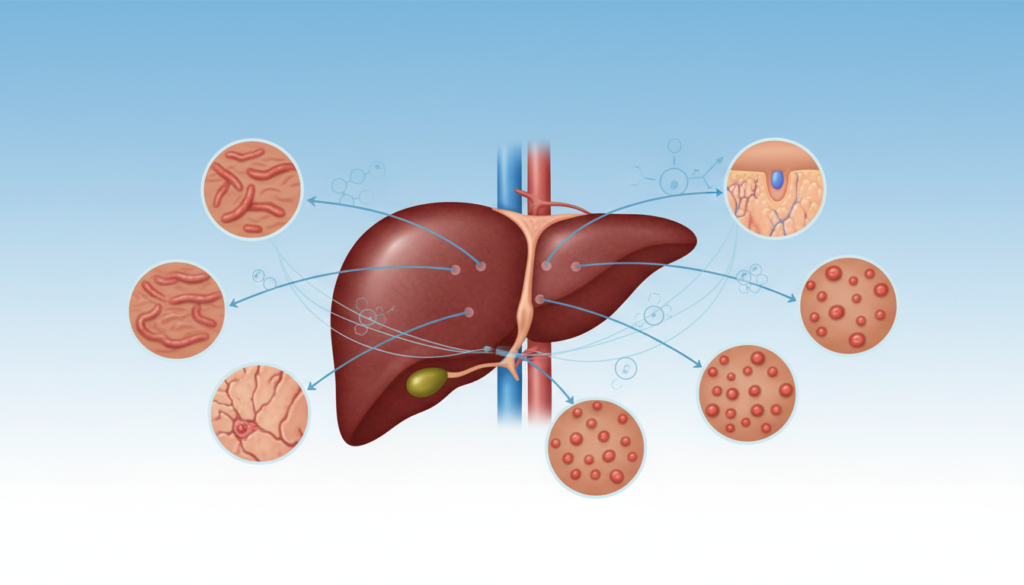
An organ silently working behind the scenes can send surprising signals to the surface. Between 0.15% and 0.27% of people in the United States are affected by cirrhosis. This statistic highlights a serious health issue.
When this vital filtration system becomes compromised, the body often shows it. One of the most visible warning signs appears on our largest organ. Changes can include red or purple patches of spider-like blood vessels. Yellowish discoloration and easy bruising are also common.
Understanding this link is a critical diagnostic tool many overlook. The skin acts as a window into internal health. When internal functions fail, the exterior often responds with noticeable symptoms. Recognizing these signs can lead to earlier detection of serious conditions.
This relationship is a key focus of medical research, as detailed in studies on skin manifestations of liver diseases. This guide explores the biological mechanisms connecting internal organ health to external changes. We will identify key symptoms to watch for and provide practical information for managing these interconnected concerns.
Key Takeaways
- The skin can show the first signs of a problem with a major internal organ.
- Visible changes like spider-like blood vessels or yellowing are important clues.
- Recognizing these symptoms early can lead to faster diagnosis and better outcomes.
- Various health conditions can trigger distinct changes on the body’s surface.
- The body’s filtration system plays a central role in overall wellness.
- This article will help you identify warning signs and understand when to seek help.
Introduction to Liver and Skin Rash
Our internal purification system works tirelessly, filtering out harmful elements while supporting essential bodily processes. This vital organ’s performance directly affects our overall wellness.
Overview of Liver Functions and Importance
The hepatic organ serves as the body’s primary filtration system. It processes over 500 essential operations that maintain physiological balance.
Key responsibilities include detoxifying harmful substances from the bloodstream. The organ also produces bile for digestion and synthesizes proteins for blood clotting. Proper hepatic function ensures vitamins and minerals are stored effectively.
When this processing center becomes compromised by alcohol, viruses, or metabolic conditions, its filtering capacity diminishes. Waste products then circulate throughout the system.
How Skin Rashes Can Signal Underlying Issues
Dermatological changes often serve as early indicators of internal problems. When toxins accumulate in the bloodstream, they can manifest as visible irritations.
These surface manifestations may appear long before other symptoms become noticeable. Medical professionals frequently consider hepatic performance when evaluating persistent dermatological conditions.
Recognizing this connection empowers people to seek evaluation sooner. Early detection can prevent progression to more serious stages of organ dysfunction.
Understanding Liver and Skin Rash Relationship
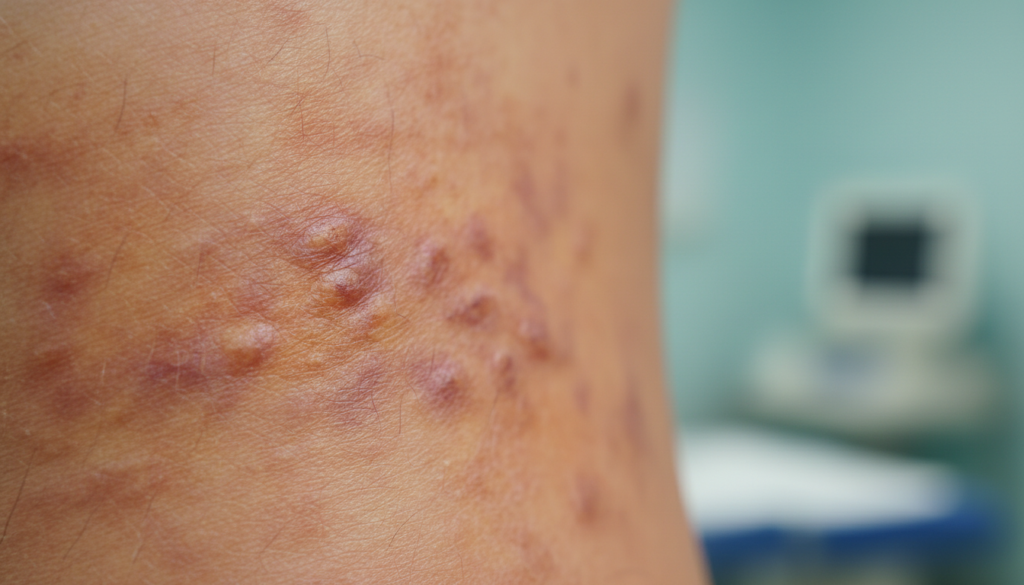
When the body’s primary detoxification center becomes compromised, the effects often manifest externally in unexpected ways. The relationship between hepatic function and dermatological changes is both complex and revealing.
How Liver Disease Impacts Skin Health
Hepatic conditions affect epidermal wellness through multiple biological pathways. When scar tissue replaces healthy cells, the organ’s filtering capacity diminishes significantly.
Toxins accumulate in the bloodstream when filtration fails. These harmful substances then deposit in tissues, triggering inflammatory responses. The result can be visible irritation and discoloration.
Hormonal imbalances also play a crucial role. Impaired metabolism of hormones like estrogen leads to specific changes. These include redness on palms and spider-like blood vessel patterns.
Various factors that harm hepatic tissue share common outcomes. Chronic alcohol use, viral infections, and metabolic disorders all produce visible manifestations. The severity of these symptoms often reflects the extent of internal damage.
This bidirectional relationship provides valuable diagnostic information. External changes offer clues about internal organ function. Understanding this connection is essential for early detection, as detailed in this comprehensive guide to hepatic health indicators.
Lifestyle modifications that support hepatic function benefit epidermal condition simultaneously. Proper care creates a protective cascade throughout the entire system.
Identifying Key Skin Symptoms in Liver Conditions
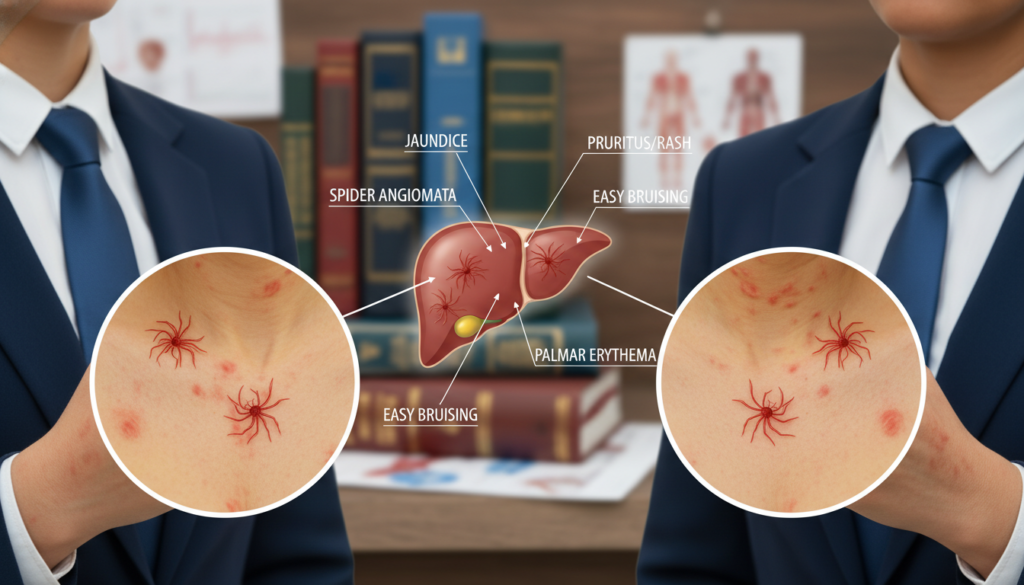
Distinctive alterations on the body’s surface can serve as critical indicators of internal organ distress. Recognizing these specific manifestations is crucial for timely medical evaluation.
One of the most recognizable signs is jaundice. This condition causes a yellow tint in the skin and the whites of the eyes. It happens when bilirubin builds up because the organ cannot process it.
Recognizing Rashes, Discoloration, and Itching
Spider angiomas are small, red, spider-like blood vessels. They often appear on the face and upper body. These vascular changes are common in cirrhosis.
Intense itching, or pruritus, is another frequent complaint. This sensation can occur without a visible rash. It affects many people with hepatic issues, often due to bile salt deposits.
Redness on the palms, known as palmar erythema, is also a notable clue. It impacts nearly a quarter of individuals with advanced disease.
Spotting Early Signs of Cirrhosis and NAFLD
Unexplained bruising or easy bleeding can signal a problem. This occurs when the organ’s function in producing clotting factors is impaired.
Other symptoms may also include a grayish complexion or darkened areas. Early recognition of these signs provides a vital window for diagnosis.
Understanding these manifestations empowers individuals to seek professional evaluation promptly.
Exploring Chronic Liver Diseases: Cirrhosis and Fatty Liver
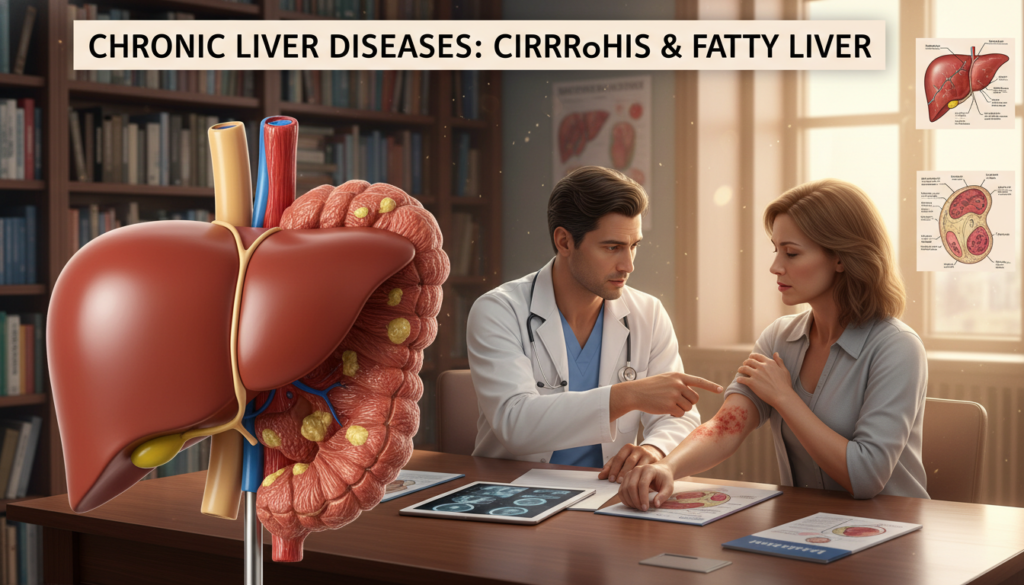
Chronic hepatic disorders represent long-term processes where accumulated damage eventually manifests through distinctive dermatological signs. These conditions progress through stages, with surface changes typically appearing later in the disease course.
Skin Manifestations of Cirrhosis
Cirrhosis develops as the final stage of chronic liver disease. Scar tissue extensively replaces healthy cells, causing permanent damage. This scarring significantly impairs the organ’s ability to perform essential functions.
Surface changes often appear only after substantial hepatic damage has occurred. These include spider angiomas, palmar erythema, and jaundice. Severe itching results from bile salt accumulation. Easy bruising occurs due to clotting factor deficiency.
Links Between NAFLD and Skin Pigmentation Changes
Nonalcoholic fatty liver disease occurs when fat accumulates beyond normal levels. This excess fat triggers inflammation and progressive fibrosis. The condition typically stems from obesity, high cholesterol, or metabolic syndrome.
Pigmentation alterations involve multiple factors. Hormonal imbalances create grayish facial complexion. Iron deposition from blood cell breakdown causes darkened areas. Elevated lipid levels produce yellowish fatty deposits on the surface.
| Condition | Primary Causes | Progression | Key Skin Manifestations |
|---|---|---|---|
| Cirrhosis | Alcohol consumption, viral hepatitis, autoimmune conditions | Final stage of chronic liver disease with extensive scarring | Spider angiomas, jaundice, palmar erythema, severe itching |
| NAFLD | Obesity, high cholesterol, metabolic syndrome | Fat accumulation → inflammation → fibrosis → potential cirrhosis | Pigmentation changes, xanthomas, xanthelasma, spider veins |
| Common Factors | Metabolic disorders, chronic inflammation | Progressive damage over time | Itching affects approximately 20% of individuals with both conditions |
Lifestyle Factors Affecting Liver Function and Skin Health
Daily lifestyle choices wield significant influence over internal organ performance and external appearance. Modifiable factors directly impact how our systems operate and present themselves.
Conscious decisions about nutrition and activity levels affect multiple aspects of physiological operation. These choices can either support or challenge the body’s natural processes.
Diet and Nutrition for Liver Support
The Mediterranean approach to eating demonstrates particular effectiveness for hepatic wellness. This pattern emphasizes vegetables, fruits, nuts, whole grains, and fish.
Research shows this nutritional strategy may lower NAFLD risk. It helps manage symptoms in individuals already affected by hepatic conditions.
Proper hydration supports detoxification processes. Drinking sufficient water facilitates toxin removal throughout the system.
Importance of Exercise and Healthy Habits
Regular movement provides substantial benefits for organ performance. Both aerobic activities and resistance training reduce fat content.
Physical activity improves insulin sensitivity and enhances circulation. These effects support overall physiological condition.
Maintaining healthy body weight helps prevent and manage disease progression. Even modest reductions produce measurable benefits.
Avoiding harmful substances protects against additional damage. This allows time for repair of existing injury when possible.
Medical Management and Treatment Options
Effective medical intervention begins with recognizing when surface changes signal deeper health concerns. Professional evaluation determines the appropriate course of action for each individual case.
When to See a Doctor for Skin Changes
Specific warning signs require prompt medical attention. Yellowing of the eyes or complexion indicates potential dysfunction.
Persistent itching that resists moisturizers suggests internal issues. Unexplained bruising or spider-like veins also warrant consultation.
Early diagnosis can prevent severe damage to this vital organ. Any unusual changes accompanied by fatigue or abdominal discomfort should prompt a visit.
Diagnostic Tests and Treatment Procedures
Healthcare providers use multiple methods to assess organ function. Blood tests measure enzymes and bilirubin levels to identify problems.
Imaging studies like ultrasound visualize internal structure. These tools help determine the specific cause of any dysfunction.
Treatment focuses on addressing the underlying condition rather than surface symptoms alone. Different causes require distinct approaches.
| Diagnostic Method | Primary Purpose | Common Findings | Follow-up Actions |
|---|---|---|---|
| Blood Tests | Measure enzyme levels and function markers | Elevated bilirubin, abnormal enzymes | Further imaging or specialist referral |
| Ultrasound/CT Scan | Visualize organ structure and texture | Fatty deposits, scarring, tumors | Biopsy consideration or treatment planning |
| Liver Biopsy | Assess tissue damage extent | Inflammation, fibrosis, cancer cells | Specific medication or procedure recommendations |
| Specialized Tests | Identify hepatitis strains or autoimmune factors | Viral markers, antibody presence | Targeted drug therapies or lifestyle changes |
For hepatitis infections, antiviral drugs are prescribed. Autoimmune conditions may require immunosuppressants. Lifestyle modifications help manage metabolic causes.
Regular monitoring through scheduled visits allows adjustment of therapies. This ensures interventions effectively improve function over time.
Practical Tips for Managing Liver and Skin Rash
Empowering yourself with practical home strategies provides relief while supporting your body’s natural healing processes. These approaches complement medical care and improve daily comfort.
Home Remedies and Lifestyle Adjustments
Cool compresses offer immediate soothing for irritated areas. Proper hydration with quality moisturizers protects against dryness and reduces discomfort.
Drinking adequate water supports natural detoxification. A Mediterranean-style diet rich in vegetables and healthy fats helps reduce inflammation. Regular physical activity improves circulation and metabolic function.
Avoiding harmful substances like alcohol and tobacco prevents additional stress on your system. Managing stress through therapy or mindfulness may also improve symptoms, as psychological factors influence physical manifestations.
People should monitor changes carefully and maintain consistent habits. These practical steps work alongside professional treatment for skin rashes to support overall wellness.
Conclusion
External manifestations frequently serve as crucial windows into systemic health conditions. The relationship between hepatic function and dermatological changes provides valuable diagnostic information that should not be overlooked.
Recognizing early warning signs empowers individuals to seek timely medical evaluation. This proactive approach can significantly impact disease progression and overall outcomes.
Effective management requires a comprehensive strategy addressing both internal causes and external symptoms. Lifestyle modifications play an essential role in supporting treatment effectiveness and preventing further complications.
While these conditions can affect quality of life, ongoing research offers hope for improved diagnostic methods and therapeutic options. Prompt consultation with healthcare professionals remains the most important step for anyone experiencing unexplained changes.