
Did you know that skin conditions rank among the top reasons for veterinary visits? For new pet parents, noticing an unusual skin issue on their young companion can be alarming. These problems are especially common in puppies, whose immune systems are still developing.
A puppy rash typically appears as a temporary outbreak of red, scaly, or bumpy skin. It often causes significant itchiness. You might notice it on your dog’s belly, groin, or paws. This condition can make your pet uncomfortable and disrupt their sleep and play.
The good news is that most of these skin issues are manageable. Proper care and timely veterinary attention are key. However, identifying the root cause is the most critical step for effective treatment.
Similar-looking skin problems can stem from very different sources. Causes range from allergies and parasites to bacterial infections. This guide will help you recognize a rash, understand its potential causes, and know when to seek professional help.
You will also learn about both medical and supportive home treatment options. Early detection and action lead to the best outcomes, helping your young dog return to a happy, healthy life more quickly.
While some canine skin health challenges require ongoing management, the right approach can minimize discomfort. This allows your furry friend to live a full and comfortable life.
Key Takeaways
- Skin problems are a leading health concern for dogs, particularly puppies.
- A rash often appears as red, itchy, scaly, or bumpy patches on the skin.
- Early identification of the cause is essential for effective treatment.
- Many cases can be successfully managed with veterinary care and home support.
- Prompt action helps your pet recover faster and return to normal activities.
- Some skin conditions may be chronic but can be controlled for a good quality of life.
Understanding Puppy Rash and Dog Skin Issues
The term ‘rash’ describes a common but complex reaction occurring on a dog’s skin. It represents a temporary outbreak that can be scaly, patchy, and itchy.
This condition is technically a result of dermatitis. Dermatitis refers to skin inflammation caused by the immune system’s response.
Triggers can be allergens, irritants, or pathogens that are inhaled, ingested, or contact the skin. The body’s defense system then mounts an inflammatory response, leading to visible lesions.
Overview of Puppy Rash
Young dogs are particularly susceptible to these skin problems. Their immune systems are still developing, and their exploratory behavior increases exposure.
Areas with thinner skin or more moisture are often affected. Common locations include the belly, groin, underarms, and paws.
| Common Location | Skin Characteristic | Typical Signs |
|---|---|---|
| Belly & Groin | Thinner, more sensitive | Redness, patchy lesions |
| Paws | Exposed to irritants | Licking, bumpy skin |
| Underarms & Ears | Moisture retention | Scaly, inflamed skin |
Differentiating Puppy Rash from Other Skin Problems
It is critical to understand that many types of dermatitis look similar. Allergies, parasites, and infections can produce nearly identical symptoms.
You cannot determine the cause of a dog’s skin issue by appearance alone. Accurate diagnosis is essential for effective treatment.
Identifying the specific type of problem helps determine if it is a short-term issue or a chronic condition requiring long-term management.
Identifying the Causes of Puppy Rash
The journey to clear skin begins with identifying whether the problem stems from outside invaders or internal reactions. Many factors can trigger skin inflammation. These include allergens, parasites, and infections.
Behavioral issues and underlying medical conditions can also manifest as skin problems. Accurate identification is crucial for effective treatment.
Environmental Allergens and Contact Irritants
Allergic dermatitis is a common cause of skin issues. Environmental allergens like pollen, mold, and dust mites are frequent triggers. When inhaled or contact the skin, they spark an immune response.
Contact dermatitis occurs from direct skin exposure to irritants. Harsh shampoos, cleaning products, or a chafing collar can be the cause. The reaction appears precisely where the contact happened.
Even grass or lawn chemicals can lead to a localized rash on the belly or paws.
Parasites and Infectious Agents
Parasites are a primary concern. Flea allergy dermatitis is a major issue. A single flea bite can cause extreme itchiness due to an allergy to flea saliva.
Other parasites like mites, which cause mange, and ticks burrow into the skin. They cause significant irritation, hair loss, and can lead to secondary infections.
Bacterial and yeast infections often occur when the skin’s barrier is compromised. These infections thrive in warm, moist areas and complicate the original problem.
Recognizing Common Signs and Symptoms
Your dog’s behavior often provides the first clues that a skin issue is developing. Paying close attention to both physical changes and actions can help you spot problems early.
Visible redness is a primary symptom. The affected area may appear pink to bright red. This depends on the severity and your dog’s natural skin pigmentation.
Itching causes significant distress. You might notice excessive scratching, chewing at the skin, or rubbing against furniture. This constant licking and scratching can lead to further damage.
Inflammation often accompanies the redness. The skin may feel warm, swollen, and tender to the touch. This makes the area very sensitive for your pet.
Various lesions can appear. Look for bumps, pustules, scabs, or open wounds. These may form from the initial problem or from self-trauma.
Hot spots are particularly troublesome. These are moist, inflamed wounds created by repeated licking. They can develop very quickly and require immediate attention.
Changes in your dog’s fur are common. You might see excessive shedding, dull coat, or bald patches. The belly, groin, and paws are frequent locations for these symptoms.
Not all dogs show every sign. The presentation varies based on the underlying cause. Some pets experience mild discomfort, while others suffer severe inflammation.
Diagnostic Methods for Clearly Identifying Puppy Rash
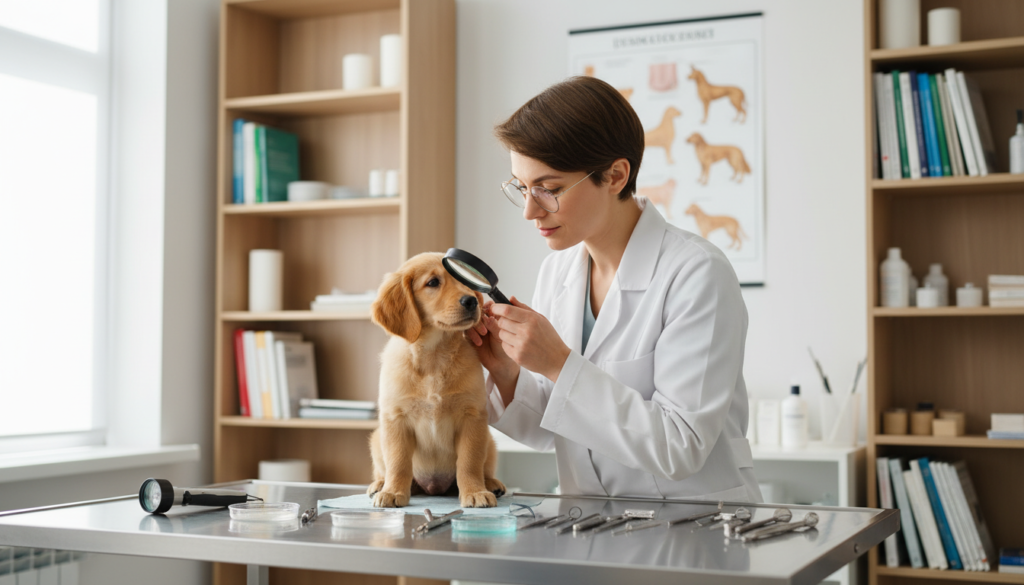
Pinpointing the exact cause of a skin problem is the most critical step your veterinarian takes. Similar-looking symptoms can stem from very different sources. An accurate diagnosis ensures the treatment plan effectively targets the root issue.
Veterinary Exams and Laboratory Tests
The process starts with a thorough physical exam. Your vet will assess the skin‘s appearance and discuss your dog‘s history, diet, and environment. This initial assessment guides the choice of specific tests.
Common first-step procedures include skin and ear swabs. The vet collects samples to check for bacteria, yeast, or parasites under a microscope. A skin scrape is another simple test to look for mites.
For suspected allergy problems, more involved methods are used. A food elimination trial is the gold standard for diagnosing food allergies. This requires a strict hypoallergenic diet for 8-12 weeks.
Environmental allergy testing can involve blood tests or intradermal skin testing. These help identify triggers like pollen or dust mites. Diagnosis typically follows a stepwise approach.
| Diagnostic Test | Primary Purpose | Common Findings |
|---|---|---|
| Skin Scrape & Swab | Identify parasites, bacteria, yeast | Mites, infections |
| Food Elimination Trial | Confirm food allergy | Diet-related dermatitis |
| Allergy Testing (Blood/Skin) | Pinpoint environmental triggers | Specific allergens (pollen, mold) |
| Advanced Tests (Bloodwork, Biopsy) | Rule out systemic condition | Hormonal imbalances, autoimmune disease |
If initial tests are inconclusive, your vet may recommend advanced diagnostics. These can include bloodwork or a skin biopsy. A biopsy is crucial for unusual presentations or recurring skin issues.
Proper diagnosis is essential. Treating symptoms without addressing the cause of dermatitis often leads to recurring problems for dogs.
Medical and Topical Treatments for Puppy Rash
Once your veterinarian has identified the cause of the dermatitis, a multi-faceted treatment approach can begin. The right plan tackles the root problem while also providing immediate relief from discomfort.
This stops the cycle of itching and scratching that damages the skin.
Medications and Topical Creams
Medications are often the first line of defense. Corticosteroids like prednisone quickly reduce inflammation and itch. They come as injections, pills, or topical creams.
Newer prescription options like Apoquel and Cytopoint target specific immune pathways. They offer effective relief with potentially fewer side effects.
For secondary bacterial or yeast infections, your vet will prescribe antibiotics or antifungal treatments. These clear up infections that cause additional discomfort.
Topical solutions are also crucial. Medicated shampoos, sprays, and ointments deliver healing ingredients directly to the affected skin.
Professional Treatment Options
Your vet may perform wound care in the clinic. This involves cleaning hot spots and clipping matted fur away from wounds. It allows for proper healing.
An Elizabethan collar, or e-collar, is often essential. It prevents your dog from licking or chewing the area, which is vital for recovery.
If the rash involves the ears, professional cleanings and medicated drops may be part of the treatment for common dog skin issues.
For complex or severe cases, your vet might recommend a veterinary dermatologist. These specialists have advanced training for tough skin conditions.
Home Remedies and Safe At-Home Care Techniques

Supportive home care plays a vital role in managing your dog‘s skin health alongside veterinary treatment. These methods can offer comfort and support healing. Always consult your vet before starting any new regimen.
Your veterinarian’s guidance is the first and most critical step. They can provide safe dosage instructions for medications and confirm that a home remedy is appropriate for your dog‘s specific skin rash.
Soothing Shampoos and Dietary Adjustments
Bathing with a gentle, therapeutic shampoo can provide immediate relief. Look for formulas containing oatmeal or aloe vera. These ingredients moisturize and calm inflamed skin.
After walks, wipe your dog‘s paws and belly with a damp cloth. This simple habit removes pollen and irritants before they cause a reaction. It can help prevent problems.
Diet plays a key role in skin health. High-quality food and omega-3 supplements support a healthy coat and may reduce inflammation. Good nutrition provides the foundation for your pet’s well-being.
| Home Care Technique | Primary Benefit | Important Consideration |
|---|---|---|
| Therapeutic Bathing | Soothes itching, moisturizes skin | Use vet-recommended shampoos |
| Post-Walk Wiping | Removes environmental allergens | Focus on paws, belly, and leg area |
| Dietary Support | Strengthens skin barrier from within | Omega-3s in food or supplements |
| Targeted Topicals | Localized relief for minor issues | Use e-collar to prevent licking |
For minor irritation, an over-the-counter hydrocortisone cream applied sparingly can help. Always prevent your pet from licking the treated area. An Elizabethan collar is essential for this.
If the condition is severe, worsens, or shows no improvement after a few days, treatment from a professional is necessary. Seeking timely help ensures the best outcome for all dogs.
Preventative Measures for Maintaining Healthy Dog Skin
Proactive care is your most powerful tool for preventing skin problems before they start. Consistent prevention strategies are far more effective and cost-efficient than treating issues after they develop. This approach forms the foundation of responsible pet ownership.
Year-round flea prevention is absolutely critical. Using high-quality veterinary-recommended products stops fleas before they bite. This prevents flea allergy dermatitis, one of the most common triggers for skin issues in dogs.
Nutrition and Grooming Foundations
Proper nutrition directly supports healthy skin. Feed your dog a balanced food formulated for their specific needs. Quality nutrition strengthens the skin barrier from within.
Regular grooming maintains coat and skin health. Bathing schedules vary by breed and lifestyle. Gentle shampoos remove allergens while preserving natural oils.
For dogs with environmental allergies, wipe paws and belly after walks. This removes pollen and irritants. Keeping living spaces clean also reduces exposure.
Consult your vet about preventive measures like antihistamines during allergy season. Omega-3 supplements can support skin health but always get veterinary approval first.
Early intervention is key. Address minor changes in your dog‘s fur or skin promptly. Quick action prevents small issues from becoming serious conditions.
Navigating Allergy-Related and Fungal Issues
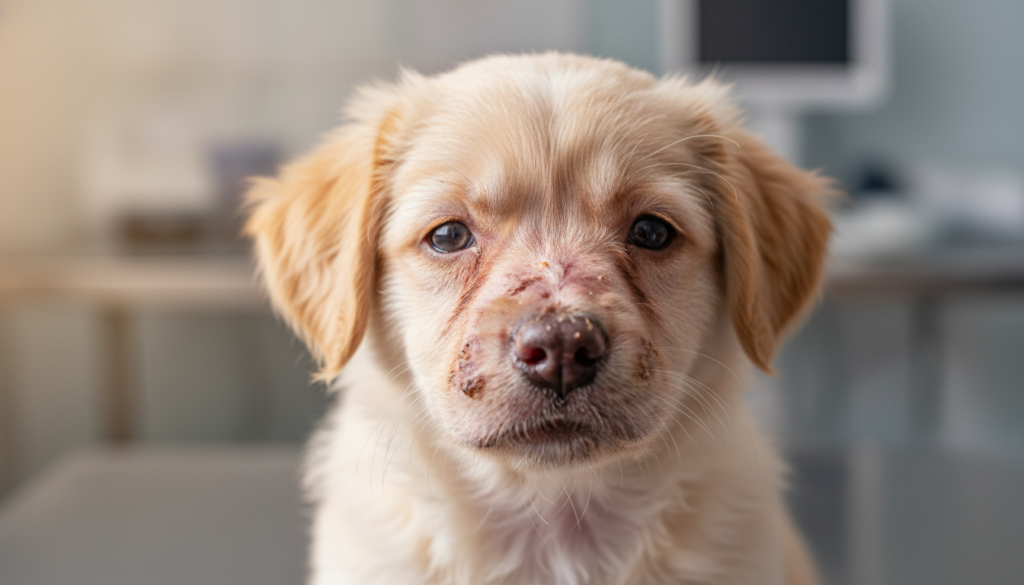
When a dog’s defensive mechanisms misinterpret everyday elements as threats, allergic dermatitis can develop. This condition occurs when the immune system overreacts to specific allergens, triggering inflammatory responses that manifest as skin problems.
Atopic dermatitis represents the most common form of canine dermatitis. It typically stems from environmental allergen sensitivities, though genetic immune system issues sometimes play a role without identifiable triggers.
Potential allergens include seasonal factors like pollen and mold, environmental elements such as grass and dust mites, and less common food sensitivities. The persistent itching characteristic of these allergic conditions often leads to secondary symptoms.
Fungal infections present another challenge for canine skin health. Malassezia dermatitis, a common yeast infection, occurs when normally harmless yeast overgrows due to favorable conditions. This type of infection frequently appears secondary to underlying allergies or compromised immunity.
Ringworm, or dermatophytosis, represents a less common but highly contagious fungal infection. Caused by dermatophyte fungi that feed on hair follicles, this condition can spread to other pets and humans. It typically appears as circular patches of hair loss.
Treatment approaches vary significantly between allergy-related issues and fungal infections. Allergy management focuses on identifying triggers, immunotherapy, and anti-inflammatory medications. Fungal conditions require specific antifungal treatments tailored to the infection type and severity.
Managing Chronic Skin Conditions in Puppies
For certain persistent skin conditions, the focus shifts from finding a cure to effective long-term control. Some canine skin problems are chronic rather than temporary. They require ongoing management throughout your dog’s life.
Common chronic issues include atopic dermatitis from environmental allergies. Food allergies requiring permanent dietary changes and genetic conditions like seborrhea also fall into this category. The goal becomes symptom management rather than complete elimination.
Long-Term Care and Monitoring Strategies
Successful management requires a comprehensive plan developed with your veterinarian. This plan should address your dog’s specific triggers and lifestyle factors. Regular monitoring helps catch flare-ups early.
Keep a symptom diary to track patterns and potential triggers. Photograph affected areas to document changes. Schedule regular veterinary check-ups to adjust the treatment approach as needed.
Most chronic conditions benefit from a multi-modal approach. This combines medications during flare-ups with preventive therapies. Environmental modifications and consistent grooming routines provide additional support.
Some dogs need maintenance medications or supplements year-round. Others require seasonal support during allergy periods. Recognizing early warning signs allows for quick intervention.
While chronic skin issues require commitment, most dogs adapt well. With proper management, they maintain excellent quality of life. They can enjoy normal activities and strong bonds with their families.
When to Consult a Veterinarian About Puppy Rash
Knowing when to seek professional help is crucial for your dog’s skin health. While many minor irritations respond well to home care, certain signs indicate veterinary attention is necessary.
Watch for rashes that worsen despite treatment or show no improvement after 3-5 days. Rapid spreading across the body or severe discomfort also warrants a vet visit. Recurring issues after successful treatment suggest an underlying problem.
Systemic symptoms require immediate attention. Lethargy, loss of appetite, or fever accompanying skin issues indicate deeper concerns. Open wounds, foul odors, or painful areas need professional evaluation.
Emergency situations demand urgent care. Facial swelling, especially around eyes or muzzle, combined with vomiting or difficulty breathing constitutes a true emergency. These severe allergic reactions can be life-threatening.
Early intervention prevents complications and is more cost-effective. Veterinarians welcome questions about skin rashes, as these are common reasons for visits. Trust your instincts—if your dog seems uncomfortable, err on the side of caution.
Professional diagnosis establishes whether an issue is minor or indicates a serious condition. Timely treatment leads to faster resolution and better outcomes for your pet’s wellbeing.
Conclusion
Maintaining healthy skin is essential for your dog’s overall wellbeing and quality of life. Many skin problems can affect dogs of all ages, but understanding the causes leads to better care.
Early detection and veterinary diagnosis are crucial for effective treatment. Similar-looking skin issues may have different root causes throughout the body. Prompt professional help prevents minor concerns from becoming serious conditions.
A comprehensive approach combines accurate diagnosis with targeted treatment. This includes addressing underlying causes and managing symptoms. Preventive measures like proper nutrition and grooming reduce rash recurrence.
With knowledge and vigilance, most skin conditions respond well to care. Regular communication with your veterinarian provides the best help for maintaining your dog’s skin health long-term.