What if avoiding winter wasn’t the only way to manage your skin’s reaction to cold? For those experiencing sudden redness, itching, or welts after stepping outside on chilly days, this question isn’t hypothetical—it’s a daily reality. While many dismiss these symptoms as minor annoyances, they often signal a deeper issue requiring specialized care.
This condition, triggered by exposure to low temperatures, creates challenges that extend beyond discomfort. The physical response can range from mild irritation to severe swelling, impacting routines and safety. Fortunately, advances in medical understanding now offer diverse strategies to address these reactions effectively.
Managing this allergy-like response involves more than just bundling up. A tailored approach combining science-backed methods and lifestyle adjustments can empower individuals to reclaim control. Working closely with a healthcare professional ensures treatments align with personal needs while minimizing risks.
Key Takeaways
- Cold-induced skin reactions are rare but can significantly disrupt daily life
- Personalized care plans improve outcomes more than generic solutions
- Combining medication with preventive measures offers the best results
- Emergency protocols are critical for severe temperature-related responses
- Understanding triggers helps reduce symptom frequency and intensity
Understanding Cold Urticaria: Symptoms, Causes, and Diagnosis
How quickly can your body signal distress when temperatures drop? For those with this unique temperature sensitivity, reactions often appear faster than most people realize. Red welts and itching typically emerge within 2-5 minutes of contact with cold air, water, or objects.
Recognizing Common Symptoms and Triggers
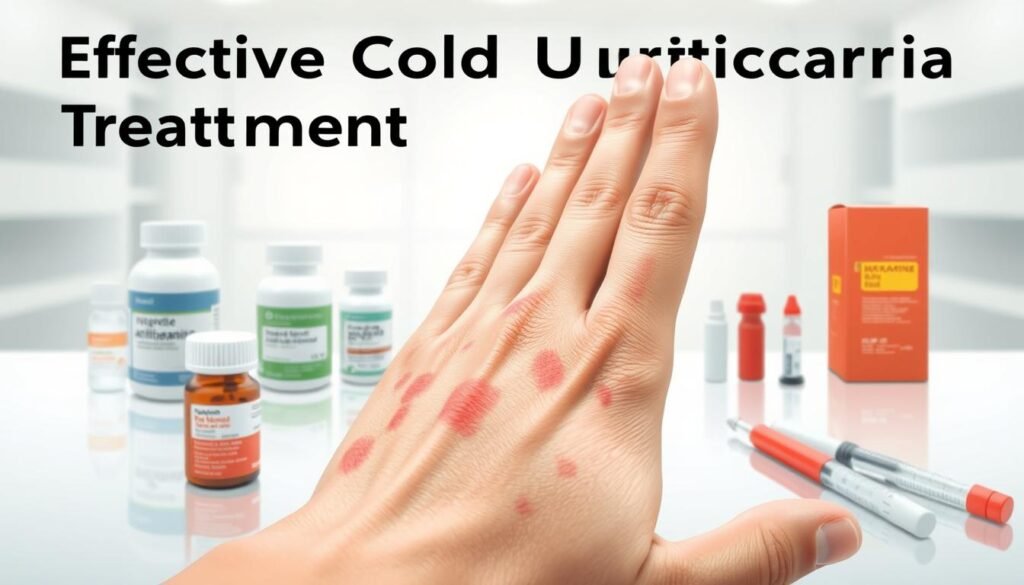
Visible signs include raised, itchy patches resembling mosquito bites. These hives frequently develop on exposed areas like hands or lips after handling frozen items or stepping into chilly environments. Some people notice swelling when drinking iced beverages or entering air-conditioned spaces.
Reactions intensify as skin warms post-exposure. A walk in brisk weather might cause mild redness initially, followed by pronounced welts once indoors. Severe cases can trigger throat swelling or rapid heartbeats requiring immediate care.
| Trigger | Reaction Time | Common Body Response |
|---|---|---|
| Cold drinks | 1-3 minutes | Lip swelling, throat tightness |
| Winter air | 2-5 minutes | Hand redness, facial hives |
| Ice packs | 3-7 minutes | Localized welts, itching |
Diagnostic Methods: The Ice Cube Test and Beyond
Doctors often use a simple ice cube test for confirmation. They place a wrapped ice cube on your forearm for five minutes, then monitor for hive formation during rewarming. This method helps rule out similar skin conditions.
Additional assessments might include blood tests to check immune system activity. Some clinics use controlled cold chambers to measure tolerance levels. Early diagnosis prevents dangerous exposures and guides effective management plans.
Managing Cold Exposure and Preventative Strategies
Can everyday choices become your first line of defense against temperature-triggered reactions? Proactive management begins with understanding how daily habits interact with environmental factors. Small adjustments often yield significant improvements in comfort and safety.

Smart Protection for Daily Life
Over-the-counter antihistamines work best when taken 30 minutes before potential triggers. Pair them with physical barriers like gloves or scarves in chilly weather. For sudden temperature shifts, carry layers to add quickly when needed.
Test water safety before swimming by submerging a hand for 60 seconds. If redness appears, avoid entering. This simple check prevents full-body reactions in pools or natural bodies of water.
Environmental Awareness Matters
Common triggers often hide in plain sight:
| Risk Factor | Prevention Method | Effectiveness |
|---|---|---|
| Iced drinks | Use insulated cups | 85% reduction |
| AC vents | Redirect airflow | 70% improvement |
| Frozen groceries | Wear thermal gloves | 90% protection |
Monitor indoor-outdoor transitions during summer months. Sudden chills from air conditioning can cause skin reactions just like winter winds. Keep a lightweight jacket handy for climate-controlled spaces.
Adjust exercise routines to avoid overheating-cooling cycles. Opt for moderate-intensity workouts in temperature-stable environments. These strategies help maintain active lifestyles while managing sensitivity.
cold urticaria treatment
When your body’s defense system overreacts to chilly environments, targeted therapies become essential. Modern protocols combine accessible remedies with advanced prescriptions to address varying severity levels.
Everyday Solutions and Specialized Prescriptions
Nondrowsy antihistamines like Claritin® and Zyrtec® form the first defense layer. These block histamine release – the chemical causing itching and swelling. Take them 30-45 minutes before cold exposure for maximum effectiveness.
For stubborn cases, Xolair® injections help calm overactive immune responses. Originally designed for asthma, this prescription medicine reduces flare-ups in 68% of resistant cases according to Mayo Clinic research.
| Medication Type | Examples | Best Use Case |
|---|---|---|
| OTC Antihistamines | Loratadine, Cetirizine | Mild-moderate reactions |
| Prescription Injectables | Omalizumab | Treatment-resistant cases |
| Emergency Devices | EpiPen® | Whole-body responses |
Critical Tools for Severe Reactions
Epinephrine auto-injectors save lives during systemic responses affecting breathing. “Carrying emergency medication isn’t optional – it’s a lifeline,” emphasizes Dr. Trisha Khanna in her dermatology practice guidelines.
Treatment plans often combine:
- Preventive antihistamine use
- Environmental avoidance strategies
- Addressing underlying immune disorders
Regular follow-ups ensure therapies adapt to changing needs. This personalized approach helps 83% of patients maintain normal activities despite their sensitivity.
Navigating Specialist Consultations and Long-Term Care
How prepared are you to discuss your temperature-triggered reactions with specialists? Effective management of this immune-related skin condition often requires collaboration between patients and multiple healthcare professionals. Starting with your primary provider, you might later consult dermatologists or allergist-immunologists for targeted care.
Preparing for Appointments
Bring these essentials to your consultation:
- Detailed symptom timeline – note when reactions occur and their duration
- Family medical history related to skin or immune issues
- List of recent medications, travel destinations, and dietary changes
Specialists typically ask about:
“Potential triggers you’ve noticed – does warm compresses help? Have symptoms worsened after viral infections?”
Blending Expert Guidance with Daily Practices
Create a personalized action plan combining clinical recommendations with practical adjustments. Track responses to prescribed antihistamines in a symptom journal, and share updates during follow-ups.
| Specialist Type | Focus Area | Typical Recommendations |
|---|---|---|
| Dermatologist | Skin protection | Barrier creams, temperature monitoring |
| Allergist | Immune response | Medication adjustments, trigger avoidance |
Regular communication with your healthcare team helps adapt strategies as needs change. This approach proves particularly crucial when managing chronic cases linked to other immune system conditions.
Conclusion
Living with temperature-triggered skin responses doesn’t have to limit life’s possibilities. Many individuals see their symptoms fade naturally over time, particularly younger patients. While the root cause remains unclear, connections to infections and immune health highlight the value of thorough medical care.
Effective strategies combine awareness with adaptability. Recognizing early signs like sudden welts allows quick action to minimize discomfort. Working closely with specialists helps tailor plans that evolve with changing needs – whether symptoms last weeks or years.
Histamine release during cold exposure creates predictable patterns that smart habits can counter. Simple measures like testing water temperature or layering clothing often prevent full-blown reactions. These practical steps, paired with prescribed medications, empower people to stay active safely.
Though no universal cure exists, most achieve significant relief through persistent management. Regular check-ins with healthcare teams ensure approaches stay aligned with individual progress. This proactive mindset transforms challenges into manageable routines, proving life’s coldest moments don’t have to dictate its warmth.