
When temperatures drop and indoor heating kicks in, your delicate facial skin faces a hidden threat. Unlike other body parts, the thin outer layer covering your mouth area lacks oil glands to retain moisture naturally. This makes it prone to irritation from wind, dry air, and even well-meaning habits like lip-licking.
Many people don’t realize how quickly environmental factors disrupt their moisture barrier. Cold outdoor conditions paired with artificial heat create a double assault on hydration levels. Without proper protection, minor dryness can escalate to cracking within days.
The good news? Simple adjustments to your routine can make all the difference. Board-certified dermatologists emphasize prevention through targeted products and mindful behaviors. Learning to recognize early warning signs – like tightness or flaking – helps stop damage before it worsens.
Key Takeaways
- Cold air and indoor heating combine to dehydrate delicate mouth-area skin
- Oil gland scarcity in this region increases vulnerability to environmental stress
- Early intervention prevents minor dryness from becoming painful cracks
- Dermatologist-approved strategies combine protective products with smart habits
- Consistent care maintains comfort through challenging seasonal changes
Understanding Severe Chapped Lips Winter
The soft tissue around your mouth faces unique challenges. Unlike other parts of the body, this region has no oil-producing glands. This makes it vulnerable to dehydration and irritation from daily exposures.
What Are Chapped Lips?
Dryness in the mouth area ranges from temporary tightness to persistent flaking. Medically termed cheilitis, this condition involves inflammation that can lead to visible splits. Dermatologist Joshua Zeichner notes:
“The thin skin here lacks natural defenses, leaving it exposed to environmental stressors year-round.”
Triggers and Warning Signs
Harsh weather patterns create a perfect storm for damage. Outdoor winds strip moisture, while indoor heating systems worsen dehydration. Common habits like frequent licking or touching the area introduce enzymes that break down delicate tissue.
Key factors include:
- Low humidity levels indoors and outdoors
- UV exposure during daytime activities
- Unconscious behaviors like biting or picking
Early-stage dryness responds well to targeted hydration routines. However, deep cracks or bleeding often signal cheilitis requiring specialized care. Recognizing these differences helps prevent minor irritation from becoming a prolonged issue.
Preventive Care and Daily Lip Care Routine
Effective lip protection combines science-backed formulas with mindful daily habits. Dermatologists emphasize that prevention starts with understanding how ingredients interact with delicate mouth-area tissue.
Choosing the Right Protective Formulas
Occlusive agents like petroleum jelly form a breathable shield against moisture loss. Dr. Bhanusali explains:
“Thick balms containing lanolin or beeswax create physical barriers while letting skin repair itself overnight.”
Look for products with ceramides to reinforce natural defenses and peptides for cellular renewal.
| Ingredient Type | Key Benefit | Product Example |
|---|---|---|
| Occlusives | Lock in hydration | Lanolips 101 Superbalm |
| Humectants | Attract moisture | Hyaluronic acid serums |
| Protectants | Block environmental stress | SPF-infused balms |
Building a Hydration Strategy
Apply nourishing products at four key moments:
- After morning skincare routine
- Before outdoor exposure
- Following meals or drinks
- As final nighttime step
Layer thin hydrators under thicker balms for all-day comfort. Keep travel-sized options in bags and workspaces to maintain consistency. Pro tip: Use SPF formulas during daytime, especially near snow or water reflecting UV rays.
Effective Treatment and Home Remedies for Chapped Lips
Damaged mouth-area tissue requires immediate care to prevent worsening irritation. Unlike other facial regions, this delicate zone can’t self-repair effectively once its protective barrier fails.
Smart Healing Approaches
Hydration-first strategies deliver better results than aggressive scrubbing. Board-certified dermatologist Dr. Joshua Zeichner advises:
“Treat this area as you would sensitive facial skin. Apply reparative products after showers when pores are open, and always use overnight treatments.”
Popular options like Rhode Peptide Lip Treatment combine moisture-binding humectants with healing peptides. For stubborn flakes, the Laneige Lip Sleeping Mask creates an occlusive seal that works while you rest.
Restoration Protocol
Follow this evidence-based process for lasting relief:
| Stage | Action | Timing |
|---|---|---|
| Prep | Clean with lukewarm water | Morning & night |
| Hydrate | Apply hyaluronic acid serum | Before balms |
| Protect | Use SPF ointment | Daytime |
| Repair | Apply lanolin-based balm | Before bed |
If exfoliation becomes necessary, use Sara Happ’s sugar scrub on damp skin. Always follow with a nourishing balm. Most cases improve within 2-3 weeks with consistent care.
Choose fragrance-free formulas to avoid further irritation. Keep travel-sized products handy for midday touchups, especially in dry indoor conditions.
Expert Tips and Product Recommendations
Leading skin specialists reveal science-backed solutions for maintaining healthy mouth-area tissue. Their insights combine clinical research with practical application methods that deliver visible results.
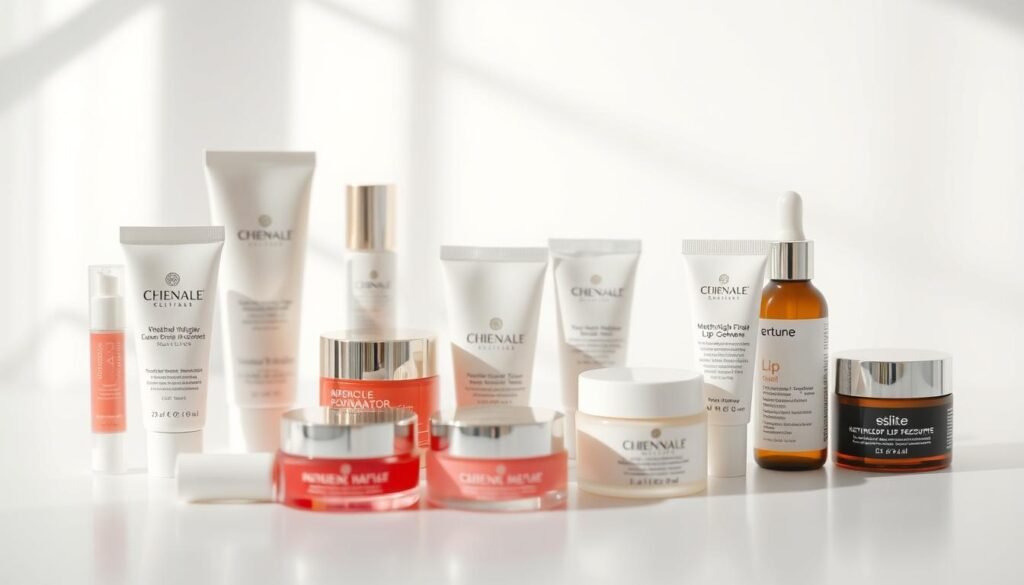
Insights from Dermatologists and Trusted Experts
Dr. Erum Ilyas emphasizes ingredient awareness:
“Many reactions stem from fragrances or dyes in lip balms. Stick to fragrance-free formulas with fewer than 10 components.”
Key recommendations from experts:
- Use SPF 30+ daily – snow reflects 80% of UV rays
- Apply hydrating serums before occlusive ointments
- Avoid menthol or camphor in products
Review of Top Products and Application Techniques
Dermatologist-approved picks combine advanced ingredients with smart delivery systems:
| Product | Key Benefit | Best For |
|---|---|---|
| Aquaphor Lip Repair | Heals cracks | Night use |
| Coola Liplux SPF 30 | Sun protection | Daytime wear |
| Paula’s Choice Peptide Booster | Plumps texture | Pre-makeup base |
For persistent issues, Dr. Bhanusali advises:
“If symptoms last over 14 days, consult a dermatologist to rule out infections or deficiencies.”
Layer products thinnest to thickest, reapplying after eating or drinking. Those with contact cheilitis should avoid products containing lanolin or beeswax.
Conclusion
Maintaining comfortable mouth-area skin requires balancing prevention with smart treatment. Most irritation responds well to consistent care, especially when addressed early. The Cleveland Clinic confirms temporary dryness often improves with simple home solutions.
Environmental awareness proves crucial. Keep quality balm in strategic spots – car consoles, work bags, nightstands. Reapply throughout the day, particularly after eating or drinking. Humidifiers add moisture to dry indoor air, supporting your skin’s natural repair process.
Track personal triggers like spicy foods or windy weather. Replace lip-licking habits with quick balm swipes. For daytime protection, choose formulas with SPF to guard against UV damage.
Persistent roughness or cracking signals deeper issues. Consult a dermatologist if discomfort lasts beyond two weeks. They can identify underlying conditions like allergies or nutrient deficiencies needing specialized care.
With proactive strategies and proper products, you can keep your lips resilient through seasonal challenges. Remember: early action prevents minor dryness from becoming a prolonged concern.