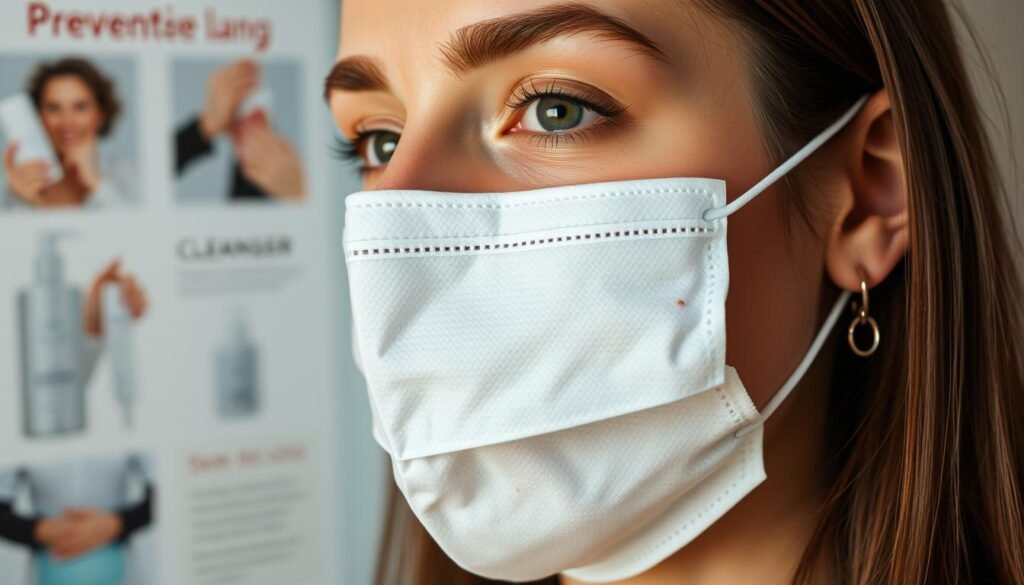
Over 83% of healthcare workers got facial skin problems early in 2020. Acne was the top issue. This condition, called “maskne,” became common as face masks became daily wear. It quickly spread to millions globally.
When the pandemic started in Spring 2020, dermatologists saw a big increase in patients. Dr. Sonya Kenkare from Rush River North found that long mask use caused more than just acne. People got oily skin, bacterial growth, and painful chafing under masks.
The team at Precision Skin & Body Institute found something key. Dr. Lesley Clark-Loeser, Dr. Marianna Blyumin-Karasik, and Dr. Jordan Rosen discovered different mask-related skin issues. Some got acne mechanica, while others had rosacea, eczema, or perioral dermatitis. Each needed its own treatment.
Knowing how to spot maskne and its symptoms is key. This guide will help you identify and prevent mask-related skin problems. You’ll find solutions that fit your skin type and lifestyle.
Key Takeaways
- Maskne affects people who wear face coverings for extended periods, causing breakouts and skin irritation
- Not all mask-related skin problems are acne – conditions like rosacea and eczema require different treatments
- Maskne symptoms include pimples, redness, and irritation in areas where the mask touches your face
- Bacteria growth and trapped moisture under masks create the perfect environment for skin problems
- Early recognition of maskne symptoms helps prevent severe breakouts and scarring
- Different mask materials and proper skincare routines can reduce your risk of developing maskne
What is Maskne and Why Does it Happen?
Face masks are now a part of our daily lives. But they’ve brought an unexpected problem: maskne. This skin issue affects millions who wear masks often. Knowing what causes it is the first step to clearer skin.
Definition of Maskne
Maskne is a term for acne caused by wearing face masks. It’s recognized by doctors as a real condition. It happens where the mask touches your face, like the nose, cheeks, chin, and jawline.
Causes of Maskne
Several factors combine to cause maskne. Your mask traps moisture from breathing, mixing with sweat and oils. This warm, moist place lets bacteria grow fast. The mask also rubs against your skin, breaking down its barrier.
Key factors that trigger maskne include:
- Increased oil production from trapped heat
- Clogged pores from makeup and skincare products
- Bacterial growth in the humid environment
- Friction causing micro-tears in skin
- Synthetic mask materials that don’t breathe well
Who is Most Affected?
Healthcare workers, retail employees, and those working long hours in masks are at higher risk. People who exercise or work in hot places also get maskne more often. Those with sensitive skin or existing acne see their conditions get worse. It’s important for these groups to learn how to treat Maskne to keep their skin healthy while staying safe.
Symptoms to Look For
Learning to spot Maskne starts with knowing its signs. Face masks are now part of our daily lives. Many notice new skin issues where their mask sits. These breakouts are different from regular acne and need special care.
Common Symptoms of Maskne
Maskne symptoms show up where your mask covers. The most obvious signs include:
- Red bumps and pimples on the cheeks, chin, and jawline
- Too much oil in the mask area
- Small whiteheads or blackheads together
- Rough, irritated skin patches
- Painful chafing around the nose and behind the ears
The warm, moist space under your mask is perfect for bacteria. This causes clogged pores and inflammation. Many find it uncomfortable and embarrassing.
How to Differentiate Maskne from Other Conditions
Not all skin issues from masks are Maskne. Rosacea shows as lasting redness with visible blood vessels. Eczema causes dry, itchy patches. Seborrheic dermatitis has yellowish, greasy scales, and perioral dermatitis forms small, red bumps around the mouth.
To spot Maskne right, see if breakouts only happen where your mask touches. True Maskne symptoms get better when you take mask breaks. If your skin issues don’t go away or spread, see a board-certified dermatologist for help.
Similar Skin Conditions to Maskne
Not all skin issues near your mask are maskne. Other conditions can look similar, making it key to know the difference. Each needs its own treatment.
Acne Mechanica vs. Maskne
Dermatologists say maskne is a type of acne mechanica. Both happen from skin pressure. Acne mechanica hits athletes with tight gear. Maskne shows up where masks sit.
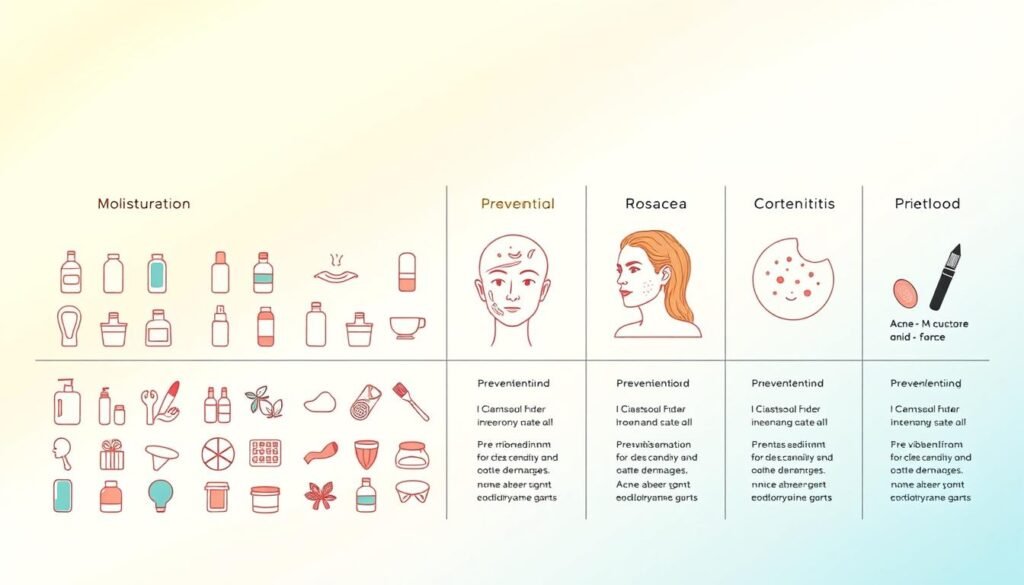
Acne mechanica can pop up anywhere tight clothes or gear rub. Maskne, though, is around the nose, cheeks, chin, and jaw. Both need gentle cleaning and products with salicylic acid or benzoyl peroxide.
Allergic Reactions vs. Maskne
Allergic reactions to masks can look like maskne. They show up fast after wearing certain masks. True allergic responses cause immediate burning or stinging sensations, unlike maskne which takes days or weeks to show.
Contact dermatitis from masks often includes:
- Intense itching or burning
- Swelling around the affected area
- Dry, flaky patches of skin
- Redness that appears within hours
If you think it’s an allergic reaction, switch to hypoallergenic cotton masks right away. The best products for Maskne won’t work for allergies. You’ll need antihistamines or topical steroids from a dermatologist.
Recognizing Patterns and Triggers
Understanding what triggers maskne helps you adjust your Maskne skincare routine to prevent future breakouts. Your skin reacts to many factors throughout the day. Identifying these patterns makes prevention easier.
Paying attention to when and where breakouts occur can reveal important clues about your specific triggers.
Environmental Factors
Your work environment plays a big role in maskne development. Hot kitchens, busy hospitals, or humid gyms create perfect conditions for breakouts. When you exercise with a mask on, sweat and bacteria get trapped against your skin.
Different mask materials affect your skin in unique ways. Cotton masks let your skin breathe better than synthetic ones. N95 respirators provide excellent protection but fit tightly against the face, increasing oil buildup.
Throughout the day, natural skin oils collect on any mask fabric. This creates a breeding ground for bacteria.
Skin Sensitivity and Reactions
Some people’s skin reacts more strongly to mask wearing. If you wear makeup under your mask, it mixes with trapped moisture and blocks pores faster. Using too many skincare products creates an occlusive layer that prevents your skin from breathing properly.
Watch for these sensitivity signs:
- Redness appearing after just an hour of mask wearing
- Itching or burning sensations under the mask
- Breakouts in the exact shape of your mask edges
- Worsening symptoms with certain fabric types
Recognizing these patterns helps you choose better Maskne treatment options for your specific skin type and lifestyle needs.
Prevention Tips for Maskne
Preventing maskne starts with smart choices about your face covering and skincare routine. Simple adjustments to your daily habits can make a big difference. The right approach to Maskne prevention combines selecting appropriate masks with using the best products for Maskne in your skincare routine.
Choosing the Right Mask
Your mask material matters for skin health. Cotton masks allow your skin to breathe better than synthetic materials. Look for hypoallergenic options that feel soft against your face. Healthcare workers who need N95 respirators can protect their skin by choosing the right fit and changing masks regularly.
Keep your masks clean by washing cloth versions daily with gentle detergents like Arm & Hammer Sensitive Skin Liquid. Disposable masks should be replaced every day to prevent bacteria buildup.
Skin Care Routine Adjustments
A simplified skincare routine works best for Maskne prevention. Start your day with a gentle cleanser like CeraVe Hydrating Facial Cleanser. Apply an oil-free moisturizer with SPF in the morning. Products like Avene Cleanance create a protective barrier between your skin and mask.
| Time of Day | Best Products for Maskne | Purpose |
|---|---|---|
| Morning | CeraVe AM Facial Moisturizing Lotion | Sun protection and hydration |
| Before Masking | Avene Cleanance | Barrier protection |
| Throughout Day | Hyclodex Spray | Anti-microbial action |
| Evening | CeraVe Hydrating Cleanser | Gentle cleansing |
Hypochlorous acid sprays like Hyclodex offer extra protection. Use them several times daily for their anti-inflammatory benefits. Keep your evening routine simple with just a cleanser and moisturizer to let your skin recover overnight.
Treatment Options for Maskne
Finding the right Maskne treatment options can make a big difference in clearing up your skin. There are many ways to manage breakouts from wearing masks. Start with gentle treatments and know when to seek professional help.
Over-the-Counter Solutions
Many effective products for treating Maskne are available without a prescription. Look for salicylic acid and benzoyl peroxide in spot treatments or face washes. These ingredients fight bacteria and clear clogged pores.
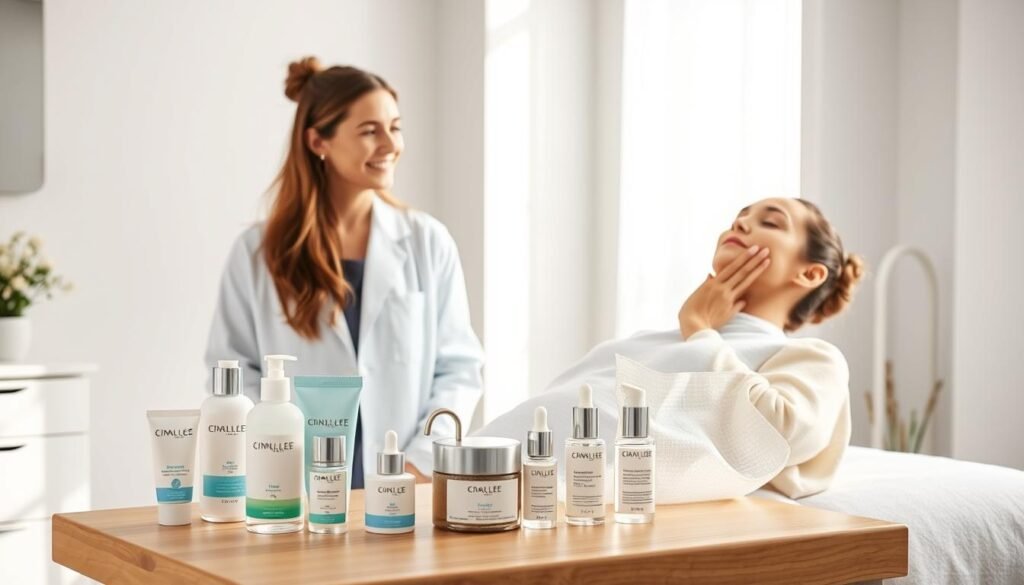
Choose oil-free or noncomedogenic products that won’t block your pores. Use anti-acne cleansers at night, like Glysal Cleanser or benzoyl peroxide washes. For targeted treatment, try La Roche-Posay Effaclar Duo or Glytone Enhance Brightening Complex on problem areas.
| Product Type | Key Ingredient | Best For |
|---|---|---|
| Spot Treatment | Benzoyl Peroxide | Individual pimples |
| Face Wash | Salicylic Acid | Daily cleansing |
| Night Treatment | Glycolic Acid | Overall texture |
Before using any new product on your face, test it on your inner forearm first. This simple step helps avoid allergic reactions.
When to See a Dermatologist
If your skin doesn’t improve after several weeks, see a board-certified dermatologist. They can offer professional treatments like prescription medications, chemical peels, or laser therapy. Dermatologists create personalized treatment plans based on your skin type and severity of breakouts.
Long-Term Skin Health Considerations
Caring for your skin is more than just treating breakouts. A lasting Maskne skincare routine keeps your skin healthy and prevents future issues. Your skin acts as a shield against harmful bacteria and irritation.
Maintaining a Healthy Skin Barrier
A strong skin barrier is key against maskne. Use gentle, hydrating products that don’t dry out your skin. Look for sensitive skin moisturizers that fix and shield without clogging pores.
| Product Type | Recommended Brands | When to Use |
|---|---|---|
| Night Moisturizer | PCA Skin Clearskin, Avène Tolerance Control | Every evening after cleansing |
| Cleansing Wipes | Cetaphil Gentle Skin, CeraVe Hydrating | Midday to remove sweat |
| Barrier Repair Cream | La Roche-Posay Cicaplast, EltaMD Barrier Renewal | Morning before mask wearing |
Simple habits can greatly help. Never touch or pick at maskne spots as it spreads oils and bacteria and can cause scars. Use silicone pads under mask straps or opt for headband-style masks to reduce pressure.
Importance of Following Up with A Professional
Board-certified dermatologists know how different skin can be. They find the root causes of skin problems and make plans just for you. Getting professional advice helps you reach your skin goals faster and avoid using the wrong products. Regular visits keep your skincare routine on track as your skin’s needs change.
Frequently Asked Questions (FAQs) About Maskne
Many people struggle to recognize Maskne and understand how to manage it properly. Getting the facts straight helps you take better care of your skin while wearing face coverings. Let’s clear up some confusion and share practical tips that really work.
Common Misconceptions
Not all mask-related breakouts are actually maskne. Many people mistake rosacea flare-ups or contact dermatitis for typical Maskne symptoms. Each condition needs different treatment approaches. Rosacea causes redness and visible blood vessels, while dermatitis creates itchy, inflamed patches. True maskne appears as small bumps and whiteheads in the mask area.
Another myth is that layering multiple skincare products helps prevent breakouts. This approach often backfires under masks. The trapped moisture and heat make heavy products clog pores faster. Simple routines work better when you need to recognize Maskne developing on your skin.
Tips for Managing Maskne Effectively
Smart product swaps make a big difference. Replace heavy foundation with tinted mineral sunscreen like EltaMD UV Clear. For touch-ups, use spot concealers such as Neutrogena SkinClearing Blemish Concealer instead of full coverage makeup.
Keep these essentials handy:
- Oil-free cleansing wipes for midday refreshing
- Clean backup masks to switch throughout the day
- Fragrance-free moisturizer for sensitive skin
Adjust your mask fit to reduce friction. Looser straps or different mask styles can prevent irritation. Wash cloth masks after each use with gentle, fragrance-free detergent. This prevents bacteria buildup that worsens Maskne symptoms.
Conclusion: Protecting Your Skin
Keeping your skin healthy while wearing masks is easy. Start with simple habits. Clean your masks often, pick breathable fabrics like cotton, and use a gentle skincare routine. These steps can greatly improve your skin’s health.
Summary of Key Points
Recognizing maskne symptoms early is key. Look out for red bumps, irritation, and breakouts along your mask line. To prevent it, wash your face twice a day with a mild cleanser. Apply a light moisturizer before wearing your mask and take breaks when you can.
Also, avoid heavy makeup under your mask and use simple skincare products. This helps prevent clogged pores.
Encouragement to Seek Professional Advice
If prevention doesn’t work, see a dermatologist. They can tell if you have maskne or another skin issue. They can give you stronger treatments and a plan for your skin type.
At Precision Skin & Body Institute, they believe healthy skin means a healthy you. Getting professional help ensures you’re treating your skin right during mask-wearing times.