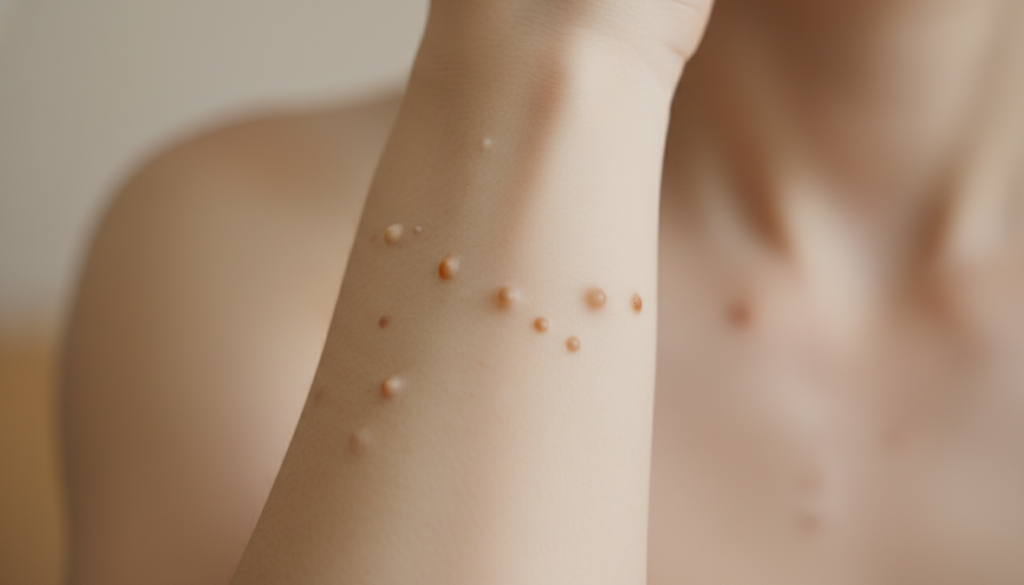
Did you know that nearly half of all adults will develop at least one of these common growths in their lifetime? These small, soft bumps are incredibly widespread, yet many people wonder why they appear.
This guide explores the primary reasons these benign formations occur. We will look at the various factors that contribute to their development.
Understanding the origin of these growths is the first step toward informed decisions about your health. While they are harmless, knowing the triggers can help with management.
Our exploration will cover friction, genetic links, age-related factors, and certain health conditions. This knowledge empowers you to better understand your own body.
Key Takeaways
- Skin tags are extremely common, affecting a large portion of the population.
- They are non-cancerous and generally pose no health risk.
- Friction from skin rubbing together is a major contributing factor.
- Hormonal changes and genetics can influence their development.
- Certain medical conditions may increase the likelihood of getting them.
- Understanding the causes can help in prevention and knowing when to consult a doctor.
Introduction to Skin Tags
Before exploring why these formations occur, it’s helpful to understand what they actually are. These common bumps affect many individuals throughout their lives.
What Are Skin Tags?
Skin tags are small, noncancerous growths that typically range from a few millimeters to a few centimeters in size. They appear as soft, flesh-colored flaps attached by a thin stalk called a peduncle.
Their texture is smooth and soft to the touch. Many people notice these growths move or wiggle when brushed against clothing or hair.
These formations can vary in color from matching your surrounding skin tone to appearing slightly darker. Some may turn pink or red when irritated by friction.
Common Locations and Appearance
These benign growths often develop where skin rubs against skin or clothing. The neck, underarms, and eyelids are frequent locations.
Other common areas include the groin and beneath the breasts. While they typically appear in friction-prone zones, they can technically form anywhere on the body.
| Characteristic | Description | Variations |
|---|---|---|
| Size | Few millimeters to centimeters | Can grow over time |
| Color | Typically flesh-colored | May darken or turn red when irritated |
| Texture | Soft and smooth | Movable when touched |
| Common Locations | Neck, underarms, eyelids | Anywhere skin experiences friction |
According to the American Academy of Dermatology, these growths are completely harmless. Their appearance can vary significantly between individuals.
Skin Tags Causes: Key Factors and Triggers
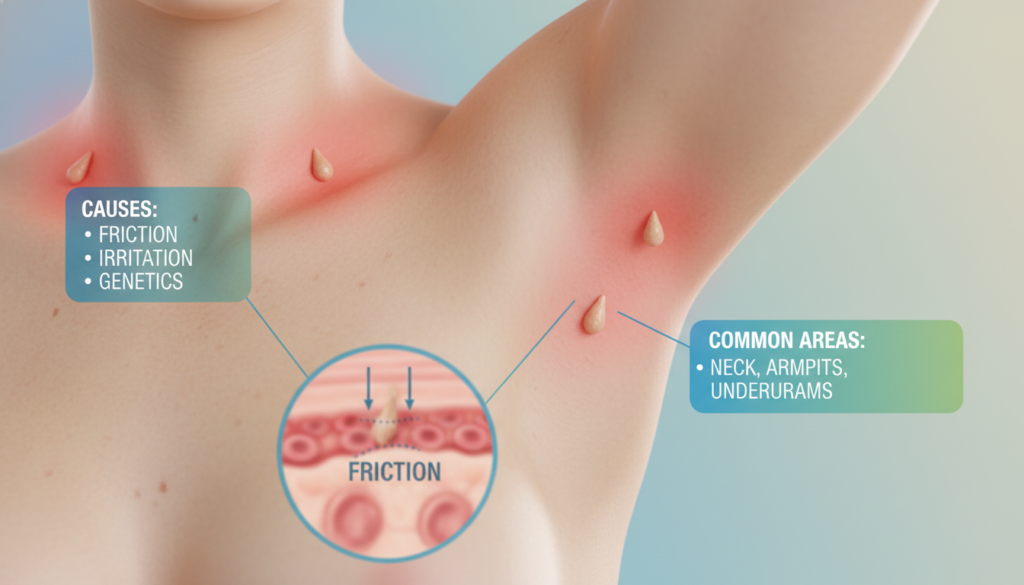
The appearance of these fleshy bumps is influenced by a combination of physical and biological factors. Multiple elements often work together to create conditions where these formations develop.
Friction, Rubbing, and Skin Irritation
Constant rubbing triggers extra growth of outer layers. This occurs when surfaces repeatedly contact each other.
Tight garments, bra straps, and collars create persistent irritation. Areas like the neck, underarms, and groin experience frequent friction.
Genetic, Hormonal, and Age-related Influences
Family history plays a significant role in susceptibility. Some individuals are simply more prone to developing these growths.
Age is another important factor. These formations become more common after 40 due to natural changes.
| Factor Type | Specific Factor | Mechanism | Common Locations |
|---|---|---|---|
| Physical | Friction from clothing | Repeated irritation triggers cell growth | Neck, underarms |
| Genetic | Family history | Inherited susceptibility | Various body areas |
| Age-related | Over 40 years | Cumulative friction effects | Multiple friction points |
| Hormonal | Pregnancy changes | Hormonal fluctuations | Neck, groin area |
| Weight-related | Increased folds | More surface contact | Under breasts, groin |
How to Remove Skin Tags Safely
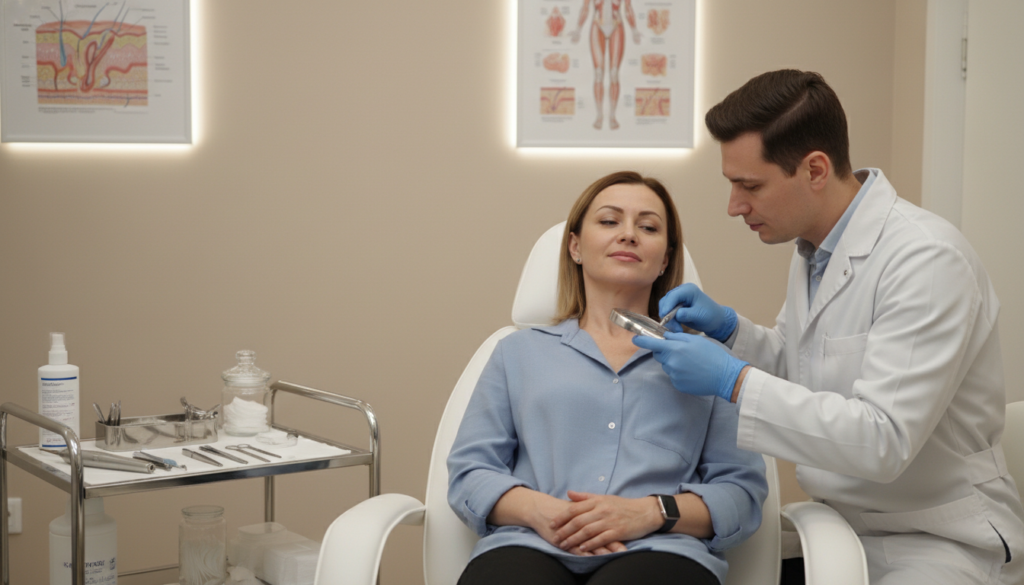
Medical professionals provide several effective methods for eliminating these benign formations with minimal risk. A dermatologist can typically complete the skin tag removal during a single office visit without follow-up appointments.
Professional Procedures: Cryosurgery, Electrodesiccation, and Snip
Cryosurgery uses extreme cold to destroy the growth. Your dermatologist applies liquid nitrogen to freeze the tissue. This treatment may cause a blister that falls off within days.
Sometimes, only the base gets frozen before snipping. This combination approach ensures complete removal.
Electrodesiccation involves zapping the growth with electrical current. A tiny needle delivers energy to destroy the formation. A scab develops and heals over one to three weeks.
The snip procedure is the most direct method. After numbing the area, sterile scissors remove the growth. A solution stops any bleeding immediately.
Following your dermatologist’s aftercare instructions prevents infection and minimizes scars. Proper care includes gentle washing and bandage changes.
The Role of Friction, Age, and Health Conditions
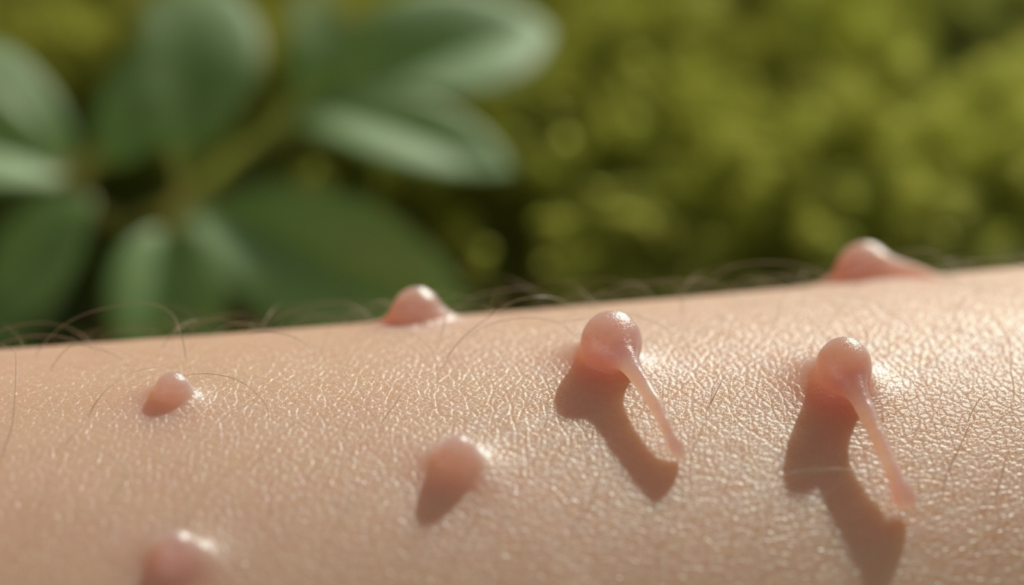
While often dismissed as mere cosmetic concerns, research reveals connections between these benign formations and broader metabolic health patterns. Beyond physical irritation and natural aging, certain medical conditions significantly influence their development.
Associations with Diabetes and Metabolic Syndrome
Studies show that multiple growths may indicate insulin resistance. This condition affects how the body processes sugar efficiently. It serves as a precursor to type 2 diabetes.
Having these formations doesn’t automatically signal diabetes. However, people with numerous or rapidly increasing bumps should consider metabolic screening. This proactive approach helps identify underlying health issues early.
“The presence of multiple skin tags may warrant evaluation for metabolic syndrome, especially when other risk factors are present.”
Metabolic syndrome involves several conditions occurring together. These include high blood pressure and unhealthy cholesterol levels. Extra abdominal fat and blood sugar problems also characterize this syndrome.
| Health Condition | Association Strength | Recommended Action |
|---|---|---|
| Insulin Resistance | Strong correlation | Blood sugar monitoring |
| Type 2 Diabetes | Moderate link | Regular health screenings |
| Metabolic Syndrome | Significant association | Comprehensive metabolic panel |
| Obesity | Common co-occurrence | Weight management consultation |
Age remains an important factor in development. Middle-aged and elderly individuals show higher prevalence. Cumulative effects of skin changes and metabolic conditions contribute to this pattern.
Genetic predisposition interacts with these health factors. People with diabetic relatives face increased risk. Understanding these connections helps determine when medical attention beyond simple treatment is necessary.
Importance of Dermatologist Consultation
Determining the right time to consult a specialist can provide clarity and peace of mind about skin concerns. Board-certified dermatologists possess specialized training to accurately identify various growths.
These medical experts differentiate between harmless formations and potentially serious conditions. Their expertise ensures proper diagnosis and appropriate treatment recommendations.
When to Seek Expert Advice
Contact a dermatologist if a growth becomes irritated or bleeds. This often happens when clothing, jewelry, or seat belts cause friction.
Shaving can also irritate these formations, especially if you nick them during hair removal. Eyelid growths affecting eyesight require immediate professional care.
Sudden pain or the rapid appearance of multiple growths warrants consultation. While rare, this pattern may indicate underlying health issues needing evaluation.
Healthcare provider assessment is crucial because some people mistake warts or even skin cancer for benign growths. Only experienced dermatologists can provide accurate diagnosis.
Seeking expert care brings peace of mind and ensures safe, appropriate management. Your healthcare provider will recommend the best approach for your specific situation.
Comparative Overview of Removal Procedures
The decision between DIY methods and medical procedures involves weighing convenience against safety considerations. Understanding the fundamental differences helps you make informed choices about your health.
At-Home Techniques vs. Professional Treatments
Over-the-counter products promise quick solutions for these common growths. Creams, freezing devices, and ligation kits are widely available.
However, the FDA has not approved any at-home removal products. The agency actively warns against their use due to potential harm.
Wart remover treatments are particularly problematic for these soft formations. Using them can lead to scarring and skin irritation.
Benefits and Risks of Each Approach
Professional procedures offer controlled, sterile conditions that minimize complications. Dermatologists ensure proper diagnosis before any treatment begins.
At-home methods lack medical supervision and precision. They carry risks of infection, improper removal, and delayed diagnosis of serious conditions.
The safest approach involves consulting a specialist who can recommend appropriate methods. Professional care provides peace of mind and optimal outcomes.
Addressing Concerns About Skin Cancer and Misdiagnosis
Many individuals experience understandable anxiety when discovering unfamiliar bumps on their body. The fear that a harmless growth might actually be something more serious is common and valid.
These formations may look like simple issues but could potentially indicate other conditions. This is why professional evaluation is essential for accurate identification.
Differentiating Skin Tags from Other Skin Lesions
Board-certified dermatologists receive specialized training to distinguish between various growths. While benign formations typically have a soft texture and small stalk, other lesions display different characteristics.
Warning signs that warrant immediate attention include changes in size, color, or shape. Bleeding without trauma or sudden appearance of multiple growths also requires professional care.
| Feature | Benign Growths | Concerning Lesions | Action Required |
|---|---|---|---|
| Border | Smooth, defined | Irregular, uneven | Professional evaluation |
| Color | Uniform | Multiple shades | Dermatologist visit |
| Texture | Soft, movable | Hard, fixed | Medical assessment |
| Growth Pattern | Slow, stable | Rapid change | Immediate consultation |
Understanding the difference between a skin tag or skin cancer can be challenging without medical training. People should never self-diagnose potentially serious conditions.
A comprehensive total body skin cancer exam provides the certainty needed for peace of mind. This professional assessment ensures proper identification and appropriate treatment recommendations.
Conclusion
Comprehensive skin care management includes recognizing when common growths warrant professional attention. Understanding the factors behind these benign formations helps individuals make informed decisions about their health.
Professional skin tag removal offers the safest approach for addressing bothersome growths. Consulting a board-certified dermatologist ensures accurate diagnosis and appropriate treatment.
When considering tag removal, prioritize safety over convenience. Your healthcare provider can recommend the best method based on your specific situation.
Remember that proper skin care involves regular monitoring of any changes. Schedule a consultation to discuss personalized management strategies with your medical professional.