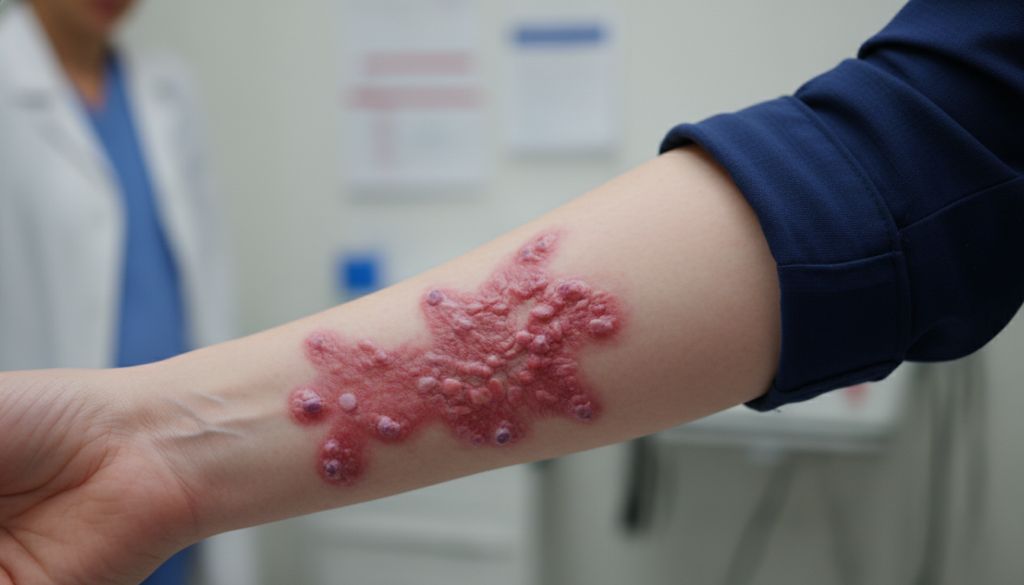
More than 1.3 million Americans live with rheumatoid arthritis. This autoimmune condition affects about 1% of the global population. While joint pain and swelling are the most recognized symptoms, many people don’t realize this disease can also impact the skin.
Only a small percentage of individuals with this condition develop visible skin manifestations. These dermatological symptoms can range from mild irritation to more severe presentations. Understanding this connection is crucial for comprehensive disease management.
The skin issues associated with this form of arthritis can appear in various ways. Some people experience hives or rare dermatological conditions. In certain cases, medications used to treat the underlying disease may trigger these reactions.
Recognizing skin changes is important because they may signal disease activity or treatment side effects. This article will explore the causes, symptoms, and relief options for these dermatological concerns. We’ll help you understand when to seek medical attention and how to manage these symptoms effectively.
Key Takeaways
- Rheumatoid arthritis affects over 1.3 million people in the United States
- Skin manifestations occur in only a small percentage of cases
- Dermatological symptoms can range from mild to severe
- Skin changes may indicate disease activity or medication side effects
- Proper recognition and management are essential for quality of life
- Various treatment options exist for skin-related symptoms
- Understanding the connection helps with comprehensive disease management
What is Rheumatoid Arthritis Skin Rash?
Beyond the well-known joint symptoms lies a spectrum of cutaneous manifestations that reflect the systemic nature of this condition. These dermatological expressions occur when the autoimmune processes extend beyond articular regions to affect other body systems.
Definition and Overview
Rheumatoid arthritis skin rash represents various dermatological manifestations that develop when this autoimmune disease affects cutaneous tissues. The same inflammatory mechanisms that target joint membranes can extend to blood vessels and skin structures.
Approximately 40% of individuals with this condition develop rheumatoid nodules at some point. These firm lumps form directly under the surface and range from pea-sized to golf ball dimensions.
How RA Affects the Skin
The immune system’s misguided attacks create inflammatory responses throughout the body. This leads to different types of cutaneous conditions beyond the characteristic nodules.
Rare but serious complications like rheumatoid vasculitis affect only 1-5% of patients. Other manifestations include neutrophilic dermatoses and urticaria reactions. Some presentations result from medications used to manage the underlying disease.
While less common than joint symptoms, these dermatological issues require proper medical attention. They can indicate disease activity or treatment side effects that need addressing.
Understanding the Causes Behind RA Skin Rashes
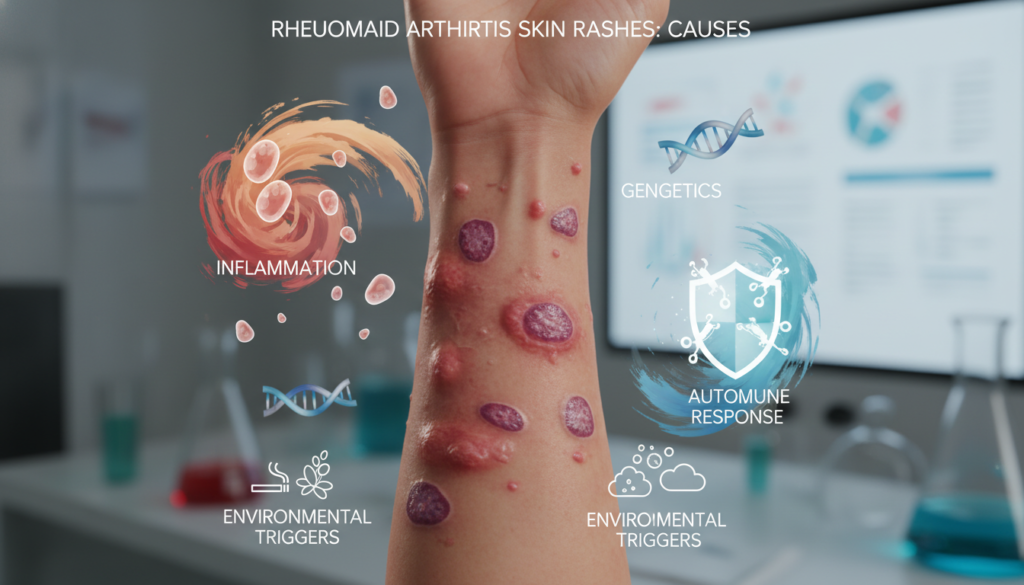
Understanding why skin issues develop requires examining both therapeutic interventions and disease mechanisms. The dermatological manifestations can originate from medications used to manage the condition or from the autoimmune process itself.
Medication-Induced Reactions
Many drugs prescribed for this condition can paradoxically cause cutaneous problems. Common medications associated with these side effects include celecoxib, sulfasalazine, and hydroxychloroquine.
Other problematic drugs include naproxen, ibuprofen, leflunomide, and diclofenac. Methotrexate, one of the most frequently used treatments, can trigger serious conditions like rheumatoid vasculitis.
Autoimmune and Inflammatory Triggers
The immune system produces high levels of rheumatoid factor that interacts with blood vessels. This interaction causes inflammation of small arteries and veins throughout the body.
During disease flares—periods of increased activity—skin manifestations become more likely. The heightened inflammation affects multiple systems, including cutaneous tissues.
| Cause Type | Primary Mechanism | Common Examples | Management Approach |
|---|---|---|---|
| Medication-Induced | Drug side effects | Methotrexate, NSAIDs | Medication adjustment |
| Autoimmune | Inflammation of blood vessels | Rheumatoid vasculitis | Disease control |
| Flare-Related | Systemic inflammation | Sweet’s syndrome | Flare management |
Distinguishing between medication reactions and disease-related inflammation is crucial for proper treatment. This distinction directly affects whether doctors adjust medications or intensify disease management. For comprehensive information about these manifestations, visit this detailed resource on rheumatoid arthritis skin concerns.
Recognizing the Symptoms and Warning Signs

Various dermatological expressions can serve as important indicators of underlying inflammatory processes. Early identification of these manifestations helps distinguish between different types of autoimmune responses affecting the body.
Common Skin Manifestations
When blood vessels become inflamed, visible changes often appear on the surface. These symptoms typically present as small to large red, brown, or purple dots or patches.
Patients frequently experience pain, swelling, and itchiness with these rashes. Rheumatoid nodules develop as firm lumps under the surface, commonly appearing on elbows, hands, and fingers.
In more severe cases, these manifestations may progress to form ulcers or lesions. If infections develop, serious complications can occur.
Associated Systemic Symptoms
Beyond visible changes, broader bodily responses often accompany cutaneous manifestations. These systemic symptoms include fever, appetite loss, weight reduction, and general malaise.
Conditions like rheumatoid vasculitis demonstrate how inflammation affects multiple systems. The presence of these broader problems indicates more widespread disease activity.
Recognizing both cutaneous and systemic symptoms early is crucial for effective management. This awareness helps prevent complications and guides appropriate treatment decisions.
The Role of RA Flares in Skin Manifestations

When the immune system becomes hyperactive during disease exacerbations, it can trigger visible changes on the body’s surface. These flare periods represent times of escalated inflammatory activity throughout the entire system.
Impact of Immune Response During Flares
During these heightened activity episodes, the immune response attacks not only joints but also blood vessels and other tissues. This aggressive inflammation increases the likelihood of developing various dermatological complications.
People with long-standing rheumatoid arthritis face greater risks. Those who have experienced the condition for ten years or more may develop more serious manifestations during flares.
Beyond surface changes, flares bring systemic symptoms like fever and fatigue. These reflect the increased inflammatory burden affecting the whole body.
Recognizing this connection helps patients and doctors anticipate when problems may also occur. Consistent management can reduce the risk of tissue damage during high-activity periods.
Diagnosis and Medical Insights into RA Skin Conditions
Medical professionals employ specific diagnostic tools to distinguish between various autoimmune manifestations. A thorough evaluation helps determine whether dermatological issues stem from the underlying condition or other factors.
Laboratory Tests and Imaging
Doctors rely on blood tests to identify key markers like cyclic citrullinated peptide (CCP) and rheumatoid factor antibodies. Elevated levels often correlate with increased risk for complications affecting blood vessels.
X-rays reveal joint erosions that indicate disease duration and severity. This information helps doctors assess the likelihood of developing specific skin conditions over time.
People with long-standing rheumatoid arthritis face higher risks for serious manifestations. Regular monitoring becomes essential for early detection.
Differentiating RA Skin Issues from Other Conditions
Doctors must carefully distinguish between various types of autoimmune conditions. Lupus, for example, may cause facial rashes that resemble other dermatological problems.
In suspected cases of rheumatoid vasculitis, medical professionals examine how blood vessels are affected. They look for inflammation in small arteries and veins throughout the body.
Physical examination of nodules on hands and other areas provides important clues. Combined with patient history, this helps determine whether skin problems relate to rheumatoid arthritis or other conditions.
Effective Strategies to Manage Rheumatoid Arthritis Skin Rash
Managing dermatological manifestations requires a tailored approach based on symptom origin and severity. The right treatment depends on whether issues stem from the autoimmune process or medication side effects.
For mild cases, topical treatments provide direct relief. These include corticosteroid creams to reduce inflammation and antibiotic ointments to prevent infection. Soothing lotions help manage discomfort without systemic side effects.
Topical Treatments and Skincare
Over-the-counter pain relievers like acetaminophen can help, but NSAIDs should be avoided for these specific problems. A doctor may prescribe topical corticosteroids for short-term use when inflammation is localized.
Proper skincare prevents complications and supports healing. Gentle cleansing and moisturizing maintain barrier function while treatments work.
Systemic Medications and Therapies
For more serious conditions like rheumatoid vasculitis, systemic drugs target inflammation in blood vessels. Corticosteroids such as prednisone are often the first treatment used.
Disease-modifying drugs including methotrexate help control the underlying autoimmune process. These medications used treat both joint symptoms and skin manifestations by modulating immune responses.
When standard drugs aren’t effective, a doctor may recommend advanced treatments like JAK inhibitors. These newer medications offer alternative pathways for controlling inflammation.
Successful skin rash management often combines approaches. For comprehensive guidance on dermatological concerns, visit this resource for skin rash management.
Lifestyle Changes and Self-Care for RA-Related Skin Issues
Daily habits significantly influence how your body manages autoimmune conditions. Simple adjustments to your routine can help control systemic responses. These practices work alongside medical treatments for better results.
Getting sufficient rest helps reduce fatigue and joint swelling. Proper sleep may also prevent disease flares that trigger dermatological concerns. Exercise maintains mobility and builds supportive muscles.
Diet, Exercise, and Stress Management
Stress reduction techniques like meditation or walking calm the nervous system. This helps lower inflammation throughout your body. Chronic stress can worsen autoimmune responses.
A balanced diet rich in fruits and vegetables supports healthy weight management. This reduces strain on affected joints. Lean proteins and whole grains provide essential nutrients for tissue repair.
While lifestyle changes cannot cure the underlying condition, they minimize complications. People who adopt healthy practices often experience fewer overall problems. These habits help protect against long-term damage.
| Lifestyle Factor | Primary Benefit | Practical Application | Potential Impact |
|---|---|---|---|
| Rest & Sleep | Reduces fatigue and inflammation | 7-9 hours nightly, scheduled naps | Lowers flare risk |
| Physical Activity | Improves joint mobility | Low-impact exercises, stretching | Decreases stiffness |
| Stress Management | Calms immune response | Meditation, hobbies, relaxation | Reduces inflammation |
| Balanced Nutrition | Supports healthy weight | Plant-focused diet, lean proteins | Minimizes joint strain |
These self-care strategies complement medical treatments effectively. For additional natural approaches to managing symptoms, consult reliable resources. Consistent healthy habits provide the best protection against complications.
Expert Advice and Treatment Considerations for RA Skin Health
Patient-provider communication forms the foundation for addressing medication-related dermatological issues. When new symptoms appear, timely consultation with your healthcare team ensures proper management.
Consulting with Specialists
Always inform your doctor about any new rash or skin change. These could indicate a side effect from your medication. Your doctor may adjust the dosage or switch to a different treatment.
Never stop or reduce medication without medical guidance. For complex cases, your doctor may refer you to specialists. Dermatologists and rheumatologists work together for comprehensive care.
| Specialist Type | Primary Focus | When to Consult |
|---|---|---|
| Rheumatologist | Disease management | Medication adjustments |
| Dermatologist | Skin conditions | Complex rashes |
| Primary Care | Overall health | Initial symptoms |
Personalized Treatment Approaches
Each person’s experience with rheumatoid arthritis is unique. Treatment plans must address individual needs. Your doctor considers your specific side effect profile.
For allergic reactions, antihistamines may help. Severe responses might require steroids. Regular follow-ups allow for ongoing assessment over time.
People with this condition should protect their skin from sun exposure. Some medications increase sensitivity. Proper care minimizes additional side effects.
Conclusion
Living with chronic inflammatory conditions means recognizing that manifestations can extend beyond the primary affected areas to include cutaneous concerns. While joint symptoms dominate the clinical picture, dermatological issues represent an important aspect requiring attention.
These skin problems can stem from the autoimmune process itself, inflammatory flares, or medication reactions. Identifying the source is crucial for appropriate treatment. While complete prevention isn’t possible, effective management strategies exist.
Successful care combines medications targeting the underlying condition with specific interventions for dermatological symptoms. Maintaining open communication with healthcare providers ensures timely adjustments to your treatment plan.
Lifestyle modifications complement medical approaches by reducing overall inflammation. A comprehensive strategy addressing both systemic and cutaneous aspects offers the best path forward for people managing this condition.