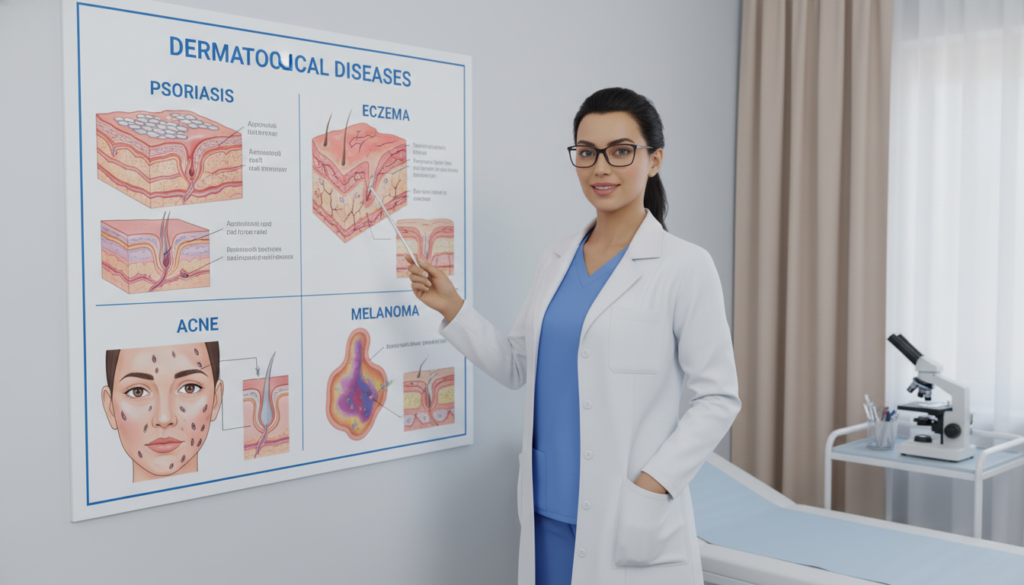
One in five Americans will develop skin cancer in their lifetime. This startling fact from The Skin Cancer Foundation highlights a major health challenge. Our body’s outer layer faces constant threats.
This protective shield, the integumentary system, is our first line of defense. It guards against germs, sunlight, and injury. Yet, this very exposure makes it vulnerable to many conditions.
Problems can range from simple rashes to serious disorders. Some issues are minor infections. Others, like severe burns or cancers, can be life-threatening.
Environmental factors play a huge role. Increased UV radiation from a thinning ozone layer contributes to the rise in skin problems. Chemical exposure and certain lifestyle choices also compromise skin tissue integrity.
This guide explores the various types of integumentary system conditions. We will cover cancers, inflammatory disorders, infections, and traumatic injuries. Understanding causes and symptoms is the first step toward protection and health.
Key Takeaways
- Skin cancer affects a significant portion of the American population.
- The integumentary system acts as the body’s primary protective barrier.
- Skin conditions range from minor irritations to severe, life-threatening disorders.
- Environmental factors, especially UV radiation, are major contributors to skin problems.
- This guide will cover a wide spectrum of integumentary system issues.
Overview of the Integumentary System
The human body’s largest organ forms a remarkable protective shield that constantly regenerates itself. This complex network includes hair, nails, and glands working together. Understanding its basic design helps explain how various skin conditions develop.
Function and Structure
Skin tissue consists of two main layers with distinct roles. The outer epidermis contains several strata where new cells form. Stem cells in the stratum basale continuously divide to replace old skin cells.
Deeper dermis tissue houses blood vessels, nerves, and glands. This layer provides strength and elasticity. Specialized cells like keratinocytes and melanocytes maintain integrity across different body areas.
Role in Overall Health
This protective barrier shields against microbes and environmental hazards. It prevents dehydration by retaining moisture. Temperature regulation occurs through sweat production and blood flow control.
Sensory nerves detect touch, pressure, and temperature changes. The system also produces vitamin D when exposed to sunlight. Proper function is essential for overall wellness.
Understanding the “diseases of the integumentary system”
The integrity of our largest organ can be compromised by genetic, environmental, and infectious agents. These disruptions lead to various medical conditions. We categorize them by their root cause.
Major categories include neoplastic growths, infections, inflammatory responses, and physical injuries. Each type affects skin tissue differently. Understanding this framework helps clarify diagnosis and treatment paths.
At a cellular level, many disorders begin with DNA mutations. These errors can cause cells to multiply uncontrollably. They may also prevent cells from dying when they should.
This abnormal growth can form tumors. A critical concept is metastasis. This is when cancerous cells spread from their origin to other body parts.
Not all growths are dangerous. Benign conditions pose minimal health risks. In contrast, malignant disorders require prompt medical attention.
Risk factors are diverse. They include sun exposure, genetics, and certain lifestyle choices. Knowing these risks is the first step toward effective prevention strategies for various skin conditions.
Common Skin Cancer Types
The development of abnormal cellular growths on the epidermis affects millions of people across the nation annually. Medical professionals categorize these conditions into three primary types based on their origin and behavior.
Basal cell carcinoma represents the most frequently diagnosed form. Squamous cell carcinoma follows as the second most common. Melanoma, while less common, poses the greatest threat due to its potential for metastasis.
Risk Factors and Causes
Ultraviolet radiation exposure stands as the leading contributor to skin cancer development. This environmental factor damages cellular DNA, triggering uncontrolled proliferation. The damage accumulates over years of sun exposure.
Additional risk factors include exposure to radiation, arsenic, and other environmental carcinogens. These substances can initiate abnormal cell division even in areas not typically sun-exposed. Genetic predisposition also plays a significant role in susceptibility.
General Symptoms and Diagnosis
Warning signs include changes in existing moles, new growth formations, and non-healing sores. Unusual patches or spots that bleed easily also warrant medical evaluation. Early detection dramatically improves treatment outcomes.
Diagnosis typically begins with visual examination using dermoscopy. Suspicious lesions undergo biopsy procedures to identify cancerous cells. This determines the specific cancer type and staging for appropriate treatment planning.
Deep Dive into Basal Cell Carcinoma
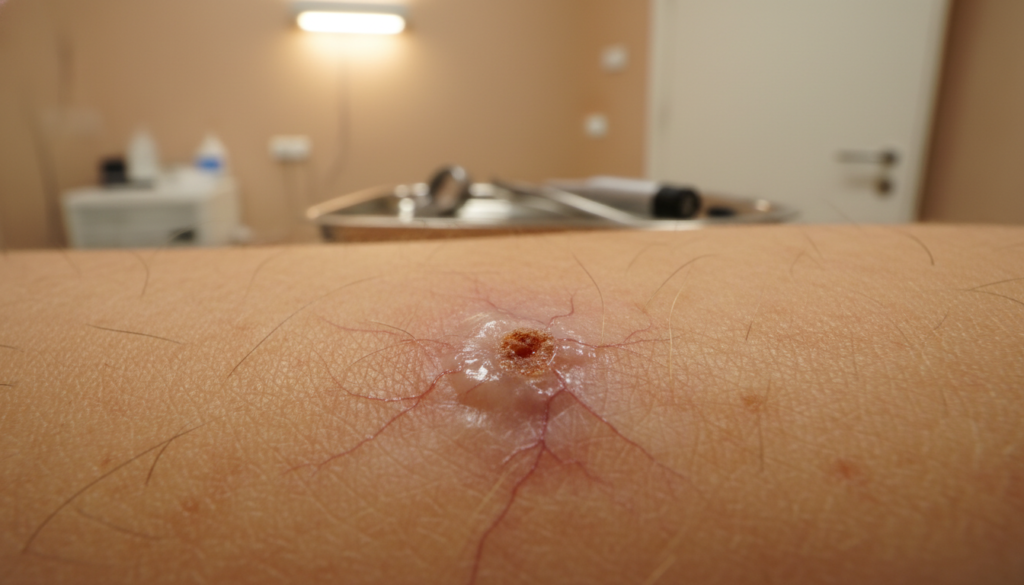
The stratum basale layer of the epidermis hosts the origin of America’s most prevalent cancer type. This basal cell carcinoma develops from mitotically active stem cells in the deepest skin layer.
This form of cancer typically appears on sun-exposed areas like the head, neck, arms, and back. Chronic sun exposure remains the primary cause of DNA damage leading to this condition.
Causes and Risk Factors
Long-term ultraviolet radiation exposure significantly increases basal cell development risk. Other factors include radiation therapy, arsenic contact, and pre-existing skin wounds.
The abnormal cell carcinoma growth begins in the stratum basale. It spreads along this boundary before surfacing as visible patches or bumps.
Treatment Options and Early Intervention
Early detection dramatically improves treatment outcomes for basal cell carcinoma. Surgical excision effectively removes most lesions. Cryosurgery freezes abnormal tissue.
Mohs micrographic surgery preserves healthy skin in complex cases. Topical medications offer non-invasive options. Regular self-exams help identify changes in vulnerable areas.
Prompt treatment provides excellent cure rates for this common skin cancer. Protection from UV exposure remains the best prevention strategy against basal cell development.
Exploring Squamous Cell Carcinoma
Originating from keratinocytes in the stratum spinosum layer, squamous cell carcinoma stands as the second most frequently diagnosed skin cancer. According to the American Cancer Society, it accounts for approximately 20% of all skin cancer diagnoses.
This cell carcinoma typically appears on sun-exposed areas like the scalp, ears, and hands. The condition is more aggressive than basal cell carcinoma and can metastasize if left untreated.
Signs, Symptoms, and Metastasis Risk
Squamous cell lesions present as scaly red patches or open sores that don’t heal properly. They may appear as rough, thickened skin or raised growths with central depression.
Warning signs include persistent itching, bleeding, or crusting. Rapid growth patterns indicate higher metastasis risk to lymph nodes and organs. Early detection is crucial for preventing spread.
Surgical and Nonsurgical Treatments
Treatment selection depends on tumor size, location, and invasion depth. Surgical excision effectively removes most squamous cell carcinomas. Mohs micrographic surgery preserves healthy tissue in complex cases.
Radiation therapy targets inoperable tumors. Emerging immunotherapy approaches show promise for advanced squamous cell carcinoma. Early-stage cases have excellent cure rates with proper intervention.
| Treatment Type | Method | Best For | Success Rate |
|---|---|---|---|
| Surgical Excision | Complete removal of lesion | Early-stage tumors | 95%+ |
| Mohs Surgery | Layer-by-layer removal | Facial areas, recurrent cases | 99% |
| Radiation Therapy | Targeted radiation | Inoperable locations | 90% |
| Topical Medications | Medicated creams | Superficial lesions | 85% |
| Immunotherapy | Immune system activation | Advanced metastatic cases | Varies by stage |
Recognizing Melanoma
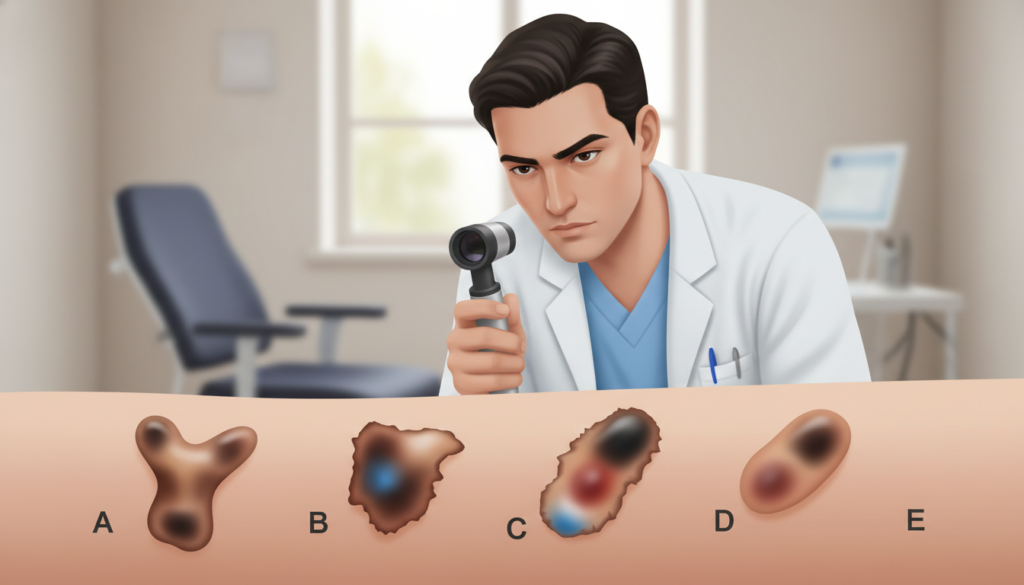
The ABCDE rule provides a crucial framework for identifying early warning signs of melanoma development. This aggressive form of skin cancer originates from pigment-producing cells called melanocytes.
Most cases begin as changes in existing mole tissue. New growth can also signal concern. Regular monitoring helps catch problems early.
ABCDE Warning Signs
This mnemonic helps identify suspicious mole characteristics. Asymmetry means one half doesn’t match the other. Borders appear irregular or ragged.
Color variations include multiple shades of brown or black. Diameter exceeds 6 millimeters. Evolving refers to changes in size or shape.
Additional symptoms for nodular melanoma include elevation and firm texture. Rapid growth patterns demand immediate attention.
Importance of Early Detection
Early diagnosis dramatically improves outcomes for this metastatic cancer. According to the Mayo Clinic, melanoma cells can spread quickly to lymph nodes and organs.
Risk varies by ethnicity. White individuals face 3% lifetime risk. Hispanic people have 0.5% risk. Black people experience 0.1% risk.
Despite lower incidence, people of color face higher advanced-stage diagnosis rates. This leads to increased mortality. Regular skin exams are essential for everyone.
Treatment typically involves surgical removal of the affected mole or growth. Immunotherapy helps fight advanced melanoma. Monitoring color changes in skin lesions saves lives.
Skin Disorders Beyond Cancer
Millions of people manage chronic skin conditions that, while not cancerous, significantly impact daily comfort and confidence. These common issues often involve inflammation and can be persistent.
Understanding their causes and effective management is key to improving life quality. This section explores two prevalent examples: eczema and acne.
Eczema: Triggers and Management
Eczema presents as dry, intensely itchy patches that resemble a common skin rash. Flaking, swelling, and sometimes bleeding accompany the irritation.
Triggers vary widely. They include dust mites, certain foods, stress, and environmental factors. Management focuses on soothing the skin and reducing inflammation.
Moisturizers form the first line of defense. Doctors often prescribe corticosteroid creams or immunosuppressants for more severe cases.
Acne and Its Long-Term Effects
Acne is a disorder primarily affecting areas rich in oil glands, like the face and back. Hormonal changes, especially during puberty, stimulate excess sebum production.
This oil, along with skin cells, can block hair follicles. The blockage creates an ideal environment for bacteria like Propionibacterium to grow, leading to infection and redness.
These blockages appear as whiteheads or blackheads. Without proper treatment, severe acne can cause permanent scarring and hyperpigmentation.
| Condition | Primary Triggers | Key Characteristics | Common Treatments |
|---|---|---|---|
| Eczema | Allergens, irritants, stress | Dry, itchy patches (rash) | Moisturizers, topical steroids |
| Acne | Hormones, bacteria, excess oil | Whiteheads, blackheads, inflammation | Topical retinoids, antibiotics |
Both are chronic skin conditions that require consistent care. While frustrating, effective strategies exist. Early intervention helps prevent long-term effects.
For more detailed information on a wider range of skin disorders, additional resources are available.
Wound Healing and Scar Formation
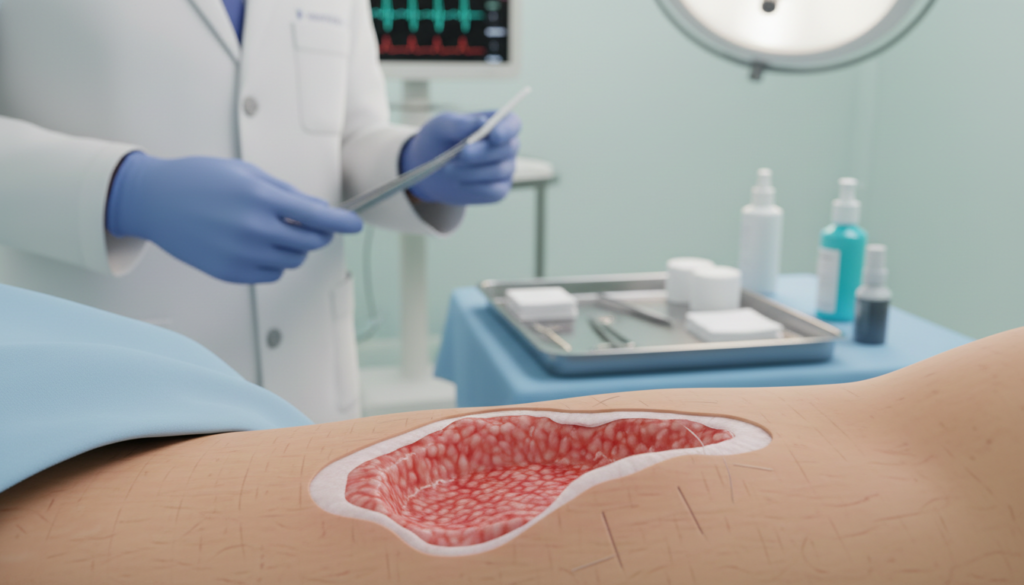
The remarkable ability of skin to heal itself involves a complex cascade of cellular events. When injury occurs, the body immediately initiates repair mechanisms to restore protective barriers.
This process begins with blood clot formation that stops bleeding. A protective scab develops while underlying tissue starts regeneration.
The Healing Process Explained
Multiple cells collaborate during wound repair. Fibroblasts rapidly divide to deposit collagen, creating granulation tissue.
Blood capillaries grow into the area, boosting circulation. Immune cells like macrophages patrol for foreign matter. Basal stem cells eventually regenerate the epidermis.
Types of Scars: Atrophic vs. Keloid
Scars form when healing produces collagen-rich skin instead of original structures. This fibrous tissue lacks hair follicles and glands.
Keloid scars result from excessive collagen production. They appear raised and occur more often in individuals with darker skin color.
Atrophic scars have sunken appearances. They commonly follow acne or chickenpox where tissue loss occurs.
Modern treatments include laser therapy, silicone sheets, and corticosteroid injections. These approaches help improve the body‘s natural healing outcomes for problematic skin scars.
Classification and Management of Burns
Burns represent one of the most serious traumatic injuries affecting the body’s protective barrier. They occur from intense heat, radiation, electricity, or chemicals. This damage causes death of skin cells.
Severe burns can lead to massive fluid loss. This results in dehydration and electrolyte imbalance. These conditions require immediate medical attention to prevent fatal complications like circulatory failure.
Degrees of Burns and Their Implications
First-degree burns are superficial. They affect only the outer layer of skin, causing pain and swelling. A mild sunburn is a common example that typically heals within days.
Second-degree burns extend deeper into the skin tissue. They cause painful blistering and require careful cleaning to prevent infection. Healing usually takes several weeks with proper care.
Third-degree burns are full-thickness injuries. They destroy the entire depth of skin, damaging nerve endings. The affected area may appear white, red, or black.
Fourth-degree burns are the most severe. They extend through skin into muscle and bone. These extensive injuries often require surgical intervention, including amputation in extreme cases.
Understanding the Rule of Nines
Healthcare professionals use the Rule of Nines to quickly estimate burn extent. This tool divides the body into sections representing percentages of total surface area. Each section correlates to a factor of nine.
This assessment helps guide fluid resuscitation and treatment planning. Accurate measurement is critical for managing the life-threatening risks associated with major tissue loss.
| Body Area | Adult Percentage | Significance |
|---|---|---|
| Head and Neck | 9% | Critical for fluid calculation |
| Each Arm | 9% | Front and back combined |
| Each Leg | 18% | Major surface area |
| Anterior Trunk | 18% | Vital organ protection |
| Posterior Trunk | 18% | Large burn area risk |
Treatment involves intravenous fluids to prevent shock. Debridement removes dead tissue. Skin grafting repairs severe damage. Preventing infection is paramount due to the loss of the skin’s protective function.
Pressure Injuries: Bedsores and Stretch Marks
Pressure-related skin injuries develop when mechanical forces overwhelm the body’s natural defenses. These conditions range from serious medical concerns to common cosmetic changes.
Preventing and Managing Bedsores
Bedsores form when constant pressure reduces blood flow to bony areas. This leads to tissue death called necrosis. Elderly or immobile individuals face the highest risk.
Prevention involves regular repositioning every two hours. Special mattresses help distribute pressure. Without treatment, infection can become life-threatening.
Doctors classify bedsores into four stages. Stage 1 shows redness that doesn’t fade. Stage 4 involves full-thickness tissue loss exposing bone.
Causes of Stretch Marks
Stretch marks occur when the skin stretches beyond its elastic limits. Rapid growth during puberty or pregnancy commonly causes them. They often appear on hips and abdomen.
These marks begin as reddish patches on the skin. Over time, they fade to silvery-white lines. Unlike bedsores, they pose no health risk.
Treatment is usually cosmetic. Laser therapy and topical creams can improve appearance. The body‘s natural healing process gradually lightens them.
Calluses and Corns: Natural Protective Responses
Ill-fitting shoes or repetitive hand activities can trigger your skin‘s natural defense mechanism against damage. This protective response creates thickened skin patches in high-friction areas.
Basal stem cells in the stratum basale layer divide rapidly to build thicker skin. This localized thickening protects your body from further injury without systemic intervention.
Calluses typically form on pressure points like heels, balls of feet, and palms. Activities like yard work, writing, or playing instruments commonly cause this growth.
Corns represent a specialized form of callus with deeper penetration. They develop from elliptical motion and feature a hard center with swollen surrounding skin.
Hard corns appear on toe surfaces while soft corns develop between toes. Proper footwear and protective padding help prevent their formation in vulnerable areas.
While generally benign, painful corns or unusual changes warrant medical evaluation. Gentle filing and moisturizing manage most cases effectively.
The Role of Dermatology in Skin Health
Dermatologists are highly trained medical specialists dedicated to diagnosing and managing a wide array of skin conditions. Their expertise covers everything from common rashes to complex disorders requiring advanced treatment.
Becoming a dermatologist requires extensive education. After medical school, they complete a residency and often a fellowship. They must pass rigorous exams and obtain board certification.
When to Seek Medical Attention
Knowing when to consult a professional is crucial for good health. Certain signs should prompt immediate medical attention.
Be alert for changes in moles, new growths, or sores that will not heal. A persistent rash or severe acne can also signal underlying problems. Early consultation often leads to better outcomes.
Prompt evaluation is especially important for suspicious lesions on the face or other sun-exposed areas. Dermatologists can provide accurate diagnosis and effective treatment plans.
Advancements in Cosmetic Dermatology
The field has expanded significantly to include cosmetic procedures. Many individuals seek treatments to address signs of aging or improve appearance.
Popular options include Botox injections, laser therapies, and dermal fillers. These minimally invasive techniques offer noticeable results with little downtime.
Technology continues to advance, providing new solutions for various conditions. The integration of medical and cosmetic care allows practices to offer comprehensive services.
Conclusion
Knowledge truly is power when it comes to your skin health. This guide has explored a wide spectrum of conditions, from highly curable skin cancer types to chronic inflammatory disorders.
Understanding the difference between common problems and serious conditions is vital. Early detection of symptoms dramatically improves outcomes for all skin cancer forms. Regular self-checks are your first line of defense.
Remember that many skin issues are manageable with proper care. Your body has remarkable healing abilities. For persistent or concerning changes, professional treatment is essential.
If you have questions or notice unusual changes, professional guidance is available. Staying informed and proactive empowers individuals to maintain healthy skin for life.