Imagine a health issue affecting over 13 million Americans, yet many don’t connect their symptoms to the actual cause. This is the reality for countless individuals living with a chronic inflammatory skin condition.
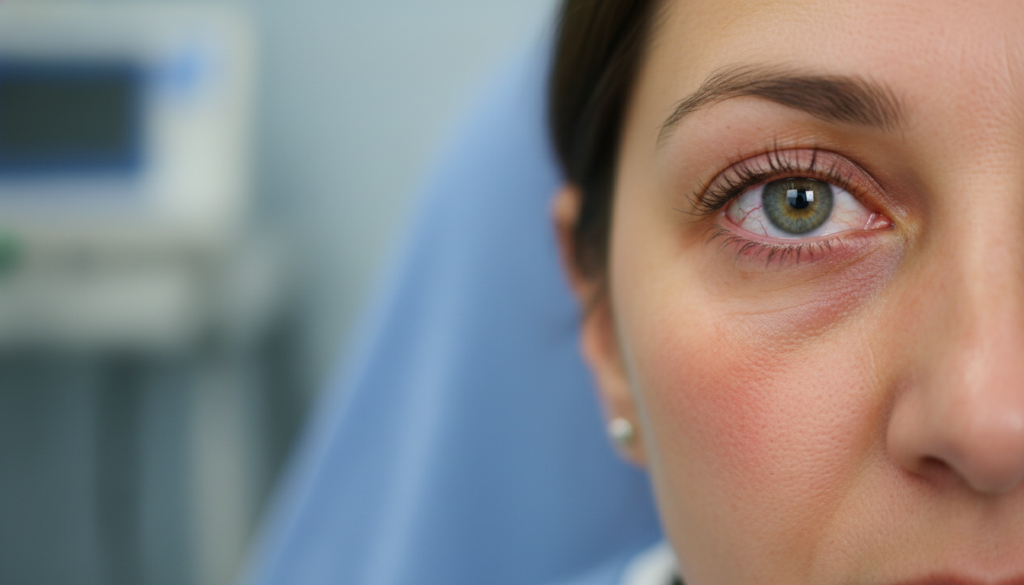
When this common problem spreads to the face, it can also impact the delicate area around the eyelids. This specific manifestation is known as ocular rosacea. It leads to painful inflammation that causes significant discomfort and can disrupt vision.
There is currently no permanent cure for this chronic disease. However, that doesn’t mean you have to suffer. A wide range of effective treatments and management strategies are available. These options can greatly reduce symptoms and improve daily life.
This guide provides clear, evidence-based information. Our goal is to help you understand the causes, recognize the signs, and explore the treatment options. Learning to manage this condition empowers you to take control of your health and seek proper care.
Key Takeaways
- Ocular rosacea is a chronic inflammatory condition affecting the eyes and surrounding skin.
- Millions of people have rosacea, and a significant number experience eye-related symptoms.
- There is no permanent cure, but symptoms can be effectively managed with proper treatment.
- Early recognition of symptoms like persistent redness and irritation is crucial.
- Working with a healthcare provider is essential for developing a successful management plan.
- Understanding personal triggers can help reduce flare-ups and improve quality of life.
Understanding Rosacea Eyes and Ocular Rosacea
The same inflammatory process affecting facial skin can also target delicate eye tissues. This creates a specific manifestation known as ocular rosacea. Understanding this connection helps explain why comprehensive treatment approaches are necessary.
What Are Rosacea Eyes?
Ocular rosacea represents a chronic inflammatory disease affecting the eyelids and eye surface. This condition typically causes redness, itching, and burning sensations. Patients often describe feeling like there’s grit in their eyes.
The disorder includes several related conditions. Conjunctival hyperaemia involves increased blood flow making vessels more visible. Blepharitis causes eyelid thickening with flaky crusting around lashes.
The Connection Between Facial Rosacea and Eye Inflammation
Facial flushing and ocular symptoms share the same underlying cause. The blood vessels in both areas react similarly to triggers. This creates a direct physiological link between skin and eye manifestations.
Interestingly, eye inflammation sometimes appears before facial symptoms. This makes ocular rosacea an important early warning sign. Recognizing this connection leads to earlier diagnosis and treatment.
Ocular rosacea is not a separate disease but rather a specific type targeting eye tissues. Comprehensive management must address both facial and ocular aspects of this condition for optimal results.
Exploring the Causes and Triggers

While medical science hasn’t pinpointed the exact origin of this condition, researchers have identified several key contributors that play significant roles. Understanding these factors helps explain why symptoms develop and what can make them worse.
Inflammatory and Genetic Factors
Multiple biological elements contribute to ocular rosacea. The helicobacter pylori bacteria, known for stomach issues, has been linked to this condition. This suggests a systemic inflammatory connection throughout the body.
Demodex mites naturally live on eyelashes but can cause problems. When they multiply excessively, they block oil glands and stimulate inflammation. This leads to the characteristic redness and discomfort.
Genetic factors also play a role. People with family history may be more susceptible. Immunological factors and reactive blood vessels contribute to the inflammatory response.
Lifestyle and Environmental Triggers
Various external factors can spark flare-ups. Hot drinks, spicy foods, and alcohol often trigger symptoms. Extreme temperatures and emotional stress also play significant roles.
Certain medications can worsen the condition. Cortisone and vasodilating drugs affect blood flow and may cause issues. Identifying personal triggers is crucial for management.
| Trigger Category | Common Examples | Potential Impact |
|---|---|---|
| Dietary | Spicy foods, alcohol, caffeine | Blood vessel dilation |
| Environmental | Sun, wind, extreme temperatures | Inflammation increase |
| Emotional | Stress, anger, embarrassment | Symptom flare-ups |
| Medications | Cortisone, vasodilators | Blood flow changes |
Tracking these factors helps people understand their unique triggers. This knowledge empowers better daily management and reduced symptom frequency.
Recognizing Symptoms: From Redness to Discomfort

Recognizing the specific signs of ocular involvement is crucial for proper diagnosis and treatment. The symptoms can vary widely from person to person, making awareness of the full spectrum essential.
Key Ocular Signs and Eyelid Changes
Persistent redness around the eyelids is often the first noticeable symptom. Many people experience a dry, gritty sensation as if something is stuck in their eye.
Eyelid changes include swelling at the base of the eyelashes and visible discoloration. Some develop crusty discharge or experience increased sensitivity to light.
More severe manifestations include clogged oil glands and recurring styes. These painful red bumps form near the eyelid edge and can affect vision.
Differentiating Ocular Rosacea from Blepharitis
While both conditions share symptoms like redness and burning, key differences exist. Blepharitis typically shows crusty buildup around eyelashes, especially in the morning.
Flakes or dandruff-like skin falling from the eyelids indicate blepharitis. Eyelash loss or misdirected growth are also hallmark signs of this condition.
Understanding ocular rosacea versus blepharitis helps guide proper treatment. The conditions have different triggers and require distinct management approaches.
Location differences are significant. Ocular manifestations affect both eyelids and the eyes themselves, while blepharitis focuses primarily on eyelid margins.
Home Remedies and Daily Care for Managing Rosacea Eyes
Taking control of your symptoms begins with simple yet powerful home care strategies. These practical approaches form the foundation of effective ocular rosacea management.
Warm Compresses and Proper Eyelid Hygiene
Warm compresses provide immediate relief for inflamed eyelids. The heat helps liquefy secretions from blocked oil glands. This reduces inflammation and opens clogged passages.
Apply a clean, warm cloth to closed eyelids for 5-10 minutes daily. Follow with gentle eyelid cleansing using doctor-recommended solutions. Proper hygiene removes debris and prevents bacterial buildup.
Daily cleansing routines are essential for maintaining ocular health. Use warm water or specialized eyelid scrubs as directed.
Using Artificial Tears and Over-the-Counter Treatments
Artificial tears combat dryness throughout the day. These lubricating drops maintain moisture on the ocular surface. They also wash away irritants that cause discomfort.
Choose preservative-free formulations for frequent use. Apply them as needed under medical guidance. For overnight relief, lubricating ointments provide longer-lasting moisture.
Consistency is key for successful management. Regular care routines significantly improve quality of life.
| Daily Care Method | Frequency | Primary Benefit |
|---|---|---|
| Warm Compresses | 1-2 times daily | Unclogs oil glands |
| Eyelid Cleansing | Daily | Removes debris |
| Artificial Tears | As needed | Lubricates surface |
| Lubricating Ointment | Nightly | Extended moisture |
Lifestyle Modifications and Dietary Considerations

Making thoughtful adjustments to daily habits can significantly impact symptom frequency and severity. These proactive changes work alongside medical treatments to create a comprehensive management strategy.
Identifying personal triggers is the foundation of effective symptom control. Many people find that keeping a detailed diary helps reveal patterns they might otherwise miss.
Foods and Beverages to Avoid
Certain consumables commonly trigger inflammatory responses. Hot drinks and spicy foods often cause blood vessel dilation that worsens symptoms.
Alcohol and caffeine are other frequent culprits. Chocolate can also prompt flare-ups in some individuals. Temperature extremes in both food and environment play significant roles.
“Understanding your personal triggers isn’t about complete restriction, but about making informed choices that balance enjoyment with symptom management.”
Dietary changes should be personalized rather than universal. What affects one person might not bother another. A food diary helps identify your unique sensitivity patterns.
| Common Triggers | Type | Potential Effect |
|---|---|---|
| Spicy foods | Dietary | Vasodilation |
| Alcohol | Beverage | Inflammation increase |
| Hot baths/saunas | Environmental | Temperature reaction |
| Stress | Emotional | Symptom flare-up |
Stress Management and Healthy Habits
Emotional states significantly influence physical symptoms. Feelings of anger, embarrassment, or stress can trigger physiological changes.
Regular exercise helps reduce systemic inflammation. However, avoid activities that cause overheating. Adequate sleep supports immune function and overall wellness.
These lifestyle modifications create a powerful combination with medical care. Together they form an effective approach to managing this chronic condition.
Medical Treatments and When to Seek Professional Advice
Professional medical treatments offer targeted solutions that address the underlying inflammatory processes affecting eye health. When home care approaches provide insufficient relief, prescription options become essential for comprehensive management.
Prescription Options and Advanced Therapies
Doctors often start with conservative approaches like artificial tears. When these prove inadequate, topical cyclosporine applied twice daily offers more effective relief.
Common antibiotic medications include tetracycline, doxycycline, and minocycline. These work as both antimicrobial and anti-inflammatory agents.
Steroid treatments provide short-term relief for severe inflammation. However, long-term use requires careful supervision due to potential side effects.
Advanced options include retinoids, anti-ulcer therapy, and specialized topical preparations. In-office thermal lid therapies address gland dysfunction in moderate to severe cases.
Guidelines for Consulting an Eye Care Specialist
Schedule an appointment if symptoms worsen or flare-ups increase frequency. New symptoms or triggers also warrant professional evaluation.
Regular visits allow specialists to assess treatment effectiveness and corneal health. This ongoing care prevents vision-threatening complications.
Seek emergency care for intense pain, dizziness, or sudden vision changes. These symptoms may indicate serious complications requiring immediate attention.
Conclusion
Living with ocular inflammation requires a comprehensive approach that combines medical care with daily self-management strategies. This chronic condition affects delicate tissues around the eyelids and involves reactive blood vessels and gland dysfunction.
Recognizing early signs like persistent redness, burning sensations, and sensitivity to light is crucial for proper diagnosis. Understanding the difference between ocular rosacea and blepharitis ensures you receive appropriate treatment for your specific symptoms.
Effective management involves identifying personal triggers while maintaining consistent eyelid hygiene routines. Warm compresses, artificial tears, and prescribed medications can significantly reduce discomfort when used regularly.
Schedule an appointment with an eye care specialist if you experience vision changes or frequent flare-ups. While improvement may take weeks or months, persistent management allows most people to maintain good comfort and quality of life.