
Imagine an uncontrollable urge to scratch that affects nearly half of all individuals undergoing dialysis. This startling fact highlights a widespread yet often overlooked challenge for many with compromised renal function.
This persistent sensation, known medically as uremic pruritus, is not a simple itch. It is a distinct and frequently severe symptom of an underlying condition. The discomfort can range from a mild annoyance to a debilitating experience that disrupts sleep and daily life.
When the body’s filtration system struggles, toxins can accumulate. This internal imbalance triggers a complex reaction that manifests on the surface. Understanding this connection is the first step toward finding effective relief.
This guide is designed to empower those affected. We will explore the signs, delve into modern treatment options, and provide practical management strategies. Our goal is to help improve overall well-being for people navigating this difficult symptom.
Key Takeaways
- Uremic pruritus is a common and severe type of itching linked to renal issues.
- This condition differs significantly from ordinary, temporary skin irritation.
- Symptoms arise from the body’s inability to properly filter waste products.
- The itching can severely impact sleep quality and overall quality of life.
- Effective management requires a personalized approach developed with a healthcare team.
- Recognizing the symptoms early can lead to more successful treatment outcomes.
Understanding Kidney Disease Itchy Skin
When the body’s internal balance is disrupted, it can manifest as an unrelenting sensation on the surface. This persistent discomfort represents a distinct medical challenge for many individuals.
What Is Uremic Pruritus and How Is It Different?
Uremic pruritus differs fundamentally from ordinary skin irritation. Regular itching typically responds to scratching or topical treatments. But this specific type of pruritus originates internally.
People describe the sensation as crawling or prickling beneath the surface. The discomfort feels deep within the body rather than on the skin alone.
| Characteristic | Regular Itching | Uremic Pruritus |
|---|---|---|
| Origin | External skin irritants | Internal systemic factors |
| Duration | Temporary, hours to days | Chronic, weeks to years |
| Response to Scratching | Often provides relief | May worsen the sensation |
| Distribution | Localized to specific areas | Widespread across the body |
“The complexity of uremic pruritus requires understanding it as a systemic condition rather than a simple skin issue.”
Common Contributors and Underlying Factors
Medical researchers continue to study what triggers this persistent pruritus. The condition appears connected to multiple internal factors.
Mineral imbalances often play a significant role. Buildup of waste products that healthy organs would normally filter contributes to the problem. Patients with advanced renal challenges frequently experience the most severe symptoms.
Understanding these underlying mechanisms helps healthcare teams develop targeted approaches. Effective management addresses the root causes rather than just surface manifestations.
Recognizing the Signs and Symptoms
Identifying the specific markers of this systemic condition is a critical step toward managing its impact effectively. The sensations and visible changes provide crucial clues.
Common physical signs include redness, inflammation, and noticeable scratch marks. The skin might also show bumps, spots, or become dry and scaly. It is vital to know that the skin can look normal even during intense itching.
Skin Inflammation, Dryness, and Scratch Marks
For many people, the discomfort becomes much worse at night. This can severely disrupt sleep and overall well-being.
Nighttime worsening happens for specific reasons. Your body temperature rises, and your skin loses more moisture. Natural anti-inflammatory hormones are also lower while you sleep.
| Characteristic | Daytime Itching | Nighttime Itching |
|---|---|---|
| Intensity | Often manageable | Frequently more severe |
| Impact on Sleep | Minimal | Major disruption |
| Skin Moisture | Relatively stable | Increased dryness |
| Body Temperature | Normal range | Naturally elevated |
Affected Areas: From Back to Extremities
The back is a very common starting point for this type of pruritus. The sensation often spreads from there to other areas.
Other frequently affected areas include the arms, shoulders, head, and chest. Sometimes the entire body is involved. This itching typically occurs symmetrically, meaning both sides of the body are affected at once.
Understanding these patterns helps individuals and doctors pinpoint the issue. Learning more about your specific symptoms is valuable. For specialized skin care advice related to persistent itching, consider resources from experts like Trisha Khanna, MD.
Effective Treatment Options for Kidney Disease Itchy Skin

Finding relief from persistent itching requires a systematic approach tailored to individual needs. Healthcare teams typically follow a stepwise strategy, beginning with simple interventions and progressing to specialized therapies based on symptom severity.
Topical Treatments: Emollients, Analgesics, and Moisturizers
All individuals should start with topical applications directly to the affected areas. Emollients provide essential moisture to soothe dry, irritated surfaces. Analgesic creams offer direct pain and itching relief.
For those undergoing dialysis, addressing mineral imbalances is crucial. Elevated phosphorus, calcium, and other levels in the blood often contribute to discomfort. Your healthcare team may adjust dialysis frequency or use different filters.
“The stepwise approach ensures patients receive appropriate care while minimizing unnecessary medication exposure.”
Oral Medications and Specialized Therapies
When topical treatments provide insufficient relief, oral antihistamines may help. Non-sedating options like loratadine work well during daytime hours. Sedating varieties can improve sleep when nighttime itching intensifies.
For persistent symptoms, medications like gabapentin target nerve pathways shared by pain and itching. Ultraviolet B therapy offers another option for suitable candidates. A groundbreaking treatment called difelikefalin is now FDA-approved specifically for hemodialysis patients.
Your doctor might also recommend dietary changes and experimental approaches. The goal remains finding the right combination for effective, long-term management.
Managing Your Daily Routine for Better Skin Health
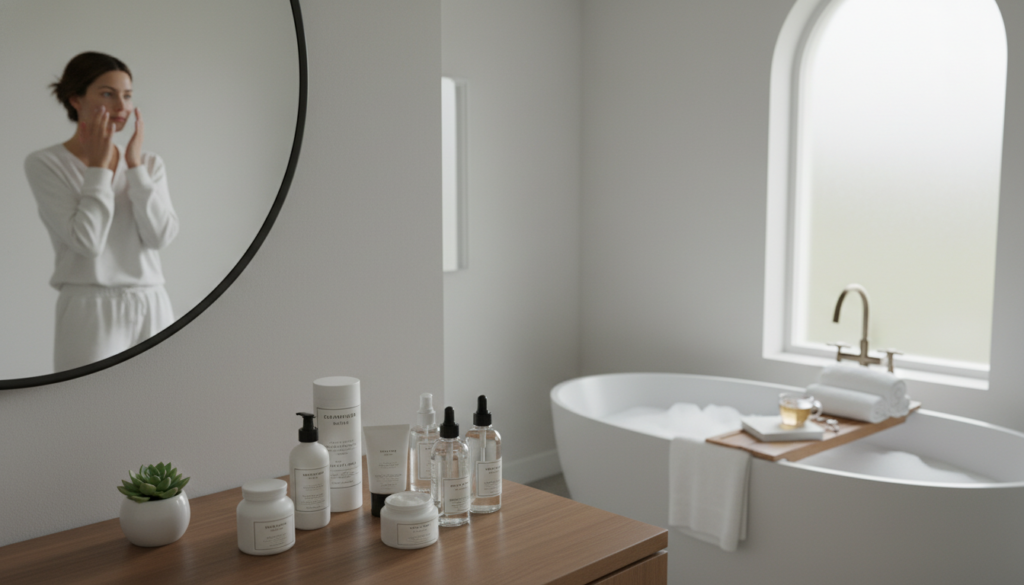
Simple daily habits can significantly reduce the intensity and frequency of challenging symptoms. Establishing consistent patterns helps create stability when dealing with fluctuating discomfort.
Your everyday choices directly impact how you experience chronic surface-related challenges. A structured approach combines preventive measures with immediate relief strategies.
Daily Skincare and Moisturizing Regimens
Consistency is key for maintaining surface health. Apply fragrance-free moisturizers whenever your surface feels dry. Prevention works better than treating existing dryness.
Daily bathing should use cool or warm water instead of hot. Hot water strips natural oils. Gentle soaps made for sensitive surfaces minimize irritation.
Environmental adjustments like humidifiers maintain indoor moisture. Loose, breathable clothing reduces physical irritation. These simple changes make a big difference over time.
Home Remedies and Lifestyle Adjustments
For quick relief when discomfort intensifies, try cool compresses or short cool showers. These soothe without damaging the surface through scratching.
Relaxation techniques like deep breathing calm the psychological urge to scratch. This breaks the itch-scratch cycle that many individuals experience.
Avoiding scratching is crucial to prevent infections. Taking prescribed medicines on time and following dietary plans addresses root causes. For specialized guidance, consider resources from experts like Trisha Khanna, MD.
| Strategy Type | Prevention Methods | Immediate Relief Techniques |
|---|---|---|
| Daily Routine | Daily moisturizing, gentle cleansers | Cool compresses, relaxation exercises |
| Environmental | Humidifiers, soft clothing | Avoiding scratch triggers |
| Lifestyle | Consistent medication schedule | Mindfulness practices |
These daily care routines, practiced consistently, can significantly improve comfort and reduce symptom frequency. Small adjustments create meaningful improvements in quality of life.
Strategies to Enhance Quality of Life with Chronic Kidney Disease

A holistic approach to renal health considers both medical treatments and emotional well-being. This comprehensive strategy addresses the full impact of your condition on daily living.
Effective management requires coordination across your entire healthcare team. Working together ensures all aspects of your well-being receive attention.
Integrating Dialysis Adjustments and Medical Treatments
Dialysis optimization plays a crucial role in managing symptoms. Your medical team may adjust treatment frequency or filter types.
These changes help remove toxins more effectively from your body. Specialized care from a dermatologist can provide targeted relief for persistent pruritus.
Open communication with your doctor about symptom patterns enables personalized treatment adjustments. This collaborative approach maximizes your comfort and health outcomes.
Mental Health, Relaxation Techniques, and Support Resources
Constant discomfort can significantly impact emotional well-being. Many people experience stress, anxiety, or social withdrawal.
Your healthcare team can connect you with support groups and counseling services. Relaxation techniques like deep breathing help break the itch-scratch cycle.
Social workers provide valuable resources for coping with chronic conditions. Connecting with others who understand your experience improves overall quality of life.
Conclusion
Managing persistent pruritus is a journey, not a single event. This guide has equipped you with knowledge about symptoms, treatments, and daily strategies.
Remember, this type of discomfort originates from internal systemic factors. Effective management requires a personalized plan developed with your healthcare team.
Open communication with your doctor is the cornerstone of getting relief. Share how often you experience itching and its impact on your life.
Many people successfully reduce symptoms by combining medical treatments with consistent skincare and lifestyle adjustments. You can take control and improve your comfort.