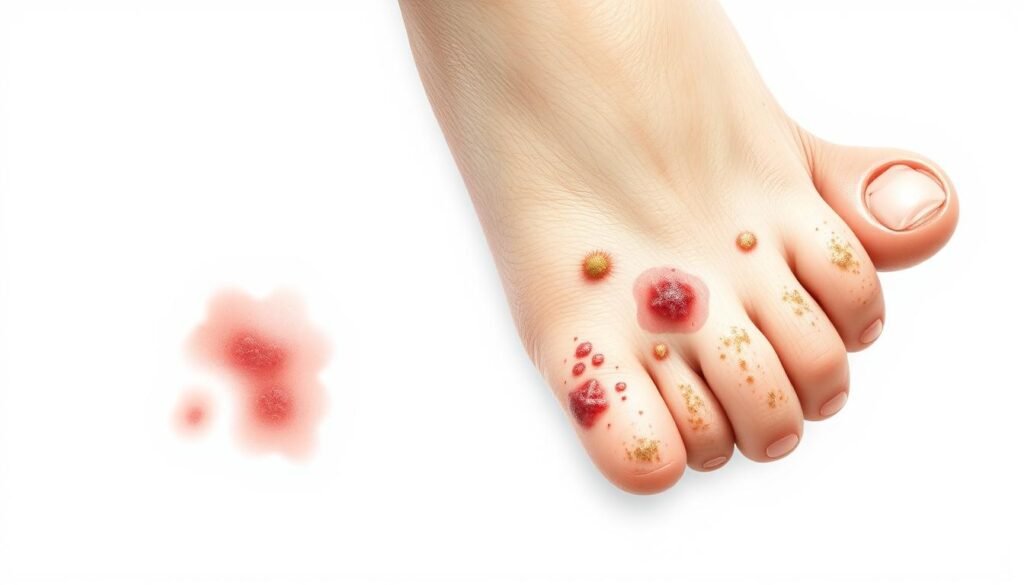
What if the itchy spot on your foot or the red circle on your arm isn’t “just a rash,” but a sign of Dermatophytosis that spreads faster than you think?
This guide helps you spot, prevent, and treat Fungal Skin Infections with clear, practical steps. It focuses on Fungal Infections (Athlete’s Foot, Ringworm) common in gyms, locker rooms, and households across the United States. You’ll learn how to identify a Fungal Rash early and when Anti-fungal Treatment is the right move.
Despite the name, ringworm is not a worm. It’s a fungus that can cause a ring-shaped, itchy patch—often seen with tinea capitis on the scalp and tinea pedis on the feet. Trusted sources like UpToDate note classic patterns: bald patches with black dots on the scalp and scaling between toes with athlete’s foot. Over-the-counter options such as butenafine (Lotrimin Ultra), clotrimazole (Lotrimin AF), miconazole (Desenex), terbinafine (Lamisil), and tolnaftate (Tinactin) are common first steps in Anti-fungal Treatment.
Simple habits matter. Keep feet dry, change socks after workouts, and avoid going barefoot in public pools and gyms. Home remedies like tea tree oil or sea salt soaks may help some people, but evidence is limited. If a Fungal Rash worsens, spreads, or if you have diabetes, seek care from a clinician.
This series cuts through noisy social posts and ads to deliver grounded advice you can use today. By the end, you’ll know how to recognize Fungal Infections (Athlete’s Foot, Ringworm), reduce spread, and choose the right Anti-fungal Treatment.
Key Takeaways
- Ringworm and athlete’s foot are Fungal Skin Infections caused by Dermatophytosis, not worms.
- Look for a ring-shaped Fungal Rash or scaling between toes to catch problems early.
- OTC Anti-fungal Treatment options include Lotrimin AF, Desenex, Lamisil, and Tinactin.
- Dry feet, clean socks, and sandals in public showers help prevent Fungal Infections (Athlete’s Foot, Ringworm).
- Home remedies may offer relief, but persistent or spreading rashes need medical evaluation.
- People with diabetes or poor circulation should seek prompt care for any suspected Fungal Skin Infections.
Understanding Fungal Infections: An Overview
Fungal Infections start on the body’s surface. They move through keratin, a protein in skin, hair, and nails. When we talk about Skin Fungus on the feet or scalp, we’re talking about Fungal Skin Infections. These infections love warm, damp places.
A Fungal Rash may itch, sting, or peel. It can spread if not treated.
Ringworm and athlete’s foot are in the dermatophyte family. Dermatologists call them by location: tinea capitis for the scalp, tinea pedis for the feet, and tinea cruris for the groin. Ringworm forms round, ring-like plaques. Athlete’s foot starts between the toes with scaling and burning.
Quick check: Do you notice itching that worsens after sweating? Are there red, scaly edges or a round patch that grows outward? These signs point to Fungal Skin Infections, not just irritation.
Most mild cases get better with over-the-counter antifungals. Brands like Lotrimin, Tinactin, or Lamisil work well. Creams, sprays, and powders can help a Fungal Rash when used as directed. Keep using them for about a week after symptoms fade.
This helps prevent Skin Fungus from coming back.
Prevention is key. Keep feet dry, rotate shoes, and wear breathable socks. Brands like Bombas or Nike are good choices. In gyms and pools, wear flip-flops to avoid touching surfaces where Fungal Infections spread.
Clean towels and shared gear also help prevent Fungal Skin Infections at home.
If itching, swelling, or drainage lasts more than a week, or if fever comes, see a doctor. A doctor can confirm the cause, rule out bacterial issues, and create a treatment plan. This helps clear a Fungal Rash and keeps it away.
- Common signs: itching, scaling, redness, and ring-like borders
- Typical sites: scalp, feet, and groin where Skin Fungus thrives
- Care basics: consistent antifungal use and dry, breathable gear
The Science Behind Fungal Infections
Dermatophytosis starts when a Skin Fungus meets keratin. Keratin is a protein in your skin, hair, and nails. In warm, humid places, these fungi grow and cause common Fungal Infections. You might see them in gyms, pools, and locker rooms.
Types of Fungi Involved
The main troublemakers are dermatophytes. They love keratin and cause ringworm and athlete’s foot. Doctors call them by body site, like tinea capitis on the scalp or tinea pedis on the feet.
The most studied fungi are Trichophyton, Microsporum, and Epidermophyton. They are linked to Dermatophytosis and other Fungal Infections.
These fungi spread through skin contact, shared items, and damp places. For a quick guide, check the CDC’s page on ringworm causes and how it spreads.
Life Cycle of Fungi
After they infect you, dermatophytes start to grow. They eat keratin, causing scaling and broken hairs. They thrive in warm, moist places like sweaty socks and steamy floors.
Because they can keep coming back, it’s important to keep floors, towels, and gear clean and dry. This helps prevent Fungal Infections from coming back.
Risk Factors for Infection
- Prolonged moisture from sweat, occlusive shoes, or non-breathable socks
- Walking barefoot in communal wet areas like gym showers, public pools, and spas
- Sharing towels, socks, or bedding that can harbor Skin Fungus
- Tight footwear that traps heat and delays drying
- Scratching athlete’s foot, then touching hands or groin, spreading Dermatophytosis
- Skin breaks such as blisters or ulcers that invite co-infection
- Higher complication risk with diabetes or peripheral vascular disease; seek early care
Anyone can get Fungal Infections. But people with weak immune systems are at higher risk. They should seek medical help quickly if they notice symptoms.
What is Athlete’s Foot?
Athlete’s Foot, also called Tinea Pedis, is a common fungal infection of the foot. It thrives in warm, moist places. Gyms, locker rooms, and tight shoes are perfect for it to grow.
Trusted medical guidance on Athlete’s Foot explains how it starts, spreads, and why keeping your feet clean is important.
Symptoms of Athlete’s Foot
Early signs include itch and burn between the toes. You might see scaling on the sides or sole. The rash can be red, purplish, or grayish.
Blisters may form and sting. Cracked skin can hurt after removing shoes and socks. Sometimes, the bottom of the foot becomes dry and scaly.
- Itchy, scaly patches between toes
- Burning or stinging pain
- Peeling or fissures that worsen with sweat
- Occasional blisters or raw skin
Causes and Transmission
Dermatophyte fungi cause Tinea Pedis. They spread in damp places like pool decks and showers. Sharing towels or shoes can also spread it.
Risk increases with sweaty feet and not drying between toes. Keeping feet cool and dry helps prevent Athlete’s Foot.
Complications from Athlete’s Foot
When skin breaks, bacteria can enter, leading to infections. Toenail involvement is common. Some people get contact dermatitis from treatments.
The infection can spread to hands or the groin. If you see swelling, pus, or fever, or if symptoms don’t get better, see a doctor. This is important for people with diabetes or vascular disease.
| Feature | What to Watch For | Why It Matters |
|---|---|---|
| Typical Onset | Itch and scale between toes | Common entry point for Tinea Pedis |
| Risk Settings | Locker rooms, pool decks, tight shoes | Moisture and warmth fuel Fungal Foot Infections |
| Spread | Shared towels, floors, self-scratch | Raises chance of a wider Fungal Rash |
| Warning Signs | Pain, blisters, cracks, redness | May signal worsening Athlete’s Foot |
| Complications | Bacterial infection, nail changes, dermatitis | Needs timely care to prevent escalation |
What is Ringworm?
Ringworm is a common skin, scalp, and nail problem. It’s not a worm but a type of Fungal Skin Infection. Doctors call it “tinea” followed by the body part, like tinea capitis for the scalp.
It may look scary, but it’s treatable. With the right care, managing it is possible.
Quick guide: tinea capitis hits the scalp, tinea pedis affects the feet, and tinea cruris is in the groin. They all come from the same fungus but show different symptoms.
Symptoms of Ringworm
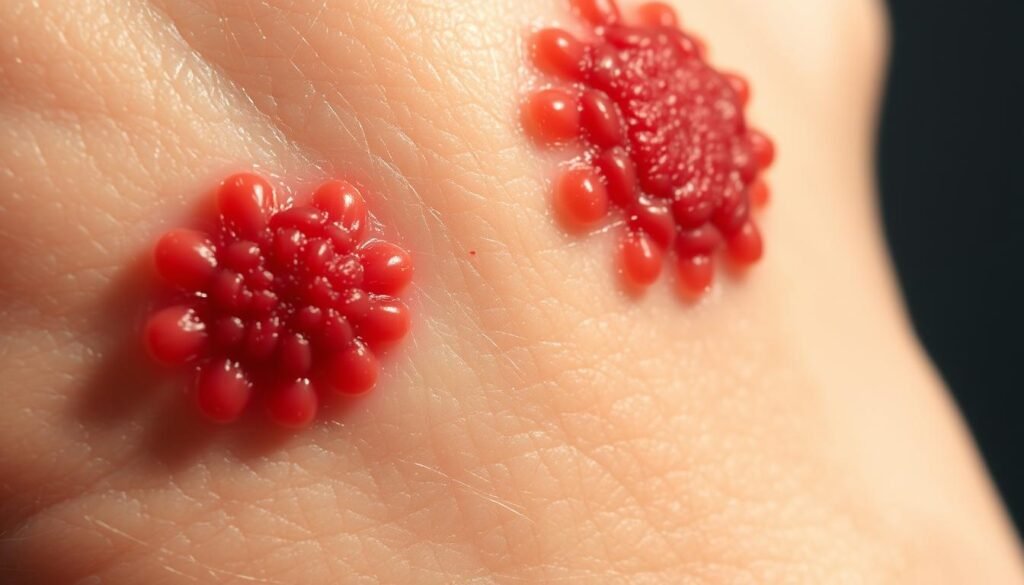
Look for round, red, itchy patches on the skin. The center is usually clearer. The edges might be scaly or raised.
- Scalp cases can cause bald spots and tiny “black dots” where hair breaks.
- Feet may peel or itch between the toes, like athlete’s foot.
- Groin cases often have a red, spreading edge that rubs and stings.
How Ringworm Spreads
This infection spreads by touch, shared items, and damp places. Touching infected skin or items can pass the fungus. Warm, moist areas like showers and tight shoes help it grow.
- Avoid sharing hairbrushes, razors, and sports gear.
- Disinfect high-touch items and wash clothes and linens in hot water.
- Keep skin dry; change sweaty socks and use breathable fabrics.
Possible Complications
Scratching can break skin and invite bacteria. Scalp disease may cause temporary hair loss. Stopping treatment early or using it wrong can make the rash last longer.
Doctors use antifungal therapy to treat it. Topical for small areas and oral for bigger problems.
Preventing Fungal Infections
Small daily habits can protect you from Fungal Infections. Warm, damp skin invites Skin Fungus, common in gyms and pools. Smart steps can stop Fungal Skin Infections before they start.
Hygiene Practices
Wash your feet daily with warm water and soap. Dry them well, paying extra attention between your toes. Change your socks when they get damp.
Use a towel just for the affected area and another for the rest of your body. This stops Skin Fungus from spreading.
Avoid walking barefoot in public pools, locker rooms, and spas. These places can have fungi that cause Fungal Skin Infections. For more tips on athlete’s foot and ringworm, check out this medical dermatology resource.
Proper Footwear Choices
Choose shoes that breathe, like ventilated sneakers or sandals. This reduces moisture. Rotate your shoes so each pair can dry out.
Wear socks that pull sweat away from your skin. This lowers the risk of Fungal Infections.
Avoid tight, non-breathable shoes for long periods. Good airflow helps prevent Skin Fungus in moist areas.
Safe Swimming Practices
Wear sandals or water shoes in locker rooms and on pool decks. Dry your feet as soon as you can after swimming. Before putting on socks, dust talcum or antifungal powder to keep your skin dry and prevent Fungal Skin Infections.
| Setting | Key Risk | Action to Take | Benefit |
|---|---|---|---|
| Locker rooms | Wet floors carrying dermatophytes | Wear sandals; avoid barefoot walking | Lower exposure to Fungal Infections |
| Daily routines | Moisture trapped between toes | Wash, dry thoroughly, change socks | Less chance of Skin Fungus growth |
| Footwear | Poor ventilation and sweat buildup | Breathable shoes; rotate pairs; wicking socks | Reduced Fungal Skin Infections risk |
| After swimming | Damp skin under socks | Dry feet; apply antifungal or talcum powder | Fewer moist areas for fungi to thrive |
Diagnosing Fungal Infections
Spotting the signs of Fungal Infections is key. Many look similar, but tiny details matter. If a rash forms rings or scales, or if hair breaks on the scalp, it might be Dermatophytosis. Knowing the exact cause helps treat it right and stop it from spreading.
When to See a Doctor
- Athlete’s foot that doesn’t get better after a week of home or over-the-counter care.
- Look out for skin color changes, pus, swelling, fever, or a rash getting worse fast.
- Be cautious if you have diabetes or peripheral vascular disease. Dermatophytosis can cause serious problems.
If you notice any of these signs, see a doctor. Early treatment cuts down on future infections and speeds up recovery.
Common Diagnostic Tests
- A doctor’s exam can tell a lot about the rash’s shape, borders, and scale.
- A skin scraping with microscopy (KOH prep) quickly checks for fungal elements.
- Fungal culture confirms the fungus and guides treatment for Fungal Infections.
- Scalp checks for tinea capitis look for broken hairs and “black dots,” signs of Dermatophytosis.
These steps help figure out what’s causing the rash. They decide if you need creams or pills.
Distinguishing Between Infections
| Condition | Key Clues | Typical Sites | Likely Approach |
|---|---|---|---|
| Athlete’s foot (tinea pedis) | Itch and scaling between toes, dry scale on soles | Toe webs, soles, sides of feet | Topical therapy first; monitor persistent Fungal Rash |
| Ringworm of body (tinea corporis) | Annular plaques with raised, scaly edge and central clearing | Arms, trunk, legs | Topical antifungals; confirm Dermatophytosis if uncertain |
| Tinea capitis | Scalp scale, patchy hair loss, broken hairs (“black dots”) | Scalp and hair shafts | Systemic therapy often needed for Fungal Infections of hair |
Knowing these patterns helps keep treatment on track. It also lowers the chance of mistaking a Fungal Rash for another skin disease.
Treatment Options for Athlete’s Foot
Athlete’s Foot, also called Tinea Pedis, needs early and steady care. Start by washing, drying between toes, and changing socks daily. An Anti-fungal Treatment works best on clean, dry skin. It must be used long enough to kill hidden spores.
Over-the-Counter Antifungals
Most mild cases get better with nonprescription creams, gels, sprays, or powders. In U.S. stores, you can find clotrimazole (Lotrimin AF), miconazole (Desenex, Lotrimin AF), and terbinafine (Lamisil). Butenafine (Lotrimin Ultra), tolnaftate (Tinactin), and ketoconazole (Nizoral) are also available.
Ciclopirox (Loprox), naftifine (Naftin), oxiconazole (Oxistat), sertaconazole (Ertaczo), and sulconazole (Exelderm) are used too. Luliconazole (Luzu) and econazole (Ecoza) are options as well.
- Apply twice daily unless the label says once daily.
- Keep treating for one week after symptoms fade.
- Read brands closely; names can cover different drugs.
This Anti-fungal Treatment plan targets the common causes of Tinea Pedis. It helps reduce recurrence among Fungal Foot Infections.
Prescription Medications
When scaling spreads, blisters form, or toenails are involved, stronger treatments are needed. Terbinafine or itraconazole by mouth is used for stubborn cases. High-potency topical azoles or allylamines can be tailored to the site, including heel, arch, and toe webs.
- Choice depends on severity, location, and nail involvement.
- Lab checks may be needed before some oral drugs.
- Expect a longer course for chronic Tinea Pedis.
Prescribed Anti-fungal Treatment can shorten flares and limit spread to other Fungal Foot Infections in households or gyms.
Home Remedies
Evidence varies, but several options can support standard care. Use them on clean, dry skin and stop if irritation occurs.
- Hydrogen peroxide: dab twice daily to reduce surface fungi.
- Tea tree oil: apply 25–50% diluted in a carrier oil, twice daily.
- Neem oil: thin layer twice daily for antifungal support.
- Rubbing alcohol: 70% isopropyl footbath (15 minutes), then dry well.
- Crushed garlic paste: brief, localized application; rinse and dry.
- Talcum or antifungal powder: keep skin dry; avoid inhalation.
- Sea salt soaks: warm saline soaks, then dry fully.
- Vicks VapoRub: nightly on affected areas for several weeks.
Pair these with OTC therapy for a more complete Anti-fungal Treatment plan against Tinea Pedis and other Fungal Foot Infections.
When to Seek Advanced Treatment
Get medical care if there is no improvement after 7–10 days of OTC care. If pain, pus, or fever suggests bacterial infection, seek help. People with diabetes or peripheral vascular disease should also get medical care.
- Clinicians can tailor therapy and prevent cellulitis.
- Nail involvement may need oral antifungals or debridement.
- Recurrent Athlete’s Foot often benefits from a longer maintenance plan.
| Scenario | Recommended First Step | Typical Agents | Duration Guide | Why It Helps |
|---|---|---|---|---|
| Mild toe-web itch and scaling | OTC topical start | Terbinafine, clotrimazole, miconazole | 1–4 weeks, plus 1 week after clear | Targets common Tinea Pedis organisms quickly |
| Dry, moccasin-type scaling on soles | Stronger topical or combo care | Butenafine, ketoconazole, ciclopirox | 2–6 weeks | Deeper involvement needs sustained Anti-fungal Treatment |
| Refractory or widespread rash | Clinical evaluation | Oral terbinafine or itraconazole | 2–4 weeks, per clinician | Systemic reach for stubborn Fungal Foot Infections |
| Nail changes with skin infection | Specialist or primary care visit | Oral therapy; nail care | 6–12 weeks or more | Onychomycosis acts as a reservoir for Athlete’s Foot |
| Diabetes or vascular disease present | Early medical guidance | Tailored topical/oral plan | As directed | Reduces risk of ulcers and cellulitis |
Treatment Options for Ringworm
Ringworm gets better with early Anti-fungal Treatment. It lives in the outer skin layers or hair shafts. So, treatment aims to clear Fungal Skin Infections and stop it from spreading.
Topical Treatments
Creams and gels are first for body, groin, and feet. In the U.S., clotrimazole, miconazole, terbinafine, butenafine, tolnaftate, ciclopirox, and ketoconazole are common choices.
- Apply once or twice daily on and beyond the rash edge.
- Clean and dry the skin before each dose to curb Fungal Skin Infections.
- Continue one week after the rash clears to reduce relapse.
These treatments are key for mild Ringworm on non-scalp skin.
Oral Antifungal Medications
Scalp Ringworm often needs pills because fungi invade hair follicles. Doctors pick the drug and how long based on age, severity, and liver health. Photos of bald patches and “black dots” on the scalp confirm the need for pills.
- Common choices include terbinafine or griseofulvin as part of Anti-fungal Treatment.
- Shampoo with selenium sulfide or ketoconazole may be added to lower shedding.
- Household screening helps limit spread of Fungal Skin Infections.
Systemic therapy is also considered for extensive Ringworm, nail disease, or when creams fail.
Length of Treatment
Most topical treatments last 2–4 weeks. Keep going for a full week after the skin looks clear. This approach lowers the chance of return.
Scalp disease often needs several weeks of oral therapy. Follow your doctor’s plan, and don’t stop early even if symptoms fade. Fungal infections can stay hidden under the surface.
- Track progress with weekly photos to ensure steady Ringworm improvement.
- Wash linens and athletic gear to support Anti-fungal Treatment goals.
The Role of Nutrition in Prevention
Daily nutrition helps skin fight off Skin Fungus. Vitamins, minerals, and fluids keep the skin barrier strong. Making smart food choices helps prevent Fungal Infections and Fungal Rash.
Foods That Boost Immunity
Your plate is your first defense. Fruits and veggies have antioxidants for immune cells. Lean proteins build and repair skin tissue.
- Citrus and berries for vitamin C, which supports collagen and wound repair.
- Spinach, kale, and carrots for vitamins A and E that aid the skin barrier.
- Greek yogurt and kefir for live cultures that help overall immune balance.
- Salmon, tuna, and walnuts for omega-3s that calm irritation linked to a Fungal Rash.
- Brown rice, oats, and quinoa for steady energy without blood sugar spikes.
These foods don’t cure Fungal Infections. They help your body fight off Skin Fungus. Remember to keep your skin clean and dry too.
Hydration and Skin Health
Water keeps skin flexible. Flexible skin has fewer cracks, making it harder for Skin Fungus to enter. This also lowers the risk of problems after Fungal Infections.
- Drink water all day; aim for pale yellow urine.
- Eat water-rich foods like cucumbers, oranges, and tomatoes.
- Avoid sugary drinks that can cause inflammation.
Hydration works best with moisture control. Wear dry socks, breathable shoes, and take care of your skin after workouts.
Supplements to Consider
Supplements aren’t a cure for Skin Fungus. They can help if your diet is lacking. Always talk to a doctor before starting any supplements, even if you’re healthy.
- Vitamin D supports immune signaling in skin.
- Zinc helps with repair and calms irritated areas from a Fungal Rash.
- Probiotics can support gut-immune balance when diet is limited.
Preventing Skin Fungus mainly means keeping skin clean and dry. Use over-the-counter antifungals as directed. Avoid sharing wet surfaces to prevent Fungal Infections.
Lifestyle Changes to Combat Fungal Infections
Making small changes can help fight Fungal Skin Infections. Choosing the right fabrics, shoes, and care routines can lower the risk of Fungal Foot Infections and Athlete’s Foot.
Choosing the Right Clothing
Wear clothes that let sweat dry off. Cotton, bamboo, or moisture-wicking fabrics help keep skin dry. This stops Fungal Skin Infections.
For your feet, pick socks that wick away moisture. Brands like Nike or Smartwool are good. Avoid tight, non-breathable shoes that trap moisture, which causes Athlete’s Foot and other infections.
- Rotate shoes so each pair dries fully between wears.
- Choose mesh or leather uppers over vinyl or plastic.
- Swap socks midday if they get damp.
Managing Sweat and Moisture
Moisture feeds fungi. Wash your feet daily with warm water and soap. Dry them well, paying extra attention to the spaces between your toes to fight Athlete’s Foot.
Before putting on socks, dust talcum or an antifungal powder. This reduces friction and dampness. Wear ventilated shoes or sandals when you can to prevent Fungal Foot Infections.
- Use antiperspirant on soles if sweating is heavy.
- Carry spare socks for workouts or long shifts.
- After exercise, remove wet gear quickly to prevent Fungal Skin Infections.
Importance of Regular Foot Care
Daily care is key. Wash, dry, and moisturize your heels. Keep the spaces between your toes dry to stop Athlete’s Foot.
Change socks often and use a separate towel for affected feet. This stops Fungal Foot Infections from spreading at home. Avoid walking barefoot in locker rooms, pools, and shared showers.
- Inspect for hot spots, redness, or itch; start treatment early.
- Trim nails straight across to avoid breaks that invite fungi.
- Disinfect shoe interiors and insoles on a regular schedule.
| Habit | Why It Helps | How to Apply | Impact on Risk |
|---|---|---|---|
| Moisture-wicking socks | Moves sweat away from skin, lowering fungal growth | Wear Smartwool or Nike Dri-FIT; change when damp | Reduces Athlete’s Foot recurrence |
| Shoe rotation | Allows full drying, cutting humidity in footwear | Alternate pairs every 24–48 hours | Lowers Fungal Foot Infections |
| Antifungal powder | Decreases moisture and friction in high-risk zones | Dust feet and shoes before daily wear | Prevents Fungal Skin Infections |
| Locker room protection | Blocks contact with spores on wet surfaces | Wear flip-flops; avoid going barefoot | Limits Athlete’s Foot spread |
| Daily inspection | Catches early signs before they worsen | Check toes, soles, and nails after showers | Cuts complications and downtime |
“Dry skin is calm skin; dry feet are safer feet.”
Myths and Facts About Fungal Infections
Clear guidance cuts through confusion. This section separates rumor from reality. So, you can spot a Fungal Rash early, prevent spread, and treat Dermatophytosis with confidence.
Common Misconceptions
- “Ringworm is a worm.” It is not. Ringworm is a form of Dermatophytosis, one of the most common Fungal Infections affecting skin, hair, or nails.
- “If the rash looks better, stop treatment.” Not yet. Keep using your over-the-counter antifungal for about a week after the Fungal Rash clears to help prevent a rebound.
- “Only poor hygiene causes athlete’s foot.” Exposure and moisture matter more. Locker rooms, pool decks, and sweaty shoes can trigger Fungal Infections even in people with excellent hygiene.
Facts Everyone Should Know
- Athlete’s foot and ringworm spread easily through floors, towels, combs, and from scratching one area then touching another. Self-inoculation can turn one Fungal Rash into several.
- Typical patterns include ring-shaped patches on skin and tiny “black dots” on the scalp where hairs break—classic signs of Dermatophytosis.
- OTC options—clotrimazole (Lotrimin AF), miconazole (Desenex), terbinafine (Lamisil), and butenafine (Lotrimin Ultra)—work well for many Fungal Infections. Read labels, as brand names can cover different active drugs.
- Home remedies like tea tree oil, neem oil, hydrogen peroxide, rubbing alcohol, garlic, talc, sea salt, or Vicks VapoRub have limited evidence. If symptoms persist beyond a week, worsen, or show pus, pain, or spreading redness, seek medical advice.
Quick tip: Dry between toes, rotate shoes to reduce moisture, and avoid sharing personal items. This helps keep Dermatophytosis from coming back.
When Fungal Infections Become Chronic
Some Fungal Skin Infections don’t go away or keep coming back. If you see itching, peeling, or ring-shaped patches again after treatment, it’s a sign. Athlete’s Foot can hide in shoes or spread from nails, making treatment seem like it’s not working.
Dealing with chronic cases can be tiring. A good plan mixes medicine with good hygiene. This helps you break the cycle and keep others safe at home and at the gym.
Identifying Chronic Conditions
- Symptoms come back within weeks of stopping treatment, even with clean socks.
- Scaling soles or itchy toe webs keep coming back, despite trying over-the-counter treatments for Athlete’s Foot.
- Thick, discolored toenails suggest nail fungus that spreads to the skin.
- Frequent flares after gym showers, hotel carpets, or shared gear hint at environmental reinfection.
- Redness, swelling, or draining cracks with fever mean you need to see a doctor fast for bacterial overlap.
Clues matter: look for patterns tied to footwear, moisture, and communal surfaces. Track start dates, products used, and any triggers; this helps a clinician refine the next Anti-fungal Treatment.
Long-term Treatment Strategies
Stick with therapy for the full course and keep going one extra week after the rash clears. This is true for many over-the-counter options for Fungal Skin Infections and Athlete’s Foot.
- Combine agents: use a topical antifungal plus drying powder to cut moisture and friction.
- Rotate shoes daily; disinfect insoles with sprays containing benzalkonium chloride or hydrogen peroxide.
- Wash and fully dry feet twice a day; aim a cool setting from a hair dryer between toes.
- Wear breathable materials like merino or moisture-wicking synthetics; change socks after workouts.
- Protect in public areas: shower sandals at pools and gyms; avoid barefoot exposure.
- Use separate towels; launder towels and socks hot and dry on high heat.
When cases resist care, a doctor may use stronger treatments. They might check for contact dermatitis from products and look for diabetes or other health issues that raise risk. Treating nail disease at the same time helps stop it from spreading to the skin.
| Challenge | Why It Persists | Action Step | Expected Benefit |
|---|---|---|---|
| Recurrent Athlete’s Foot | Moist shoes, contaminated floors | Rotate/disinfect footwear; sandals in public areas | Fewer reinfections from reservoirs |
| Partial response to OTC cream | Early stop or underdosing | Extend Anti-fungal Treatment one week beyond clear skin | Deeper kill of residual fungi |
| Skin clears, nails remain thick | Nail fungus reseeds skin | Treat nails concurrently; discuss oral options | Breaks the cycle of Fungal Skin Infections |
| Burning or rash from products | Contact dermatitis | Switch class or base; add barrier care | Better tolerance and adherence |
| Frequent bacterial flare-ups | Cracks allow bacteria in | Moisture control, wound care, medical review | Lower risk of cellulitis and downtime |
Consistency is key. Mix smart prevention with the right Anti-fungal Treatment. Check progress every two to four weeks to adjust as needed.
Seeking Support: Resources and Communities
Managing Fungal Infections is more than just using cream and clean socks. People with Ringworm or Athlete’s Foot need a supportive network and trusted advice. The right mix of peer advice, credible education, and clinical care can help ease symptoms and prevent flare-ups.
Finding Support Groups
Local forums and patient groups share tips on foot care and footwear. They also talk about coping with recurring tinea. Use their advice to improve your care, but don’t forget to follow medical guidance, too.
Online Resources
Look for reliable sources when learning about Fungal Infections. UpToDate has clear patient education on Ringworm. VisualDx/Skinsight offers images that match UpToDate’s descriptions, showing how rashes appear on different skin tones.
Social platforms like Facebook, Instagram, and X (formerly Twitter) also talk about skin health. But, always check claims with trusted medical sources before making changes to your care plan.
Professional Help Options
If symptoms last more than a week or get worse, see a healthcare professional. People with diabetes or vascular disease should get help quickly. Doctors can confirm the diagnosis, prescribe the right treatment, and manage complications.
Early and accurate care stops the spread, shortens recovery time, and lowers the risk of chronic Athlete’s Foot and recurring Ringworm.