Newborn pimples, often referred to as neonatal acne, are a common skin condition that can cause concern for new parents. These small, red bumps typically appear on a baby’s face, particularly on the cheeks, forehead, and chin, and can sometimes be mistaken for other skin issues. While the sight of these blemishes can be alarming, it is essential to understand that they are usually harmless and often resolve on their own without any medical intervention.
The appearance of newborn pimples is a normal part of many infants’ skin development, and recognizing this can help alleviate parental anxiety. The phenomenon of newborn pimples is not uncommon; in fact, studies suggest that up to 20% of infants may experience some form of acne during their first few months of life. This condition is primarily linked to hormonal changes that occur after birth, as the baby adjusts to life outside the womb.
Understanding the nature of these pimples, their causes, and how to manage them can empower parents to provide the best care for their newborns during this transitional period.
Key Takeaways
- Newborn pimples are common and usually harmless, appearing within the first few weeks of life.
- There are different types of newborn pimples, including milia, baby acne, and erythema toxicum.
- The causes of newborn pimples can include maternal hormones, overactive oil glands, and skin irritation.
- Treating newborn pimples may involve gentle cleansing, avoiding harsh products, and keeping the baby’s skin clean and dry.
- Medical attention should be sought if newborn pimples are accompanied by fever, spreading rash, or other concerning symptoms.
Different Types of Newborn Pimples
Newborn pimples can manifest in various forms, each with distinct characteristics. The most common type is neonatal acne, which typically appears as small, red or white bumps on the face. These lesions may resemble typical acne seen in older children and adults but are generally less severe.
Neonatal acne usually develops within the first few weeks after birth and can persist for several months before gradually fading away. Another type of skin condition that may be confused with newborn pimples is milia. Milia are tiny, white cysts that often appear on a baby’s nose, cheeks, or forehead.
Unlike neonatal acne, milia are not inflamed and do not contain pus. They occur when keratin becomes trapped beneath the skin’s surface and are completely harmless. Milia typically resolve on their own within a few weeks or months without any treatment.
In addition to these two primary types, some infants may also experience erythema toxicum neonatorum, a benign rash characterized by red spots with a central white or yellow papule. This condition usually appears within the first few days of life and can cover large areas of the body. Erythema toxicum is also self-limiting and typically resolves within a week or two.
Causes of Newborn Pimples
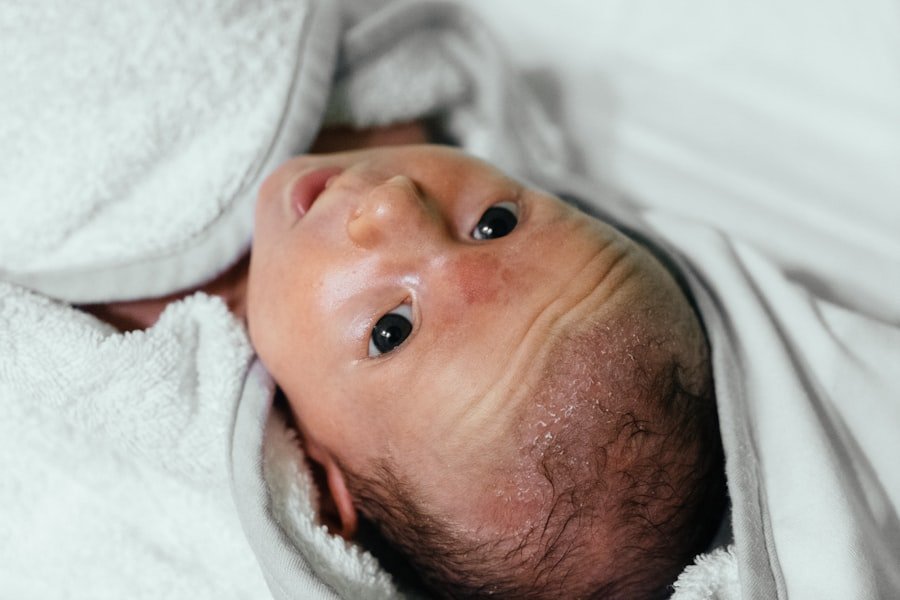
The primary cause of newborn pimples is believed to be hormonal changes that occur during pregnancy and shortly after birth. During the last trimester of pregnancy, maternal hormones, particularly androgens, can cross the placenta and stimulate the baby’s sebaceous glands. This stimulation leads to an overproduction of sebum, which can clog pores and result in the formation of pimples.
In addition to hormonal influences, other factors may contribute to the development of newborn pimples. For instance, the skin of newborns is still adjusting to its environment outside the womb, which can lead to temporary imbalances in oil production and skin cell turnover. Furthermore, exposure to irritants such as soaps, lotions, or even fabrics can exacerbate the condition. It is essential for parents to be mindful of the products they use on their baby’s skin to minimize potential irritants. Another contributing factor could be the presence of bacteria on the skin.
While the skin’s microbiome is essential for maintaining healthy skin, an imbalance in this ecosystem can lead to inflammation and breakouts. However, it is crucial to note that newborn pimples are not caused by poor hygiene; rather, they are a natural occurrence during this stage of development.
How to Treat Newborn Pimples
| Treatment | Description |
|---|---|
| Gentle Cleansing | Use a mild baby soap and warm water to gently cleanse the affected area. |
| Avoid Harsh Products | Avoid using harsh chemicals or adult acne products on newborn skin. |
| Keep Skin Dry | Pat the affected area dry after cleansing to prevent further irritation. |
| Consult Pediatrician | If the pimples persist or worsen, consult a pediatrician for further guidance. |
In most cases, treatment for newborn pimples is unnecessary as they typically resolve on their own without intervention. However, there are several gentle measures parents can take to help manage the condition and promote healthy skin. One of the most important steps is to maintain a clean environment for the baby’s skin.
Parents should gently cleanse their baby’s face with lukewarm water and a mild soap specifically formulated for infants. This helps remove excess oil and dirt without causing irritation. Avoiding harsh chemicals or overly fragrant products is crucial when caring for a newborn’s delicate skin.
Parents should opt for fragrance-free moisturizers if needed but should generally avoid applying heavy creams or oils that could clog pores further. Additionally, it is advisable to avoid scrubbing or picking at the pimples, as this can lead to irritation or infection. If the pimples appear inflamed or if there are concerns about their persistence, consulting a pediatrician or dermatologist may be beneficial.
In some cases, a healthcare professional may recommend topical treatments that are safe for infants. However, most cases of newborn pimples will improve with time and gentle care.
When to Seek Medical Attention for Newborn Pimples
While newborn pimples are usually benign and self-limiting, there are specific circumstances in which parents should seek medical attention. If the pimples become increasingly inflamed, swollen, or painful, it may indicate an infection that requires professional evaluation. Additionally, if there are signs of fever or if the baby appears unwell in conjunction with the skin condition, immediate medical advice should be sought.
In rare cases, persistent or severe acne-like conditions may require further investigation to rule out underlying issues such as allergies or other dermatological conditions. A pediatric dermatologist can provide specialized care and guidance tailored to the infant’s needs.
It is essential for parents to trust their instincts when it comes to their child’s health. If there is any uncertainty about whether a skin condition is normal or requires treatment, seeking professional advice is always a prudent choice.
Preventing Newborn Pimples
Preventing newborn pimples involves adopting practices that promote healthy skin while minimizing irritants. One effective strategy is to ensure that the baby’s skin remains clean and dry. Regularly bathing the infant with lukewarm water and using mild soap can help maintain skin hygiene without stripping away natural oils.
Parents should also be cautious about what comes into contact with their baby’s skin. Choosing breathable fabrics for clothing and bedding can help reduce irritation caused by friction or heat. Cotton is often recommended due to its softness and breathability.
Additionally, avoiding tight-fitting clothing around the face can prevent unnecessary pressure on the skin. Another preventive measure involves being mindful of skincare products used on the baby. Parents should select products specifically designed for infants that are free from harsh chemicals and fragrances.
Conducting patch tests before applying new products can help identify any potential allergic reactions or sensitivities.
Understanding the Difference Between Newborn Pimples and Other Skin Conditions
It is crucial for parents to differentiate between newborn pimples and other skin conditions that may present similarly but require different approaches to treatment. For instance, conditions like eczema or psoriasis can also cause red patches or bumps on an infant’s skin but are typically accompanied by dryness or scaling. Eczema often appears in areas where skin folds occur and may be itchy, while psoriasis tends to have well-defined borders and silvery scales.
Another condition that may be confused with newborn pimples is impetigo, a bacterial infection characterized by honey-colored crusts around sores. Impetigo requires medical treatment with antibiotics and should not be mistaken for benign neonatal acne.
Parents should familiarize themselves with common infant skin conditions and consult healthcare professionals when in doubt about their child’s symptoms.
Supporting Your Newborn Through Skin Changes
Navigating the world of infant skincare can be daunting for new parents, especially when faced with unexpected changes like newborn pimples. Understanding that these blemishes are typically harmless can provide reassurance during this transitional phase. By adopting gentle skincare practices and being mindful of potential irritants, parents can support their newborns through these natural changes in their skin.
Moreover, fostering an environment of open communication with healthcare providers allows parents to address any concerns promptly and effectively. Regular check-ups can help monitor an infant’s overall health and development while providing opportunities for parents to ask questions about skincare and other related topics. Ultimately, supporting a newborn through skin changes involves patience and understanding as they adapt to their new environment.
By prioritizing gentle care and seeking professional guidance when necessary, parents can ensure their little ones remain comfortable and healthy during this critical period of growth and development.
Newborn pimples, also known as neonatal acne, can be concerning for parents but are usually harmless and resolve on their own. However, if you notice any unusual changes in your baby’s skin, it’s important to consult a dermatologist. Dr. Trisha Khanna, a board-certified dermatologist, provides expert advice on various skin conditions affecting newborns. For more information on skin conditions in children, you can visit Dr. Khanna’s article on non-melanoma skin cancer.
FAQs
What are newborn pimples?
Newborn pimples, also known as baby acne, are small red or white bumps that can appear on a baby’s face, usually around the cheeks, nose, and forehead. They are a common and temporary skin condition that typically occurs in newborns.
What causes newborn pimples?
The exact cause of newborn pimples is not known, but it is believed to be related to the hormones passed from the mother to the baby during pregnancy. These hormones can stimulate the baby’s oil glands, leading to the development of pimples.
When do newborn pimples typically appear?
Newborn pimples usually appear within the first few weeks after birth and can last for a few weeks to a few months. They are most common in the first month of life.
Are newborn pimples harmful?
Newborn pimples are not harmful and do not cause any discomfort to the baby. They are a normal part of a baby’s development and typically resolve on their own without any treatment.
How can newborn pimples be treated?
In most cases, newborn pimples do not require any treatment and will go away on their own. It is important to avoid using any harsh or medicated skin products on a baby’s delicate skin. Gentle cleansing with water and mild baby soap is usually sufficient.
When should I be concerned about my baby’s pimples?
If the pimples seem to be getting worse, are accompanied by other symptoms such as fever or fussiness, or if they persist beyond a few months, it is best to consult a pediatrician. In rare cases, newborn pimples may be a sign of a more serious skin condition that requires medical attention.