
Could colder weather secretly sabotage your complexion? While many assume breakouts fade when temperatures drop, dermatologists reveal a surprising truth: harsh seasonal shifts often intensify common skincare struggles. Environmental changes like frigid air and indoor heating create a double threat, stripping natural hydration while triggering oil overproduction.
Dr. Jeffrey Zwerner, MD, explains that low humidity levels weaken the body’s protective outer layer. This disruption leaves pores vulnerable to irritation and inflammation. Indoor heating systems worsen the problem, creating conditions that trap impurities and clog sensitive areas.
Contrary to popular belief, reduced sweat doesn’t guarantee clearer results. Instead, dehydration prompts glands to compensate with excess sebum—a cycle that fuels blemishes. Recognizing these seasonal patterns is the first step toward crafting an effective defense strategy.
Key Takeaways
- Cold weather often worsens common complexion issues despite misconceptions
- Indoor heating reduces moisture levels, triggering oil overproduction
- Hydration barriers weaken in low-humidity environments
- Prevention requires adapting routines to seasonal challenges
- Expert-backed approaches balance moisture retention and pore care
Understanding Winter Skin Changes
Seasonal shifts create a hidden battle for your body’s largest organ. Frigid air and artificial heat sources disrupt natural processes, leading to visible texture changes many find puzzling. Let’s explore why temperature drops transform your complexion’s behavior.
Temperature’s Double-Edged Sword
Outdoor chill reduces humidity levels by up to 60% in some regions. This moisture vacuum pulls hydration from surface layers, weakening protective lipids. Sebaceous glands kick into overdrive, attempting to compensate with thicker oil secretions.
Consider this comparison of environmental impacts:
| Factor | Outdoor Effect | Indoor Effect |
|---|---|---|
| Air Quality | Wind removes protective oils | Heating systems circulate dust |
| Hydration Levels | −40% moisture retention | −25% humidity average |
| Pore Behavior | Constricts temporarily | Expands from sudden warmth |
Artificial Heat’s Hidden Cost
Central heating creates desert-like conditions indoors. This parched environment sips water from your face like a sponge. Many reach for steaming showers, unaware hot water strips essential ceramides faster than snowfall melts on pavement.
Dermatology clinics report 33% more patients seeking help for texture issues between December-February. “It’s not about adding moisture,” explains a New York-based esthetician. “It’s about teaching your face to hold onto it.”
Dry Skin Acne Winter: Causes and Contributing Factors
Ever wonder why blemishes flare up when the air turns crisp? Two hidden culprits work in tandem: cellular debris and oil overproduction. These factors create a perfect storm for complexion troubles during colder months.
Cellular Buildup and Follicle Blockages
Moisture loss transforms surface particles into stubborn glue. Normally, your body sheds millions of microscopic fragments daily. Dehydration makes these particles cling together like Velcro®.
Sticky clusters merge with natural lubricants, forming dense plugs in hair shafts. This process explains why 68% of dermatology patients report texture changes in low-humidity seasons. Follicle blockages trap impurities beneath the surface, setting the stage for inflammation.
Oil Surges in Parched Environments
Your face’s natural response to moisture deprivation often backfires. Sebaceous glands pump out thicker secretions to combat dehydration. This protective measure becomes problematic when excess lubrication mixes with cellular debris.
Consider this breakdown of contributing elements:
| Factor | Role in Blemishes | Common Triggers |
|---|---|---|
| Surface Particles | Create physical blockages | Low humidity, harsh winds |
| Sebum Output | Over-moisturizes follicles | Indoor heating, hot showers |
| Microbial Growth | Fuels inflammation | Compromised barrier function |
Harmful microorganisms thrive in these conditions. A weakened surface defense allows microbes to penetrate deeper layers. This invasion sparks redness and tenderness in vulnerable areas.
Effective Skincare Tips for Winter Acne Prevention
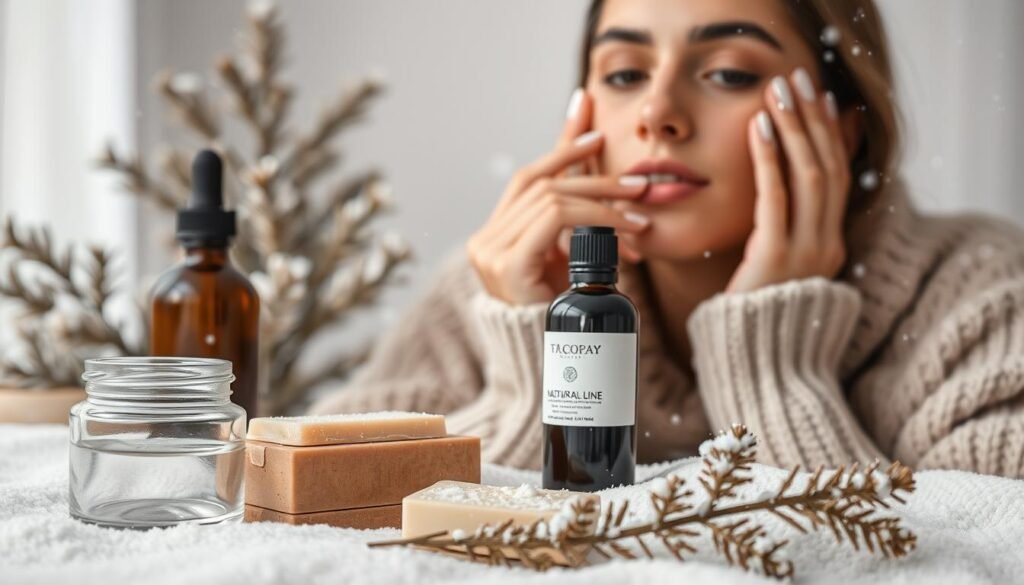
Could your shower routine be sabotaging your complexion? Temperature extremes during cleansing rituals often undermine protective barriers. Strategic adjustments to daily habits can break the cycle of irritation and clogged follicles.
Smart Cleansing Practices
Dr. Jeffrey Zwerner emphasizes water temperature control: “Lukewarm showers under five minutes preserve natural lipids better than steaming sessions.” Harsh soaps strip away moisture-retaining compounds, prompting glands to overcompensate with thicker oils.
Opt for sulfate-free formulas that remove impurities without disrupting pH levels. Look for terms like “cream-to-foam” or “hydrating” on labels. These maintain essential ceramides while dissolving excess sebum.
Ingredient Intelligence
Non-comedogenic formulations form the foundation of effective acne treatment strategies. These specially engineered solutions prevent pore blockages while delivering hydration. Key components to seek:
- Salicylic acid (0.5-2%): Exfoliates dead cells without abrasion
- Benzoyl peroxide (2.5-4%): Targets bacteria beneath the surface
- Hyaluronic acid: Attracts moisture to plump dehydrated areas
Clinical-grade options like CeraVe’s 4% benzoyl peroxide cleanser demonstrate how modern formulations tackle multiple concerns. This product reduces breakouts by 53% in trials while maintaining hydration levels, according to brand studies.
Always follow active ingredients with nourishing moisturizers. Layering products correctly ensures therapeutic benefits without compromising barrier function. Pat—don’t rub—formulas into damp faces to enhance absorption.
Implementing a Consistent Winter Skincare Routine
Daily habits hold the secret to transforming seasonal complexion struggles. Crafting separate morning and evening rituals helps address fluctuating environmental demands while maintaining critical hydration levels. Dermatologists emphasize that visible improvements require 30 days of consistent application – a timeline backed by clinical research.
Building a Morning and Evening Regimen
Start mornings with a sulfate-free cleanser to remove overnight buildup without stripping natural oils. Follow with a thin layer of treatment serum, allowing complete absorption before applying broad-spectrum SPF. “Sun protection remains non-negotiable, even on cloudy days,” notes Dr. Alicia Patel, citing UV radiation’s ability to worsen existing concerns.
Evenings prioritize repair and replenishment. After cleansing, apply night-specific formulas containing ceramides and hyaluronic acid. These ingredients work synergistically during sleep cycles to reinforce moisture barriers. Introduce new products weekly to monitor reactions effectively.
Balancing Exfoliation and Hydration
Chemical exfoliants like lactic acid gently remove dead cells without abrasive scrubbing. Limit use to 2-3 times weekly, alternating with hydrating masks containing colloidal oatmeal. This approach prevents over-drying while maintaining clear pores.
Key components for optimal results:
- Morning focus: Antioxidant protection + UV defense
- Evening focus: Cellular repair + moisture sealing
- Weekly treatments: Targeted exfoliation + deep hydration
Track progress through weekly photos rather than daily mirror checks. Visible changes often emerge gradually, requiring patience and routine adjustments based on your face’s evolving needs.
When to Seek Professional Dermatological Advice
Persistent breakouts despite careful care signal it’s time to consult experts. Telehealth platforms like Teladoc Health streamline access to licensed specialists, offering image-based assessments within 48 hours. This modern approach eliminates wait times while delivering tailored solutions for stubborn concerns.
Indicators for Consulting a Board-Certified Dermatologist
Watch for three key signs requiring expert intervention. First, over-the-counter products failing after 6-8 weeks of consistent use. Second, discomfort affecting daily activities or self-confidence. Third, visible marks suggesting potential scarring.
Consider this comparison of care options:
| Situation | Self-Care | Professional Care |
|---|---|---|
| Mild texture changes | OTC cleansers | N/A |
| Painful inflammation | Cold compress | Prescription therapies |
| Recurring breakouts | Spot treatments | Custom regimens |
Customizing Your Treatment Plan Based on Skin Needs
Board-certified dermatologists analyze multiple factors to create effective strategies. They assess oil production patterns, barrier function, and lifestyle influences. Combination therapies often yield better results than single solutions, especially for body concerns requiring stronger formulations.
Prescription options might include:
- Retinoids to regulate cell turnover
- Antibiotics for bacterial overgrowth
- Specialized cleansers for thicker areas
Follow-up appointments allow adjustments based on progress. “Treatment plans should evolve as your complexion changes,” notes Dr. Emily Torres. Digital consultations maintain continuity of care while adapting to seasonal shifts.
Conclusion
Managing seasonal complexion challenges becomes achievable when you recognize how environmental shifts impact your body’s protective systems. Indoor heating and harsh winds disrupt moisture balance, creating conditions where pores struggle to self-regulate. This imbalance often leads to unexpected flare-ups even in those who typically maintain clear results.
A gentle yet strategic approach makes all the difference. Formulas with hydrating acids and non-comedogenic textures strengthen your natural defenses while addressing impurities. For those navigating cold-weather breakouts, consistency proves more effective than aggressive treatments.
Remember: Visible improvements require time. Many notice changes after 4-6 weeks of steady care. If redness or tenderness persists, dermatologists offer targeted solutions beyond store-bought options.
Your face deserves year-round support. By balancing active ingredients with nourishing elements, you create resilience against seasonal stressors. Stay patient, stay consistent, and let science guide your path to healthier results.