
Did you know that nearly 70% of people who use exfoliating products apply them more than they should? This fact shows why over-exfoliation is a big skincare mistake today.
Exfoliating products have become very popular. But, many people are taking off dead skin cells too much. This hurts their skin’s protective layer. It’s hard to know when you’ve done too much because the problems exfoliation fixes can also be signs of overdoing it.
Seeing dry, flaky patches or sudden breakouts might mean your skin needs exfoliation. But, these signs of skin over-exfoliation can also mean you’re doing too much. This makes it hard to know if you should do more or stop.
Your skin changes for many reasons. Weather, lifestyle, skincare routine, and aging all affect it. Knowing how over-exfoliated skin looks and feels helps you make better choices for your skin.
This article aims to educate you on exfoliation damage and understanding your skin. You’ll learn to spot warning signs, find out what causes over-exfoliation, and discover ways to recover.
Medical Disclaimer: This content is for information only and not medical advice. Skin issues are different for everyone. Always talk to a board-certified dermatologist or healthcare professional for the right diagnosis and treatment.
Key Takeaways
- Over-exfoliation affects nearly 70% of regular exfoliant users who apply products too frequently
- The same skin issues that exfoliation treats can also indicate you’ve over-exfoliated, creating confusion
- Multiple factors including weather, lifestyle, and skincare habits influence how your skin responds to exfoliation
- Recognizing visual and physical signs of barrier damage helps prevent long-term skin problems
- This guide provides educational information to empower better skincare decisions, not replace professional advice
- Consulting a board-certified dermatologist ensures accurate diagnosis and personalized treatment plans
Understanding Over-Exfoliation: An Overview
Your skin goes through a natural renewal every 28 days. This process, called desquamation, is your body’s way of refreshing itself. Knowing how this works helps you avoid harming your skin with too much exfoliation.
There are five layers in your skin, each with its own job. The top layer has dead skin cells held together by oils. These oils keep your skin moist and protect it from harm.
What Happens When You Exfoliate Too Much
Over-exfoliation damage happens when you take off too many skin layers. Your skin can’t keep up with the loss. This weakens your skin’s defenses.
Normally, new skin cells grow and move up to the surface. They then shed naturally. But, too much exfoliation stops this process too soon.
This not only affects the surface but also deeper layers. Losing the lipid barrier means your skin can’t hold moisture. It also can’t protect against harmful things like UV rays and pollution.
Learning about dermatology and skin health helps you understand these protective layers. The skin barrier is like a shield for your body, keeping it hydrated and balanced.
Where Exfoliation Comes From
There are many ways to remove dead skin cells in modern skincare. Knowing these methods helps you avoid using too much.
Exfoliation methods are either physical or chemical. Physical methods include:
- Facial scrubs with microbeads or sugar
- Cleansing brushes and electronic devices
- Exfoliating gloves and cloths
- Natural scrubs with oatmeal or almonds
Chemical exfoliants work by breaking down cell bonds. They are popular for their effectiveness and ease of use. Common ones include alpha and beta hydroxy acids, and retinoids.
Korean beauty routines and at-home peels have made exfoliation more common. Using too many products at once can lead to exfoliation sensitivity.
| Exfoliation Type | Common Examples | Mechanism of Action | Risk Level |
|---|---|---|---|
| Physical | Scrubs, brushes, cloths | Manual removal of surface cells | Medium to High |
| Chemical AHAs | Glycolic acid, lactic acid | Dissolves bonds between cells | Medium |
| Chemical BHAs | Salicylic acid | Penetrates pores, dissolves debris | Low to Medium |
| Retinoids | Prescription retinol products | Accelerates cell turnover | High |
Why Balanced Skincare Matters
Healthy skin comes from supporting, not overwhelming, your body’s natural processes. The protective barrier keeps your skin moist and soft. It also guards against pollution and UV rays.
Exfoliation can be good if done right. It removes excess skin and lets products work better. But, too much can harm your skin’s barrier.
Good skincare is about gentle support, not harsh treatments. Finding the right balance helps your skin stay healthy and prevents exfoliation sensitivity.
Skin barrier restoration is needed when you exfoliate too much. It takes time for your skin to heal. It’s easier to prevent damage than to fix it.
Knowing how your skin works helps you make better choices for your skincare. It shows that your skin can take care of itself, and products should support it, not replace it.
Signs Your Skin May Be Over-Exfoliated
Knowing the signs of over-exfoliation lets you act fast to avoid lasting damage. Your skin tells you when you’re exfoliating too much. By listening to these signals, you can change your skincare routine before it gets worse.
The skin’s protective layer doesn’t stay silent when it’s harmed. Too much scrubbing or chemical treatments show clear signs. These symptoms tell you if your exfoliation is too harsh.
Persistent Redness and Uncomfortable Irritation
It’s normal for your skin to look a bit pink after exfoliating. This usually goes away in an hour. But if the redness lasts for hours or days, your skin is telling you something’s wrong.
When your skin feels itchy and burns, even with water, it’s a sign of trouble. This happens when the outer layer is stripped away. Your skin is then exposed to things it can’t handle.
Using chemical exfoliants too much can cause this. The burning you feel means your skin’s barrier is broken. Even simple actions like drying your face can irritate it more.
Uncomfortable Dryness and Visible Flakiness
Dry, flaky patches can be confusing. Many think they need to exfoliate more. But the truth is, your skin is losing moisture.
When your skin’s lipid barrier is damaged, it loses water fast. Your skin gets dry and rough, with tight, patchy areas. It might look uneven, with some parts peeling.
This creates a cycle. You might want to exfoliate more to get rid of flakes. But doing so only makes things worse. Flakiness means your skin is damaged, not that you need more exfoliation.
Heightened Sensitivity to Regular Products
Over-exfoliated skin reacts to products it used to handle fine. Your favorite moisturizer might sting now. Your trusted serum could cause redness. Even your gentle cleanser might feel harsh.
This happens because your skin’s protective barrier is weakened. Without it, products that were once safe now cause problems. Your skin becomes too sensitive to its surroundings.
Even things like wind or cold air can bother you. This sensitivity goes beyond skincare products. It includes everyday things that healthy skin handles easily. You might even feel burning without using any products.
Unexpected Breakouts and Stubborn Acne
One of the worst signs is getting acne from exfoliating too much. When your skin’s barrier is weak, bacteria can get in. This weakens your skin’s defense against acne.
These breakouts are different from usual acne. You might see small, rough, bumpy clusters that feel textured. The inflammation makes it easy for bacteria to spread and multiply.
Exfoliating over active acne makes things worse. It spreads bacteria, causing stubborn acne that’s hard to treat. This acne lasts longer and is harder to get rid of.
Knowing these signs helps you avoid over-exfoliating. If you notice any of these symptoms, stop exfoliating and let your skin heal. Healthy exfoliation should make your skin smoother and brighter, not cause problems.
Visual Indicators of Over-Exfoliation
Learning to read your skin’s visual language helps you spot over-exfoliation damage before it becomes severe. Your complexion provides clear signals when your exfoliation routine has gone too far. Understanding these visual cues allows you to make timely adjustments to your skincare approach.
The appearance of damaged skin often differs dramatically from healthy, well-maintained complexion. Recognizing these differences empowers you to protect your skin’s integrity. The following subsections detail specific visual changes that indicate excessive exfoliation.
The Deceptive Shine of Altered Texture
One of the most misleading signs of over-exfoliation involves skin texture changes that initially seem positive. Many people mistake the tight, waxy appearance of over-exfoliated skin for a healthy glow. This confusion can lead to continued damage as individuals believe their routine is working effectively.
Over-exfoliated skin develops a peculiar shine that differs significantly from natural radiance. This glossy appearance results from stripping away protective skin cells and natural oils. The underlying skin becomes prematurely exposed, creating an unnatural translucent quality.
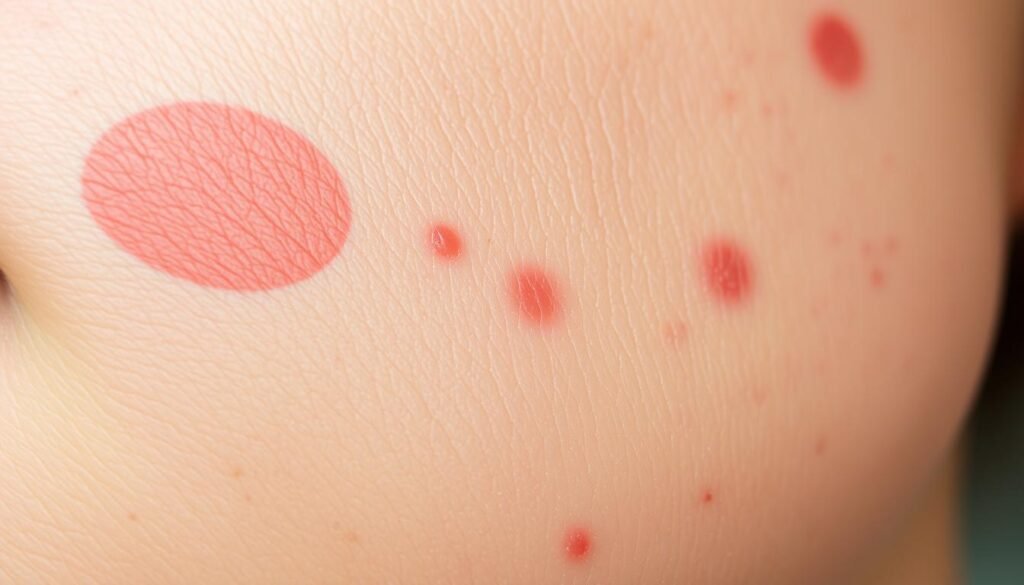
Healthy skin always appears plump, dewy, and properly moisturized. In contrast, over-exfoliated complexions look thin, tight, and unnaturally smooth. The shininess indicates a weakened skin barrier, not genuine vitality.
This facial irritation from exfoliants can progress to painful cracking and peeling. The skin may initially feel smoother than normal, but this smoothness comes from destruction, not improvement. As the skin attempts to repair itself, rough patches resembling sandpaper texture often develop.
The plastic-wrap appearance of over-exfoliated skin represents one of the most commonly misinterpreted signs in dermatology. What appears as radiance is actually exposed, vulnerable tissue lacking its protective layers.
Surface irregularities become evident as some areas appear smoother while others grow rougher. This uneven skin texture reflects the skin’s struggle to restore balance. The dehydrated, patchy quality creates a rash-like appearance that clearly signals distress.
Patchy Coloring and Tone Irregularities
Over-exfoliation creates distinctive uneven skin tone patterns across the face. Discoloration appears as patchy areas where some sections look redder or darker than surrounding tissue. This blotchy appearance results from inflammation occurring in irregular patterns.
Areas that received more aggressive treatment typically show more pronounced color changes. The cheeks and forehead commonly display the most dramatic discoloration. These regions become red, inflamed, and noticeably different from properly protected areas.
Existing hyperpigmentation often becomes more visible after excessive exfoliation. The inflammatory response can trigger melanin production, creating new dark spots. This reaction to facial irritation from exfoliants compounds the aesthetic concerns many individuals hoped to resolve.
The patchy, red blotches characteristic of over-exfoliation differ from temporary post-treatment redness. These persistent color variations indicate deeper damage to the skin’s structure. Time and gentle care become necessary to restore uniform coloration.
Exposed Blood Vessels and Persistent Flush
Aggressive exfoliation can make small capillaries near the skin’s surface become visible. When protective layers are removed, previously hidden blood vessels appear as fine red lines. This visibility affects fair-skinned individuals around the nose and cheeks.
These visible capillaries represent a serious indicator that you need to spot over-exfoliation promptly. The appearance differs significantly from the temporary flush following normal exfoliation. Persistent redness suggests structural compromise requiring immediate intervention.
This type of damaged skin requires considerable healing time. In severe cases, professional dermatological treatment becomes necessary. The exposed capillaries demonstrate how excessive exfoliation penetrates beyond surface layers.
| Characteristic | Healthy Glow | Over-Exfoliated Appearance |
|---|---|---|
| Overall Texture | Plump, dewy, naturally smooth | Tight, waxy, unnaturally glossy |
| Skin Thickness | Normal depth with resilience | Thin, translucent, vulnerable |
| Color Distribution | Even tone throughout face | Patchy, blotchy, irregular redness |
| Surface Feel | Soft, supple, moisturized | Rough patches or plastic-like smoothness |
| Blood Vessel Visibility | Capillaries not prominent | Fine red lines, visible vessels |
Understanding these visual distinctions helps you identify when your skincare routine needs adjustment. The table above provides clear comparisons between healthy skin texture and problematic changes. Use these guidelines to evaluate your complexion regularly and make informed decisions about your exfoliation frequency.
Factors Contributing to Over-Exfoliation
Many things affect how your skin reacts to exfoliation. This includes environmental conditions, lifestyle habits, and daily skincare practices. These factors interact and compound each other, making skin more vulnerable to damage. Understanding these elements helps you protect your skin’s natural barrier.
Your skin’s ability to handle exfoliation changes constantly. This is due to both internal and external influences. What works in one season might be too harsh in another. Knowing these environmental factors and personal variables helps you make informed decisions about exfoliation.
How Climate Affects Your Skin’s Tolerance
Weather conditions greatly impact your skin’s resilience and sensitivity to exfoliation. Humidity levels affect your skin’s moisture content, determining its stress tolerance. In warm, humid months, skin stays hydrated and can handle more exfoliation.
Winter, on the other hand, presents a challenge. Cold, dry skin conditions strip moisture, compromising the protective barrier. Indoor heating and air conditioning further dry out the skin, making over-exfoliation common.
Extreme temperatures, wind, and intense sun weaken your skin’s defenses. These environmental factors make skin less resilient to exfoliation stress. People who spend a lot of time outdoors or live in climates with dramatic seasonal shifts need to adjust their exfoliation frequency.
“The skin barrier is remarkably adaptive, but it needs time and the right conditions to maintain its integrity—external stressors can quickly tip the balance toward sensitivity.”
Internal Influences on Skin Health
Your lifestyle choices greatly impact your skin’s health. Sleep quality is key to skin health—deep sleep repairs cellular damage and strengthens the skin barrier. Poor sleep weakens this barrier, making skin more vulnerable to exfoliation sensitivity.
Chronic stress triggers inflammation, weakening the skin barrier and slowing recovery from exfoliation. Managing stress through exercise, meditation, or other techniques supports skin resilience.
Hydration is critical for maintaining skin moisture. Dehydration from not drinking enough water makes the surface more susceptible to damage from even gentle exfoliation.
Nutritional deficiencies compromise skin integrity in subtle but significant ways. Essential fatty acids, vitamins A, C, and E strengthen the barrier and aid in cellular regeneration. While these lifestyle factors don’t directly cause over-exfoliation, they make skin more vulnerable to damage from exfoliation practices that might be tolerable.
Your Daily Routine’s Hidden Risks
Your skincare routine is the most direct contributor to over-exfoliation. The rise of multi-step routines and powerful at-home treatments has made it easier to overwhelm your skin. Many people don’t realize they’re over-exfoliating because they fail to recognize all the exfoliating ingredients in their products.
The most common mistakes include:
- Using exfoliating products more than one to two times per week for most skin types
- Combining multiple exfoliation methods on the same day, such as a physical scrub followed by a chemical exfoliant
- Layering too many active ingredients like retinol, vitamin C, AHAs, and BHAs simultaneously
- Applying excessive pressure during physical exfoliation or leaving chemical products on too long
- Failing to adjust routines based on seasonal changes or skin’s evolving needs
Hidden exfoliants are found in unexpected places within your skincare routine. Cleansers may contain salicylic acid, toners often feature glycolic acid, and serums frequently include alpha hydroxy acids. Adding a dedicated exfoliating treatment to products already containing these ingredients creates an excessive exfoliation load.
Both oily skin and dry skin types can suffer from over-exfoliation, though for different reasons. People with oily skin often believe they need aggressive, frequent exfoliation to control sebum production. Those with dry skin may exfoliate more trying to remove flakiness, not realizing the flaking itself signals over-exfoliation.
Many interruptions can slow the skin cell turnover process, from a weakened barrier to imbalanced oil production. Pollution particles settling on skin throughout the day add another layer of stress. The key to avoiding over-exfoliation lies in recognizing how all these factors work together, then adjusting your approach to maintain your skin’s delicate balance.
The Role of Age in Skin Sensitivity
Your skin’s ability to handle exfoliation changes with age. This is due to deeper changes in how cells work and how well the skin barrier holds up. Knowing how age affects skin sensitivity helps you choose the right exfoliation frequency and method.
Age-related changes don’t mean you should stop exfoliating. Instead, they mean you need to tailor your exfoliation to your skin’s new needs.
Natural Aging Process
As you age, your skin undergoes several changes that affect its exfoliation tolerance. The biggest change is in skin cell turnover, which slows down with age. Younger skin regenerates in about 28 days, but aging skin takes 40-60 days or more.
This slower skin cell turnover creates a challenge for mature skin. Dead cells build up faster, making exfoliation more beneficial. But, your skin takes longer to recover from over-exfoliation.
Collagen production also plays a key role in aging skin. As you age, your body makes less collagen. This protein keeps skin looking young and tight. Without enough, skin becomes thinner and less resilient.
Additional changes in aging skin include:
- Decreased oil production: Sebaceous glands make less oil, leading to drier skin that’s more prone to damage
- Accumulated sun damage: Years of UV exposure make skin more fragile and reactive to active ingredients
- Hormonal fluctuations: Changes in hormones during perimenopause and menopause increase skin sensitivity
- Reduced elastin: Loss of this protein makes skin less able to bounce back from stress
Changes in Skin Barrier Function
The aging process weakens the skin’s protective barrier. The lipid matrix that holds skin cells together becomes less strong. This makes the barrier more permeable and less effective at keeping moisture in.
The skin barrier is essential for hydration, lipid balance, and supporting natural hydrating factors. As these components break down, skin barrier restoration becomes harder and takes longer.
Natural moisturizing factors (NMFs) that keep skin hydrated decrease with age. These compounds attract and bind water molecules. Their decline makes skin more prone to dehydration, which is worse after exfoliation.
The skin’s pH balance can also change with age, becoming more alkaline. This pH shift makes mature skin more likely to react to exfoliating products, like those with acids or enzymes. A disrupted pH also weakens the skin’s microbiome, reducing its natural defenses.
“The skin’s ability to produce natural antioxidants decreases with age, making it more susceptible to environmental damage and oxidative stress.”
As you age, your skin’s inflammatory response changes. Mature skin may react more to irritants but have a harder time repairing itself. This means over-exfoliation can cause more severe reactions and take longer to heal.
These changes don’t mean you can’t exfoliate safely as you age. Instead, they suggest you need to adjust your approach. Dermatologists often recommend gentler chemical exfoliants and exfoliating less often, like once every 7-10 days instead of twice a week.
Understanding these changes helps you support skin barrier restoration effectively. You can use hydrating serums, barrier-repair moisturizers, and antioxidant treatments to help your skin.
The Impact of Different Exfoliation Methods
Exfoliation methods vary widely, each with unique benefits and risks. The method you choose affects your skin’s response and whether you get renewal or irritation. Knowing these methods helps you choose the right skincare routine.
Exfoliation falls into two main categories: mechanical and chemical. Both can be effective, but they work differently. The right method depends on your skin type and how often you use it.
Manual Scrubbing Techniques
Physical exfoliation removes dead skin cells through friction. It uses tools and materials to buff away the skin’s outer layer. This method is immediate and satisfying for many.
Facial scrubs use small particles to create friction. Cleansing brushes sweep away dead cells. Exfoliating gloves or cloths offer gentle buffing during cleansing.
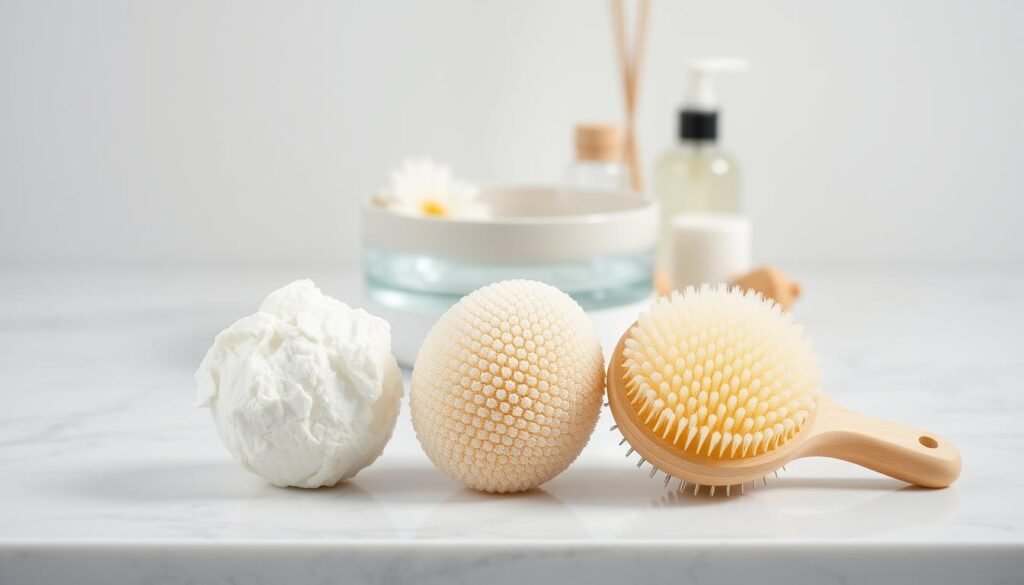
Microdermabrasion uses fine crystals for professional-grade abrasion. Gommage or peeling gels lift away dead cells as you rub them on your skin.
Physical exfoliation offers immediate benefits. You can feel the process happening and see results right away. It removes visible flaking and provides instant smoothness.
But, physical exfoliation has drawbacks. Scrubs can cause microtears in the skin if used too hard. It’s hard to control the level of exfoliation, depending on your technique.
People with sensitive skin or active acne face more risks. Physical scrubbing can spread bacteria and worsen inflammation. The pressure can be uneven, leading to over-exfoliation in some areas.
Acid-Based Treatments
Chemical exfoliation dissolves dead skin cells without friction. Dermatologists often prefer it for its controlled action.
There are two main types of chemical exfoliants: AHAs and BHAs. AHAs work on the skin’s surface and are water-soluble. BHAs penetrate pores because they’re oil-soluble.
| Acid Type | Common Examples | Best For | Key Benefit |
|---|---|---|---|
| AHAs | Glycolic acid, Lactic acid, Mandelic acid | Dry and sensitive skin | Surface renewal and hydration |
| BHAs | Salicylic acid | Oily and acne-prone skin | Pore penetration and oil control |
| Combined | Multi-acid formulas | Normal to combination skin | Comprehensive exfoliation |
Glycolic acid penetrates deeply and works quickly. Lactic acid offers gentle exfoliation with hydration. Mandelic acid is the gentlest option, working slowly.
Salicylic acid is great for oily skin and preventing acne. Its oil-soluble nature helps break down sebum and clear pores.
Chemical exfoliants offer many benefits. They provide controlled and consistent results without relying on technique. These acids treat deeper layers and offer anti-aging benefits that physical scrubs can’t match.
But, chemical exfoliation has its risks. It’s easy to overuse without realizing the damage. You won’t feel the exfoliation happening, which can lead to unnoticed damage.
Many products now contain multiple acids. Using an AHA toner, BHA serum, and retinoid at night can cause exfoliation overload. This increases the risk of damage.
Experts suggest trying AHAs and BHAs separately to find what works for you. If you use both, alternate days and include rest days to avoid over-exfoliating.
Dangers of Excessive Use
Overusing any exfoliation method can cause serious skin problems. These issues can take weeks to resolve. Knowing these risks helps you avoid harmful overuse.
Too much exfoliation removes too many protective layers. This disrupts the skin barrier and strips natural oils. The disrupted pH balance triggers inflammation.
The consequences of overuse include:
- Increased transepidermal water loss leading to severe dehydration
- Vulnerability to bacterial infections and environmental damage
- Excessive skin peeling that exposes raw, sensitive layers
- Prolonged chemical peel recovery time when acids are overused
- Persistent redness and inflammation that won’t resolve quickly
Combining different exfoliation methods increases these dangers. Using a scrub and then an acid toner is like exfoliating twice. Many people unknowingly layer multiple exfoliating products.
Individual tolerance varies based on several factors. Your skin type, age, genetics, and environment all play a role. What works for one person might harm another, even with the same routine.
The key to safe exfoliation is moderation and careful observation. Start with less frequent application and increase only if your skin responds well. Watch for subtle warning signs before they become obvious damage.
Recovery Strategies After Over-Exfoliation
When you notice your skin has been over-exfoliated, it’s time to act fast. Your skin needs gentle care and a change in your skincare routine. Starting treatment right away can help your skin heal faster and avoid more problems.
This guide aims to help you understand how to recover. But, if you have severe reactions or symptoms that don’t go away, you should see a doctor.
Immediate Care Tips
The first 24 to 48 hours are critical after realizing your skin has been over-exfoliated. Your main goal is to calm the inflammation and prevent further damage. You shouldn’t try to “treat” the condition right away.
Stop all exfoliation immediately. This means no more physical scrubs, chemical exfoliants, or products with active ingredients like retinoids or acids. Your skin needs a break from these treatments.
Use a cold compress on areas that feel hot or burning. A cool, damp cloth held against the skin for 10 to 15 minutes can help right away. Repeat this several times a day as needed.
If you have a lot of redness and inflammation, try using a 1% hydrocortisone cream. You can buy this over the counter. Apply a thin layer to the most affected areas twice a day for no more than three days in a row.
Pure aloe vera gel can also help soothe your skin during the early stages of recovery. If your skin is very raw or open, using gel directly from an aloe plant might be gentler than commercial products that can sometimes irritate.
Here are the essential steps for immediate care:
- Cleanse only with lukewarm water or a non-foaming, gentle cleanser without active ingredients
- Apply rich, fragrance-free moisturizer or healing emollients like Aquaphor to severely affected spots
- Avoid all makeup to allow skin to breathe and heal
- Protect compromised skin from sun exposure with a gentle mineral sunscreen or by staying indoors
- Resist touching or picking at irritated areas, which can introduce bacteria and delay healing
Remember, less is more during this acute phase. Avoid overloading your skin with products, even if they’re good for you, as it can overwhelm the compromised barrier.
Long-Term Recovery Protocols
Fixing over-exfoliated skin usually takes two to four weeks, which is one complete skin cell cycle. Being patient is key during this time, as rushing can set you back.
Your skin might look worse before it gets better. This is normal as it heals. Don’t use exfoliants to “fix” texture issues, as this will only make recovery longer.
Switch to a simple routine that focuses on hydration and barrier repair. Use a cream or oil-based cleanser that doesn’t foam, as foaming agents can strip natural oils from already vulnerable skin.
Layer your products carefully for the best results. Start with a hydrating serum containing hyaluronic acid, which can hold up to 1,000 times its weight in water. This ingredient addresses tightness, flaking, and irritation effectively.
Follow with a nourishing face oil that mimics your skin’s natural sebum. Ingredients like squalane, jojoba oil, and marula oil are excellent choices for gentle skincare during recovery.
Seal everything with a ceramide-rich moisturizer. Ceramides are lipids that naturally occur in skin and play a vital role in barrier function. Replenishing them helps rebuild the protective layer that over-exfoliation has damaged.
| Recovery Phase | Key Ingredients | Products to Avoid | Expected Results |
|---|---|---|---|
| Week 1-2 | Hyaluronic acid, squalane, ceramides, peptides | All exfoliants, retinoids, fragrances, vitamin C serums | Reduced redness, less burning sensation |
| Week 3-4 | MSM, antioxidants, vitamin E, barrier repair oils | Physical scrubs, chemical acids, harsh cleansers | Improved texture, restored barrier function |
| Post-Recovery | Gentle vitamin C, gradual reintroduction of actives | Over-exfoliation, multiple actives at once | Return to baseline texture and resilience |
Additional beneficial ingredients for skin recovery include peptides, which boost collagen production while decreasing redness and inflammation. MSM (methylsulfonylmethane) inhibits collagen breakdown and reduces inflammatory responses.
Antioxidants like vitamins C and E combat oxidative stress and support your skin’s natural repair mechanisms. Wait until initial redness subsides before introducing a gentle vitamin C serum to avoid irritation.
During the entire recovery period, avoid all active ingredients including retinoids, exfoliating acids, and any fragranced products. Your skin’s baseline texture—the way it felt before over-exfoliation—is your target, and this differs from person to person.
Consulting a Dermatologist
While mild cases of treating exfoliated skin damage can be managed at home, some situations need professional medical attention. Knowing when to seek help is key to responsible skincare.
Schedule a dermatology appointment if you notice any of these warning signs:
- Signs of infection, including increased warmth, pus formation, or redness spreading beyond the original area
- Severe pain that doesn’t improve with basic care measures
- Skin reactions that worsen despite discontinuing all exfoliating products
- No visible improvement after two to three weeks of gentle skincare
- Extensive skin peeling, cracking, or bleeding
- Uncertainty about whether symptoms indicate over-exfoliation or another skin condition
A dermatologist can assess your barrier damage and determine the severity of your condition. They may prescribe stronger barrier repair creams or short-term topical steroids for severe inflammation.
Professional advice is invaluable for personalized care. Dermatologists consider your individual skin type, the severity of damage, your medical history, and any underlying conditions that might affect healing.
They can also treat complications like secondary infections or persistent hyperpigmentation that sometimes develop after severe over-exfoliation. This level of individualized care goes beyond what general information can provide.
During your appointment, be ready to discuss your complete skincare routine, including all products used in the weeks leading up to the reaction. This helps identify specific triggers and prevents future episodes.
Remember, healing damaged skin is a gradual process that cannot be rushed. Whether you manage recovery on your own or with professional help, being consistent and patient are your most valuable tools for restoring healthy, resilient skin.
Preventive Measures to Avoid Over-Exfoliation
Preventing over-exfoliation is easier than fixing the damage it causes. It’s about respecting your skin’s natural cycle. By adopting smart habits, you can enjoy exfoliation without harming your skin.
Your skin sheds dead cells naturally, taking about 28 days. This means some people might not need to exfoliate at all. Knowing this cycle helps you decide when and how often to exfoliate.
Establishing a Balanced Skincare Routine
Start with gentle exfoliation. Exfoliate once per week when your skin is fully recovered. Stick to this for 2-3 weeks to see how your skin reacts.
If your skin is okay after a few weeks, you can try exfoliating twice a week. But always wait 3-4 days between sessions to let your skin heal.
Remember, use either physical or chemical exfoliation, not both at once. Mixing them can damage your skin barrier. Many people unknowingly harm their skin by using both a scrub and an acid toner together.
The best skincare routine is not the most complex one, but the one that works consistently for your unique skin needs.
Build your routine around these basics:
- Morning: gentle cleanser, hydrating serum, moisturizer, broad-spectrum sunscreen
- Evening: cleanser, treatment products, moisturizer
- Exfoliation days: replace your evening cleanser with your chosen exfoliant 1-2 times per week
Watch for hidden exfoliation in your routine. Many products contain AHAs, BHAs, or retinoids without saying so. Using too many products with these ingredients can overload your skin.
Check your entire routine and read labels carefully. You might find many products with gentle exfoliation. Keep a skincare journal to track your products and any reactions. This helps you spot over-exfoliation early.
Choosing the Right Exfoliant for Your Skin Type
Choose an exfoliant that matches your skin type. This prevents problems and gets better results. Try both AHAs and BHAs to see what works for you, then stick to it.
Start with a gentle lactic acid exfoliator one week, then switch to salicylic acid the next. Pay attention to how your skin reacts. If you notice redness, peeling, or tingling beyond 30 seconds, cut back right away.
| Skin Type | Recommended Exfoliant | Ideal Frequency | Special Considerations |
|---|---|---|---|
| Dry or Sensitive | Lactic acid (AHA) or PHAs, soft konjac sponges | Once weekly or every 10 days | Choose the mildest formulations available and avoid scrubs entirely |
| Oily or Acne-Prone | Salicylic acid (BHA) | 1-2 times per week maximum | BHAs penetrate pores effectively but watch for overdrying signs |
| Combination | Mandelic acid or spot-treat with different acids | Once weekly, adjusting by zone | Consider using BHA on T-zone and AHA on drier areas |
| Mature | Glycolic acid (AHA) or retinoids | Once weekly only | Gentler is always better for thinner, aged skin that takes longer to recover |
Sensitive and dry skin types often prefer lactic or glycolic acids in low concentrations. These gentle exfoliants provide benefits without stripping the skin. Oily or acne-prone skin does well with salicylic acid, which can penetrate oil-filled pores and control sebum production.
Special concerns require modified approaches. If you have rosacea, avoid physical exfoliation and consider gentle enzyme exfoliants instead of acids. For eczema or psoriasis, only exfoliate during non-flare periods and always consult your dermatologist first.
Those dealing with hyperpigmentation should remember that consistent, gentle exfoliation beats aggressive treatment every time. AHAs are typically most effective for evening out skin tone, but patience is essential.
Listening to Your Skin’s Needs
Pay attention to your skin’s signals to adjust your routine before problems develop. Your skin communicates through signs and sensations. Learning this language prevents damage and helps you spot over-exfoliation early.
Positive signs mean your exfoliation routine is working well:
- Skin feels smooth but not tight or uncomfortable
- Subtle glow appears without excessive shininess
- Products absorb easily without pilling or sitting on the surface
- Makeup applies smoothly with even texture
- No persistent redness or sensitivity to regular products
Warning signs mean you need to reduce frequency or stop temporarily:
- Tingling or burning lasting beyond 30 seconds after application
- Redness persisting more than one hour after exfoliation
- Tight, uncomfortable feeling throughout the day
- Dry patches or unexpected flaking between exfoliation days
- Increased breakouts or worsening acne
- Sudden sensitivity to previously tolerated products
- Shiny or waxy appearance indicating compromised barrier function
Remember, your skin’s needs change with circumstances. Reduce exfoliation in winter when air is dry and harsh. You may tolerate more gentle exfoliation during humid summer months when skin naturally has more moisture.
Stress levels impact skin reactivity. Stressed skin becomes more sensitive and prone to inflammation. Hormonal changes during menstrual cycles can make skin temporarily more reactive during certain phases.
Environmental factors also play important roles. Traveling, climate changes, and increased sun exposure all affect how well your skin tolerates exfoliation. View your skincare routine as a dynamic practice requiring regular assessment, not a rigid schedule to follow blindly.
Here’s a liberating truth: not everyone needs to exfoliate regularly. Some people’s skin naturally sheds dead cells efficiently and may actually do better with minimal intervention. There’s no award for using the most products or following the most complex routine. Simple, consistent care often delivers better results than elaborate regimens.
Generally, skin should be exfoliated only one to two times per week to help expedite cell turnover without causing damage. If your skin looks healthy, feels comfortable, and shows no concerning signs, you’ve found your ideal balance. Trust that equilibrium and resist the temptation to do more simply because skincare trends suggest it.
When to Seek Professional Help
Knowing when to seek medical help for over-exfoliation is key to protecting your skin. Many cases can be treated at home, but some need a dermatologist’s help. Recognizing the warning signs is important for your skin’s health.
This article provides educational information but is not a substitute for professional medical advice. Each skin condition is unique. Always see a board-certified dermatologist or a qualified healthcare professional for accurate diagnosis and treatment.
Signs That Require Professional Evaluation
Several signs suggest you need professional help for facial irritation from exfoliants. Severe symptoms need immediate attention. Watch for these warning signs carefully.
If symptoms worsen despite stopping exfoliation, seek help quickly. Severe redness, pain, or widespread peeling indicate serious damage. Raw skin areas need professional treatment to avoid complications.
Signs of infection require urgent medical attention. These include increasing warmth and tenderness in affected areas. Yellow or green discharge, crusting, or expanding redness with defined borders signal infection.
Fever or feeling generally unwell alongside skin symptoms requires immediate care. Don’t delay seeking help if infection symptoms appear.
Adverse reactions to recovery treatments also need professional evaluation. Allergic reactions to products, development of hives or swelling, or breathing difficulties need emergency care. These situations can escalate quickly without proper intervention.
Persistent problems indicate the need for expert guidance. If you see no improvement after two to three weeks of proper recovery care, consult a dermatologist. Recurring over-exfoliation despite reducing frequency suggests underlying issues.
Chronic sensitivity even to gentle products may signal a deeper skin condition. Professional diagnosis helps identify the root cause. Sometimes what appears as over-exfoliation masks other dermatological concerns.
Uncertainty about your symptoms justifies a professional visit. If you’re unsure whether symptoms stem from over-exfoliation or another condition, get evaluated. Pre-existing conditions like rosacea or eczema complicate recovery and need specialized care.
Significant scarring or pigmentation changes developing from over-exfoliation require professional treatment. These issues often need prescription interventions to resolve properly.
Psychological factors matter too. If skincare concerns significantly impact your quality of life, professional guidance helps. Dermatologists establish healthier routines and realistic expectations. Seeking help isn’t failure—it’s responsible skin health management.
What Professional Care Involves
Understanding available professional treatment options helps you know what to expect. A dermatologist will conduct a thorough assessment of your situation. This examination forms the foundation for effective treatment.
The initial evaluation includes several components. Your dermatologist examines your skin’s current condition closely. They review the products and routines that led to over-exfoliation.
Assessment of barrier damage extent helps determine treatment intensity. Checking for secondary complications like infection or contact dermatitis guides the approach. Diagnostic tests may be performed if another condition is suspected.
Treatment approaches vary based on severity and individual needs. Prescription barrier repair treatments accelerate healing significantly. These may include prescription ceramide creams or growth factor serums.
Short-term topical corticosteroids address severe inflammation effectively. These are used cautiously and briefly to avoid side effects. Prescription moisturizers offer medical-grade hydration beyond over-the-counter options.
Complication treatment addresses specific issues that arise. Antibiotics may be prescribed if infection has developed. Post-inflammatory hyperpigmentation receives targeted treatments if discoloration occurs.
Long-term management plans prevent future problems. Your dermatologist provides guidance on safely reintroducing products. They recommend appropriate exfoliation frequency and methods for your skin type.
Monitoring for recurring issues ensures sustained improvement. Professional treatments may support recovery beyond prescription products. Gentle LED light therapy reduces inflammation and stimulates healing.
Hydrating facial treatments become options once the acute phase passes. Follow-up visits monitor progress and adjust treatment as needed. This ongoing care optimizes results.
Prepare for your appointment to maximize its value. Bring all products you’ve been using recently. Photograph your skin at its worst if appearance has improved by appointment time.
Write down questions or concerns beforehand so nothing gets forgotten. This preparation helps your dermatologist provide the most effective care. Professional guidance can identify solutions not apparent to individuals managing care alone.
Myths and Misconceptions about Exfoliation
Many popular beliefs about exfoliation are not just wrong—they’re harmful to skin health. The beauty industry has made it confusing. Dry, flaky skin and breakouts might seem like reasons to exfoliate more. But they could be warning signs that your skin needs a break instead.
One tricky symptom is the tight, waxy texture on over-exfoliated skin. This can be mistaken for a healthy glow. But it’s actually a sign of very dry, exposed skin. Knowing these myths helps you make better decisions for your skin’s health.
Common Misunderstandings
The biggest misconception is that more equals better results. This drives many cases of over-scrubbing symptoms and damaged skin barriers. Exfoliation follows a curve of diminishing returns—some provides benefits, but too much causes harm.
Another myth is that skin should feel tight and “squeaky clean” after exfoliating. This tight sensation actually indicates over-stripping and damage to your protective barrier. Healthy skin after treatment should feel smooth and comfortable, not stretched or uncomfortable.
Many people believe they should exfoliate until all dead skin is gone. The truth is that some dead skin cells serve necessary protective functions. Your goal should be removing excess buildup, not achieving completely “raw” new skin that leaves you vulnerable to environmental damage.
Here are the most common exfoliation myths that lead to skin damage:
- Oily or acne-prone skin can handle daily exfoliation: Even oily skin has a protective barrier that can be compromised. Over-exfoliation actually worsens acne by triggering inflammation and potentially spreading bacteria across your face.
- Natural or physical exfoliants are always gentler: Physical scrubs can create microscopic tears in your skin. Properly formulated chemical exfoliants often provide more gentle and controlled results than harsh scrubs.
- You must exfoliate to prepare skin for products: While some exfoliation enhances absorption, too much compromises your skin’s ability to use products effectively because the barrier is damaged.
- That waxy shine means your skin is glowing: True radiance appears plump, dewy, and resilient. The concerning shine of over-exfoliated skin looks tight, thin, translucent, and fragile.
- Once you start, you can’t stop without consequences: Your skin naturally exfoliates itself through desquamation. Taking breaks from active exfoliation isn’t harmful—some people’s skin functions best with minimal intervention.
The confusion between treatment goals and over-scrubbing symptoms creates a vicious cycle. People see dryness or breakouts and assume they need more exfoliation. But their skin is actually crying out for rest and repair. Learning to recognize this difference is essential for maintaining healthy skin.
The Importance of Education in Skincare
These misconceptions persist because of powerful forces in the beauty industry and social media. Proper skincare education helps you navigate these influences and make informed decisions about your routine.
Marketing messages create significant confusion about proper exfoliation needs. Beauty brands emphasize that more products and intensive treatments equal better skin, creating pressure to constantly do more. Before-and-after photos often show immediate post-exfoliation results that may actually reflect temporary irritation.
Ingredient lists add another layer of confusion. Labels featuring “natural” or “gentle” descriptions may apply to products that are neither. This misleading terminology makes it harder for consumers to identify truly appropriate products for their skin type.
Social media platforms amplify these exfoliation myths in several ways:
- Influencers showcase multi-step routines incorporating multiple exfoliants without discussing possible risks or recovery needs.
- Viral trends promote aggressive treatments without proper context about long-term consequences.
- The echo chamber effect repeats and amplifies incorrect information until it seems like established fact.
Quality skincare education requires seeking information from qualified sources. Board-certified dermatologists, licensed estheticians with continuing education, and peer-reviewed research provide reliable guidance. Established medical institutions offer evidence-based recommendations.
Developing critical thinking about skincare advice protects you from harmful misconceptions. Ask yourself whether information is designed to sell a product. Check if claims are supported by credible sources.
Remember that skin is highly individual—be skeptical of universal advice. Simpler routines often prove more effective and sustainable than complex regimens featuring multiple exfoliating products.
Effective skincare education empowers you to make several important distinctions. You learn to recognize when marketing has crossed into misleading territory. You develop understanding of your individual skin’s needs and responses.
Education also helps you know when to seek professional guidance instead of attempting to self-treat complex issues. While dermatologists maintain that exfoliation is a great and sometimes necessary way to shed dead skin cells and reveal fresh, radiant skin, the recent popularity of cell-scrubbing cleansers, toners, grains, and serums means many people are exfoliating too much and too often.
The reality is that your skin exfoliates itself naturally. Some people might not need to actively exfoliate at all. Understanding this fundamental fact helps you approach exfoliation with appropriate caution.
Conclusion: Finding Your Skin’s Balance
Exfoliation is best when done in moderation. Your skin sheds dead cells naturally. Sometimes, you just need a little help.
When you exfoliate right, your skin looks clearer. But using too many exfoliators or products too often can harm your skin.
The main idea is simple: less is more. Keeping your skincare routine balanced helps avoid redness and irritation. This happens when you take off too many cells.
The Value of Time and Consistency
Getting healthy skin takes time. Your skin regenerates every 28 days. Real changes take time to show.
When you over-exfoliate, your skin might look worse before it gets better. Don’t add more products or treatments. Simple, consistent routines work better than aggressive ones.
Building Sustainable Habits
Support your skin’s natural processes instead of fighting them. Pay attention to how your skin feels and looks every day. Change your routine if needed.
A strong skin barrier is key for all your skincare goals. This article aims to educate you. Always talk to a board-certified dermatologist for personalized advice.
You now know how to spot signs of over-exfoliation and how to recover. Treat your skin gently and work with its natural rhythms. These steps will help you keep your skin healthy for years.