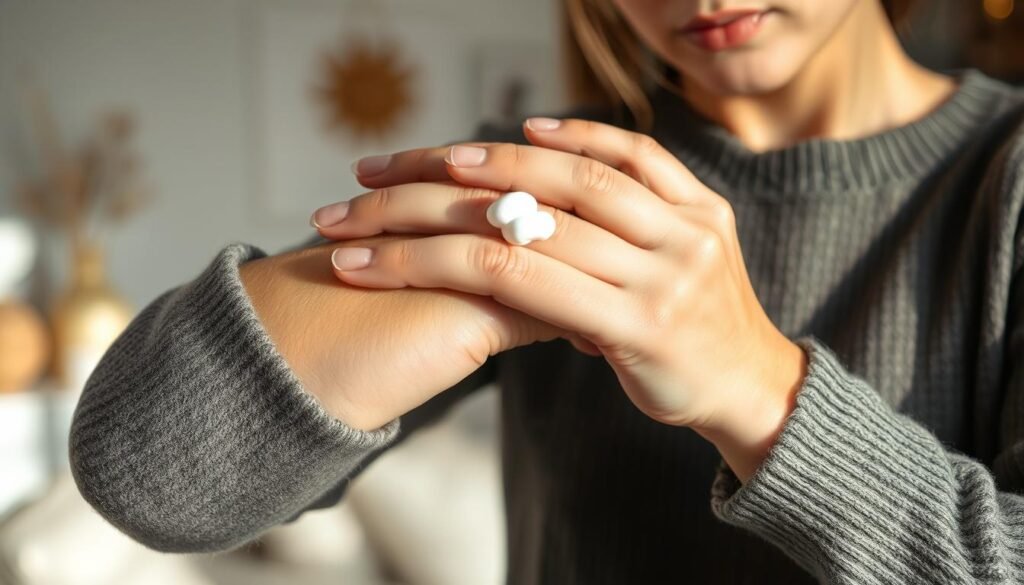
Did you know that up to 98% of people confuse dehydrated skin with naturally dry skin? Your face might feel tight and look flaky. But, the real cause could be different. Knowing the difference can change how you take care of your skin all year.
Many things can change your skin. Weather, daily habits, what products you use, and aging all affect it. Some problems fix quickly with small changes. Others might mean you need professional help.
This guide shows you how to spot signs of dry skin. You’ll learn what dehydrated skin looks like and why it happens. You’ll also know when changes might mean something serious. It’s all about recognition and understanding, not guessing.
Dehydrated skin just needs water—it’s not a permanent skin type. Even oily skin can get dehydrated. The best news? Fixing it often starts with lifestyle changes that help from the inside out.
Medical Disclaimer: This info is for learning and education only. It’s not medical advice. Skin issues are different for everyone. Always see a board-certified dermatologist or healthcare expert for a real diagnosis and treatment.
Key Takeaways
- Dehydrated skin is a temporary condition caused by water loss, not a permanent skin type that anyone can experience
- Weather patterns, lifestyle habits, and product choices significantly impact your complexion’s moisture levels throughout the year
- Understanding the difference between dehydrated and dry skin helps you choose more effective treatment approaches
- Recognizing early signs of moisture loss enables faster intervention with targeted lifestyle and skincare adjustments
- Professional evaluation remains essential, as some skin changes may indicate underlying health conditions requiring medical care
- Effective treatment typically combines internal hydration strategies with external skincare modifications for lasting results
Understanding Seasonal Skin Dehydration
The seasons change, and so does your skin’s moisture. Temperature, humidity, and indoor air affect your skin. This can cause temporary dehydration, impacting everyone differently.
Knowing why your skin dehydrates helps you fix it. It’s not just like other skin problems. Getting advice from experts is key to finding the right care for you.
Water Deficiency in Your Skin
Skin dehydration happens when your skin loses more water than it takes in. Healthy skin has about 30% water, which keeps it elastic and strong. When this drops, your skin can’t protect itself well.
This is a temporary skin concern, not a permanent issue. Cold, dry weather is a big cause, but other things can also affect your skin.
Internal factors like too much caffeine or certain meds can also dry out your skin. Exercise that makes you sweat is another factor. These can make your skin look and feel different.
Distinguishing Dehydration from Chronic Dryness
Many confuse dehydrated skin with dry skin. But they’re different. Dehydrated skin lacks water, while dry skin lacks natural oils. Choosing the right products is important.
Dry skin is a genetic skin type. It’s about how your glands work. Your skin type can change with age or hormones, but it’s mostly the same.
Dehydrated skin is different. It can happen to anyone, even if you have oily skin. You might have both dry and dehydrated skin, needing to care for both.
Treating dehydrated skin involves drinking more water and using products that lock in moisture. Dry skin needs oil-based moisturizers to replace lost oils. Knowing the difference helps you choose the right treatment.
Environmental Factors and Skin Moisture
Weather affects your skin’s moisture all year. Cold weather means less moisture in the air. Winter is usually the toughest time for skin hydration in the U.S.
Heating systems dry out the air inside, making it harder to keep your skin moist. This is why your skin might feel tighter and look duller when it’s cold.
Wind also harms your skin’s moisture barrier. It makes your skin lose moisture faster and can damage the outer layer. Seasonal changes are the hardest on your skin.
Summer affects your skin differently. Air conditioning and sun exposure can dry out your skin. Knowing how seasons impact your skin helps you take better care of it.
Everyone reacts differently to seasonal dehydration. It depends on your genes, health, lifestyle, and skin. This is why getting advice from skincare experts is so important. They can help you find the right care for your unique situation.
Common Signs of Seasonal Skin Dehydration
Dehydrated skin shows clear signs that differ from other skin issues. Spotting these symptoms early helps tackle winter skin dryness before it worsens. Everyone’s skin reacts differently to the seasons, but some patterns are common among those who lose moisture.
Changes in your skin’s look and feel are key indicators. These signs start to show as the weather gets colder and the air drier. Knowing what to look for lets you act fast and change your skincare routine.
Surface Changes and Tactile Differences
Without enough water, your skin becomes rough and scaly. This is different from normal skin shedding. It loses its softness and feels rough to the touch, causing discomfort all day.
Unlike dry skin, dehydrated skin looks bumpy and raised. It feels hard and less soft than usual. This uneven surface makes makeup hard to apply, causing it to look uneven.
Your skin might feel tight and stiff, even after washing. This tightness gets worse as the day goes on. It shows your skin’s moisture barrier isn’t working right to keep water in.
Dehydrated skin is a condition, not a skin type. It’s a lack of water, not oil, which means even oily skin types can experience dehydration.
Heightened Reactivity and Discomfort
Dehydration weakens your skin’s protective layer, making it more sensitive. When your skin’s balance is off, it can’t fight off outside stressors well. This leads to redness, inflammation, and irritation.
Your face might be sensitive to touch, making even gentle cleaning painful. Climate-induced skin problems can cause itchiness that doesn’t go away with moisturizing. The barrier lets irritants in more easily, causing reactions to products you used to tolerate.
Things that usually don’t bother you can suddenly cause problems. Wind, heaters, and certain fabrics can make your skin uncomfortable. This shows your skin needs more hydration to protect itself.
Visual Indicators of Moisture Deficiency
Dehydrated skin looks tired and dull, affecting your whole look. It often looks greyish and lacks shine. This dullness is more noticeable in bright light.
Dark circles under your eyes get more noticeable without enough water. The area under your eyes can look sunken, making you look older. The skin around your eyes may feel thin and look puffy at the same time.
Dehydration lines are fine lines caused by water loss, not aging. They look like tiny lines, often around your eyes and forehead. When you pinch your cheek, dehydrated skin takes longer to spring back.
Signs of dehydration aren’t just on your face. Dry eyes, chapped lips, and not enough saliva are all signs of dehydration. These symptoms often go hand in hand with facial winter skin dryness and need attention.
The blanching test is a simple way to check. Press hard on your cheek for a few seconds, then let go. If the white mark takes a long time to fade, it means your skin is dehydrated.
Factors Contributing to Seasonal Skin Changes
Understanding moisture loss helps protect your skin better. Seasonal dehydration comes from many causes. These factors work together to affect your skin’s hydration.
What affects one person might not affect another. Knowing your personal triggers helps in prevention and treatment.
Environmental Triggers
External conditions play a major role in moisture loss. Cold air holds less water vapor than warm air. This makes winter air dry.
Harsh winds strip moisture from your skin. This removes the lipid layer that prevents water loss. Repeated exposure makes your skin more vulnerable.
Indoor heating systems also reduce humidity. Most homes have humidity below 30%, while skin prefers 50%. This gap causes environmental skin damage.
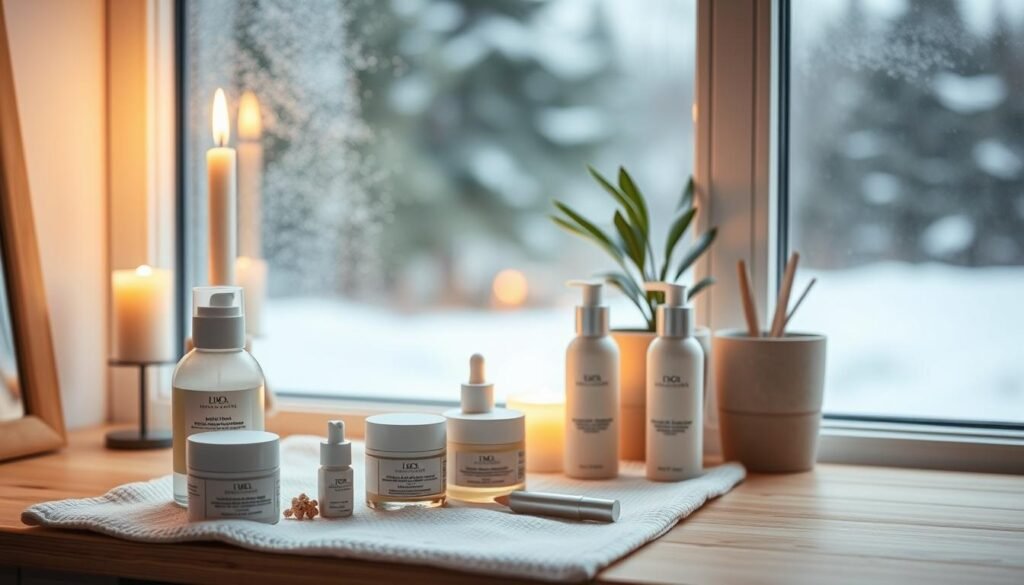
Temperature changes stress your skin. Moving between cold air and warm indoor air disrupts hydration. This affects your skin’s barrier function.
UV radiation is a concern in winter too. Many people forget to protect their skin from the sun. This environmental skin damage affects your moisture barrier all year.
Skincare Routine Adjustments
Your daily skincare impacts hydration. Summer routines can be too harsh in winter. You need to adjust your cold weather skin care as seasons change.
Harsh cleansers remove natural oils. Products with sulfates or strong surfactants harm your skin. This makes it hard for your skin to stay hydrated.
- Over-exfoliation removes protective layers faster than skin can regenerate them
- Products with drying alcohols or fragrances evaporate moisture and irritate compromised barriers
- Excessively hot water during cleansing disrupts lipid structures that seal in hydration
- Failure to adjust product types seasonally means using formulations unsuited to current needs
For cold weather skin care, use richer moisturizers and gentler cleansers. What feels luxurious in summer might not be enough in winter. Adjusting your routine seasonally helps.
Timing is key when applying moisturizer. Apply it to damp skin to trap water. Layering hydrating products is more effective than using a single cream.
Dietary Influences
What you eat affects your skin’s moisture. Your diet impacts your body’s water balance, which shows on your skin.
Drinking enough water is essential. Most adults need eight glasses a day. Not drinking enough water affects your skin first.
Caffeine can dehydrate you. Coffee, tea, and energy drinks increase urination. Drinking too much without enough water causes dehydration.
Alcohol dehydrates even more. It reduces water retention in your body. This causes dullness and emphasizes fine lines on your skin.
| Dietary Factor | Hydration Impact | Recommended Action |
|---|---|---|
| Water-rich fruits and vegetables | Boost internal hydration levels | Consume 5-7 servings daily |
| Omega-3 fatty acids | Strengthen skin barrier function | Include fatty fish twice weekly |
| Excessive sodium intake | Draws water from skin cells | Limit processed foods |
| Vitamin deficiencies | Compromise skin health and repair | Consider supplementation after testing |
Nutritional deficiencies harm your skin’s hydration. Vitamins A, C, and E support your skin. Without enough nutrition, even good skincare can’t fully help.
Dehydration signs change due to environment and lifestyle. Your skin might look good one week and dry the next. This shows the complex interaction between environment, habits, and seasons.
Knowing what affects you helps target prevention. Some people face environmental challenges, while others need to improve their diet or skincare routine. Tailoring your approach leads to effective solutions.
How Lifestyle Affects Your Skin’s Hydration
Your lifestyle choices greatly impact your skin’s health. What you drink and how you handle stress can affect your skin’s moisture levels. Knowing these connections helps you make better choices for healthier skin all year.
Making lifestyle changes can help your skin stay hydrated. Individual responses vary, so what works for one might not work for another. This section looks at lifestyle factors that affect skin hydration, but remember to get personalized advice from healthcare professionals.
Impact of Stress on Skin
Chronic stress weakens your skin’s barrier function. It releases cortisol, a hormone that can harm your skin’s moisture barrier.
This hormonal change disrupts your skin’s hydration balance. Your skin loses moisture more easily, making it harder to stay hydrated.
Stress also affects your hydration habits indirectly. You might touch your face more, skip skincare, or sleep less. These habits can damage your skin further.
Stress can also change how you drink water. You might drink less water and more dehydrating drinks like coffee. This makes it harder to keep your skin hydrated.
Managing stress can help your skin health. Try meditation, exercise, or mindfulness. Seek professional help if stress is too much to handle alone.
Importance of Hydration
Drinking enough water is key to treating dehydrated skin. Start with eight glasses a day as a baseline.
Individual needs vary based on many factors. Someone who exercises a lot in hot weather needs more water than someone who is less active in cooler weather.
Eating water-rich foods can also help. These foods provide hydration and nutrients that support your skin:
- Cucumbers and celery for high water content and minerals
- Watermelon and citrus fruits for hydration with vitamins
- Leafy greens like lettuce and spinach for water and antioxidants
- Tomatoes and bell peppers for fluid and protective compounds
- Berries and melons for hydration with skin-supporting nutrients
Stay hydrated during exercise. Drink small amounts of water every 20 minutes to replace lost fluids. Drink plenty after exercising to restore hydration.
Weather affects your skin’s hydration. Cold, dry air pulls moisture from your skin when you’re dehydrated. Hot weather increases fluid loss through sweating and breathing.
Limit dehydrating substances to help your skin. Drink alcohol in moderation, as it increases fluid loss. Reduce caffeine intake to avoid dehydration.
After being sick, dehydration is often due to fluid loss. Drink plenty of water, electrolyte drinks, and broth-based soups to restore balance.
Role of Sleep in Skin Health
Sleep is vital for your skin’s repair and regeneration. Your body heals and rebuilds your skin barrier while you sleep.
Lack of sleep weakens your skin barrier. This leads to more moisture loss, making your skin more prone to dehydration.
Sleep affects more than just repair. Poor sleep quality affects hormonal balance, including stress hormones that harm your skin. It also impacts your immune function and inflammation, both important for healthy skin.
Consistent sleep schedules help your skin. Try to keep regular bedtimes and wake times, even on weekends. This supports your body’s natural rhythms and skin health.
Other lifestyle changes can also help your skin. Quit smoking to remove chemicals that damage your skin. Regular exercise improves blood flow, delivering nutrients and oxygen to your skin. Eating more plant-based foods provides vitamins, minerals, and antioxidants that support your skin’s barrier.
Remember that individual responses to lifestyle changes vary considerably. What works for one person might not work for another. Always get personalized advice from healthcare professionals, even if you make lifestyle changes.
Identifying Seasonal Patterns in Your Skin
It’s important to notice how your skin changes with the seasons. Many people face seasonal skin dehydration without realizing it. By paying close attention, you can spot problems early.
Understanding your skin’s patterns helps you know when it’s just dry or if it’s a bigger issue. This knowledge lets you take action before it gets worse. It’s all about watching your skin closely and knowing when to ask for help.
Tracking Changes Over Time
By keeping a close eye on your skin, you can see patterns that might not be obvious at first. Writing down your skin’s condition can give you valuable insights. This way, you can turn random observations into useful information.
Here are some ways to track your skin:
- Maintain a skin journal: Write down your skin’s look, feel, and comfort every week or two
- Take regular photographs: Take pictures in the same light to see how your skin changes over time
- Note environmental correlations: Record the weather, humidity, and heating usage with your skin observations
- Track product responses: Note which skincare products and routines work best for you
- Monitor lifestyle factors: Keep track of your water intake, diet, stress, and sleep to see how they affect your skin
This method helps you find out what makes your skin dry. You’ll notice that winter skin dryness happens at the same time every year. Knowing this helps you deal with it better.
Seasonal Symptoms to Watch For
Dehydration symptoms often get worse when the weather changes. The cold weather and indoor heat can really dry out your skin. Catching these signs early helps you take action.
Look out for these signs of seasonal skin dehydration:
- Sudden tightness: Your skin feels tight, even after washing
- Increased flakiness: You notice rough patches and shedding where your skin used to be smooth
- Pronounced fine lines: Wrinkles around your eyes and mouth are more noticeable
- Persistent itchiness: You feel itchy without any obvious reason
- Product response changes: Your usual skincare products don’t work as well or feel uncomfortable
- Makeup application difficulties: Your makeup clings to dry spots or highlights texture issues
- Dull appearance: Your skin looks dull, even when the lighting is good
You can do a simple test called the pinch test. Pinch your cheek gently and see if it bounces back quickly. If it doesn’t, your skin might be dehydrated.
This test is just a starting point. It’s not a full diagnosis. If you’re unsure, it’s best to see a professional.
When to Seek Professional Help
While tracking your skin is helpful, there are times when you need a pro. Dermatologists and aestheticians have tools and knowledge that you don’t. They can give you a proper diagnosis.
Here are times when you should see a professional:
- Persistent symptoms: Your skin problems don’t get better, even with good care and skincare
- Concerning additional symptoms: You notice pain, a lot of redness, or signs of infection
- Severe impact: Dehydration really affects your daily life or is very uncomfortable
- Diagnostic uncertainty: You’re not sure if it’s dehydration, dry skin, or something else
- Systemic warning signs: You feel dizzy, very tired, have dark urine, dry mouth, or feel lightheaded
Severe dehydration can be a medical emergency. If you have symptoms beyond just dry skin, get help right away. These signs mean your whole body is dehydrated, not just your skin.
Seeing a professional is smart, not weak. They can help you figure out what’s going on with your skin. They offer advice that fits your needs.
Tips for Preventing Seasonal Skin Dehydration
It’s better to keep your skin moist before dehydration sets in. Adjust your daily habits as the seasons change. This way, you can avoid dry skin before it starts.
Understanding how seasons affect your skin is key. By adapting your skincare routine, you can keep your skin hydrated all year.
Adjusting Your Skincare Regimen
How often and how hot you shower matters. Short showers and warm water help keep your skin moist. Long, hot showers can dry out your skin.
Pat dry your skin gently after showering. Then, apply moisturizer while your skin is damp. This helps lock in moisture.
Switch to richer moisturizers as it gets colder. Use facial oils or occlusives at night to protect your skin.
Be gentle with exfoliation, too. Your skin needs extra care when it’s dry.

Choosing the Right Products
Choosing the right products is important. Use gentle, fragrance-free cleansers and body washes without harsh sulfates.
Look for these key ingredients:
- Hyaluronic acid – holds up to 1,000 times its weight in water
- Niacinamide – supports barrier function and reduces inflammation
- Ceramides – helps prevent moisture loss
- Glycerin – draws water into skin layers
Choose cream or balm moisturizers in dry seasons. They offer better protection than lotions.
Read labels carefully. “Fragrance-free” is different from “unscented.” Avoid products with masking fragrances.
Don’t forget sun protection. Use moisturizer with SPF 30 or higher every day, even on cloudy days.
Everyone’s skin is different. Always test new products on a small area first. What works for one person might not work for another.
Incorporating Humidifiers
Using humidifiers can help keep your skin moist. Dry air from heating systems pulls moisture from your skin. This makes your skin lose water faster.
Humidifiers add moisture back into the air. They help slow down water loss from your skin. This makes your skin healthier.
Here are some tips for using humidifiers:
- Place humidifiers in rooms you use a lot, like bedrooms
- Keep humidity levels between 30-50% for comfort and to prevent mold
- Clean humidifiers regularly to avoid bacterial growth
- Choose between cool-mist and warm-mist humidifiers based on your needs
Humidifiers are part of a bigger plan to keep your skin moist. They work best with good skincare and a healthy lifestyle.
What you wear also matters. Choose soft, breathable fabrics. Add a silk or cotton layer under wool to protect your skin. Use hypoallergenic detergent to avoid irritation.
These tips are just a starting point. Everyone’s skin is different. Experiment and find what works best for you.
Treatment Options for Seasonal Skin Dehydration
When the weather changes, your skin might feel dry and dehydrated. There are many ways to help your skin feel better. You can use over-the-counter products, try natural remedies, or see a dermatologist.
Knowing what options you have can help you take better care of your skin. But, always talk to a doctor before trying new treatments. They can give you advice that’s right for you.
Accessible Products That Deliver Results
There are many products you can buy without a prescription to help with dry skin. These products have special ingredients that help keep your skin moist. It’s important to choose the right one for your skin type.
Look for products with humectants like hyaluronic acid or glycerin. These ingredients pull moisture into your skin. Apply them to damp skin after washing your face.
Occlusives are also important. Ingredients like petrolatum or shea butter help keep moisture in. They’re great for protecting your skin during cold weather.
Ceramides are special because they help fix your skin’s moisture barrier. They’re like a natural shield for your skin. Products with ceramides can help fix damage from the weather.
Here are some good over-the-counter products:
- Hydrating cleansers that don’t take away your skin’s natural moisture
- Lightweight serums or essences that you can put under your moisturizer for extra moisture
- Rich moisturizers that have both humectants and occlusives
- Overnight masks or sleeping packs for deep treatment while you sleep
- Targeted body lotions for areas like your hands and feet that get dry
The best products are thick enough to moisturize but not too heavy. Use them right after you bathe to keep moisture in.
Complementary Approaches Worth Exploring
Natural remedies can help with dry skin too. They work from the inside out to keep your skin hydrated. But, if your skin is really dry, you might need to see a doctor.
Drinking plenty of water is the first step to keeping your skin hydrated. Eating foods with a lot of water, like cucumbers, can help too. These foods also have vitamins and antioxidants that are good for your skin.
Healthy fats are important for your skin’s barrier. Foods like avocados and olive oil have good fats that help your skin hold onto moisture. These fats are like building blocks for your skin’s health.
Here are some simple things you can use on your skin:
- Raw honey is a natural humectant that pulls in moisture
- Colloidal oatmeal soothes and hydrates your skin
- Aloe vera gel cools and hydrates your skin, and it has anti-inflammatory properties
- Coconut oil is a natural occlusive that seals in moisture
Omega-3 supplements can also help your skin. They support your skin’s structure and help with inflammation. Always talk to a doctor before starting any supplements.
Using a humidifier can add moisture to dry air, which is good for your skin. Drinking less caffeine and alcohol can also help keep your skin hydrated from the inside.
Getting enough sleep and managing stress are also important for your skin. If you have symptoms like itchy skin, these things are even more important. Remember, even natural things can cause problems for some people, so start slowly.
Recognizing When Professional Help Is Needed
Knowing when to see a dermatologist is important. While many cases of dry skin can be treated at home, some need professional help. A dermatologist can give you the right treatment for your skin.
If over-the-counter products don’t work after a few weeks, it’s time to see a dermatologist. They can help if you’re not sure what’s wrong with your skin or if you have a more serious problem.
Here are some times when you should see a dermatologist:
- Severe dehydration that really affects your life or how you feel about yourself
- Uncertainty about diagnosis whether you have dehydration, dry skin, eczema, or something else
- Signs of infection or inflammation like warmth, a lot of redness, or oozing
- Unusual symptoms that don’t seem like normal dry skin
- Interest in prescription treatments or professional procedures like hydrating facials
Dermatologists use special tools and tests to figure out what’s wrong with your skin. They can tell if you have dehydration or something else that looks like it. This is important if regular moisturizers don’t work for you.
Your dermatologist might recommend stronger products or treatments. These can be more effective for really dry skin. They might also suggest treatments that you can only get from a doctor.
Seeing a dermatologist can also help find other health problems that might be affecting your skin. They can help you treat your skin better in the long run.
Remember, seeing a dermatologist shows you care about your skin health. They are there to help you, no matter what you’re going through. They can give you advice that’s just right for you and your skin.
The Importance of Skincare Routine Adaptation
Products that work in summer might not be enough in winter. Your skin changes with the seasons, and so should your skincare routine. Adapting your seasonal skincare routine means making smart changes, not buying new products every few months.
Many people stick to the same skincare all year without noticing their skin’s signals change. A light moisturizer in summer might not cut it in cold weather. Making the right changes helps keep your skin hydrated and comfortable all year.
Seasonal Product Swaps
Changing your products is key to good cold weather skin care. When it gets colder and drier, your skin needs more protection and nourishment.
Here are some practical swaps for colder months:
- Cleansers: Switch to cream-based cleansers that are gentle and don’t strip your skin
- Moisturizers: Move to richer creams or balms that lock in moisture better
- Evening treatments: Add facial oils or heavier occlusives for extra moisture
- Active ingredients: Use less potent actives like retinoids or acids in harsh weather
- Specialized treatments: Use hydrating masks, essences, or sleeping packs for extra help
These changes aren’t about starting over. They’re about tweaking your routine to match your skin’s needs.
Choosing the right cleanser is important when the seasons change. Look for gentle, fragrance-free, and alcohol-free cleansers that fit your skin type. The right cleanser cleans without breaking your skin’s barrier, which is key in harsh weather.
Importance of Moisturization
Moisturizing well is key to fighting seasonal dryness. Moisturizers do more than just hydrate.
Good moisturizers do several important things:
- They add water content with ingredients like hyaluronic acid and niacinamide
- They seal in moisture with occlusive ingredients
- They help repair your skin’s barrier with ceramides
- They protect against environmental stressors with antioxidants
- They create a protective layer against harsh conditions
Ceramides are very important for your skin’s barrier. They make up about 50% of your skin’s natural barrier. Adding ceramide-rich products to your routine helps keep this barrier strong.
A strong skin barrier is key for healthy-looking skin and fighting dryness. Use nourishing moisturizers, ointments, and creams to keep your barrier strong.
When you apply moisturizer is important. Apply it right after cleansing while your skin is a bit damp. This helps trap water in your skin. Reapply throughout the day if your skin feels tight or dry.
Don’t forget to moisturize other areas too. Your neck, chest, and hands get dry in the cold just like your face. They need consistent care.
Benefits of Layering Hydration
Using multiple hydrating products in the right order can give your skin more moisture than using just one. This layering helps each product do its job while adding up to more hydration.
The usual order is from thinnest to thickest:
- First layer: Hydrating toners or essences that prep your skin and add moisture
- Second layer: Hydrating serums with ingredients like hyaluronic acid that draw in water
- Third layer: Emulsions or lightweight moisturizers that add more hydration and some protection
- Final layer: Richer creams or facial oils that seal everything in and prevent moisture loss
This method is great for tough seasons when your skin needs extra help. Each layer adds its own special benefits, working together to keep your skin hydrated.
But, not everyone needs to layer a lot. Some people get great results with simpler routines. Experimenting helps find what works best for you.
Creating a good seasonal skincare routine is a skill that gets better with time. It’s about listening to your skin and adjusting as needed. Sometimes, getting help from a professional can be really helpful. Remember, what works for someone else might not work for you. It’s all about finding what’s right for you.
Maintaining Healthy Skin Year-Round
Keeping your skin healthy all year needs constant care and changes. Knowing how humidity affects your skin helps you choose the right skincare. Your skin’s needs change with the seasons, your age, and your environment.
Long-Term Skincare Strategies
Creating a strong skin foundation means sticking to good habits. Use gentle cleansers to keep your skin’s natural defenses strong. Adjust your moisturizing routine based on your skin type and the season.
Always protect your skin from the sun, no matter the weather. After 40, your skin makes less oil, so you might need to change your moisturizing routine to keep it hydrated.
Building a Supportive Routine
Good skincare isn’t just about products. Drinking enough water helps keep your skin hydrated from the inside. Eating foods rich in healthy fats and antioxidants also helps your skin.
Getting enough sleep is key for your skin to repair itself. Using humidifiers in dry weather can also help. Small, consistent steps can lead to big improvements over time.
Staying Informed About Skin Health
Stay up to date on skin health by reading from trusted sources. See a dermatologist regularly, even if your skin looks fine. Dehydrated skin is easier to manage once you know you have it.
Your dermatologist can suggest products and give advice tailored to your skin. Everyone’s skin is different, so getting professional help is important for healthy skin all year.