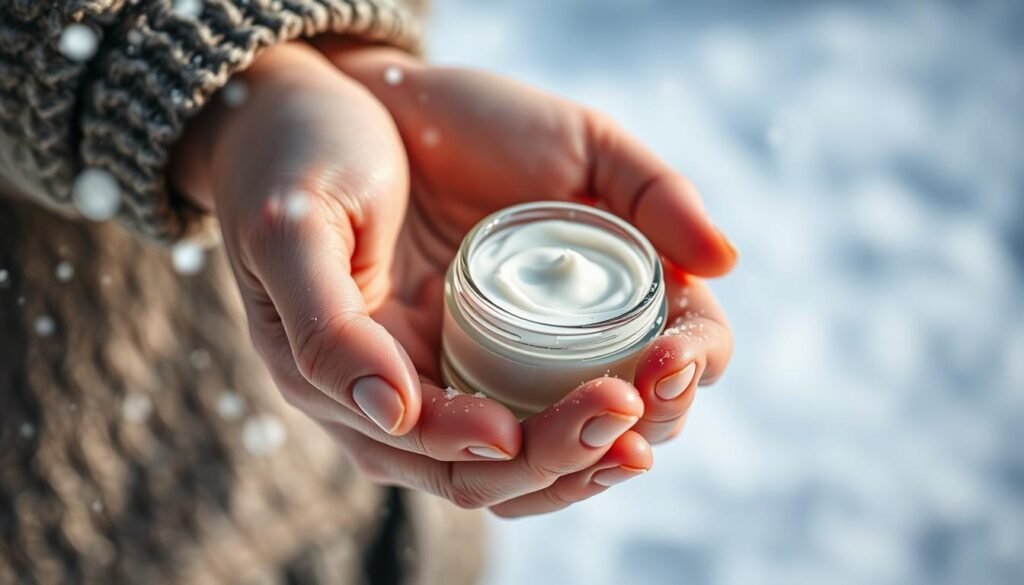
Did you know that nearly 40% of Americans feel dry and uncomfortable in winter? As it gets colder, many notice their skin feels different. Sometimes, it feels very uncomfortable.
Cold weather is not just about cozy blankets and hot drinks. It also brings seasonal challenges for your skin. Knowing what causes these issues helps you deal with them better.
This guide will teach you to spot tight, itchy skin and what causes it. You’ll learn about environmental factors, lifestyle habits, and winter skin care tips that are key.
Everyone’s experience is different. Some might just feel a bit dry, while others face constant irritation. Things like age, routine, and climate affect how cold weather impacts you.
Medical Disclaimer: This content is for information and education only. It’s not medical advice or a diagnosis. Always talk to a board-certified dermatologist or healthcare expert for the right advice and treatment.
Key Takeaways
- Winter weather often causes dryness and discomfort for millions of Americans each season.
- Many factors, like environment, lifestyle, and personal habits, affect how cold weather impacts your body.
- Knowing early signs helps you act fast before small issues become big problems.
- Temporary changes are different from ongoing issues that might need professional help.
- Managing it well means understanding your needs and taking preventive steps.
- This guide aims to educate you but never replaces professional medical advice.
Understanding Tight, Itchy Skin
Your skin can show distress through certain symptoms, more so in winter. Recognizing tight, itchy skin early helps prevent bigger problems. Cold weather can make your skin’s moisture barrier break down.
Spotting these signs early makes treatment more effective. Many ignore early symptoms, thinking they’re just minor annoyances. But knowing what your skin is going through helps you care for it better.
Physical Signs Your Skin Needs Attention
Winter can make your skin show signs of distress. You might notice rough, dry patches on your hands, arms, legs, and face. These areas get the most cold air.
Redness or visible irritation often comes with dry patches. This means your skin is inflamed. These spots might feel warmer or look raised.
After washing or bathing, your skin might feel tight. This is a sign that your skin’s moisture barrier is broken. It feels stretched or pulled, mainly around joints.
In more serious cases, you might see:
- Small cracks or fissures that hurt when touched or stretched
- Flaky or peeling areas where dead skin cells build up
- Visible scratch marks from scratching, causing more damage
- Bleeding or weeping when skin is severely damaged
Itching gets worse at night, when your body gets warmer under blankets. Changing clothes can make itching worse as fabric rubs against your skin. This urge to scratch can disrupt sleep and affect your overall health.
Scratching might feel good for a moment but hurts your skin more. The damaged surface is more open to infection and takes longer to heal.
Distinguishing Winter Dryness from Chronic Conditions
Winter skin changes can look like other skin problems, but there are key differences. Knowing these differences helps you avoid unnecessary worry and ensures serious issues get the right treatment.
Seasonal dry skin usually gets better with more moisturizing and adjusting your environment. If your symptoms improve with hydration and get better in warmer, more humid places, it’s likely just winter dryness.
But, eczema symptoms are more complex and not just about dryness. Eczema, or atopic dermatitis, often includes:
- More intense inflammation with deeper redness and swelling
- Weeping or crusting lesions that ooze clear fluid or form thick scabs
- Specific distribution patterns like elbow creases, behind knees, or on hands and face
- Year-round persistence with seasonal flare-ups, not just in winter
- Genetic components often seen in families with allergies or asthma
Psoriasis shows thick, silvery scales over raised red patches. These plaques have clear borders, unlike winter dryness. Psoriasis spots usually appear on elbows, knees, scalp, and lower back.
Contact dermatitis causes localized reactions from touching irritating substances. The rash pattern follows contact areas exactly, unlike winter dryness that affects exposed areas generally.
The main difference is response to treatment. Simple winter dryness gets better in days with moisturizing and environmental changes. Chronic conditions like eczema often need prescription meds, special treatments, and ongoing care, even with good skincare.
If symptoms last more than two weeks, get worse, or show severe inflammation or oozing, see a dermatologist. These signs suggest you might have a serious skin condition needing professional help and treatment.
Causes of Skin Changes in Cold Weather
Understanding what causes skin changes in cold weather involves looking at several factors. These include environmental conditions, daily routines, and personal care practices. The tight, uncomfortable feeling in winter is often due to a mix of these factors.
Every aspect, from the air we breathe to the products we use, affects our skin. Knowing these factors helps us find better ways to care for our skin in winter.
Environmental Factors
Cold air outside is a major cause of winter skin problems. When it gets colder, the air’s moisture drops a lot. This makes the air much drier than warmer air.
This dry air pulls moisture from your skin, a process called trans-epidermal water loss. Studies show this loss can increase by up to 25 percent in winter compared to summer.
Things get worse when you go inside. Furnaces and heaters make your home warm but also dry out the air. You face dry conditions both inside and outside.
This constant dryness makes it hard to keep your skin hydrated. Your skin loses water faster than it can replace it, leading to tightness and discomfort.
Lifestyle Influences
Our daily habits and choices also affect our skin in cold weather. Taking hot showers feels good after being outside, but it’s not good for our skin.
Hot water removes natural oils that protect our skin. These oils keep moisture in and protect against irritants. Without them, our skin loses moisture faster and becomes more sensitive.
What we wear in winter also matters. Clothes like wool and some synthetic materials can irritate our skin. This irritation is worse when our skin is already dry from the environment.
Using space heaters too close to our bodies is another problem. It dries out specific areas, leading to itchy skin conditions.
Washing our hands a lot is also a problem. It removes natural oils throughout the day. This is harder in winter when our skin is already dry. Our diet, how much we drink, and stress levels also affect our skin’s moisture barrier.
The Role of Skincare Habits
The products we use and our skincare routines greatly impact our skin in winter. Many people use harsh soaps that remove too many oils. This is more than needed for cleaning.
Fragrances in products are another issue. Soaps, lotions, and laundry detergents with fragrances can irritate sensitive skin. These irritants are worse when our skin is already weak from the environment.
Not using enough moisturizer is another mistake. Some skip moisturizer, while others use light formulas that don’t protect enough in winter.
Not changing our skincare routine with the seasons is a big mistake. What works in summer doesn’t work in winter. We need different care for our skin in each season.
Effective dry skin treatment means tackling many factors at once. The mix of environmental conditions, lifestyle choices, and skincare practices means we need a complete approach. This is the best way to prevent and treat dry, itchy skin in winter.
The Impact of Natural Aging on Skin
Natural aging changes how our skin handles winter weather. Cold temperatures affect everyone, but older adults face a significantly higher risk of tight, itchy skin. Both men and women experience these changes, but they vary by person.
Children and teenagers rarely get winter itch because their skin makes lots of natural oils. Older people need to change their skincare to keep their skin healthy.

Changes in Skin Texture
The epidermis thins with age, making it less protective. The sebaceous glands produce fewer natural oils, making skin drier, mainly after menopause in women.
Collagen and elastin fibers break down, making skin less firm and elastic. This makes skin looser and less able to handle stress.
Cell turnover slows with age. Dead skin cells pile up, causing a rough, flaky texture in older adults.
Young skin doesn’t get winter itch because it’s good at keeping moisture in. Older people with drier skin face more challenges in cold months.
Reduced Moisture Retention
Aging changes how well skin holds water. The natural moisturizing factor (NMF) decreases, making it harder for skin to stay moist.
The lipid content of the stratum corneum also decreases. This makes it harder to keep moisture in, skin hydration becomes harder in winter.
Hyaluronic acid levels drop with age, affecting skin’s ability to hold water. This molecule can hold up to 1,000 times its weight in water. Its reduction impacts skin hydration and suppleness.
The skin’s repair and regeneration slow with age. Cold, dry air causes more damage to aging skin than to younger skin.
These changes make older adults lose moisture faster and have trouble recovering. Conditions like atopic dermatitis may worsen or appear for the first time in older individuals during harsh winters.
While these changes are natural, their effects can be lessened. Proper skincare, protective measures, and sometimes medical help make a big difference. Knowing how aging affects skin helps people adjust their routines and stay comfortable in winter.
Identifying Seasonal Skin Conditions
Winter brings cold temperatures and skin conditions that make you uncomfortable. You might look for dermatitis relief. Some issues get better with simple care, but others need more attention. Knowing the differences helps you take care of your skin right.
Many think all winter skin problems are just dryness. But, several conditions appear in the cold months. Learning to spot these helps you find the right solution.
Common Winter Skin Issues
Winter itch, or pruritus hiemalis, is a common problem. It affects the legs, arms, and torso but not hands, face, feet, or scalp. These areas keep their oil glands active, even in cold weather.
Winter itch makes you itch a lot, leading to scratch marks and skin damage. It’s not just dryness. It keeps you awake and makes daily tasks hard.
Asteatotic eczema looks like fine cracks on very dry skin. It’s often seen on the lower legs of older adults. Other areas can show similar changes.
Chronic conditions often get worse in winter. Atopic dermatitis, the most common eczema, gets worse with cold weather. Psoriasis, seborrheic dermatitis, and contact dermatitis also flare up.
Winter weather also causes other problems. Chapped lips, cracked heels and hands, and dry skin affect many. Keeping skin, hair, and scalp healthy in winter is key.
How to Differentiate Between Conditions
Knowing the difference between winter skin conditions helps you decide what to do. Simple winter dryness gets better with moisturizers. It looks like mild roughness with light flaking.
Winter itch, on the other hand, has intense itching and scratch marks. It affects certain areas and doesn’t go away with moisturizers.
Asteatotic eczema has fine cracks in a “crazy paving” pattern. This is different from other conditions. Seeing this pattern, mainly on the lower legs, means you have this specific condition.
Atopic dermatitis starts in childhood and affects certain areas. It has more inflammation and oozing or crusting. Recognizing these eczema symptoms helps choose the right treatment.
Psoriasis has well-defined, raised, red plaques with silvery scales. These lesions are on elbows, knees, and scalp. The thick, distinct borders and scales make it easy to spot.
Contact dermatitis has clear boundaries where skin touched something irritating. If you notice changes in specific areas, it might be this condition.
Several factors help identify conditions. Notice what makes symptoms better or worse. See which areas are affected. This info is key for dermatitis relief and treatment.
At times, you need a doctor’s help. Severe, persistent, or unresponsive symptoms need professional care. Photos showing how your skin changes are helpful when talking to doctors. They help see patterns and progress that might not be clear at first.
| Condition | Key Characteristics | Common Locations | Response to Moisturizers |
|---|---|---|---|
| Simple Dryness | Mild roughness, light flaking, minimal itching | Generalized across body | Rapid improvement within days |
| Winter Itch (Pruritus Hiemalis) | Intense itching, scratch marks, no hand/face/foot involvement | Legs, arms, torso | Slow improvement, requires consistent care |
| Asteatotic Eczema | Fine cracks in “crazy paving” pattern on very dry skin | Lower legs (esp. older adults) | Gradual improvement with intensive hydration |
| Atopic Dermatitis | Inflammation, oozing, crusting, flexural involvement | Inner elbows, behind knees, neck | Requires more than moisturizers alone |
| Psoriasis | Well-defined red plaques with silvery scales | Elbows, knees, scalp, lower back | Limited response, needs targeted therapy |
Understanding these differences lets you take the right action. Some conditions get better with home care, but others need a doctor. Knowing when to seek help ensures you get the care you need for comfort and skin health.
Recognizing Temporary vs. Chronic Issues
Most cold-weather skin problems get better with basic care. But, some signs need medical help. Knowing the difference between dry skin and serious conditions helps you take care of your health.
Temporary dry skin usually gets better with moisturizers and gentle care in one to two weeks. But, chronic issues don’t get better and have their own signs. Knowing these differences helps you worry less and get the right help.
When Does It Become a Concern?
The length of your symptoms is a clue. Dry skin usually gets better in seven to fourteen days with moisturizers and avoiding harsh conditions. If your skin stays tight and itchy after two weeks, see a doctor.
How bad the itching is matters too. Occasional mild itching is different from constant, severe itching. Severe itching that keeps you awake or stops you from working is a sign to see a doctor.
Watch for symptoms that get worse. If your skin gets more inflamed, red, or bigger, it’s not just dry skin. This could mean an allergy, infection, or other skin problems.
- Cracks in your skin that bleed or won’t heal
- Oozing, weeping lesions, or crusty patches
- Signs of infection such as increased warmth, swelling, or pus
- Red streaking from affected areas
- Severe itching that disrupts sleep patterns
Without treatment, these problems can get worse. Scratching can lead to infections. Doctors can stop this with the right treatment.
Signs of Underlying Skin Conditions
Some signs point to chronic skin problems, not just winter dryness. Atopic dermatitis, or eczema, has its own signs. It often runs in families with allergies.
Eczema usually starts in childhood and comes back. It likes certain spots like elbows and knees. The itch comes first, before the rash.
Chronic scratching can make skin thick and leathery. If your skin looks like this, and you have allergies in your family, see a dermatologist.
Psoriasis looks different. It makes raised, scaly plaques on elbows and knees. It can also affect nails and cause joint pain.
Other chronic conditions have their own signs:
- Seborrheic dermatitis affects oily areas like the scalp, face, and chest with flaky, yellowish scales
- Contact dermatitis appears where skin touches irritants or allergens, often in distinct patterns
- Nummular eczema creates coin-shaped patches that can be stubborn
Even if you know your condition, new symptoms need a doctor’s check. They can spot problems you can’t see.
Don’t try to diagnose yourself. Dermatologists can tell the difference between conditions. Early treatment can prevent problems and improve your skin health.
Listen to your body. If something feels off or symptoms seem too bad, get professional help. It can make you feel better and improve your skin health.
The Importance of Skin Hydration
Cold weather takes away your skin’s moisture faster than any other season. This makes skin hydration key to protecting your skin. When winter comes, your skin faces a double threat from cold air and dry indoor heating.
Keeping your skin hydrated makes it comfortable and healthy-looking all winter. Without enough moisture, your skin can get tight, flaky, and irritated. This can make daily life uncomfortable.
The best approach is to lock in moisture before problems arise. Preventing dryness is better than treating it once it’s severe. This way, you can keep your skin comfortable all winter.
The Science Behind Winter Moisture Loss
Your skin loses water all the time through a process called trans epidermal water loss. This process moves moisture from deeper layers to the surface and out into the air.
In winter, this water loss speeds up a lot. Studies show it can increase by up to 25 percent compared to other seasons. The cold air and dry indoor air pull moisture from your skin quickly.
“You start losing water through the epidermis, or the outer layer of your skin. What we call your trans epidermal water loss increases up to 25 percent in the winter.”
Your skin acts like a brick wall. Skin cells are the bricks, and lipids are the mortar that holds it together. This moisture barrier slows down water loss normally.
But harsh conditions can weaken this barrier. Hot water, harsh cleansers, and cold winds can disrupt the lipids between cells. When the barrier weakens, water escapes faster, and irritants can get in more easily.

Your skin has natural moisturizers that help keep water in. These include amino acids, lactic acid, urea, and sugars. But winter conditions use up these compounds faster than your body can make them, making skin hydration harder.
Cold temperatures also cause blood vessels in your skin to narrow. This reduces blood flow to the surface. This means fewer nutrients and moisture-retaining compounds reach your outer skin layers. Your skin may look dull and feel tight.
Effective Strategies for Maintaining Moisture
Preventing moisture loss requires daily habits, not just occasional treatments. Simple changes to your routine can greatly improve your skin’s health.
Moisturizing therapy starts with the right products. Choose thick creams and ointments over thin lotions. These richer products have occlusive ingredients that prevent water loss.
Apply moisturizers right after bathing using the “soak and seal” method. This means applying cream within three minutes of getting out of the shower or bath. This traps water in your skin, maximizing hydration.
Look for products with ingredients that help:
- Humectants like hyaluronic acid, glycerin, and urea draw water into the skin
- Occlusives such as petrolatum, dimethicone, and shea butter seal moisture in
- Emollients like ceramides and fatty acids repair and strengthen the moisture barrier
Using a humidifier adds moisture to dry indoor air. Place one in your bedroom at night to counter the drying effects of heating systems. Keep indoor humidity between 30 and 50 percent for best skin comfort.
Adjust your bathing habits to keep natural oils. Keep showers short and use lukewarm water. Hot water can strip away the lipids your barrier function needs.
Drinking enough water supports your skin’s health from the inside. While topical products address surface issues, hydration starts within.
Protect exposed skin when going outside. Use a scarf, wear gloves, and dress in layers to shield your skin from wind and cold. These steps help reduce moisture loss and protect vulnerable areas.
Your diet affects skin moisture too. Include foods rich in omega-3 fatty acids like salmon, walnuts, and flaxseeds. Add water-rich fruits and vegetables to support hydration. These foods help your skin maintain its protective barrier.
Consistency is key for skin hydration. Daily care is more effective than occasional intense treatments. Create a routine you can stick to all winter and beyond for better skin health.
Remember, keeping your skin hydrated prevents discomfort before it starts. By understanding winter’s effects on moisture and using protective strategies, you can keep your skin comfortable, no matter the temperature.
Choosing the Right Skincare Products
Winter skincare requires knowing which ingredients help and which harm. The right products protect against tight, itchy skin. Choosing wisely can make winter skin care manageable.
Not all products are equal in winter. Some strengthen your skin’s moisture barrier. Others can strip away oils or cause irritation.
Knowing the science behind dry skin treatment helps you choose better. Look for ingredients that help and avoid those that harm.
Beneficial Components for Winter Skin Protection
Effective winter skincare includes three main ingredients. Humectants draw in moisture. Emollients fill gaps between skin cells. Occlusives seal in moisture.
The best products combine all three. Ointments and thick creams offer the most protection for dry skin.
| Ingredient Category | How It Works | Key Examples | Best Product Type |
|---|---|---|---|
| Humectants | Attract and bind water to skin surface | Hyaluronic acid, glycerin, urea, lactic acid, aloe vera | Serums, lightweight lotions |
| Emollients | Fill gaps between skin cells and smooth texture | Ceramides, fatty acids, squalane, plant oils | Creams, facial moisturizers |
| Occlusives | Create barrier to prevent water evaporation | Petroleum jelly, dimethicone, shea butter, beeswax | Ointments, thick body creams |
| Multi-Function | Provide barrier support and reduce inflammation | Niacinamide, colloidal oatmeal, vitamin E | All-purpose moisturizers |
Ceramides are key in winter skincare. They help restore your skin’s barrier. Cold weather can deplete ceramide levels.
Look for hyaluronic acid or sodium hyaluronate. These hold a lot of water, keeping your skin moist.
Petroleum jelly is a top occlusive. It creates a strong moisture barrier.
Apply moisturizer right after bathing. This seals in moisture when your skin is damp. It helps prevent tightness.
For inflammation and itching, use hydrocortisone 1% cream. It’s a mild corticosteroid. Use it with your regular moisturizer.
For acne-prone skin, look for non-comedogenic products. They’re designed to not clog pores.
Don’t forget sun protection in winter. UV rays can harm your skin. Use SPF 30 or higher sunscreen daily.
Ingredients like niacinamide and colloidal oatmeal are beneficial. They support barrier function and soothe. Antioxidants like vitamin E protect against environmental damage.
Formulations That Compromise Winter Skin
Some products are not good for dry winter skin. Avoiding them prevents further damage.
Fragranced products are a no-go in winter. They can irritate or cause allergic reactions. Choose fragrance-free options.
Harsh cleansers can strip away your skin’s protective layer. Avoid soaps, body washes with sodium lauryl sulfate, and antibacterial cleansers unless necessary.
- True soaps with high pH levels that disrupt skin’s natural acid mantle
- Body washes containing sodium lauryl sulfate, a highly stripping surfactant
- Antibacterial cleansers unless medically necessary, as they remove beneficial skin bacteria
- Any product that leaves your skin feeling tight or squeaky clean
Choose mild, unscented cleansers that clean without stripping your skin. They should remove dirt and oil without leaving your skin feeling dry.
Products with high concentrations of alcohol dry out your skin. Check for denatured alcohol or isopropyl alcohol in the ingredient list.
Astringents and toners with witch hazel or alcohol can dry out your skin. Use them in warmer months when your skin can handle them better.
Be careful with exfoliating products in winter. Gentle exfoliation is okay, but overdoing it can remove protective layers:
- Physical scrubs with beads, shells, or seeds can create micro-tears in vulnerable skin
- High concentrations of alpha hydroxy acids like glycolic acid may over-strip winter skin
- Beta hydroxy acids like salicylic acid should be used sparingly and followed by intensive moisturization
- Retinoids may need reduced frequency during winter, always paired with rich moisturizers
Chemical exfoliants and retinoids have benefits. Use them carefully in winter, possibly reducing frequency, and always moisturize afterward.
Laundry products can also affect your skin. Heavily fragranced detergents and fabric softeners can irritate your skin. Use fragrance-free products in winter.
Apply cream to your entire body as needed in cold weather. Use thick creams or ointments without fragrances or preservatives.
Reading ingredient labels helps you make better choices for winter skin. Start with simple products to avoid reactions.
Hypoallergenic labeling means the product has fewer allergens. But what works for someone else might not work for you. Be patient and find what works best for you.
Lifestyle Tips to Prevent Tight, Itchy Skin
Skincare products are important, but your daily habits matter more. Your winter skin care routine goes beyond face and body products. What you eat, drink, wear, and even your laundry detergent affect your skin in cold weather.
These lifestyle choices work with skincare products to fight winter’s dryness. No moisturizer can replace dehydration, bad nutrition, or irritation from scratchy clothes. A holistic approach helps your skin stay comfortable all season.
Nourishing Your Skin Through Food Choices
What you eat affects your skin a lot. Your skin shows how well you’re eating. Eating the right foods helps your skin stay healthy in winter.
Foods high in omega-3s are key in winter. These fats help your skin stay strong and reduce inflammation. Salmon, mackerel, and sardines are good sources. Walnuts, flaxseeds, and chia seeds are plant-based options.
Fruits and veggies full of antioxidants protect your skin. Vitamins A, C, and E are important for skin health in tough weather.
| Nutrient | Food Sources | Skin Benefits | Winter Advantage |
|---|---|---|---|
| Vitamin A/Beta-carotene | Sweet potatoes, carrots, leafy greens, butternut squash | Supports cell turnover and repair | Helps skin regenerate faster in harsh conditions |
| Vitamin C | Citrus fruits, berries, bell peppers, broccoli | Boosts collagen production and protects against damage | Strengthens skin structure against environmental stress |
| Vitamin E | Nuts, seeds, avocados, spinach | Provides antioxidant protection and moisture support | Shields skin from cold-weather oxidative damage |
| Omega-3 Fatty Acids | Fatty fish, walnuts, flaxseeds, chia seeds | Maintains barrier integrity and reduces inflammation | Prevents moisture loss in dry winter air |
Protein is also key for skin health. Your skin renews itself, needing protein for repair. Zinc in foods like oysters and lentils helps with healing and immune function.
Some diets can harm your skin in winter. Eating too much processed food, sugar, and unhealthy fats can cause inflammation. This can make your skin worse and more sensitive.
Be careful with alcohol and caffeine in winter. They can dehydrate you, affecting skin hydration. While a little is okay, too much can dry out your skin.
Changing your diet takes time to show in your skin. It’s more important to be consistent than perfect. Slow, steady changes will help your skin over time.
Making Hydration a Daily Priority
Drinking enough water is key for skin hydration. It helps your skin get nutrients, makes natural moisturizers, and keeps toxins out. It also keeps your skin’s deeper layers moist.
The “drink eight glasses a day” rule is a good start, but needs vary. Your size, activity level, and climate affect how much water you need. Drink enough so your urine is pale yellow, not dark.
It can be hard to drink enough water in cold weather. Here are some tips to stay hydrated:
- Carry a reusable water bottle all day
- Set reminders to drink water
- Drink a full glass with meals and snacks
- Start with water in the morning
- Keep water everywhere you spend time
- Add lemon, cucumber, or berries for flavor
Water-rich foods also help with hydration. Cucumbers, watermelon, and oranges are good choices. They help with your daily water needs and add nutrients.
While all fluids help, water is best for skin hydration. Herbal teas are a good alternative in cold weather. But avoid sugary, caffeinated, or alcoholic drinks as they can dehydrate you.
Additional Lifestyle Factors for Winter Skin Care
What you wear matters a lot in winter. Wear natural, breathable fabrics next to your skin. Cotton, bamboo, and silk are good choices. Wool is warm but can irritate sensitive skin, so wear it over a soft layer.
Protective clothing is essential outside in winter. Gloves, scarves, and hats keep your skin safe from wind and cold. Lip balm prevents chapped lips in dry weather.
Laundry practices can affect your winter skin care too. Use fragrance-free, hypoallergenic detergents. Avoid fabric softeners and dryer sheets as they can irritate sensitive skin.
Keeping your home comfortable also helps your skin. Keep indoor temperatures moderate. Avoid overheating, which dries out your skin. Use humidifiers to keep the air moist, aiming for 40-50% humidity.
Stress management is important, even though it’s not directly about skin hydration. Stress can make skin problems worse. Getting enough sleep, exercising, meditating, or deep breathing can help your skin and overall health.
Your skin reflects your health. Nourish your body, stay hydrated, manage stress, and protect yourself from the environment. Your skin will thank you, no matter the season.
Lifestyle choices and skincare products work together to fight winter dryness. Focus on one or two changes at a time. This gradual approach will lead to better winter skin care results.
Small, consistent changes can make a big difference in your skin’s comfort. You don’t need to change everything at once. Start with what feels doable and build from there.
When to Seek Professional Help
When tight, itchy skin doesn’t get better at home, it’s time to see a doctor. Most winter skin issues can be fixed with moisturizers and lifestyle changes. But, some signs mean you need a doctor’s help.
What looks like simple dryness might be a sign of a bigger skin problem. Knowing when to ask for help can prevent bigger issues. Early treatment can stop problems from getting worse.
Warning Signs That Require Medical Attention
Some signs are clear that you need to see a doctor. Persistent symptoms that don’t improve after two to three weeks of care mean there’s more going on. If moisturizers, environment changes, and gentle cleansing don’t work, it’s time for a doctor’s visit.
Watch for symptoms that get worse or spread. If the problem area grows or new symptoms appear, like oozing or severe pain, it’s a sign of something serious. Progression despite treatment is never normal.
Skin cracks that bleed are a big concern. These breaks can cause pain and let bacteria in. Signs of infection, like pus or fluid, need immediate medical help.
- Increased warmth, swelling, or tenderness around affected areas
- Pus or fluid drainage from skin breaks
- Honey-colored crusting on the skin surface
- Red streaks extending from the irritated area
- Fever or feeling generally unwell
Severe itch that keeps you awake or stops you from doing daily tasks is a sign to see a doctor. Professional treatment for dermatitis relief can help you feel better. Not getting enough sleep because of itchiness is bad for your health.
“If your skin symptoms are keeping you awake at night or preventing you from focusing on work and daily tasks, it’s time to see a dermatologist. Quality of life matters, and effective treatments are available.”
If you have eczema, psoriasis, or other skin conditions, see your dermatologist when they don’t get better. They might need to change your treatment plan. Your skin might need different care because of the season.
Unusual skin changes need a doctor’s check-up. If your skin looks different or is only on one side, it might not be just dryness. This could be a sign of something more serious.
| Warning Sign Category | Specific Indicators | Why It Matters | Urgency Level |
|---|---|---|---|
| Persistence | No improvement after 2-3 weeks of proper care | Suggests underlying condition beyond dryness | Schedule appointment within 1-2 weeks |
| Progression | Worsening symptoms, spreading rash, new symptoms | Indicates active process requiring diagnosis | Seek care within days |
| Infection Signs | Bleeding cracks, pus, crusting, red streaks, fever | Risk of serious bacterial infection | Immediate medical attention needed |
| Severe Disruption | Itch disturbing sleep or preventing normal activities | Significantly impacts quality of life and health | Schedule appointment within 1 week |
| Unusual Features | Asymmetric distribution, atypical appearance | May indicate condition other than winter dryness | Schedule consultation for proper diagnosis |
Seeing a doctor is not overreacting. Dermatologists are trained to recognize tight, itchy skin patterns that distinguish between different conditions. If you’re unsure or worried about your skin, a doctor can give you peace of mind and the right diagnosis.
Healthcare Providers for Skin Concerns
Many healthcare professionals can help with winter skin problems. Your choice depends on the severity of symptoms, your medical history, and access to specialists. Knowing which provider to contact helps you get the right care quickly.
Primary care physicians like family doctors, general practitioners, and internists are great first contacts. They can handle common skin issues, provide initial treatment, and refer you to specialists when needed. They’re perfect when you’re not sure if you need a specialist.
Your primary doctor can prescribe stronger moisturizers, topical steroids for inflammation, or antibiotics for infection. They know your medical history and can consider how other health conditions might affect your skin. For simple cases, their treatment might solve the problem completely.
Dermatologists are board-certified physicians who specialize in skin, hair, and nail conditions. They are best for complex, persistent, or severe skin problems. Dermatologists provide detailed evaluation and accurate diagnosis through visual examination and additional testing when needed.
Dermatology care offers several advantages for winter skin concerns:
- Expert diagnosis distinguishing between similar-appearing conditions
- Access to prescription medications both topical and systemic
- Advanced treatments including phototherapy for chronic conditions
- Personalized skincare routines designed for your unique skin type
- Ongoing management for chronic inflammatory conditions
Dermatology treatments for severe winter itch include prescription creams or ointments to calm inflammation. Non-steroid medications benefit patients sensitive to steroids. Light therapy (phototherapy) helps chronic conditions like eczema and psoriasis that flare in winter months.
Some dermatologists specialize in inflammatory dermatology (eczema specialists) or immunologic skin diseases. These subspecialists handle challenging cases, usually through referral from a general dermatologist. Seeing a dermatologist provides continuity for managing recurring seasonal skin problems.
In some cases, other specialists may be involved. Rheumatologists treat conditions like lupus that affect skin and joints. Allergists identify allergic triggers contributing to skin reactions. Endocrinologists address hormone-related skin changes. Your dermatologist will decide when these consultations are necessary.
Preparing for your appointment makes your visit more valuable. Document your symptoms, including when they started and what makes them better or worse. Bring a complete list of medications and supplements you take. Be ready to discuss your medical history, including allergies and previous skin conditions.
Take photographs that document how your symptoms appear at their worst. Skin conditions often look different at appointment time than during flares. Photos provide valuable information for diagnosis and help track improvement with treatment. Date your photos to show symptom progression over time.
Cost and accessibility concerns shouldn’t stop you from getting the care you need. Many communities have dermatology clinics associated with medical schools or community health centers that provide services on sliding fee scales. Some dermatologists offer telemedicine consultations that reduce cost and improve access.
Taking action to seek professional evaluation is an important step in achieving lasting dermatitis relief. Your skin health matters, and experts can provide solutions that restore comfort and confidence. Don’t hesitate to advocate for your wellbeing when winter skin problems exceed what home care can address.
Maintaining Healthy Skin Year-Round
Your skin is the biggest organ in your body. It needs care all year, not just in winter. Drinking plenty of water helps many people avoid dry, itchy skin when it gets cold. It’s important to listen to what your skin needs and act on it.
Building a Personalized Skincare Routine
Everyone’s skin is different. It’s dry, oily, or a mix. You might have special skin needs too. Your skincare routine should change with the seasons, getting stronger in winter.
Begin with a simple morning routine. Cleanse gently, apply moisturizer, and don’t forget sunscreen. At night, clean well and use a thicker moisturizer to repair your skin. Keep it easy so you can stick with it.
Consistency is Key for Skin Health
Good skin care is about daily habits, not just occasional treatments. Your skin sheds and regenerates all the time. It needs constant care to stay healthy and feel good.
By taking care of your skin every day and using routines that fit your skin, you can stay comfortable all year. Spotting tight, itchy skin early helps you act fast. If your skin problems don’t go away, see a doctor.