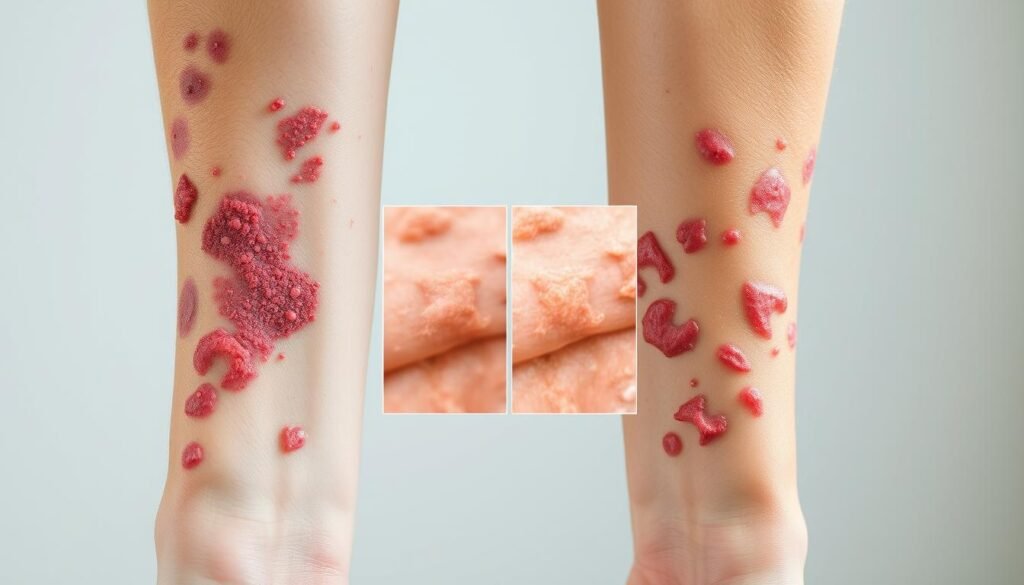
Nearly 60% of people with inflammatory skin conditions get the wrong diagnosis at first. This leads to months of bad treatment and frustration. When red, itchy patches show up, figuring out the cause is key to feeling better. Both conditions affect millions of Americans yearly, but their small differences are often missed.
Many find it hard to tell the difference because symptoms can look the same. Redness, scaling, and discomfort are common in both, making it hard to tell without knowing the facts.
This guide gives you the tools to spot the main differences in looks, where they show up, and symptoms. Knowing these helps you know when to see a doctor. You’ll also learn about common causes, treatments, and resources for better skin care.
Medical Disclaimer: This info is for learning and education only and is not medical advice. Skin issues can be very different for everyone. Always see a board-certified dermatologist or a healthcare expert for a correct diagnosis and treatment.
Key Takeaways
- Inflammatory skin conditions affect millions of Americans and often share overlapping symptoms that can confuse initial identification
- Visual observation alone cannot provide a definitive diagnosis, making professional dermatologist evaluation essential
- Understanding specific appearance differences, common locations, and symptom patterns helps determine when to seek medical attention
- Both conditions are chronic and require ongoing management strategies tailored to individual needs
- Proper identification leads to more effective treatment approaches and better long-term skin health outcomes
- This guide serves as an educational resource to complement, not replace, professional medical consultation
Understanding Psoriasis: Symptoms and Characteristics
Psoriasis happens when the immune system attacks healthy skin cells. This leads to a chronic skin disorder with distinct signs. Normally, skin cells take a month to mature and fall off. But in psoriasis, this process happens in just three to four days.
This rapid cell buildup causes the skin’s surface to change. At first, these changes might seem small. But as the condition gets worse, they become more obvious. Spotting these early signs is key to getting the right care.
What You’ll Notice First
Psoriasis symptoms start with visible changes in the skin. The most noticeable sign is raised, thickened patches with silvery-white scales. These patches, called plaques, have clear borders that make them stand out.
The skin feels thicker and rougher in these areas. It can also become dry and crack, sometimes leading to bleeding.
Where these symptoms appear matters. Plaques often show up on specific body areas:
- Elbows and knees (outer surfaces)
- Scalp and hairline
- Lower back
- Palms and soles
- Face and ears (less common)
But psoriasis can appear anywhere on the body. Some people have widespread patches, while others have just a few. The severity and extent vary greatly from person to person.
Different Forms of the Condition
There are many types of psoriasis, each with its own characteristics. These differences affect how the condition is diagnosed and treated.
Plaque psoriasis is the most common type, affecting 80 to 90 percent of people. It causes the classic raised, scaly patches. These patches can be small or cover large areas of the body.
Guttate psoriasis looks like small, dot-like lesions on the skin. It often starts suddenly, after infections like strep throat. The spots are usually smaller and less thick than those in plaque psoriasis.
Inverse psoriasis creates smooth, red patches in skin folds. Unlike other types, it doesn’t produce scales because of the moisture in these areas.
Pustular psoriasis is rare and has white pustules surrounded by red skin. It can be localized or cover most of the body. For more information on managing psoriasis and psoriatic arthritis, seek professional advice.
Erythrodermic psoriasis is the least common but most severe type. It causes widespread redness and skin shedding. This form can be life-threatening and needs immediate medical attention.
What Causes Symptoms to Worsen
Knowing what makes psoriasis symptoms worse helps you manage the condition. Flare-ups are not random. They are often triggered by specific factors. Finding out what triggers your symptoms is key to managing this chronic skin disorder.
Stress is a common trigger. Emotional or physical stress can make symptoms worse. Many people notice their skin gets worse during stressful times.
Skin injuries can also trigger new patches. This is known as the Koebner phenomenon. Cuts, scrapes, bug bites, or sunburns can spark new lesions.
Infections can make psoriasis symptoms worse. Strep throat often leads to guttate psoriasis outbreaks. Other infections can also trigger flare-ups or make symptoms worse.
Certain medications can also worsen psoriasis. These include lithium, beta-blockers, antimalarial drugs, and some NSAIDs. Never stop taking medications without talking to your doctor. But discuss alternatives if symptoms worsen.
Weather changes affect many people with psoriasis. Cold, dry weather usually makes symptoms worse. Warm, sunny weather often helps. Winter months can be challenging for managing symptoms.
Lifestyle factors also play a big role. Smoking and drinking too much alcohol can make symptoms worse. Making healthy lifestyle changes can improve symptoms.
Psoriasis follows a cycle of flare-ups and remission. Understanding this helps set realistic expectations. Identifying and avoiding personal triggers is important for managing the condition long-term.
Understanding Eczema: Symptoms and Characteristics
Eczema, also known as atopic dermatitis, is a challenging condition. It happens when the immune system overreacts and the skin barrier is broken. Unlike many temporary skin irritations, eczema is a chronic skin disorder that affects both children and adults in the United States.
The condition comes from a mix of genetics and environment. People with eczema often have a family history of allergies. Their skin can’t keep moisture, making it more vulnerable to irritants and allergens.
Recognizing the Signs: What Your Skin Is Telling You
The main symptom of eczema is intense itching that gets worse at night. This itching can disrupt sleep and daily activities. It usually starts before any visible skin changes.
Over time, the skin changes. Affected areas become red or brownish-gray, varying in size and location. The skin becomes dry, rough, and sensitive to touch.
Small raised bumps often appear on the skin. When scratched, these bumps may leak clear fluid and form crusts. This indicates active inflammation and needs immediate attention to prevent infection.
Long-term scratching leads to lichenification, where the skin becomes thickened and leathery. The affected areas may develop a bark-like texture with exaggerated skin lines. This change in texture is one of the most noticeable signs for those monitoring their condition.
Location patterns help distinguish eczema from other conditions. Common areas include:
- Inner elbows and behind the knees
- Wrists, ankles, and hands
- Neck and upper chest
- Face and scalp (in infants and young children)
- Around the eyes and on eyelids
Color changes vary by skin tone. Fair-skinned individuals see red or pink patches. Darker skin tones may show brown, purple, or gray discoloration. These differences can sometimes delay diagnosis in people with darker complexions.
Different Forms of the Condition
Understanding the various types of eczema helps identify specific patterns and appropriate management strategies. Each form presents distinct characteristics, though some people experience multiple types simultaneously. These chronic skin disorders require different approaches based on their specific features.
Atopic dermatitis is the most common form, typically starting in childhood. This lifelong condition often improves with age but may persist into adulthood. It frequently occurs alongside other allergic conditions like asthma and hay fever.
Contact dermatitis develops when skin touches irritating substances or allergens. This reaction can be immediate or delayed by several hours. Common triggers include nickel in jewelry, latex gloves, and preservatives in cosmetics.
Dyshidrotic eczema causes small, itchy blisters on the edges of fingers, toes, palms, and soles. These blisters may merge to form larger ones and typically last three to four weeks. This type often flares during warm weather or periods of stress.
Nummular eczema creates coin-shaped spots on the skin that become very itchy and scaly. These circular patches often appear after skin injury, insect bites, or during winter when indoor heating dries the air.
Seborrheic dermatitis affects areas rich in oil glands, such as the scalp, face, and upper chest. This type causes scaly patches, red skin, and stubborn dandruff. It can occur in infants (cradle cap) and adults.
Stasis dermatitis appears on the lower legs due to poor blood circulation. The skin becomes discolored, swollen, and may develop open sores. This type mainly affects older adults with circulation problems.
| Eczema Type | Primary Location | Key Characteristics | Common Age Group |
|---|---|---|---|
| Atopic Dermatitis | Skin creases, face | Chronic itching, dry patches | Infants to adults |
| Contact Dermatitis | Area of contact | Reaction to irritants/allergens | All ages |
| Dyshidrotic Eczema | Hands and feet | Small fluid-filled blisters | Adults under 40 |
| Nummular Eczema | Arms and legs | Coin-shaped itchy spots | Middle-aged adults |
| Seborrheic Dermatitis | Scalp, face, chest | Scaly, greasy patches | Infants and adults |
What Sets Off Skin Reactions
Identifying personal triggers is key to managing symptoms. Eczema causes vary between individuals, making self-monitoring essential. Many people find that multiple factors combine to trigger their flare-ups.
Environmental irritants are common triggers. Harsh soaps, detergents, and household cleaners strip away natural skin oils. Fragrances in perfumes, lotions, and laundry products can provoke immediate reactions. Switching to fragrance-free, hypoallergenic products often provides noticeable relief.
Temperature extremes and humidity changes affect skin moisture levels. Cold, dry winter air causes significant flare-ups for many people. Excessive heat and sweating can also irritate sensitive skin. Keeping indoor humidity between 30-50% helps stabilize the skin barrier.
Allergens trigger immune responses that worsen eczema flare-ups. Dust mites in bedding and carpets cause year-round problems. Pet dander affects those allergic to animals. Pollen during spring and fall seasons can aggravate symptoms even without direct contact.
Food allergies play a significant role, mainly in children. Common culprits include:
- Dairy products and eggs
- Nuts and soy
- Wheat and gluten
- Shellfish and certain fish
Stress is a powerful trigger through its effects on immune function and inflammation. Emotional stress, lack of sleep, and anxiety can initiate flare-ups even when other triggers are avoided. Mind-body practices often help reduce stress-related symptoms.
Certain fabrics irritate sensitive skin through friction and reduced breathability. Wool and synthetic materials trap heat and moisture. Cotton and bamboo fabrics allow better air circulation and cause less irritation.
Understanding which specific eczema causes affect you personally enables better prevention strategies. Keeping a symptom diary helps identify patterns between exposures and flare-ups. This information guides decisions about lifestyle modifications and environmental controls that reduce symptoms and improve quality of life.
Key Differences Between Psoriasis and Eczema
Many skin conditions look similar at first. But, changes in texture, color, or comfort become more obvious over time. Psoriasis and eczema both cause skin inflammation and visible patches, but they have specific traits that set them apart.
Knowing these differences helps you talk better with doctors. The more you tell them about your symptoms, the quicker you’ll get a correct diagnosis. This comparison focuses on three main areas where psoriasis and eczema differ.
Texture and Appearance of Affected Skin
The way your skin feels is a big clue. Psoriasis makes thick, raised plaques with a silvery scale on top. These scales can be removed, showing tiny points of bleeding underneath, known as the Auspitz sign.
Eczema feels different. It starts as rough, dry patches that feel like sandpaper. Chronic scratching makes the skin thick and leathery over time.
The edges of healthy and affected skin also differ. Psoriasis plaques have sharp, well-defined borders. Eczema patches have less clear boundaries, blending into the surrounding skin.
Visual Color Variations
Color changes are another key difference. The look varies based on your skin tone, making it important to understand how each condition appears on different skin.
Psoriasis plaques are red or pink with silvery scales on lighter skin. On darker skin, they appear purple, gray, or darker brown. The silvery scale stays the same across all skin tones.
Eczema shows different colors. On lighter skin, patches are red to brownish-gray. On darker skin, they are darker brown, purple, or ashen gray. The color can change during different phases of the condition.
Another difference is moisture levels. Eczema can be wet or weeping during flare-ups, with fluid oozing. Psoriasis stays dry even during active flares.
Sensations and Comfort Differences
The discomfort you feel is a big difference. Each condition affects daily life in unique ways.
Psoriasis causes burning, stinging, or soreness. The affected areas may feel tender to touch or movement. Pain is noticeable when plaques crack or split, often in areas of repeated movement. Itching is secondary to pain and discomfort.
Eczema is different. Intense, often unbearable itching is the main symptom. This itching can disrupt sleep, concentration, and daily activities. Many find it hard to resist scratching.
Pain sources differ between conditions. Psoriasis pain comes from inflamed, cracked skin. Eczema pain comes from scratching damage, not the condition itself. The scratch-itch cycle worsens the problem.
These sensory differences become clearer over time. Keeping a symptom diary helps. Track appearance and sensations, noting when discomfort peaks and what triggers it.
Understanding these differences helps you move forward with confidence. While self-observation is important, professional evaluation is key for accurate diagnosis and treatment.
Overlapping Symptoms: What to Look For
When comparing psoriasis vs eczema, it’s easy to get them mixed up. Both can cause skin changes that look similar. Even doctors sometimes need more tests to tell them apart.
Knowing the common symptoms helps you know when to see a doctor. Both psoriasis and eczema cause inflammation that changes how skin looks and feels. But, there are small differences that can help doctors figure out what you have.
The Intensity and Pattern of Itching
Itching is a big problem for both conditions, but it’s different. Eczema itching is usually worse and doesn’t stop. It often starts before you can see any skin changes.
People with eczema feel a strong urge to scratch. This itch-scratch cycle can damage the skin more, making it itch even more.
Psoriasis itching is not as bad and comes after the skin changes. People with psoriasis might also feel burning, stinging, or tightness in their skin.
When it comes to timing, eczema itching gets worse at night. Psoriasis itching stays the same all day.
Watch what makes your itching worse. Eczema can be triggered by things like soaps or fabrics. Psoriasis is often set off by stress, infections, or certain medicines.
Recognizing Redness and Swelling Patterns
Both conditions cause redness and swelling because of inflammation. This is your body’s way of reacting to threats. But, how this looks can tell you which condition you might have.
Psoriasis redness has clear edges and stays the same color. The plaques stand out and have a deep, even red color.
Eczema redness is more spread out and doesn’t have clear edges. The color can change in one spot. Eczema might look wet or oozing, which psoriasis rarely does.
Swelling patterns also help doctors make a diagnosis. Psoriasis swelling is mostly in the plaque itself. Eczema swelling can spread beyond the rash.
The skin texture is different too. Psoriasis plaques are thick and hard. Eczema patches are rough but not as thick.
These similarities make it hard to tell psoriasis from eczema. Even doctors might need a skin biopsy to be sure. Knowing these signs helps you understand why getting a proper diagnosis is so important.
Diagnosing Skin Conditions: When to See a Professional
Getting the right diagnosis for your skin condition is key to finding relief. While online resources are helpful, they can’t replace a trained medical professional’s expertise. Knowing whether you have psoriasis or eczema is important for choosing the right treatment.
Many people try to diagnose their own skin problems. But this can be risky. Symptoms of different skin conditions often look similar. You might think you have one condition when you actually have another, or even more than one.
Why Professional Assessment Matters
Trying to diagnose yourself can lead to the wrong treatment. What works for psoriasis might make eczema worse, and vice versa. A board-certified dermatologist can spot the small differences that matter.
Diagnosing skin conditions is more than just looking at your skin. Doctors use special lighting and examine your whole medical history. They look at more than just the affected areas.
Your dermatologist will ask you lots of questions. They want to know about your symptoms, when they started, and how long they last. They also ask about your family history and how your symptoms spread across your body.
Sometimes, just looking at your skin isn’t enough. Dermatologists might need to do more tests:
- Skin biopsy to examine tissue samples under microscopy
- Allergy testing to identify possible triggers
- Blood tests to check for underlying conditions
- Patch testing for contact dermatitis evaluation
There are times when you need to see a doctor right away. If your symptoms last more than a few weeks, or if they’re really bothering you, get help. Signs of infection, like increased pain or pus, need quick attention.
Don’t wait if treatments stop working. Chronic skin conditions can really affect your mental health. Getting help for your skin and your mental health is important.
Many people delay getting help because of cost or other barriers. But early professional intervention usually leads to better results and prevents problems.
Finding the Right Medical Expert
Board-certified dermatologists are the best for diagnosing and treating skin conditions. They have lots of training in skin, hair, and nail issues. They are the first choice when you can see one.
There are many ways to find a qualified dermatologist. The American Academy of Dermatology has a directory. Your insurance can also help you find in-network doctors.
Primary care doctors are a good starting point too. They can check your skin and refer you to specialists if needed. They can handle many cases and refer you when necessary.
Children need pediatric dermatologists. These doctors are trained in skin issues in kids. They know how to treat children’s skin problems.
Knowing what happens at a dermatology appointment can help you feel less anxious. Your doctor will examine your skin and ask you lots of questions. They want to know about your symptoms and when they started.
Photographs of your skin are very helpful. They show how your condition changes over time. They also help your doctor see if treatments are working.
Your doctor will also look at your whole health history. They want to know about any medications or treatments you’ve tried before. Your family history of skin conditions or autoimmune diseases is also important.
Getting ready for your appointment can make it more productive. Start keeping a record of your symptoms a few weeks before. Note what makes them better or worse. Also, write down when flare-ups happen and how long they last.
Take clear photos of your skin during and between flare-ups. These photos help your dermatologist understand your symptoms better. They capture details you might forget to mention.
Make a list of all your medications and supplements. Include over-the-counter products and topical treatments you’ve tried. Note which ones helped and which didn’t.
Write down your questions before your appointment. This way, you won’t forget anything important. Put your most pressing questions at the top of your list. This helps you have a more thorough discussion with your doctor.
Seeking professional help shows you care about yourself, not weakness. Skin conditions affect your comfort and mental health. Quality diagnosis and treatment can greatly improve your life and help you feel better about yourself.
Treatment Options for Psoriasis
Treatment plans for psoriasis vary based on severity, location, and how your body responds. Doctors start with gentle topical treatments for mild cases. For more severe cases, they use stronger therapies.
The goal of psoriasis treatment is to slow down skin cell production and reduce inflammation. Your healthcare provider will consider several factors before recommending treatments. These include the type of psoriasis, where it appears, and your overall health.
Topical Treatments
Topical treatments are the first line of defense for mild psoriasis. These medications are applied directly to affected skin areas. Most people start with these options.
Corticosteroids are commonly used for psoriasis. They reduce inflammation and slow skin cell production. There are different strengths, from mild to potent.
Your doctor will choose the right strength based on your symptoms and where the plaques are. Sensitive areas like the face need milder formulas. But, using strong corticosteroids for too long can cause skin thinning and other side effects.
Vitamin D analogues like calcipotriene (Dovonex) slow skin cell growth. They work well with corticosteroids for better results.
Topical retinoids, like tazarotene (Tazorac), help normalize skin cell production. They can be very effective but may cause irritation at first. Calcineurin inhibitors like tacrolimus (Protopic) are great for sensitive areas like the face and skin folds.
Other topical options include salicylic acid for removing scales and coal tar preparations that reduce scaling and inflammation. How you apply these treatments is key for success. Always follow your doctor’s instructions and apply to slightly damp skin for better absorption.
Systemic Medications
Systemic medications work throughout your body, not just on the skin. Doctors use these for moderate-to-severe psoriasis or when topical treatments don’t work. These treatments need careful monitoring and regular check-ups.
Biologics are a big step forward in psoriasis treatment. These injectable medications target specific parts of your immune system. They block proteins that cause inflammation and excessive skin cell growth.
There are many types of biologics for treating psoriasis. TNF-alpha inhibitors like adalimumab (Humira) and etanercept (Enbrel) were among the first. IL-17 inhibitors such as secukinumab (Cosentyx) and ixekizumab (Taltz) block another inflammatory pathway.
The newest category includes IL-23 inhibitors like guselkumab (Tremfya). These medications often provide longer-lasting results with less frequent dosing. Many patients see significant improvement within weeks of starting biologic therapy.
Oral medications are another systemic treatment option. Methotrexate is an immunosuppressant that requires regular blood tests. It reduces inflammation but needs careful monitoring due to liver effects.
Cyclosporine is a powerful immunosuppressant used for short-term treatment. Apremilast (Otezla) is a PDE4 inhibitor that requires fewer monitoring tests than other oral options. Each medication has unique benefits and side effects to discuss with your doctor.
Phototherapy uses controlled ultraviolet light to slow skin cell growth. Narrowband UVB therapy is the most common type. PUVA combines psoralen medication with UVA light for more severe cases.
| Treatment Category | Examples | Best For | Administration Method |
|---|---|---|---|
| Topical Corticosteroids | Clobetasol, Betamethasone | Mild to moderate psoriasis | Applied directly to skin |
| Biologics | Humira, Cosentyx, Tremfya | Moderate to severe psoriasis | Injection or infusion |
| Oral Medications | Methotrexate, Otezla | Widespread or resistant psoriasis | Taken by mouth |
| Phototherapy | Narrowband UVB, PUVA | Moderate psoriasis covering large areas | Light exposure at medical facility |
Lifestyle Modifications
Lifestyle changes can help manage psoriasis. These daily practices support your skin health and overall well-being. Managing psoriasis and eczema often requires similar lifestyle adjustments that benefit both conditions.
Maintaining skin moisture is key for psoriasis management. Use fragrance-free moisturizers right after bathing while your skin is damp. This helps keep moisture in and prevents dryness that can worsen symptoms.
Take lukewarm baths instead of hot showers. Adding colloidal oatmeal or Epsom salts to bath water can be soothing. Hot water can strip your skin of natural oils and cause irritation.
Identifying and avoiding your specific triggers helps prevent flare-ups. Common triggers include stress, smoking, and excessive alcohol consumption. Keep a symptom diary to track what precedes your flare-ups.
Maintaining a healthy weight significantly impacts psoriasis severity. Obesity is linked to more severe symptoms and reduced treatment response. Even a little weight loss can lead to noticeable improvement.
Follow an anti-inflammatory diet rich in omega-3 fatty acids and antioxidants. Foods like fatty fish, leafy greens, and berries may help reduce inflammation. Limit processed foods and refined sugars that can promote inflammatory responses.
Managing stress through mindfulness, yoga, or counseling makes a real difference. Stress is a known psoriasis trigger for many. Regular relaxation practices can help break the stress-flare-up cycle.
Protect your skin from injuries to prevent new lesions from forming. This phenomenon, called the Koebner phenomenon, causes psoriasis to develop at sites of skin trauma. Wear protective clothing and avoid harsh scrubbing.
Get enough vitamin D through safe sun exposure or supplements. Many people with psoriasis have low vitamin D levels. Talk to your doctor about the right amount of supplementation.
Successful management of managing psoriasis and eczema often requires combining medical treatment with lifestyle adjustments. Treatment response varies among individuals, so patience during the adjustment period is important. Work closely with your healthcare provider to find the right combination for your situation.
Treatment Options for Eczema
Managing eczema involves three main steps: keeping the skin hydrated, controlling inflammation, and avoiding triggers. Unlike some conditions, eczema needs daily care to keep the skin healthy. The goal is to fix damaged skin, reduce swelling, and stop future outbreaks.
Understanding what causes eczema helps choose the right treatment. Eczema treatment focuses on repairing the skin barrier and keeping it moist. A good care plan includes topical treatments, systemic options when needed, and daily prevention.
Moisturizers and Prescription Creams
The first step in treating eczema is to moisturize well. Emollients and moisturizers are key, applied many times a day to protect the skin. CeraVe, Cetaphil, Eucerin, Vanicream, and Aquaphor are good choices for keeping the skin hydrated.
The soak and seal method helps keep moisture in. This method involves wetting the skin with warm water, then applying cream or moisturizer right away. It’s better than applying to dry skin.
Topical corticosteroids come in different strengths for different needs. Mild hydrocortisone is good for the face, while stronger ones like clobetasol are for the body during flares. It’s important to use them correctly.
Topical calcineurin inhibitors like tacrolimus and pimecrolimus are good for sensitive areas. They reduce swelling without steroid side effects. They’re great for long-term use, like on the face and eyelids.
New treatments include topical PDE4 inhibitors like crisaborole for mild to moderate eczema. JAK inhibitors like ruxolitinib offer non-steroidal options. These are good when traditional creams don’t work.
How you apply treatments matters a lot. Put on prescription creams first, then moisturizer. Use moisturizers at least twice a day, after bathing when the skin is damp.
Oral Medications and Advanced Therapies
Antihistamines help with the itching that eczema causes. Diphenhydramine, cetirizine, or hydroxyzine can help, but they don’t fix the swelling.
Oral corticosteroids like prednisone are used for short periods during bad flares. They work fast but shouldn’t be used for long because of side effects. Doctors usually limit them to a week or two.
For eczema that doesn’t get better with creams, systemic treatments are available. Dupilumab (Dupixent) is a biologic that targets inflammation. It’s very effective for chronic cases.
JAK inhibitors like upadacitinib and abrocitinib are oral drugs that block inflammation. They work fast and are easy to take once a day. Studies show they improve symptoms and quality of life.
For severe cases, traditional immunosuppressants like cyclosporine, methotrexate, or azathioprine are options. They need regular blood checks but can control stubborn eczema. Phototherapy (light therapy) also helps some, though it’s used less for eczema than for psoriasis.
| Treatment Category | Examples | Best For | Application Frequency |
|---|---|---|---|
| Moisturizers | CeraVe, Aquaphor, Eucerin | All eczema types, daily maintenance | 2-4 times daily |
| Topical Steroids | Hydrocortisone, Clobetasol | Active flares, inflammation control | 1-2 times daily during flares |
| Non-Steroidal Creams | Tacrolimus, Ruxolitinib | Sensitive areas, long-term use | 1-2 times daily |
| Oral Medications | Antihistamines, Dupixent, JAK inhibitors | Moderate-to-severe cases | As prescribed (daily or weekly) |
Daily Care Strategies and Trigger Management
Managing psoriasis and eczema through lifestyle changes helps a lot. Identifying and avoiding personal triggers is a key first step. Keep a journal to track flare-ups and what might cause them.
Bathing habits play a big role in eczema. Take short, warm baths or showers instead of hot ones. Use gentle, fragrance-free cleansers and avoid harsh soaps. Pat dry with a soft towel instead of rubbing.
Clothing choices are important too. Wear soft, breathable fabrics like cotton and avoid wool or synthetic materials. Wash new clothes before wearing to remove chemicals and residues. Use fragrance-free, hypoallergenic laundry detergents.
Environmental changes can also help:
- Use a humidifier in dry environments to keep skin moist
- Keep indoor temperatures moderate and stable
- Reduce exposure to known allergens like dust mites and pet dander
- Manage stress through relaxation techniques, as emotional stress triggers flares
Breaking the itch-scratch cycle prevents more damage. Keep fingernails short and smooth to avoid scratching damage. Try these techniques when itching gets bad:
- Apply cold compresses to affected areas for immediate relief
- Use fidget toys or stress balls to occupy hands
- Wear cotton gloves at night to prevent unconscious scratching
- Apply eczema cream or moisturizer when the urge to scratch arises
Wet wrap therapy helps during severe flares. Apply medication or moisturizer to the skin, then cover with damp cotton or bandages, followed by a dry layer. This method helps the medication absorb better and prevents scratching.
Consistency is key in managing eczema. Keep up with your skincare routine even when the skin looks fine. Regular use of moisturizers and eczema cream keeps the skin strong and less likely to get irritated.
Impact on Daily Life and Emotional Well-Being
Chronic skin disorders like psoriasis and eczema deeply affect mental health, social life, and work. The physical symptoms get a lot of attention, but the emotional toll is just as heavy. Studies show people with visible skin issues often face depression, anxiety, and feel isolated.
The stigma around skin conditions adds to the emotional burden. Feeling self-conscious about how you look can make you shy away from social events, limit job choices, and strain relationships. This isolation can make symptoms worse, creating a tough cycle to break.
These conditions can disrupt sleep, making you tired, unfocused, and moody. Many struggle to keep up with work or connect with family because of this.
Choosing what to wear becomes a big decision. People with chronic skin issues pick clothes to hide affected areas, avoid irritating fabrics, or fit treatments. This can chip away at your confidence and sense of self over time.
Intimate relationships face unique challenges. Touch can be painful during flare-ups. Feeling self-conscious about your skin can make it hard to get close to others. Partners may find it hard to understand the unpredictable nature of symptoms, leading to frustration.
Visible symptoms can draw unwanted attention at work. You might need to take time off for doctor visits. You might need special arrangements at work for treatments. The cost of treatments and products adds to the stress.
The psychological impact of skin disease is real, not just vanity or overreaction. It’s important to address mental health as part of the treatment.
Validating these experiences is a big step towards healing. The emotional toll of living with visible, chronic conditions deserves recognition and support. Feeling frustrated, embarrassed, or overwhelmed by skin disorders is a normal response to a tough situation.
Practical Strategies for Emotional Management
Developing effective coping mechanisms helps manage the emotional burden of chronic skin disorders. These strategies provide tools for building resilience and maintaining mental health alongside physical treatment.
Having a consistent treatment routine gives you a sense of control over unpredictable symptoms. When daily care becomes a habit, it reduces decision fatigue and provides structure during challenging periods. Keep track of applications, medications, and results to find what works best.
Stress management techniques directly impact both mental state and skin condition. Meditation, deep breathing exercises, and progressive muscle relaxation reduce stress hormones that trigger flare-ups. Apps like Headspace and Calm offer guided sessions for beginners.
Regular physical activity serves multiple purposes for those managing skin conditions. Exercise reduces inflammation, improves mood through endorphin release, and provides healthy stress relief. Choose activities that don’t irritate your skin, such as swimming in well-maintained pools or walking in comfortable clothing.
Talking openly with healthcare providers about emotional struggles ensures you get the best care. Many people hesitate to discuss mental health with dermatologists, but these professionals understand the psychological dimension of skin disorders. They can refer to mental health specialists when needed.
Keeping a symptom and mood journal reveals patterns between emotional state and flare-ups. Note stress levels, sleep quality, diet, activities, and skin condition daily. Over time, clear connections emerge that guide prevention strategies.
Setting realistic expectations about treatment timelines and outcomes prevents discouragement. Chronic conditions require long-term management, not quick fixes. Progress may be gradual, with setbacks along the way. Celebrating small improvements builds motivation.
Focusing on activities and relationships that provide joy and purpose beyond appearance strengthens emotional resilience. Invest time in hobbies, volunteer work, or creative pursuits that engage mind and spirit. These connections remind you that identity extends far beyond skin condition.
Challenging negative self-talk and distorted thinking patterns improves mental health significantly. When critical thoughts arise about appearance, counter them with balanced perspectives. Cognitive-behavioral therapy proves effective for chronic illness management, teaching skills to reframe unhelpful thoughts.
Professional mental health support through therapy provides tools designed for managing chronic conditions. Therapists help develop coping strategies, process difficult emotions, and maintain perspective during challenging periods. Seeking this support demonstrates strength, not weakness.
Building Your Network of Support
Creating a robust support system is essential for managing both physical symptoms and emotional challenges. Different types of support serve distinct needs throughout the journey with chronic skin disorders.
| Support Type | Key Members | Primary Role | When to Engage |
|---|---|---|---|
| Medical Team | Dermatologist, primary care physician, mental health professional | Diagnose conditions, prescribe treatments, monitor progress, address mental health | Regular appointments, during flare-ups, when emotional struggles emerge |
| Personal Network | Family members, close friends, romantic partners | Provide emotional support, practical help, understanding during difficult periods | Daily life, crisis moments, celebration of progress |
| Peer Communities | Online forums, local support groups, social media communities | Share experiences, exchange practical tips, reduce isolation through connection | Seeking advice, during lonely periods, to celebrate wins with those who understand |
| Professional Resources | Organizations like National Psoriasis Foundation, National Eczema Association | Provide education, research updates, advocacy, structured support programs | Initial diagnosis, seeking latest treatment information, connecting with resources |
Educating family and friends about your specific condition builds understanding and reduces isolation. Share reliable information about symptoms, triggers, and treatment requirements. Help loved ones understand that skin disorders aren’t contagious and that their support matters a lot.
Online communities offer connection with people who truly understand the daily challenges of chronic skin disorders. Platforms like Reddit, Facebook groups, and condition-specific forums provide spaces to ask questions, share victories, and vent frustrations without judgment. These virtual connections often feel as meaningful as in-person relationships.
Local support groups organized through hospitals, clinics, or national organizations create opportunities for face-to-face connection. Meeting others managing similar conditions reduces feelings of isolation and provides practical advice based on lived experience.
Workplace accommodations may become necessary during severe flare-ups or intensive treatment periods. Flexible scheduling for medical appointments, modifications to reduce trigger exposure, or temporary work-from-home arrangements help maintain employment while prioritizing health. Human resources departments can facilitate these accommodations.
Communicating needs effectively to support network members improves the help you receive. Be specific about helpful actions: bringing fragrance-free products as gifts, understanding last-minute cancellations during flares, or simply listening without giving unsolicited advice. Explain what doesn’t help, such as appearance-focused comments or suggestions for unproven remedies.
Recognizing when to seek immediate mental health support protects overall well-being. Persistent feelings of hopelessness, thoughts of self-harm, or complete social withdrawal require professional intervention. Crisis hotlines and emergency mental health services provide immediate help during these critical moments.
Addressing emotional well-being isn’t separate from treating the physical condition but represents an integrated component of complete care. Mental health and skin health influence each other continuously. Managing both together produces better outcomes than focusing on physical symptoms alone.
The journey with chronic skin disorders challenges both body and spirit. Building effective coping mechanisms and strong support systems transforms this journey from one of isolation to one of resilience and connection. With the right tools and people surrounding you, managing these conditions becomes not just bearable but an opportunity for growth and self-compassion.
Frequently Asked Questions
Many people with chronic skin inflammation have questions. They want to know how to tell psoriasis and eczema apart. This section answers common questions about these conditions.
Can Psoriasis and Eczema Occur Together?
Yes, it’s possible to have both psoriasis and eczema. These are distinct conditions with different causes. Psoriasis is an autoimmune disease where the immune system attacks healthy skin cells. Eczema is about skin barrier problems and immune reactions to the environment.
Having one condition doesn’t cause the other. But, both involve immune system issues. If you have one, you might be more likely to get the other. This is because of genetics and how your immune system works.
When both conditions are present, they usually show up in different places. Psoriasis might be on elbows and knees, while eczema is in inner arm creases or behind the knees. This makes it harder to diagnose and needs professional dermatological evaluation.
Treatment for each condition is different. Some treatments for psoriasis might not work for eczema, and vice versa. A dermatologist must create a treatment plan for each condition separately. If your family has a history of autoimmune or atopic conditions, you might be more likely to have both.
Some people might be misdiagnosed with one condition when they actually have the other. As symptoms change, diagnosis might change too. This shows why it’s important to keep getting checked and talk to your healthcare provider about any changes.
How to Prevent Flare-Ups
Preventing flare-ups is possible for both conditions with consistent steps. These steps help reduce inflammation and lower flare-up frequency:
- Maintain a consistent skin care routine with moisturization at least twice daily
- Use gentle, fragrance-free products and avoid harsh soaps with sulfates
- Identify personal triggers through systematic tracking and eliminate exposure
- Manage stress through regular relaxation practices like meditation or yoga
- Maintain overall health with balanced nutrition, adequate sleep, and regular exercise
- Stay well-hydrated by drinking sufficient water throughout the day
- Protect skin from injury by wearing gloves for cleaning or washing dishes
- Avoid extreme temperatures when possible to prevent thermal stress
- Dress appropriately for weather conditions to shield skin
- Follow prescribed treatment regimens even when skin appears clear
- Avoid known allergens and irritants specific to your triggers
- Quit smoking and limit alcohol consumption
- Maintain healthy weight as obesity worsens both conditions
- Schedule regular dermatology check-ups for monitoring and adjustments
Is psoriasis or eczema contagious? No, neither condition can spread through touch or close contact. Both are internal inflammatory processes involving the immune system. You cannot “catch” these conditions from another person, nor can you transmit them to others through physical interaction.
Can children have psoriasis or eczema? Yes, both conditions affect children, though timing differs. Eczema commonly begins in infancy or early childhood, often appearing before age five. Psoriasis can develop at any age, with peak onset periods in the 20s and again in the 50s-60s. But, childhood psoriasis does occur and needs specialized pediatric dermatological care.
Are these conditions curable? Neither psoriasis nor eczema is currently curable. Both are chronic conditions requiring ongoing management. But, both are highly manageable with the right treatment. Many people achieve long periods of clear or nearly clear skin with proper care. Advances in treatment options continue to improve outcomes and quality of life.
Can diet affect psoriasis or eczema? Evidence suggests anti-inflammatory diets may help both conditions. Foods rich in omega-3 fatty acids, fruits, vegetables, and whole grains support skin health. Specific food triggers, like dairy, eggs, nuts, soy, and wheat, can vary for eczema. Elimination diets supervised by healthcare providers can identify personal triggers.
How long do flare-ups typically last? Duration varies widely from days to weeks or even months. Severity, triggers, and treatment response all influence how long symptoms persist. Mild flare-ups might resolve within a few days with prompt treatment. Severe episodes may require several weeks of intensive therapy. This variability emphasizes the importance of working with healthcare providers for effective management strategies.
| Prevention Strategy | Implementation Frequency | Benefits for Both Conditions | Key Considerations |
|---|---|---|---|
| Daily Moisturization | Minimum twice daily | Strengthens skin barrier, reduces dryness, prevents cracking | Apply within 3 minutes after bathing for maximum absorption |
| Trigger Identification | Ongoing tracking | Reduces exposure to personal irritants, prevents inflammation | Keep detailed journal of symptoms, activities, and products used |
| Stress Management | Daily practice | Lowers cortisol levels, reduces immune system overactivity | Combine multiple techniques like exercise, meditation, and adequate sleep |
| Gentle Skin Care | Every wash or cleansing | Prevents irritation, maintains natural oils, supports healing | Choose products labeled fragrance-free instead of unscented |
| Regular Medical Monitoring | Every 3-6 months | Adjusts treatments as needed, catches complications early | Schedule appointments even during clear periods for preventive care |
Understanding the differences in psoriasis vs eczema helps you ask informed questions during medical appointments. Each person’s experience with these conditions is unique. What works for one individual may not work for another. Patience and persistence in finding the right combination of treatments and lifestyle modifications lead to better long-term outcomes.
Resources for Further Learning
Learning from trusted sources and connecting with others helps manage diseases better. Ongoing education brings new treatment options and understanding triggers. It also helps make informed care decisions.
Connecting with established organizations gives access to current research and treatment info. This support goes beyond what a single healthcare visit can offer.
The right resources can change how you manage your skin condition. They offer the latest treatment info and daily strategies. Patient education through trusted sources helps you take an active role in your healthcare.
Trusted Educational Websites
Finding reliable online info requires knowing where to look. Several authoritative organizations offer detailed resources for psoriasis and eczema.
The National Psoriasis Foundation (psoriasis.org) is a leading source for psoriasis info. It offers info on all psoriasis types, treatment options, and research updates. The foundation also helps patients afford treatments and supports policy changes.
The National Eczema Association (nationaleczema.org) supports eczema patients and families. Their website has treatment guidelines, product directories, and research funding info. They also have advocacy programs to improve treatment access.
The American Academy of Dermatology (aad.org) offers great dermatologist recommendations. Their “Find a Dermatologist” tool helps find board-certified dermatologists. The site also has patient education materials and awareness campaigns.
Knowledge is power, even when managing chronic conditions. Access to accurate info can turn anxiety into understanding and helplessness into action.
DermNet NZ (dermnetnz.org) is a free dermatology resource for patients and healthcare providers. It has thousands of clinical images, detailed condition info, and treatment guidelines. Their visual database is very helpful for identifying symptoms.
The National Institute of Arthritis and Musculoskeletal and Skin Diseases (niams.nih.gov) offers research-based info on skin diseases. Their platform has details on current clinical trials and funding opportunities for researchers.
For scientific literature, PubMed (pubmed.ncbi.nlm.nih.gov) offers free access to medical studies. While the content can be technical, it lets you read the same studies your healthcare providers reference.
When looking for online info, prioritize medical institutions and government health agencies. These sources have rigorous review processes. Be cautious of websites selling products or promoting single treatments as universal solutions.
Community Support and Patient Organizations
Connecting with others who understand your challenges offers emotional support. Many organizations provide these connections through various formats.
The National Psoriasis Foundation organizes support groups nationwide. They offer online forums and local meetings. These gatherings provide peer connection and shared experiences.
The National Eczema Association’s Eczema Support Network connects patients and families with eczema. Their annual Eczema Expo brings together patients, caregivers, researchers, and healthcare providers. These events offer workshops and expert presentations.
Online communities, like Reddit’s r/Psoriasis and r/eczema, offer peer support. Members share daily experiences and coping strategies. Always verify medical info with healthcare providers, not just peer advice.
Facebook support groups provide active communities searchable by condition name. Many groups focus on specific needs, including those for parents and regional groups. These groups often reduce feelings of isolation.
Social media platforms like Instagram feature accounts and hashtags for psoriasis and eczema awareness. These stories can be inspiring, but remember that individual responses to treatments vary.
Local hospital or clinic support groups are another option. Check with dermatology departments about available programs. These groups often have healthcare professionals visiting to answer questions.
Several national organizations offer telephone support lines for one-on-one conversations. These services provide emotional support and practical guidance from trained volunteers with personal experience.
Getting the most from support groups requires balanced participation:
- Share your experiences while remembering that individual treatment responses vary considerably
- Verify medical information with your healthcare providers
- Maintain privacy by avoiding sharing identifying information in public forums
- Offer and accept emotional support, which often proves the most valuable aspect of community connection
- Consider both giving and receiving support, as helping others can be surprisingly therapeutic
- Recognize when professional mental health support is needed beyond peer connection
Caregivers and parents of children with these conditions face unique challenges. Several organizations provide resources and emotional support specific to their needs. The National Eczema Association offers dedicated resources for parents navigating treatment decisions for children.
For advocacy-minded individuals, many organizations welcome volunteers. Participating in advocacy efforts can provide purpose and community while advancing treatment options for everyone affected by these conditions.
If you or someone you know experiences mental health crisis related to living with chronic illness, the National Suicide Prevention Lifeline (988) provides 24/7 support. Living with visible skin conditions can affect mental health significantly, and reaching out for help demonstrates strength, not weakness.
Conclusion: Empowering Yourself with Knowledge
Learning to tell psoriasis from eczema is key to better skin health. This guide has shown how to spot signs and symptoms. It also explains when to get professional help.
Taking an Active Role in Your Health
Knowing your body’s patterns is powerful. Keep track of when flares happen and what might cause them. Photos can help show changes to doctors.
Being able to describe your skin’s look, color, and where it is helps doctors understand you better. Keep a journal of treatments and how your skin reacts. This helps make better choices for your care.
Moving Forward with Confidence
Getting a doctor’s opinion can be scary. Many think their concerns are too small or worry about the healthcare system. But, dermatologists are experts and want to help.
Start with your family doctor if you can’t see a specialist right away. There are good treatments for both conditions. And, managing them can really improve your life.
By learning about these common skin issues, you’ve taken a big step. This knowledge lets you stand up for yourself and others. It helps you make smart choices about when to see a doctor. Even though dealing with chronic skin issues is tough, you’re not facing it alone.