
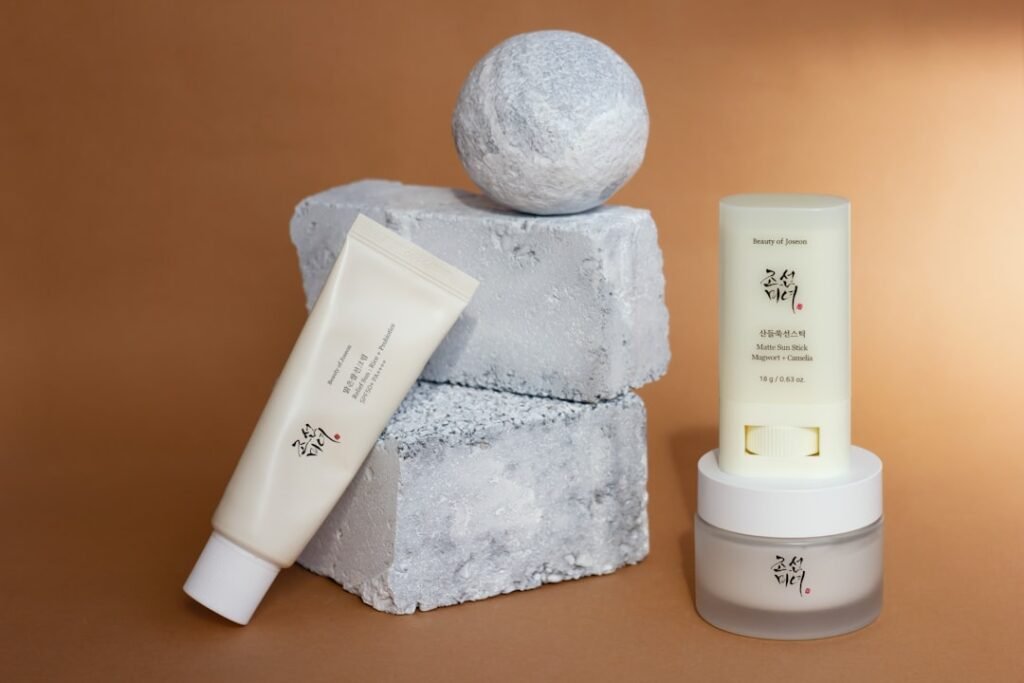
Eczema, a term that encompasses a variety of inflammatory skin conditions, is something many of us may have encountered, either personally or through someone we know. It manifests as red, itchy patches on the skin, often leading to discomfort and frustration. The exact cause of eczema remains somewhat elusive, but it is generally believed to stem from a combination of genetic and environmental factors.
Our skin acts as a barrier, and when this barrier is compromised—whether due to genetics, allergens, or irritants—eczema can develop. This condition can affect individuals of all ages, but it is particularly common in children. In addition to genetic predisposition, environmental triggers play a significant role in the onset and exacerbation of eczema.
Factors such as dry skin, exposure to harsh soaps or detergents, and even stress can contribute to flare-ups. We must also consider that certain allergens, like pollen or pet dander, can provoke an immune response that leads to the characteristic symptoms of eczema. Understanding these underlying causes is crucial for us as we navigate our journey with this condition.
Key Takeaways
- Eczema is a chronic skin condition characterized by inflammation and itching, and it can be caused by a combination of genetic and environmental factors.
- There are several types of eczema, including atopic dermatitis, contact dermatitis, and dyshidrotic eczema, each with its own specific symptoms and triggers.
- Over-the-counter treatments for eczema include moisturizers, corticosteroid creams, and antihistamines, which can help relieve itching and inflammation.
- Prescription medications, such as immunosuppressants and biologics, may be necessary for severe cases of eczema that do not respond to over-the-counter treatments.
- Natural remedies like coconut oil, oatmeal baths, and sunflower seed oil may provide relief for some individuals with eczema, but their effectiveness varies from person to person.
Types of Eczema: Identifying your specific condition
Eczema is not a one-size-fits-all diagnosis; rather, it encompasses several distinct types, each with its own characteristics and triggers. Atopic dermatitis is perhaps the most recognized form, often beginning in childhood and frequently persisting into adulthood. This type is characterized by dry, itchy skin and can be associated with other allergic conditions such as asthma or hay fever.
As we explore the various types of eczema, we may find that identifying our specific condition can significantly influence our treatment approach. Contact dermatitis is another common type that arises when our skin comes into direct contact with an irritant or allergen. This could be anything from a new soap to a metal in jewelry.
We might also encounter seborrheic dermatitis, which typically affects oily areas of the body and can lead to flaky patches. Each type of eczema has its own set of symptoms and triggers, making it essential for us to recognize which form we are dealing with in order to tailor our management strategies effectively.
Over-the-Counter Treatments: What options are available?
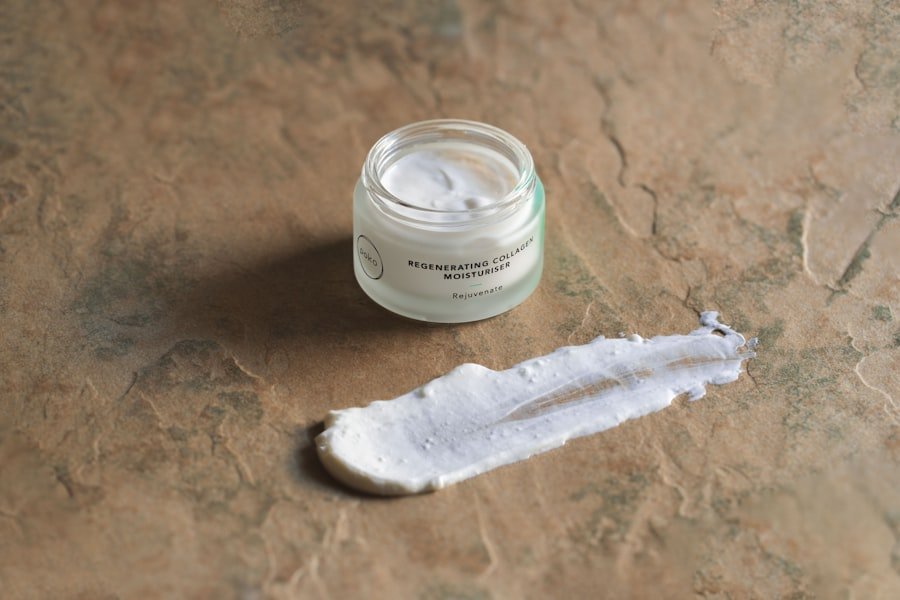
When it comes to managing eczema, many of us may first turn to over-the-counter (OTC) treatments. These options can provide relief for mild to moderate symptoms and are often readily accessible at pharmacies. One of the most common OTC treatments is hydrocortisone cream, a topical corticosteroid that helps reduce inflammation and itching.
We might find that applying this cream to affected areas can provide quick relief during flare-ups. In addition to corticosteroids, moisturizers play a vital role in our skincare routine for eczema management.
We should also consider using emollients that help lock in moisture and create a protective barrier on the skin. By incorporating these OTC treatments into our daily regimen, we can take proactive steps toward managing our eczema symptoms effectively.
Prescription Medications: When are they necessary?
While OTC treatments can be effective for many of us, there are times when prescription medications become necessary. For those experiencing moderate to severe eczema or persistent flare-ups that do not respond to OTC options, consulting a healthcare professional is crucial. Prescription-strength topical corticosteroids may be recommended for more intense inflammation and itching.
These medications are typically stronger than their OTC counterparts and can provide significant relief when used correctly. In some cases, systemic medications may be warranted. These include oral corticosteroids or immunosuppressants that help control the immune response contributing to eczema flare-ups.
We should also be aware of newer biologic therapies that target specific pathways involved in eczema. These medications have shown promise for individuals with severe cases who have not found relief through traditional treatments. Understanding when prescription medications are necessary allows us to make informed decisions about our eczema management.
Natural Remedies: Do they work for eczema?
As we seek relief from eczema symptoms, many of us may explore natural remedies as an alternative or complementary approach to traditional treatments. Some individuals find success with natural oils, such as coconut oil or sunflower oil, which can help moisturize the skin and reduce inflammation. These oils contain fatty acids that support the skin barrier and may alleviate dryness associated with eczema.
However, while natural remedies can be beneficial for some, we must approach them with caution. Not all natural products are suitable for everyone, and some may even trigger allergic reactions or worsen symptoms. It’s essential for us to conduct thorough research and consult with healthcare professionals before incorporating new remedies into our skincare routine.
By doing so, we can ensure that we are making safe and informed choices in our quest for effective eczema management.
Lifestyle Changes: How can they help manage eczema?
In addition to topical treatments and medications, lifestyle changes can play a significant role in managing eczema effectively. For many of us, adopting a holistic approach that includes dietary modifications and stress management techniques can lead to improved skin health. A diet rich in anti-inflammatory foods—such as fruits, vegetables, whole grains, and healthy fats—may help reduce flare-ups by supporting our overall immune function.
Moreover, stress is known to exacerbate eczema symptoms for many individuals. By incorporating relaxation techniques such as yoga, meditation, or deep-breathing exercises into our daily routines, we can help mitigate stress levels and potentially reduce the frequency of flare-ups. Recognizing the connection between our mental well-being and skin health empowers us to take proactive steps toward managing our eczema more effectively.
Managing Triggers: Identifying and avoiding common eczema triggers
Identifying and managing triggers is a crucial aspect of living with eczema. Each of us may have unique triggers that provoke flare-ups, making it essential to keep track of our symptoms and potential causes. Common triggers include environmental factors such as pollen, dust mites, pet dander, and certain fabrics like wool or synthetic materials.
By being mindful of these elements in our surroundings, we can take steps to minimize exposure.
For instance, hot showers or baths can strip moisture from the skin, leading to increased dryness and irritation.
By adjusting our bathing habits and using lukewarm water instead, we can help maintain skin hydration. Keeping a journal to document flare-ups alongside potential triggers can provide valuable insights into what works best for us in managing our eczema.
Skincare Routine: Tips for keeping your skin healthy and hydrated
Establishing a consistent skincare routine is vital for maintaining healthy skin when living with eczema. We should prioritize gentle cleansing methods that do not strip the skin of its natural oils. Opting for mild, fragrance-free cleansers can help prevent irritation while effectively removing dirt and impurities from the skin’s surface.
Moisturizing is another critical component of our skincare routine. Applying a thick emollient immediately after bathing helps lock in moisture and creates a protective barrier against environmental irritants. We might also consider using occlusive agents like petroleum jelly on particularly dry areas to provide an extra layer of hydration.
By committing to a regular skincare regimen tailored to our needs, we can significantly improve our skin’s health and resilience against eczema flare-ups.
Alternative Therapies: Exploring non-traditional treatments for eczema
As we navigate the complexities of eczema management, some of us may be drawn to alternative therapies as potential solutions. Acupuncture, for instance, has gained popularity among individuals seeking relief from various health conditions, including eczema. Some studies suggest that acupuncture may help reduce inflammation and improve overall skin health by promoting relaxation and enhancing blood circulation.
Another alternative approach worth exploring is the use of probiotics. Emerging research indicates that gut health may play a role in skin conditions like eczema. By incorporating probiotic-rich foods or supplements into our diets, we might support our immune system and potentially reduce the severity of symptoms.
While alternative therapies may not work for everyone, they offer additional avenues for us to consider in our quest for effective eczema management.
Seeking Professional Help: When to consult a dermatologist
While self-management strategies are essential for living with eczema, there are times when seeking professional help becomes necessary. If we find ourselves struggling with persistent symptoms despite trying various treatments or if our condition worsens significantly, consulting a dermatologist is crucial. A dermatologist specializes in skin conditions and can provide tailored advice based on our specific needs.
Additionally, if we experience secondary infections due to scratching or open sores caused by eczema flare-ups, it’s vital to seek medical attention promptly. A dermatologist can prescribe appropriate medications or recommend advanced treatment options that may not be available over-the-counter. Recognizing when to seek professional help empowers us to take control of our eczema journey effectively.
Finding the Best Treatment for You: Personalizing your eczema management plan
Ultimately, finding the best treatment for our individual cases of eczema requires a personalized approach. What works for one person may not necessarily work for another; therefore, it’s essential for us to experiment with different strategies while keeping track of what yields positive results. Collaborating with healthcare professionals allows us to develop a comprehensive management plan tailored specifically to our needs.
We should also remain open-minded about combining various treatment modalities—such as topical treatments, lifestyle changes, and alternative therapies—to create a holistic approach that addresses both the physical and emotional aspects of living with eczema. By taking an active role in our treatment journey and advocating for ourselves, we can find effective solutions that enhance our quality of life while managing this challenging condition. In conclusion, navigating the world of eczema requires understanding its complexities while remaining proactive in seeking effective management strategies.
By educating ourselves about the condition’s causes and types, exploring treatment options—both conventional and alternative—and making necessary lifestyle adjustments, we empower ourselves on this journey toward healthier skin.
If you are looking for more information on cosmetic dermatology treatments, you may want to check out offset){jQuery('.progress-wrap').addClass('active-progress')}else{jQuery('.progress-wrap').removeClass('active-progress')}});jQuery('.progress-wrap').on('click',function(e){e.preventDefault();jQuery('html, body').animate({scrollTop:0},duration);return!1})})