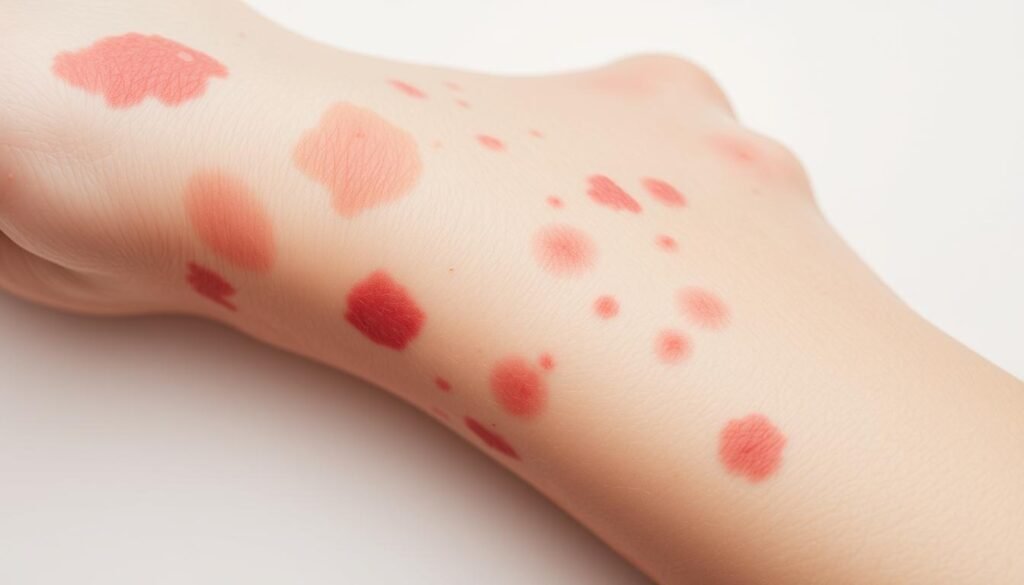
Over 31 million Americans suffer from skin conditions that cause discomfort and visible changes. Many of these conditions have overlapping characteristics like redness, itching, and changes in texture. This makes it hard to tell them apart, even in the early stages.
At first, skin changes might seem small. You might notice a tiny patch that feels or looks different. As time goes on, these signs can grow stronger and harder to ignore.
This guide will help you spot possible eczema signs. We’ll explore the common patterns people experience and when to seek professional help. Spotting early signs can lead to better management.
Knowing what to look for lets you take action. Whether it’s you or someone you care about, understanding eczema signs is key.
Medical Disclaimer: This content is for informational and educational purposes only. It does not offer medical advice. Skin conditions differ greatly from person to person. Always see a board-certified dermatologist or a qualified healthcare professional for a correct diagnosis and treatment.
Key Takeaways
- Millions of Americans experience skin conditions with similar characteristics, making proper identification essential for effective care
- Early changes may appear subtle but can become more noticeable over time, requiring careful observation
- Common indicators include redness, persistent itching, and changes in skin texture or appearance
- Understanding typical patterns helps you recognize when professional medical evaluation is necessary
- This guide provides educational information to support informed decisions about seeking dermatological care
- Professional diagnosis from a board-certified dermatologist ensures accurate identification and personalized treatment plans
What Is Eczema?
Eczema is a long-term skin disorder that messes with the body’s natural barrier. It makes the skin red, itchy, and inflamed. Over 31 million Americans suffer from it. Atopic dermatitis is the most common form, but eczema includes several related conditions.
The word “eczema” comes from a Greek word meaning “to boil over.” This describes how the skin looks during flare-ups. People with eczema have a weak skin barrier. This lets moisture escape and irritants get in easily. This leads to a cycle of inflammation and discomfort that can last a lifetime.
Eczema is not contagious, but it is chronic. Understanding the condition is the first step toward managing it effectively.
Different Forms of the Condition
Eczema comes in many forms, each with its own traits. Atopic dermatitis is the most common, starting in childhood. It often comes with asthma or hay fever. It shows signs like intense itching, redness, and dry patches, mainly in skin folds.
Contact dermatitis happens when the skin reacts to substances it touches. This can be due to harsh chemicals or allergies to things like nickel or fragrances.
Dyshidrotic eczema causes small blisters on the hands and feet. These blisters are itchy and painful, often showing up in warmer months or when stressed.
| Eczema Type | Primary Location | Key Features | Common Age Group |
|---|---|---|---|
| Atopic Dermatitis | Face, neck, skin folds | Intense itching, dry patches, redness | Infants and children |
| Contact Dermatitis | Areas exposed to irritants | Burning sensation, localized rash | All ages |
| Dyshidrotic Eczema | Hands and feet | Small blisters, intense itching | Adults under 40 |
| Nummular Eczema | Arms, legs, torso | Coin-shaped patches, very itchy | Middle-aged adults |
| Seborrheic Dermatitis | Scalp, face, chest | Oily, scaly patches, dandruff | Infants and adults |
Nummular eczema creates coin-shaped spots on the skin. These spots can be hard to treat. They often appear after skin injury, insect bites, or in dry winter months.
Seborrheic dermatitis mainly hits oily areas like the scalp, face, and chest. It causes scaly patches and dandruff. In infants, it’s called cradle cap, and in adults, it leads to persistent flaking.
Stasis dermatitis affects the lower legs due to poor circulation. It’s common in older adults with vein problems. It can cause skin discoloration and swelling.
What Triggers These Reactions
The eczema causes involve genetics, immune function, and environment. People with eczema often have a genetic predisposition that weakens their skin’s moisture and defense. Research shows that mutations in the filaggrin gene, which helps form the skin barrier, occur in many individuals with atopic dermatitis.
Immune system dysfunction plays a big role in eczema. The body’s defense overreacts to certain triggers, releasing chemicals that cause redness, swelling, and itching. This hyperactive immune response is why eczema often goes hand in hand with other allergies.
Environmental factors are the last piece of the eczema puzzle. While genetics set the stage, environmental triggers pull the trigger. Knowing what triggers eczema helps people manage their symptoms.
Common triggers for eczema include:
- Irritants: Soaps, detergents, shampoos, disinfectants, and household cleaners
- Allergens: Dust mites, pet dander, pollen, mold, and certain foods
- Microbes: Bacteria like Staphylococcus aureus, viruses, and certain fungi
- Temperature changes: Hot weather, high humidity, cold dry air, and sweating
- Foods: Dairy products, eggs, nuts, seeds, soy, and wheat in sensitive individuals
Stress is another big trigger for eczema flare-ups. Stress doesn’t directly cause eczema but weakens the immune system, making symptoms worse. Emotional stress can create a cycle where stress worsens eczema, and worsening skin increases stress levels.
Clothing materials can also cause reactions. Rough fabrics like wool and synthetic materials trap heat and moisture, leading to irritation. Many find that soft, breathable cotton helps reduce discomfort.
Hormonal changes can affect eczema, mainly in women. Symptoms may worsen during pregnancy, menstrual cycles, or menopause. These changes affect the skin barrier and immune responses, making flare-ups more likely.
Common Eczema Symptoms
The skin sends clear signals when eczema develops, from texture changes to persistent discomfort. Each person experiences eczema differently. But, certain symptoms appear consistently across most cases.
Most people first notice something feels wrong before they see visible changes. The characteristic eczema rash may take days or weeks to fully develop after initial sensations begin. Understanding these common symptoms helps you identify eczema in its earliest stages and respond appropriately.
Changes in texture, color, or comfort may be subtle at first but become more noticeable over time. What begins as slight dryness can evolve into more pronounced symptoms during active flare-ups. Learning to recognize these patterns empowers you to manage your condition more effectively.
Intense Sensations and Discomfort
The most distressing symptom for many people is persistent eczema itching that ranges from mild annoyance to severe, sleep-disrupting sensations. This itchiness frequently appears before any visible skin changes become apparent. Some describe it as a crawling feeling, while others experience burning or stinging sensations alongside the urge to scratch.
The intensity of itchy skin often worsens at night when distractions decrease and body temperature rises. This nighttime increase disrupts sleep quality and leaves many feeling exhausted. Children struggle with controlling the urge to scratch during sleep, leading to unintentional skin damage.
Scratching provides temporary relief but creates a harmful cycle that dermatologists call the itch-scratch cycle. Each scratch damages the protective skin barrier further, triggering more inflammation and intensifying the itching sensation. Breaking this cycle requires conscious effort and proper treatment strategies.
The constant discomfort affects concentration, mood, and daily activities for many individuals. Some people report that eczema itching impacts their quality of life as much as chronic pain conditions. Recognizing this symptom early allows for intervention before the cycle becomes established.
Visible Skin Discoloration
An eczema rash typically manifests as discolored patches that vary significantly depending on your natural skin tone. On lighter skin, these areas appear red or pink due to increased blood flow and inflammation. The color may intensify during flare-ups and fade to lighter shades during calm periods.
People with darker skin tones experience different visible changes that are sometimes harder to identify. Patches may appear brownish, purplish, or grayish. These color variations occur because melanin in darker skin affects how inflammation presents visually.
The location of these patches provides additional clues about eczema type and triggers. Common areas include:
- Inner elbows and behind knees where skin folds create moisture
- Hands and wrists exposed to frequent washing and irritants
- Face and neck areas sensitive to environmental factors
- Ankles and feet affected by footwear friction
These discolored areas may start small and expand over time if left untreated. The borders can be well-defined or blend gradually into surrounding healthy skin. During active flare-ups, the affected areas become more pronounced and easier to identify visually.
Textural Changes and Moisture Loss
Eczema causes distinctive textural changes that you can both see and feel on affected skin areas. Dry or scaly skin develops as the protective barrier becomes compromised and loses its ability to retain moisture effectively. These rough, flaky patches feel different from surrounding healthy skin when you touch them.
The texture may progress from slight roughness to thick, leathery areas in chronic cases. Some patches develop fine scales that shed constantly, leaving visible flakes on clothing. Others form larger, plate-like scales that resist normal moisturizing efforts.
This barrier dysfunction creates a cascade of problems beyond appearance concerns. Moisture evaporates more rapidly from damaged skin, leading to tightness and discomfort. The compromised barrier also allows irritants and allergens to penetrate more easily, triggering additional inflammation.
You might notice that affected areas feel different temperatures than surrounding skin. Some report that dry patches feel warmer during active inflammation, while others describe a cool sensation. These temperature variations reflect the complex inflammatory processes occurring beneath the surface.
The severity of textural changes often correlates with how long symptoms have been present. Fresh eczema may show only slight dryness, while longstanding cases develop pronounced scaling and thickening. Consistent treatment and barrier repair can gradually improve these textural abnormalities over time.
Identifying Eczema in Infants
Infant eczema is a big challenge for parents. Spotting eczema symptoms early is key to getting help fast. It looks different in babies than in older kids and adults.
Parents often see their baby’s discomfort before they see signs. Knowing what to look for helps tell eczema apart from other skin issues in babies.
Baby-Specific Signs and Presentations
Eczema in babies starts between 2 to 6 months of age. It often hits the face, like the cheeks, chin, and forehead. Unlike older kids, babies don’t usually get it in the creases first.
The scalp is also a common spot for eczema in babies. You might see crusty, oozing, or weeping patches. These look red and inflamed, making the baby uncomfortable.
The skin feels rough and scaly. Persistent itchiness makes babies rub their faces on things. This rubbing can make things worse.
Behavioral changes often go with skin symptoms. Babies with eczema might:
- Get fussier, like during diaper changes or when getting dressed
- Have trouble sleeping or staying asleep
- Try to scratch or rub their skin a lot
- Cry when touched in sore spots
- Be restless during feeding
Eczema in babies can vary. Some have mild redness and scaling, while others have more serious inflammation. Symptoms can change a lot, getting worse with certain triggers.
How Baby Eczema Differs from Adult Forms
Where eczema shows up is a big difference between babies and adults. Adults usually get it in flexural areas like elbows and knees. Babies get it on their arms and legs, and on their face.
Babies often have symptoms on the outer parts of their arms and legs. This is because their skin is more exposed. As they get older, eczema moves to the typical spots seen in adults.
The outlook for baby eczema is good for many families. Many babies grow out of it by school age. But some kids keep having flare-ups into their teens and beyond.
Baby skin is more sensitive than adult skin. It’s thinner and loses water faster. This makes babies more likely to react to things that don’t bother adults as much.
Treating eczema in babies needs special care. Many treatments for adults aren’t safe for babies. Doctors who specialize in kids’ skin help figure out the best way to treat it.
Parents should watch their baby’s skin closely. Keeping track of when flare-ups happen and what might cause them helps doctors find the best treatment.
Eczema vs. Other Skin Conditions
Skin conditions often look alike, making it hard to know what you have. Redness, itching, and scaling are common in many disorders. You need a proper evaluation to figure out the exact condition.
Many people mistake eczema skin irritation for other conditions. Symptoms can look like psoriasis, dermatitis, or allergic reactions. Knowing the differences is key to getting the right treatment.
Getting a correct diagnosis is important for effective care. Home observations can give clues, but only a healthcare professional can confirm the condition. Here are some key differences between eczema and similar skin problems.
Psoriasis
Psoriasis has thick, raised patches with silvery-white scales. These scales are more defined and pronounced than eczema’s. The patches often appear on elbows, knees, and the scalp in symmetrical patterns.
Location patterns help tell these conditions apart. Psoriasis affects extensor surfaces like the outside of joints. Eczema, on the other hand, often appears in flexural areas like the inside of elbows and behind knees.
The texture of affected skin is another clue. Psoriasis patches feel thicker and more raised than eczema. Both conditions cause redness and scaling, but psoriasis scales have a distinctive silver appearance.
Dermatitis
Eczema is actually a form of dermatitis called atopic dermatitis. This connection can cause confusion. Other dermatitis types have unique triggers and appearances that help differentiate them.
Contact dermatitis occurs after skin touches specific allergens or irritants. This reaction happens quickly after exposure to substances like poison ivy, nickel, or harsh chemicals. The affected area usually matches where contact occurred.
Seborrheic dermatitis mainly targets oily areas of the body. It affects the scalp, face, and upper chest where oil glands are most active. It produces yellowish, greasy scales, unlike the dry, rough patches of eczema skin irritation.
Atopic dermatitis is chronic, unlike other dermatitis forms. While contact dermatitis goes away when you avoid the trigger, eczema needs ongoing management.
Allergic Reactions
Acute allergic reactions like hives develop quickly and look different from eczema. Hives appear as raised, red welts that move around the body and usually resolve within hours or days. These welts often have defined borders and a swollen appearance.
Timing is a key difference between allergic reactions and eczema. Allergic responses occur shortly after exposure to an allergen and fade relatively quickly. Eczema is a chronic inflammatory condition with symptoms that persist or recur over extended periods.
The pattern of symptoms differs significantly between these conditions. Allergic reactions tend to be isolated incidents tied to specific exposures. Eczema follows a fluctuating course with flare-ups and calmer periods that aren’t always linked to identifiable triggers.
| Condition | Key Characteristics | Common Locations | Duration Pattern |
|---|---|---|---|
| Eczema | Dry, itchy patches with red or brownish-gray color; chronic inflammation | Inner elbows, behind knees, hands, face, neck | Long-term with recurring flare-ups |
| Psoriasis | Thick, raised patches with silvery-white scales; well-defined borders | Elbows, knees, scalp, lower back (symmetrical) | Chronic with periodic worsening |
| Contact Dermatitis | Redness, itching, sometimes blistering; reaction to irritant or allergen | Area of direct contact with trigger substance | Resolves when trigger is removed |
| Seborrheic Dermatitis | Yellowish, greasy scales; affects oily skin areas | Scalp, face, upper chest, skin folds | Chronic with seasonal variations |
| Allergic Reaction (Hives) | Raised, red welts; rapid onset; itchy; welts may migrate | Any body area; often widespread | Acute, resolves within hours to days |
Professional evaluation is key for accurate diagnosis. While these features help, skin conditions can present differently. A dermatologist can perform tests and exams to determine your symptoms and recommend treatment.
The Progression of Eczema Symptoms
Eczema symptoms start with small changes that grow worse if not treated. People often miss these early signs, thinking they’re just dry skin or minor irritation. Knowing how eczema progresses helps you catch it early and avoid worse problems.
Eczema doesn’t show up suddenly. It starts slowly, making it hard to notice early but very important for treatment.
Initial Signs
The first signs of eczema can appear weeks before it’s obvious. You might feel your skin is a bit rougher, like on your hands or elbows. This is your skin’s way of telling you it’s weakening.
At first, the itching is mild and not constant. The affected areas might feel tight after a bath or in dry air. You might also notice a slight color change, like pinker or grayish skin, but it’s easy to ignore.
These early warning signals can come and go, making you think everything is fine. You might blame the weather or a new soap for the discomfort. But ignoring these signs lets eczema get worse.
Changes Over Time
Without treatment, eczema gets worse in stages. The first stage, called acute, is when you see eczema flare-ups. Your skin turns bright red, swells, and might get blisters. These blisters can burst, leaving clear liquid and crusty patches.
The next stage, subacute, is when the swelling goes down but the skin stays dry and flaky. This can last for weeks or months. The skin might crack, which can hurt and increase the chance of infection.
Chronic eczema happens when the condition isn’t managed well for a long time. Scratching makes the skin thick and leathery. It can also get darker and feel harder than normal skin.
| Eczema Phase | Duration | Primary Symptoms | Skin Appearance |
|---|---|---|---|
| Acute Phase | Days to 2 weeks | Intense inflammation, blisters, oozing, severe itching | Bright red, swollen, crusty patches |
| Subacute Phase | 2 weeks to 3 months | Scaling, cracking, moderate itching, dryness | Flaky, pink to red, rough texture |
| Chronic Phase | 3+ months | Thickened skin, persistent itching, lichenification | Leathery, darkened, deeply lined |
Many people find their eczema flare-ups follow patterns. Cold, dry weather and certain fabrics or stress can trigger outbreaks. Knowing these patterns helps you prevent them.
The severity of symptoms can change a lot. Hormones, diet, allergens, and stress all play a part. This means you need to manage eczema all the time, not just when it’s bad.
Some people have periods where their skin looks normal, only to flare up again. These ups and downs can be tough. But keeping up with skincare routines, even when you’re not having a flare-up, is key. Staying vigilant can help prevent worse outbreaks.
When to Seek Professional Help
Many people handle mild eczema on their own. But, some situations need a doctor’s help. Knowing when to seek medical advice can prevent problems and improve your life.
Not every flare-up needs a doctor. But, ignoring certain signs can be risky. A doctor can give the right treatment and check for other skin issues.
Warning Signs That Need Medical Attention
Some symptoms mean you need a doctor, not just home care. If your skin doesn’t get better after one to two weeks of over-the-counter care, see a doctor. Home remedies are good for mild cases, but strong symptoms need stronger treatments.
Look out for signs of infection. These are serious. Warmth, pus, yellow or honey-colored crusting, and fever mean you need to see a doctor fast.
If your eczema gets worse despite trying everything at home, it’s time to see a dermatologist. They can figure out why and change your treatment.
Consider seeking help when:
- Rashes spread to cover large portions of your body
- Symptoms appear alongside other health concerns like joint pain or fatigue
- Your skin becomes extremely painful
- Standard treatments that previously worked suddenly stop being effective
- You develop new symptoms you haven’t experienced before
What looks like eczema could be something else. Accurate diagnosis is essential for effective treatment.
Quality of Life Considerations
Eczema affects more than just your skin. It can disrupt sleep, mood, and energy. If you’re waking up often because of itching, you need help.
Work and school can suffer with eczema. If it’s hard to focus or you need breaks, see a doctor. You deserve to do well.
Don’t ignore the emotional side of eczema. Anxiety, depression, or feeling embarrassed can all be reasons to seek help. Mental health and skin health are interconnected, and treating both is key.
Consider scheduling an appointment if eczema symptoms:
- Prevent you from enjoying activities you once loved
- Make you feel self-conscious in social situations
- Cause significant stress or emotional distress
- Force you to modify your clothing choices constantly
- Interfere with personal relationships or intimacy
Your dermatologist can offer stronger treatments and help you find hidden triggers. You don’t have to suffer in silence or accept a lower quality of life.
Getting help early can prevent problems and improve your life in the long run. When eczema gets in the way of your daily life, seeking medical advice is a smart move. Doctors can offer solutions you might not have thought of.
Treatment Options Available
There are many ways to treat eczema and manage symptoms. The best choice depends on how bad your eczema is and how well you react to treatments. Doctors usually start with gentle treatments and move to stronger ones if needed.
Most people find success with a tiered approach. Start with basic skincare and add medications if needed. Working closely with your doctor helps find the right mix for you.
Accessible Relief from Your Local Pharmacy
Many treatments are available without a doctor’s prescription. These are the basics for managing eczema. Moisturizers and emollients are key for keeping your skin moist and calm.
Use thick creams or ointments at least twice a day to keep moisture in. Look for products that are “fragrance-free” and “hypoallergenic” to avoid irritation. The best time to moisturize is right after bathing when your skin is damp.
For mild inflammation, over-the-counter hydrocortisone cream can help. It’s a weak steroid that reduces redness and itching. But, it shouldn’t be your only treatment.
Other drugstore remedies include:
- Colloidal oatmeal baths that soothe irritated skin and reduce itching
- Gentle, soap-free cleansers that clean without stripping natural oils
- Petroleum jelly or mineral oil as effective barrier protectants
- Anti-itch lotions containing menthol or pramoxine for temporary relief
These options work well for mild cases. But, for more severe symptoms, you’ll need stronger treatments from a dermatologist.
Medical Therapies for Persistent Cases
When over-the-counter products don’t help enough, you may need prescription treatments. Dermatologists have many strong medications for moderate to severe eczema. Topical corticosteroids come in different strengths, depending on how severe your symptoms are.
Your doctor will choose the lowest effective strength for the shortest time. These medications reduce inflammation quickly but need careful monitoring to avoid side effects. Never use prescription-strength steroids without a doctor’s guidance.
Newer prescription options offer alternatives to steroids. Topical calcineurin inhibitors like tacrolimus and pimecrolimus work differently than steroids. They suppress the immune response in skin without causing thinning.
Advanced topical medications include:
- PDE4 inhibitors (crisaborole) that reduce inflammation through enzyme blocking
- JAK inhibitors (ruxolitinib) that interrupt immune signaling pathways
- Barrier repair creams with prescription-strength ceramides and lipids
Severe cases may need systemic treatments that work throughout the body. Oral corticosteroids provide quick relief during serious flares but can’t be used long-term. Immunosuppressants like cyclosporine and methotrexate help control chronic severe eczema.
Biologic medications are a breakthrough in eczema care. Dupilumab targets specific immune proteins that drive inflammation. This injectable treatment has changed the game for patients with severe disease resistant to other treatments.
Phototherapy uses controlled ultraviolet light exposure to reduce inflammation. This treatment requires regular sessions at a medical facility. It’s effective for widespread eczema that doesn’t respond to topical treatments alone.
Daily Habits That Support Healing
Medications work best when combined with smart lifestyle choices. Home care strategies help prevent flares and keep your skin healthy between treatments. Identifying your personal triggers is the first step toward better control.
Keep a symptom diary to track what makes your eczema worse. Common triggers include certain fabrics, soaps, temperature changes, and stress. Once you know your triggers, you can avoid them.
Have a consistent skincare routine that you follow every day. This includes gentle cleansing, immediate moisturizing, and regular application of prescribed medications. Consistency is more important than expensive products.
Environmental changes can also help:
- Use a humidifier during dry months to maintain indoor moisture levels between 30-50%
- Choose soft, breathable fabrics like cotton instead of wool or synthetic materials
- Keep bedroom temperatures cool as overheating can trigger itching
- Wash new clothes before wearing to remove chemical residues
- Install water softeners if you live in an area with hard water
Stress management techniques like meditation, yoga, or regular exercise help many people. Stress doesn’t cause eczema but can trigger flares in susceptible individuals. Finding healthy ways to cope with tension improves overall symptom control.
Dietary changes may help if food sensitivities contribute to your symptoms. Common culprits include dairy, eggs, nuts, and wheat. Work with an allergist to identify true food triggers through proper testing.
| Treatment Category | Examples | Best For | Key Benefits |
|---|---|---|---|
| Over-the-Counter | Moisturizers, hydrocortisone cream, colloidal oatmeal | Mild eczema, daily maintenance | Accessible, affordable, minimal side effects |
| Prescription Topical | Strong corticosteroids, calcineurin inhibitors, JAK inhibitors | Moderate to severe localized eczema | Targeted relief, fewer systemic effects |
| Systemic Medications | Biologics, immunosuppressants, oral steroids | Severe widespread eczema | Whole-body effect, powerful inflammation control |
| Lifestyle Measures | Trigger avoidance, skincare routine, stress management | All severity levels, prevention | No side effects, addresses root causes, long-term benefits |
The most effective approach combines multiple strategies tailored to your individual situation. What works for one person may not work for another. Be patient and persistent as you work with your healthcare team to find your optimal treatment plan.
Managing Eczema Long-Term
Managing eczema long-term means making habits and taking protective steps. Medications help with flare-ups, but eczema management needs ongoing skin care and avoiding irritants. This approach helps reduce symptoms over time.
Creating lasting habits is key for healthier skin. This includes daily routines and lifestyle changes to avoid irritants.
Daily Care Practices for Healthy Skin
A good skincare routine is the base of eczema management. The soak and seal method is great for keeping skin moist.
Bath in lukewarm water for 5-10 minutes. Pat dry and apply moisturizer within three minutes. This keeps moisture in the skin.
Choosing the right products is important. Look for cleansers and moisturizers with ceramides and hyaluronic acid. These help repair and keep the skin moist.
Apply moisturizers often, like after washing hands or bathing. This keeps the skin from getting dry and cracked.
Keep using prescribed medications, even when skin looks good. Topical treatments work best as ongoing therapy. Stopping too soon can lead to symptoms coming back.
Adjust your routine with the seasons. Use thicker moisturizers in cold weather and lighter ones in hot weather. This keeps skin hydrated all year.
| Skincare Step | Frequency | Key Products | Purpose |
|---|---|---|---|
| Lukewarm bathing | Once daily (5-10 minutes) | Gentle, fragrance-free cleansers | Remove irritants without stripping oils |
| Moisturizer application | 2-3 times daily minimum | Ceramide and hyaluronic acid formulas | Repair skin barrier and lock in moisture |
| Prescription medications | As directed by healthcare provider | Topical corticosteroids or calcineurin inhibitors | Reduce inflammation and prevent flare-ups |
| Hand moisturizing | After each washing | Thick hand creams or ointments | Protect frequently exposed areas |
Identifying and Minimizing Exposure to Irritants
Knowing what triggers your eczema helps you manage it better. Everyone reacts differently to things around them, so finding what works for you is key.
Keep a diary of your symptoms and what might cause them. Note things like what you eat, stress levels, and the weather. After a few weeks, you’ll see patterns.
There are ways to avoid common irritants. Here are some tips:
- Use hypoallergenic bedding and wash it in hot water weekly
- Keep the humidity in your home between 30-50% with humidifiers or dehumidifiers
- Choose fragrance-free household products
- Install HEPA filters to remove allergens like dust mites and pet dander
- Avoid extreme temperatures that can stress your skin
What you wear also matters. Choose soft, breathable fabrics like cotton. Avoid wool and synthetic materials that can trap heat and moisture. Remove tags and wear seamless clothes to reduce irritation.
Stress can also trigger eczema. Find ways to relax, like deep breathing, meditation, or yoga. These can help prevent flare-ups.
Be careful with your diet if you have food sensitivities. Common culprits include dairy, eggs, nuts, soy, and wheat. Work with your doctor to figure out what you’re sensitive to, so you don’t have to cut out too much.
Extreme temperatures can also be a problem. Dress in layers and avoid being in very hot or cold places for too long. Use sunscreen to protect your skin from the sun, as sunburn can make eczema worse.
Exercise is good for you, but it can make eczema symptoms worse. Shower and moisturize after working out. Wear clothes made from moisture-wicking fabrics to reduce irritation.
Following these tips can help reduce flare-ups over time. While you might not get rid of eczema completely, long-term eczema management can greatly improve your life. Stick with it and you’ll see better skin health.
Conclusion: Being Proactive About Eczema
Understanding your skin and spotting changes early can greatly help manage eczema. Identifying atopic dermatitis symptoms early lets you act fast. This can stop more serious flare-ups.
Recognizing Signs Early Matters
Spotting symptoms early means you can tackle them before they get worse. Dry, itchy patches are often the first sign of a flare. Noticing these signs early lets you act fast.
Keeping track of your symptoms and what triggers them helps you make better skincare choices. Knowing this information helps you live more comfortably and do more every day.
Professional Guidance Makes a Difference
While learning about your condition is helpful, seeing a doctor is key. A board-certified dermatologist can look at your situation and suggest the best eczema treatment options for you.
Doctors give you a correct diagnosis and help you manage your condition. They can prescribe medicines, suggest light therapy, or other treatments based on your case.
This information is for learning and education only. It’s not medical advice. Always see a board-certified dermatologist or a healthcare expert for a proper diagnosis and treatment. Getting professional help is an investment in your skin health and quality of life.