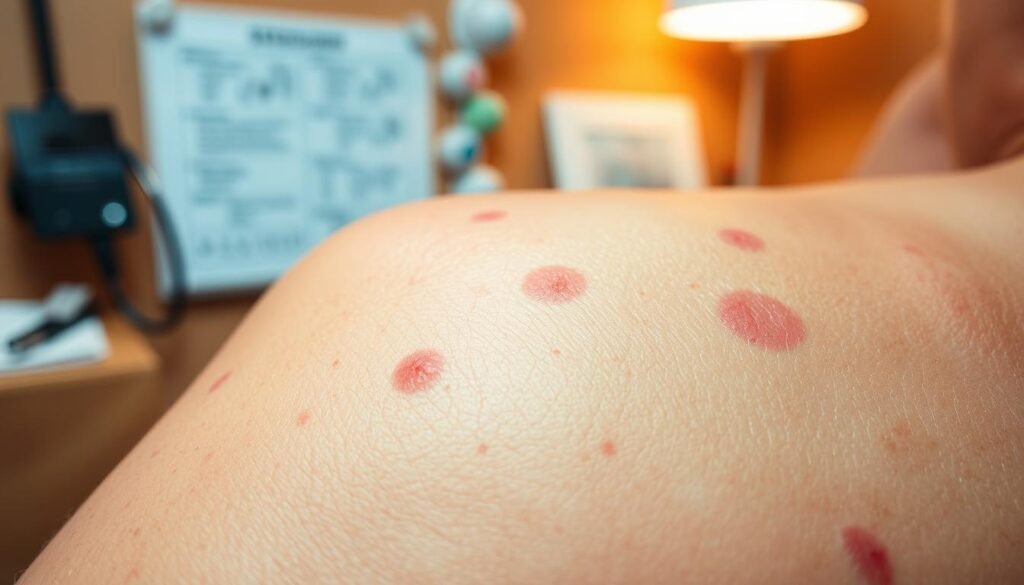
More than 85 million Americans deal with inflammatory skin conditions every year. Many ignore early signs, thinking they’re just temporary. Spotting these signs early can greatly help manage discomfort and stop conditions from getting worse.
Inflammatory Skin Conditions can look very similar. Symptoms like redness, itching, and changes in texture can mean many different things. What seems like simple dry skin might actually be a sign of something serious.
This guide will help you know when to pay closer attention to symptoms. You’ll learn about common warning signs, how to track changes, and when to see a doctor.
Important Medical Disclaimer: This content is for information and education only. Chronic Skin Inflammation can affect people in many different ways. Getting a proper diagnosis from a doctor is key. Always see a board-certified dermatologist or a qualified healthcare professional for the right diagnosis and treatment. This info should not replace professional medical advice.
Key Takeaways
- Over 85 million Americans experience inflammatory skin conditions annually, making early detection key for effective management
- Many inflammatory skin issues share overlapping symptoms like redness, itching, and texture changes, making self-diagnosis unreliable
- Recognizing subtle changes early can help prevent condition progression and reduce long-term discomfort
- Professional evaluation by a board-certified dermatologist is essential for accurate diagnosis and personalized treatment plans
- This guide provides educational information only and should never replace consultation with qualified healthcare professionals
Understanding Chronic Skin Inflammation
Healthy skin can turn into chronic inflammation with small changes. You might feel or see changes before they show. These signs can mean a long-term issue that needs attention.
Knowing what’s happening under your skin is key. It helps you spot problems early. This knowledge is your first step in managing skin issues.
The Nature of Persistent Inflammatory Response
Chronic skin inflammation is not like a quick redness from a cut or sunburn. It lasts for months or years. This ongoing issue causes discomfort and visible changes that affect your daily life.
This condition has a cycle. You might have intense flare-ups followed by calm periods called remission. During flare-ups, symptoms get worse. Remission offers relief, but the inflammation keeps going at a lower level.
Many types of dermatitis are chronic. The skin keeps reacting to threats, even when there’s none.
Mechanisms Behind Lasting Skin Reactions
To understand chronic skin inflammation, look at several factors. Your immune system is central. It protects you and heals injuries well when it works right.
But, in chronic inflammation, the immune system gets stuck in alert mode. It keeps damaging healthy tissue even after the initial threat is gone.
Genetic predisposition affects how you react to challenges. Some people are more likely to have a reactive immune system. This doesn’t mean you’ll definitely get chronic inflammation, but it makes you more likely.
The skin barrier gets damaged during inflammation. This barrier keeps bad stuff out and good stuff in. When it’s broken, allergens and irritants can get in, causing more inflammation.
Environmental triggers and your genes decide if inflammation becomes chronic. Repeated exposure to these triggers keeps the inflammation going, stopping your skin from getting back to normal.
Identifying What Drives Inflammation
Many things can start and keep chronic skin inflammation going. Knowing what causes it helps you understand and find ways to change.
Common causes include:
- Allergens: Things like pollen, pet dander, dust mites, or certain foods can trigger immune reactions
- Contact irritants: Harsh soaps, detergents, fragrances, or chemicals in skincare products can cause ongoing reactions
- Genetic factors: If your family has eczema, psoriasis, or other inflammatory conditions, you’re at higher risk
- Stress: Stress can raise cortisol levels and affect your immune system
- Hormonal changes: Changes during menstrual cycles, pregnancy, or menopause can trigger or make symptoms worse
Autoimmune conditions are another big cause. Here, the immune system attacks healthy skin cells, causing ongoing inflammation that’s hard to treat.
Weather and seasons also play a part. Cold, dry air in winter and hot, humid summers can dry out or irritate the skin. These factors work with your body’s vulnerabilities to keep inflammation going.
Seeing that chronic skin inflammation comes from many causes helps explain why treatment is often complex. Your skin’s behavior shows how your genetics, immune system, environment, and lifestyle choices interact.
Identifying Symptoms of Skin Inflammation
When your skin shows lasting changes, knowing what to look for is key. Many skin issues share similar signs, making them hard to spot without help. Early signs might be small but grow over time, so catching them early is vital.
General Signs to Look For
Start by noticing signs that suggest more than just a minor irritation. Persistent redness that lasts more than a week is a red flag. This redness can show up as patches or cover big areas of your body.
Scaling and dryness are early signs. You might see flaky patches that don’t go away with moisturizer. Chronic itching that keeps coming back, even after treatment, means there’s inflammation under the surface.
Swelling and warmth in certain areas point to inflammation, not just dry skin. The skin might feel warmer than the rest of your body. These signs show there’s inflammation happening, not just on the surface.
Any changes in your skin that don’t heal in two to three weeks need attention. Normal healing usually happens within this time frame. Symptoms lasting longer than this mean you’re dealing with a chronic issue.
Common Symptoms Experienced
Chronic itching that disrupts your daily life is a big sign. Chronic itching that keeps you up at night or makes it hard to focus is common. It often gets worse at night or when you’re stressed.
A skin rash or recurring lesions that keep coming back in the same spots are signs of chronic conditions. These rashes can look like raised bumps, flat patches, or areas that feel different to the touch.
- Skin that feels tight or uncomfortable, even after washing
- Recurring breakouts in the same spots, even after trying treatments
- Strong reactions to products or things you used to handle fine
- Skin that gets thicker or changes texture over time
- Discomfort that gets worse with temperature changes or when you’re active
Symptoms can change in intensity, sometimes getting better and then worse again. This back-and-forth is common in chronic inflammatory conditions.
Products that used to be okay might suddenly cause problems. This means your skin’s barrier is weakened by inflammation. Even gentle products can sting or burn.
Differences in Symptoms Among Conditions
While many skin conditions share symptoms, small differences can help tell them apart. Understanding these differences helps, but seeing a doctor is always best for a correct diagnosis. Each condition has its own unique signs and patterns.
Eczema often starts with intense itching before you see any rash. The rash usually shows up in skin folds like elbows and knees. Scratching makes it worse and can lead to thick, leathery skin over time.
Psoriasis shows up as well-defined plaques with silvery scales. These patches often appear on elbows, knees, and scalp. The scales are thicker and stickier than eczema’s.
Rosacea mainly affects the face, focusing on cheeks, nose, and forehead. It’s known for flushing and lasting redness. You might also see visible blood vessels and bumps.
| Condition | Primary Location | Distinctive Feature | Itching Intensity |
|---|---|---|---|
| Eczema | Skin folds, hands | Weeping, crusting patches | Severe and constant |
| Psoriasis | Elbows, knees, scalp | Thick silvery scales | Mild to moderate |
| Rosacea | Central face | Flushing and visible vessels | Minimal itching |
| Contact Dermatitis | Exposure sites | Sharp border definition | Moderate to severe |
Contact dermatitis shows patterns that match where you were exposed to something. The inflammation is right where you touched the irritant, with clear borders. Spotting this pattern helps figure out what’s causing the problem.
Symptoms might start off mild but get worse over time. Keeping track of how your symptoms change is important. This helps you see how your condition evolves.
Seeing a doctor is key when symptoms don’t get better with home care. Dermatologists use special tools and knowledge to figure out what’s going on. They can spot things that aren’t obvious to everyone.
Skin Texture Changes
Running your fingers over your skin can reveal clues about chronic inflammation. These changes often show up before other symptoms do. Your skin’s surface is a key indicator of what’s happening beneath.
Inflammatory skin conditions can make your skin feel different. What starts as a small change can grow over time. Catching these changes early helps fight inflammation before it gets worse.
Rough or Bumpy Skin
Chronic inflammation messes with your skin’s cell renewal. This can make your skin feel like sandpaper. The roughness comes from inflammation disrupting the skin’s natural cycle.
Small bumps called papules often show up with chronic inflammation. These bumps can spread and make your skin uneven. Touching the affected area will reveal these bumps.
Scratching or rubbing can make your skin thick and leathery. This is called lichenification. The affected areas will have visible lines and a rough texture.
Key signs of rough or bumpy skin include:
- Sandpaper-like texture when touched
- Small raised bumps or papules
- Thickened patches from chronic scratching
- Visible changes in skin surface appearance
- Areas that feel different from surrounding tissue
Smooth vs. Textured Patches
Noticing texture changes gets easier when you compare affected areas to healthy skin. Inflammatory skin conditions often create distinct borders between smooth and rough patches. These borders help spot where inflammation is present.
Some conditions cause scaling or flaking, making skin look rough. The scales can be fine or thick. Other conditions create smooth but raised patches that stand out.
Texture changes can affect large areas, not just patches. Your forearm might feel subtly rough, or your face might feel uneven. These changes are harder to spot because they don’t have clear boundaries.
The contrast between affected and unaffected skin helps identify problem areas that need attention and treatment.
| Texture Type | Common Appearance | Typical Location | Associated Features |
|---|---|---|---|
| Rough patches | Sandpaper-like surface | Elbows, knees, hands | Scaling and dryness |
| Raised bumps | Small papules clustered | Arms, trunk, legs | Redness and irritation |
| Smooth plaques | Elevated but smooth | Face, scalp, trunk | Defined borders |
| Thickened areas | Leathery appearance | Areas prone to scratching | Visible skin lines |
Importance of Texture Changes
Watching for texture changes is key to understanding your skin’s health. Texture changes often indicate both the chronicity and severity of inflammation. More noticeable changes usually mean longer or more intense inflammation.
Texture changes can show that your skin’s barrier is failing. When this barrier breaks down, your skin is more open to irritants and infections. The rough surface lets substances penetrate more easily.
Texture changes can also predict how your skin will react to treatment. Starting treatment early can lead to better results. Waiting too long can make treatment harder and longer.
These changes might be small at first. You might only notice them when you deliberately touch your skin during your daily routine. Over time, if inflammation continues unchecked, these textural differences typically become more noticeable and widespread.
Spotting changes early offers big advantages:
- Earlier treatment intervention opportunities
- Better chance of preventing progression
- Reduced risk of permanent skin changes
- Improved long-term outcomes
- Greater control over inflammatory skin conditions
Pay attention to how your skin feels to get important clues. Regular self-examination helps catch texture changes before they’re obvious. This awareness lets you seek the right care when needed.
Color Changes in Skin
When chronic inflammation hits, your skin’s color can change a lot. These changes help spot certain health issues. They affect how you look and are key signs for doctors to diagnose.
Different skin problems show up in different colors. For example, fair skin might turn bright red, while darker skin might turn purple or brown. Knowing these differences helps doctors diagnose all skin types correctly.
Redness or Flushing
Redness happens when blood flow increases in inflamed areas. This is because blood vessels get wider in response to inflammation. You might see pink or red patches that feel warm.
Broken capillaries called telangiectasias often show up with chronic redness. These tiny blood vessels look like fine red lines on the skin. They happen when inflammation weakens vessel walls over time.
Flushing is a sudden increase in redness. It can be caused by heat, stress, spicy foods, or alcohol. For people with conditions like rosacea, these episodes happen more often and are more intense.
In darker skin tones, inflammation doesn’t always show up as red. Instead, it might look purple, brown, or darker than the rest of the skin.
This makes diagnosing harder but just as important. Doctors who know about skin of color can spot these differences and give accurate diagnoses.
Dark or Depigmented Areas
Post-inflammatory hyperpigmentation happens when inflammation messes with melanocytes. These cells make too much melanin, leading to dark spots. These spots can last for months or years after the inflammation goes away.
This darkening is more noticeable in medium to deep skin tones. The contrast between affected and unaffected areas can be quite striking. This creates cosmetic concerns that go beyond the initial problem.
On the other hand, hypopigmentation happens when inflammation damages melanocytes so they don’t make enough pigment. This results in lighter patches. Conditions like atopic dermatitis often cause this.
It’s possible to have both hyperpigmentation and hypopigmentation at the same time. You might see darker patches in some areas and lighter patches in others. This shows that different parts of the body are affected differently.
How Color Variations Manifest
Color changes don’t always show up evenly. Instead, they create patterns that help doctors figure out what’s going on. A blotchy or patchy look might suggest certain types of dermatitis, while symmetrical patterns might point to other conditions.
Some conditions have specific color patterns that help doctors recognize them:
- Butterfly pattern: Redness spreading across the nose and cheeks is a sign of rosacea and some autoimmune conditions
- Ring-shaped patches: Circular areas with darker edges and lighter centers indicate specific inflammatory processes
- Linear streaking: Color changes following scratch marks or contact points reveal external triggers
- Localized clusters: Grouped discolorations in body fold areas suggest moisture-related inflammation
Color intensity changes with the disease’s activity level. During flare-ups, redness gets deeper and spreads more. As inflammation goes down, colors may fade but usually don’t go away completely without treatment.
Seasonal changes can affect how colors show up. Dry winter air can make redness and scaling worse, while summer sun can darken post-inflammatory pigmentation. Tracking these changes helps find environmental triggers for your symptoms.
The duration of color changes is also important. Temporary redness that lasts hours is usually just irritation. But if redness lasts weeks or months, it means inflammation is ongoing and needs medical attention.
Photographing affected areas under the same light helps track small changes. This is very helpful when talking to doctors, as it shows how patterns change over time.
Sensitivity and Discomfort
Discomfort from inflamed skin goes beyond what you see. Color changes and texture shifts are signs of chronic skin inflammation. But, the real challenge is the feeling of sensitivity and discomfort.
These feelings often lead people to seek medical help. They are a big part of why people suffer.
Persistent Itching and Burning Feelings
Chronic itching is a key sign of inflamed skin. It’s called pruritus. This feeling makes you want to scratch, a lot.
Scratching might feel good at first. But it makes the itch worse and damages your skin more.
Every time you scratch, more chemicals are released. These chemicals make you itch even more. It’s a cycle that’s hard to break.
Burning sensations can also happen. It feels like mild sunburn or alcohol on broken skin. This happens when inflammation makes your nerves sensitive.
Some people feel prickling or tingling instead of burning. This means their nerves are reacting to inflammation. How bad it feels depends on how bad the inflammation is.
Physical Pain and Touch Sensitivity
As inflammation gets worse, you might feel real pain. This pain is different from itching or burning. It’s sharp and aching.
Areas with cracks or fissures can hurt when you move. Joints, hands, and feet often hurt because of this. Even deep cracks can be very painful.
Touching your skin can hurt a lot. Even light pressure from clothes or sheets can cause pain. This is because inflammation changes how your nerves work.
Secondary infections can make things worse. They add pain, swelling, and drainage. If your pain gets worse or changes, see a doctor right away.
Tracking Symptom Patterns
Keeping track of your symptoms is important. It helps you understand when and how bad they are. This information is key to managing your condition.
Here are some things to track:
- Timing patterns: Note when your discomfort happens
- Intensity levels: Rate your symptoms from 1-10
- Activity interference: See which activities are hard because of your skin
- Sleep disruption: Keep track of how often symptoms wake you
- Trigger associations: Find out what makes your symptoms worse
Using a simple rating system helps you talk about your symptoms with doctors. It makes your experience more meaningful than just numbers.
| Intensity Level | Description | Daily Impact | Sleep Effect |
|---|---|---|---|
| Mild (1-3) | Noticeable but ignorable sensations that come and go | No significant interference with activities | Rarely affects sleep quality |
| Moderate (4-6) | Persistent discomfort requiring conscious effort to ignore | Occasional difficulty with concentration or tasks | Sometimes delays sleep or causes brief waking |
| Severe (7-9) | Intense symptoms demanding constant attention | Significant interference with work and social activities | Frequently disrupts sleep throughout the night |
| Extreme (10) | Overwhelming sensations preventing normal function | Unable to complete basic daily tasks | Sleep becomes nearly impossible without intervention |
Understanding your symptoms helps you take control of your skin health. If your symptoms keep you up at night, affect your work, or get worse, see a doctor.
Even though these symptoms are hard to describe, they’re very important. They tell you a lot about how your condition is doing. They can change before you see any other signs of improvement.
Situational Triggers
Finding out what makes your skin worse is key to reducing inflammation. Many things in your daily life can cause new problems or make old ones worse. Knowing what to avoid or change can help a lot.
It’s important to watch how your activities affect your skin. Not everyone reacts the same way to the same things. So, knowing what works for you is essential.
External Conditions That Impact Your Skin
Weather can really affect your skin. Extreme temperatures can damage your skin’s protective layer and cause inflammation. Cold air takes moisture from your skin, while too much heat and humidity can make it sweat and get irritated.
Low humidity is also a problem. Indoor heating in winter makes the air very dry. This dryness takes moisture from your skin, making it more sensitive and prone to flare-ups.
Air quality is also important for your skin. Pollution, smoke, and particles in the air can irritate your skin. This can lead to redness, itching, and more inflammation.
Seasonal allergens can also affect your skin. Pollen from trees, grasses, and weeds can irritate your skin or cause allergic reactions. Pet dander and dust mites are problems all year round, too.
Jobs can also cause skin problems. Healthcare workers, construction workers, and food service employees often face higher risks. Protective equipment like gloves can sometimes make things worse by trapping moisture and causing friction.
Behavioral and Circumstantial Factors
Your lifestyle and habits can affect your skin. Stress is a big trigger, as it can weaken your immune system and increase inflammation. When you’re stressed, your body releases hormones that can make your skin worse.
Getting enough sleep is important for your skin. Poor sleep can disrupt the skin’s repair process. Your skin heals best during deep sleep, so not getting enough can slow down healing.
Exercise can be tricky for your skin. Regular physical activity is good for overall health and can reduce inflammation. But, sweating too much, wearing tight clothes, or swimming in chlorinated pools can irritate sensitive skin.
Being careful with your skincare and hygiene is important. Washing too much can strip away natural oils that protect your skin. Using harsh soaps, exfoliating too often, or using too many products can irritate your skin and cause inflammation.
What you wear matters too. Synthetic fabrics can trap heat and moisture, while tight clothes can irritate inflamed areas. Even laundry products can leave residues on your skin.
| Trigger Category | Common Examples | Potential Impact | Management Strategy |
|---|---|---|---|
| Weather Conditions | Extreme cold, high heat, low humidity, rapid temperature changes | Barrier disruption, moisture loss, increased sensitivity | Use humidifiers, adjust clothing layers, apply protective moisturizers |
| Air Quality Issues | Pollution, smoke, chemical fumes, allergens | Direct irritation, immune activation, particle accumulation | Monitor air quality indexes, use air purifiers, cleanse skin after exposure |
| Stress Factors | Work pressure, relationship conflicts, financial worries, sleep deprivation | Hormone release, immune dysregulation, delayed healing | Practice stress management techniques, prioritize sleep, seek support |
| Product Irritants | Fragranced products, harsh cleansers, certain preservatives, chemical sunscreens | Contact dermatitis, barrier damage, allergic reactions | Choose fragrance-free products, patch test new items, simplify routines |
Many personal care and household products can irritate your skin. Fragrances, preservatives, and active ingredients can cause reactions. Even products labeled as “natural” or “gentle” can be problematic.
Nutritional Influences on Inflammation
What you eat can affect your skin. While everyone reacts differently, some foods can trigger symptoms. Common dietary triggers include dairy, gluten, refined sugar, alcohol, and spicy foods.
Some people find that dairy products make their skin worse. This can be due to hormones in dairy or an immune reaction to milk proteins. It’s different for everyone.
Eating foods that fight inflammation is a good approach. Diets rich in omega-3s, colorful veggies, fruits, and lean proteins can help. Foods like fatty fish, nuts, berries, and leafy greens support healthy immune function.
Drinking enough water is key for your skin. Adequate water intake helps your skin stay healthy and flush out toxins. Not drinking enough water can make your skin more sensitive and slow healing.
Not getting enough of certain nutrients can also worsen skin problems. Low levels of vitamin D, omega-3s, zinc, or B vitamins can harm your skin. Some research suggests that addressing these deficiencies can improve symptoms.
Sugar and processed foods can also be problematic. They can cause blood sugar spikes that trigger inflammation. Some people find that reducing these foods improves their skin.
Finding out what foods trigger your skin problems requires a personal approach. What bothers one person might not affect another. Trying elimination diets can help you figure out what you’re sensitive to.
Alcohol can also affect your skin. It can make blood vessels dilate, leading to redness and flushing. It also dehydrates and can disrupt sleep, making skin problems worse.
Instead of following general dietary advice, pay attention to how your body reacts. Keeping a food diary can help you identify true triggers. This approach helps you understand what’s causing your skin problems.
Conditions Associated with Chronic Inflammation
Understanding specific inflammatory skin conditions helps you recognize patterns that may warrant professional evaluation. Many skin disorders share symptoms like redness, itching, and sensitivity. Yet, three major conditions account for most chronic inflammation cases.
These disorders each have distinct characteristics. Their overlapping symptoms can make accurate self-diagnosis extremely challenging. Professional dermatological assessment becomes essential because what appears as simple dry skin might actually be a complex inflammatory condition requiring targeted treatment.
The conditions discussed below represent the most common forms of chronic skin inflammation affecting millions of Americans.
Understanding the Nature of Atopic Dermatitis
Eczema encompasses several inflammatory skin conditions, with atopic dermatitis being the most prevalent form encountered in clinical practice. This chronic condition typically begins in childhood, though adult-onset cases occur with increasing frequency. The hallmark feature involves intensely itchy patches that can significantly impact quality of life and sleep patterns.
The distribution pattern of atopic dermatitis provides important diagnostic clues. Inflammation commonly appears in flexural areas—the inner elbows, behind the knees, on the neck, and around the wrists and ankles. During active flares, affected skin becomes extremely dry, scaly, and may develop areas that weep clear fluid or form crusts.
People with eczema often experience a chronic relapsing pattern where symptoms improve and worsen cyclically. This condition frequently occurs alongside other atopic disorders, including asthma, allergic rhinitis, and food allergies. The underlying mechanism involves barrier dysfunction—the skin’s protective layer becomes compromised, allowing irritants and allergens to penetrate more easily while moisture escapes.
“Atopic dermatitis represents a complex interaction between genetic susceptibility, immune dysfunction, and environmental factors, making individualized treatment approaches essential for management.”
The genetic component means eczema tends to run in families with atopic tendencies. Environmental triggers vary widely among individuals but commonly include harsh soaps, certain fabrics, temperature extremes, stress, and specific allergens. Proper identification of personal triggers becomes critical for effective long-term management.
Recognizing Psoriatic Presentations
Psoriasis differs fundamentally from eczema as an autoimmune condition where the immune system mistakenly attacks healthy skin cells. This triggers accelerated skin cell production—new cells reach the surface in days instead of weeks. The result is characteristic thick, silvery scales layered over raised red plaques with well-defined borders.
Common locations for psoriasis include the elbows, knees, scalp, and lower back, though it can appear anywhere on the body. The plaques typically have distinct, sharp edges that differentiate them from the less defined patches seen in other inflammatory conditions. These areas may be itchy or painful, and scratching often reveals pinpoint bleeding beneath the scales.
Beyond skin manifestations, psoriasis can affect nails—causing pitting, discoloration, or separation from the nail bed. Approximately 30% of people with psoriasis develop psoriatic arthritis, which causes joint pain, stiffness, and swelling. This systemic nature highlights why professional diagnosis and monitoring remain essential.
Genetic predisposition plays a significant role in psoriasis development, with specific gene variations increasing susceptibility. Known triggers include streptococcal infections, skin injuries (called the Koebner phenomenon), stress, smoking, and certain medications like lithium or beta-blockers. Cold, dry weather often worsens symptoms, while controlled sun exposure may provide temporary relief.
Identifying Rosacea Characteristics
Rosacea mainly affects facial skin, causing persistent redness that many people initially mistake for blushing, sunburn, or adult acne. This chronic inflammatory condition typically emerges after age 30 and affects an estimated 16 million Americans. The central face—cheeks, nose, chin, and forehead—bears the brunt of visible symptoms.
Characteristic features include persistent facial redness, visible blood vessels (telangiectasia), inflammatory papules and pustules that resemble acne but without blackheads, and heightened sensitivity to various triggers. Many people with rosacea report burning or stinging sensations, which can occur when applying skincare products.
The condition manifests in four distinct subtypes, each with unique presentations. Erythematotelangiectatic rosacea features persistent redness and visible vessels. Papulopustular rosacea includes acne-like breakouts alongside redness. Phymatous rosacea causes skin thickening, most noticeably on the nose. Ocular rosacea affects the eyes, causing irritation, dryness, and redness.
Triggers for rosacea flares vary individually but commonly include hot beverages, spicy foods, alcohol, temperature extremes, sun exposure, stress, and certain skincare ingredients. Unlike eczema or psoriasis, rosacea responds poorly to many conventional acne treatments, and some products can actually worsen inflammation. This makes professional guidance invaluable for developing an effective management strategy.
| Condition | Primary Locations | Key Visual Features | Distinctive Characteristics |
|---|---|---|---|
| Eczema (Atopic Dermatitis) | Flexural areas, inner elbows, behind knees | Dry, scaly patches; weeping or crusting during flares | Intense itching; often begins in childhood; linked to allergies |
| Psoriasis | Elbows, knees, scalp, lower back | Thick silvery scales over red plaques with defined borders | Rapid skin cell turnover; may affect nails and joints |
| Rosacea | Central face (cheeks, nose, chin, forehead) | Persistent redness, visible blood vessels, acne-like bumps | No blackheads; burning sensation; triggered by heat and foods |
Despite these characteristic features, considerable symptom overlap exists among inflammatory skin conditions. All three can present with redness, sensitivity, and discomfort. Eczema and psoriasis both cause scaling, though the scale type differs. Rosacea’s papules may be confused with eczema flares or psoriatic lesions.
This symptom overlap explains why self-diagnosis proves unreliable and potentially counterproductive. Using inappropriate treatments for a misidentified condition can worsen inflammation or delay proper care. Dermatologists employ clinical examination, medical history analysis, and sometimes skin biopsies or other diagnostic procedures to distinguish between these conditions accurately.
Professional evaluation becomes essential because each condition requires different treatment approaches. What helps psoriasis may aggravate rosacea. Eczema management focuses on barrier repair, while psoriasis often requires immune-modulating therapies. Accurate diagnosis ensures you receive appropriate, condition-specific treatment that addresses the underlying inflammatory mechanisms, not just superficial symptoms.
Timing of Symptoms
Skin inflammation doesn’t happen randomly. It often shows patterns that tell us a lot about our condition. By noticing when symptoms start, how long they last, and what happens around them, we get clues. These clues help us figure out what’s going on and how to manage it better.
Knowing when symptoms happen helps us tell if it’s a short-term issue or a long-term problem. Understanding these patterns lets us prepare for flares and take steps to prevent them.
Short-Term Flares vs. Persistent Issues
It’s key to know if symptoms are sudden or ongoing. Acute flares are sudden and severe, like intense itching or redness. They happen fast, in hours or days.
On the other hand, chronic symptoms are always there, but not as bad. Most people with chronic skin issues have both kinds of symptoms. They have a steady level of mild symptoms and then have sudden, worse episodes.
Knowing about both kinds of symptoms helps us set realistic goals. We might not always get rid of symptoms completely. But we can work on keeping them low and managing the bad episodes.
| Characteristic | Acute Flare-Ups | Chronic Baseline Symptoms |
|---|---|---|
| Onset Speed | Rapid (hours to days) | Gradual (weeks to months) |
| Intensity Level | Severe, highly noticeable | Mild to moderate, persistent |
| Duration | Days to weeks with treatment | Ongoing, may last months or years |
| Management Focus | Immediate symptom relief | Long-term inflammation control |
Conditions like eczema and atopic dermatitis often follow this pattern. People usually have a manageable level of symptoms but then have intense episodes triggered by certain things.
Weather-Related Changes
Many skin conditions get worse at certain times of the year. Winter is often tough because of low humidity and dry air from heaters. Cold weather also makes blood vessels narrow, which can dry out the skin more.
On the other hand, summer can make other conditions worse. The heat and sweat can irritate sensitive skin. Too much sun can also make some conditions worse.
- Winter triggers: low humidity, indoor heating, cold wind exposure, reduced natural moisture
- Summer triggers: excessive sweating, heat exposure, increased sun contact, higher pollen counts
- Spring/fall transitions: sudden temperature changes, varying humidity levels, seasonal allergen fluctuations
Knowing when your symptoms get worse can help you prepare. If you know certain seasons are tough, you can take steps to protect your skin. This might mean changing your skincare routine or using more sun protection.
Psychological Stress Connections
Stress and skin issues are closely linked. Stress hormones can make inflammation worse. They can also make it harder for your skin to heal.
Big life changes can make symptoms worse. Job changes, relationship issues, or money problems often trigger flares. Even good things, like getting married or moving, can affect your skin.
Chronic stress is a bigger challenge. It keeps inflammation levels high all the time. This means your skin never gets a break, leading to a cycle of inflammation and stress.
- Sleep disruption from stress reduces healing capacity and increases inflammation markers
- Anxiety triggers unconscious behaviors like scratching or touching affected areas
- Stress-related dietary changes may introduce inflammatory foods or eliminate protective nutrients
- Reduced self-care during stressful periods often means neglecting beneficial skincare routines
Understanding how stress affects your skin shows that symptoms aren’t always random. By recognizing patterns and triggers, you can take steps to manage your condition better. This might include stress management, timing treatments, or getting support when you need it.
By tracking your symptoms, you can turn random flares into patterns. This knowledge helps you manage your condition better and improve your life.
How to Monitor Changes Over Time
When dealing with inflammatory skin conditions, careful monitoring is key. Many people notice their skin behaving differently but struggle to remember when symptoms started or what might have triggered them. Creating a systematic approach to documentation gives you concrete information.
Changes in chronic skin inflammation often develop gradually. What seems like a minor issue today might connect to a bigger pattern weeks later. Consistent tracking reveals these connections and helps both you and your healthcare provider make informed decisions about treatment.
Creating a Detailed Record
A skin journal serves as your personal health diary focused on your skin’s behavior. This written or digital record captures information that becomes invaluable over time. You’ll document not just what you see, but also what you feel and what’s happening in your life.
Your journal entries should include several key elements. Note the date and time of each entry to establish a timeline. Describe the location of affected areas using specific body parts.
Rate your symptom severity on a simple scale, such as 1 to 10. This numerical approach makes it easier to spot trends later. Include any new symptoms or changes you notice, even if they seem minor at the moment.
Context matters a lot for inflammatory skin conditions. Record relevant environmental factors like weather conditions, humidity levels, or temperature extremes. Note stress levels, sleep quality, and emotional state during each entry period.
Document any new products you’ve applied to your skin, including cosmetics, lotions, or medications. Write down what you’ve eaten if you suspect dietary connections. For women, tracking menstrual cycle phases often reveals hormonal patterns.
Both written journals and digital tracking apps offer advantages. Paper journals provide simplicity and accessibility without requiring technology. Digital apps designed for chronic condition management offer features like reminder notifications, data visualization, and easy sharing with healthcare providers.
Consistency matters more than perfection. Even brief daily notes provide more value than detailed entries made sporadically. Aim to record observations at least three to four times weekly for several weeks to establish meaningful patterns.
Visual Documentation Benefits
Photographs create an objective record that your eyes and memory cannot match. Skin changes often progress so gradually that you don’t notice day-to-day differences. Side-by-side photo comparisons reveal these subtle progressions clearly.
Visual documentation serves multiple important purposes. It allows you to track whether treatments are working by comparing before and after images. Dermatologists gain valuable insight from seeing your skin’s appearance between appointments.
Photos also validate your own perceptions. When you feel like your condition is worsening or improving, images provide concrete evidence to confirm or challenge those feelings.
Effective medical photography requires consistency. Use the same lighting conditions for each photo session, preferably natural daylight near a window. Avoid harsh overhead lights or dim settings that distort colors and textures.
Include a reference object for scale, such as a ruler or coin, in your photos. This helps track whether patches are growing or shrinking. Photograph from the same angle and distance each time to ensure accurate comparisons.
- Take photos of all affected areas, even those that seem stable
- Capture images from multiple angles if the area is three-dimensional
- Date every photograph immediately using your camera’s date stamp or by noting it separately
- Store images in an organized folder system labeled by date and body location
- Take new photos weekly during flare-ups and monthly during stable periods
Identifying Patterns Through Data
Recording symptoms and triggers creates a database you can analyze for correlations. This systematic approach moves beyond guessing to identify actual connections between your experiences and your skin’s responses.
Track subjective symptoms using consistent measurement methods. Rate itching intensity daily on your chosen scale. Note burning sensations, pain levels, and any sleep disruption caused by discomfort. These measurements become data points that reveal trends when viewed over weeks or months.
Document any new products you’ve applied to your skin, including cosmetics, lotions, or medications. Write down what you’ve eaten if you suspect dietary connections. Note the timing between consumption and any symptom changes.
Stress events often correlate with skin flare-ups. Mark stressful days, major life events, or periods of anxiety in your journal. Over time, you may notice that skin symptoms increase consistently within days of stressful situations.
| Information Type | Recording Method | Review Frequency |
|---|---|---|
| Daily symptom severity | Numerical rating scale (1-10) | Weekly pattern analysis |
| Product usage | Name, date started, affected area | Review when symptoms change |
| Environmental factors | Weather, temperature, humidity notes | Monthly seasonal pattern review |
| Lifestyle factors | Sleep quality, stress level, exercise | Bi-weekly correlation check |
After several weeks of consistent tracking, review your documentation for patterns. Look for symptom increases that consistently follow specific triggers. Notice whether certain environmental conditions or lifestyle factors correlate with improvement or worsening.
This analysis transforms raw observations into actionable insights. You might discover that your skin always flares three days after eating certain foods. You may notice that symptoms worsen during specific weather patterns or improve with particular stress management activities.
Share your documented findings with your dermatologist. This information helps them understand your condition beyond what they observe during brief office visits. Your tracking data enables more personalized treatment recommendations based on your specific patterns and triggers.
When to Seek Professional Help
Knowing when to get help for your skin is key to better health. Some minor issues can be handled at home, but chronic problems need a doctor. Getting a dermatologist’s opinion early can prevent bigger problems and lead to better care.
Skin issues are different for everyone. What works for one person might not work for another. Dermatologists can give you a correct diagnosis and treatment that fits your needs.
Red Flags Requiring Medical Evaluation
Some signs mean you should see a doctor, not just keep treating yourself. Spotting these signs early can lead to better results than waiting too long.
Think about seeing a dermatologist if you notice:
- Long-lasting symptoms that don’t get better with basic care
- Fast-growing or spreading skin issues that you can’t control
- Symptoms that really affect your life, sleep, or daily tasks
- Signs of infection like warmth, pus, fever, or spreading redness
- Conditions that don’t get better with over-the-counter treatments
- Uncertainty about what skin condition you have
- Skin changes with other symptoms like joint pain, tiredness, or fever
- Unusual or suspicious-looking lesions or growths
Seeing a doctor early gives you peace of mind and access to treatments you can’t get without a prescription. Waiting too long can let inflammation get worse or spread more.
Value of Specialized Dermatological Care
Dermatologists have special training to handle many skin problems. They can tell the difference between similar-looking conditions, which is hard without their expertise.
Primary care doctors can handle some skin issues well. But for complex or ongoing problems, a dermatologist is best. They have advanced tests to find the exact cause.
Dermatologists do special tests like:
- Dermoscopy for a closer look at skin
- Skin biopsies for detailed analysis
- Patch testing to find out what causes contact dermatitis
- Checking for any systemic issues
They also know the latest treatments. They can prescribe stronger medications and therapies not available without a prescription. Their experience helps them choose the best treatment for you.
Seeing a qualified doctor means you get a correct diagnosis, not just guesses from the internet. This avoids the frustration of trying treatments that don’t work for the wrong condition.
Maximizing Your Medical Appointment
Getting ready for your appointment helps you make the most of your time. Having all the right information lets your dermatologist give you the best care.
Write down your symptom history, including when they started and how they’ve changed. Note any patterns with seasons, stress, or other factors. This helps specialists find the cause and triggers.
Bring your skin journal and photos if you’ve been tracking changes. Visual evidence is very helpful when symptoms change or aren’t visible at the appointment. Photos of flare-ups help specialists understand your situation better.
Make a list of all your current medications and supplements. Include over-the-counter products, vitamins, and any creams you’ve used. Some medications can make skin problems worse, so this info is key.
Write down questions for your appointment so you don’t forget them. Ask about diagnosis, treatment options, expected results, side effects, and long-term plans.
Tell your doctor about any treatments you’ve tried and how they worked. Mention any family history of skin issues, allergies, or autoimmune diseases. This helps dermatologists understand your overall health.
Don’t wear makeup or heavy lotions to your appointment if you can help it. This lets your doctor see your skin clearly. If you’re worried about specific products, bring them for review.
Talking openly with your healthcare provider is important for managing your skin health. Don’t be afraid to ask for clarification if something doesn’t make sense. Your dermatologist wants you to be confident in your diagnosis and treatment plan.
Treatment Options Available
There are many ways to reduce skin inflammation. The right choice depends on your condition, how severe your symptoms are, and how your skin reacts. Knowing what options are out there helps you work with your healthcare team to create a plan just for you.
First, you might try gentle, easy-to-get treatments. Then, if needed, you might move to stronger medical options. It’s often best to use a mix of treatments to find the right balance. This balance helps control your symptoms without causing too many side effects.
Accessible First-Line Approaches
Start with over-the-counter remedies for mild inflammation or to help with prescription treatments. These products are easy to find and can really help when used right.
Moisturizers and emollients are key for managing inflammation. Look for ones without fragrances or dyes to avoid irritation. Ingredients like ceramides, hyaluronic acid, or glycerin help keep your skin moist and strong.
Hydrocortisone cream is a common choice for mild inflammation. It can help with redness, itching, and swelling. But, the one percent strength you can buy without a prescription is only for short-term use.
Colloidal oatmeal is great for soothing itchy, dry skin. It’s natural and works well for conditions with a lot of itching. You can add it to baths or use it in lotions and creams.
Gentle cleansers for sensitive skin help prevent irritation when washing. Stay away from products with sulfates, fragrances, or harsh surfactants. Look for cleansers with lipid-rich ingredients to help repair your skin’s barrier.
These easy-to-get options work well for mild symptoms. But, if your inflammation doesn’t get better after two weeks, you need to see a doctor.
Medical Treatment Interventions
Prescription treatments are needed when over-the-counter options don’t work. Dermatologists choose treatments based on your diagnosis, how bad your symptoms are, and where they are on your body. They also consider how you react to different treatments.
Topical corticosteroids come in different strengths. Your doctor will pick the right one for you based on how bad your inflammation is and where it is. These medicines help control your immune system’s response to inflammation.
Topical calcineurin inhibitors are non-steroidal options. They work differently than corticosteroids and are good for sensitive areas or long-term use. This is because they have fewer side effects.
There are prescription treatments for specific conditions. For example, vitamin D analogs for psoriasis, azelaic acid for rosacea, and phosphodiesterase-4 inhibitors for atopic dermatitis. Each targets a different inflammatory pathway in chronic skin conditions.
Oral medications are needed for widespread or severe inflammation that doesn’t respond to topical treatments. Systemic corticosteroids provide quick relief during severe flares. Immunosuppressants like methotrexate or cyclosporine offer long-term control. Biologic medications are the newest option, targeting specific proteins in the immune system that cause chronic inflammation.
Phototherapy uses ultraviolet light to reduce inflammation in conditions like psoriasis and eczema. It requires regular sessions under a doctor’s watch but avoids the side effects of systemic medications.
Choosing the right treatment depends on many things. Your doctor will consider your diagnosis, symptoms, past treatments, other health issues, and lifestyle. This is why getting professional advice is so important for managing chronic inflammation.
Complementary Treatment Approaches
Some people find alternative therapies helpful in addition to traditional treatments. These include lifestyle changes, dietary adjustments, and natural remedies.
Changing your diet to eat anti-inflammatory foods can help. Some people find relief by cutting down on processed foods, sugar, and common irritants. Increasing omega-3 fatty acids, fruits, and vegetables can also help. Food sensitivity testing can reveal specific foods that trigger inflammation.
Stress reduction techniques can also play a role. Activities like meditation, yoga, deep breathing, and progressive muscle relaxation can help manage stress-related flare-ups. Regular practice can lead to fewer and less severe symptoms over time.
Acupuncture is another option some people use in their treatment plans. While research is mixed, some people find it helps with itching and inflammation.
Some supplements have shown promise in reducing skin inflammation in studies:
- Omega-3 fatty acids from fish oil have anti-inflammatory effects that may help various skin conditions
- Probiotics support gut health, which research suggests is linked to skin inflammation
- Vitamin D supplements can help with certain inflammatory skin disorders
- Evening primrose oil contains gamma-linolenic acid that some studies suggest helps with eczema symptoms
Natural topical treatments include aloe vera, chamomile, calendula, and tea tree oil. These ingredients have mild anti-inflammatory or soothing effects, but their strength can vary a lot.
It’s important to have a balanced view of alternative therapies. While some have research backing or personal benefits, they should not replace proven medical treatments. Always tell your dermatologist about any therapies you’re using to avoid interactions or worsening of inflammation.
The best approach often combines medical treatments with lifestyle changes and complementary strategies. This multi-faceted approach helps manage chronic skin inflammation from different angles. It increases your chances of lasting symptom control and a better quality of life.
Prevention Strategies
Protecting your skin is key to reducing inflammation. Focus on creating a healthy environment for your skin. By following consistent skincare, lifestyle, and nutrition habits, you can fight chronic inflammation.
Here are some strategies to protect your skin. Each one helps in its own way, creating a strong defense against inflammation. Most people see big improvements when they stick to these habits over time.
Cleansing and Moisturizing Basics
Your daily skincare routine is the foundation for fighting inflammation. How you clean and moisturize your skin is very important. Start with lukewarm water instead of hot water to keep your skin’s natural oils.
Choose gentle, fragrance-free cleansers for sensitive skin. These products clean well without harming your skin’s surface. Avoid harsh surfactants, alcohol-based products, and synthetic fragrances or dyes.
Moisturizing is key. Apply moisturizer to damp skin within three minutes after bathing. This helps keep your skin hydrated and strong against irritants.
Sticking to what works is better than constantly changing products. When you find good products, use them consistently. Changing products too often can introduce new irritants.
Sun Protection and Product Selection
Wearing sunscreen daily is important to prevent UV-triggered inflammation. Use broad-spectrum formulas with SPF 30 or higher. Mineral sunscreens like zinc oxide or titanium dioxide are good for sensitive skin.
Choosing the right products is important. Look for “hypoallergenic,” “non-comedogenic,” and “fragrance-free” labels. These help avoid common irritants while keeping your skin healthy.
The best skincare routine is one you’ll follow every day. Keep it simple for better consistency.
Test new products carefully. Apply them to a small area first and wait 48 hours. This prevents widespread reactions from incompatible ingredients.
Behavioral Changes for Better Skin
Changing your lifestyle is important for reducing inflammation. Managing stress is key, as stress can trigger or worsen many skin conditions. Regular relaxation practices like deep breathing or yoga help.
Getting enough sleep is also important. Adults should aim for seven to nine hours of sleep each night. Poor sleep can increase inflammation in your body, including your skin.
Avoiding personal triggers is a big help. Use your skin journal to track patterns. If you notice flares after certain activities or exposures, try to avoid those situations.
Keeping your environment skin-friendly is also important. Use a humidifier to maintain moisture, which is essential, even in winter.
Clothing and Household Considerations
What you wear affects your skin. Choose soft, breathable fabrics like cotton or bamboo. Avoid wool and synthetic fabrics that can irritate your skin.
Switch to fragrance-free laundry detergents and skip fabric softeners. These products can leave residues on your clothes that irritate your skin. Many people see fewer skin rashes after making this change.
Protect your skin from extreme weather. Dress appropriately for the weather to keep your skin healthy. Use scarves to cover exposed areas and seek indoor environments when it’s cold or windy.
| Prevention Category | Key Actions | Expected Benefits | Implementation Timeline |
|---|---|---|---|
| Daily Skincare | Gentle cleansing, moisturizing damp skin, sunscreen application | Strengthened barrier, reduced dryness, fewer UV-triggered flares | Immediate start, results in 2-4 weeks |
| Lifestyle Habits | Stress management, adequate sleep, trigger avoidance | Lower baseline inflammation, improved healing | Gradual implementation, benefits within 4-6 weeks |
| Environmental Control | Humidity maintenance, soft fabrics, fragrance-free products | Reduced irritation, better comfort | Immediate changes, ongoing benefits |
| Nutrition Support | Hydration, anti-inflammatory foods, nutrient adequacy | Systemic inflammation reduction, enhanced skin resilience | 2-3 months for noticeable changes |
Nutritional Foundations
Your diet and hydration play a big role in inflammation. Drinking enough water helps keep your skin hydrated. Most adults need to drink fluids throughout the day.
Eat foods that fight inflammation. Focus on omega-3 fatty acids in fatty fish, walnuts, and flaxseeds. These healthy fats help reduce inflammation at a cellular level.
Fruits and vegetables are full of antioxidants that fight inflammation. Berries, leafy greens, tomatoes, and peppers are great choices. Whole grains support gut health, which is linked to skin conditions.
Finding out what foods trigger your skin rash is important. Common culprits include dairy, gluten, processed sugars, and high-glycemic foods. Everyone reacts differently.
Nutrients That Support Skin Health
Some vitamins and minerals are key for skin health. Vitamin A helps with cell turnover and barrier function. Vitamin C supports collagen and acts as an antioxidant. Vitamin D affects immune responses that impact inflammation.
Vitamin E is an antioxidant, and zinc helps with healing and immune function. Try to get these nutrients from food instead of supplements. A balanced diet usually provides enough.
Limit alcohol and processed foods with refined sugars and unhealthy fats. These can promote inflammation and worsen skin conditions. Making gradual changes is better than sudden diet changes.
If you think food sensitivities are causing your skin issues, talk to a registered dietitian. They can help you identify triggers while ensuring you get all the nutrients you need. This approach prevents nutritional deficiencies from restrictive diets.
Creating Your Prevention Plan
Starting too many prevention strategies at once can be overwhelming. Begin with two or three changes that seem most relevant to you. Master those habits before adding more.
Keep track of your progress with monitoring methods. Note which strategies help improve your symptoms. This feedback helps refine your approach and focus on what works best for you.
Remember, prevention takes time and consistency. Unlike treating active flares, prevention strategies show their value over weeks and months. The effort you put into these daily practices will pay off with fewer inflammatory episodes and better skin health.
Conclusion: Taking Control of Your Skin Health
Understanding your skin’s signals lets you act early. This article has given you the tools to spot warning signs. Now, you can make smart choices for your skin care.
Recap of Key Points
Chronic skin inflammation shows up in different ways. You might notice texture changes, color shifts, or ongoing discomfort. Conditions like eczema, psoriasis, and rosacea can look similar and need a doctor’s check-up.
Keeping a skin journal and taking photos regularly helps track patterns. It also helps find what triggers your symptoms. Things like the environment, lifestyle, and diet are all important in managing symptoms.
Encouragement for Seeking Support
If symptoms don’t go away, see a board-certified dermatologist. They can give you a correct diagnosis and a treatment plan made just for you. Remember, skin issues can also affect your mood, so getting both medical and emotional support is key.
There are effective treatments for most chronic skin inflammation. Working with doctors increases your chances of managing your condition well.
Final Thoughts on Skin Awareness
Your skin shows what’s happening inside and outside of you. Knowing your own patterns helps you control flare-ups. Starting early treatment usually leads to better results and a better life.
Stay on top of any changes and keep up with healthy skin habits. With this knowledge, you can be a strong advocate for your skin’s health.