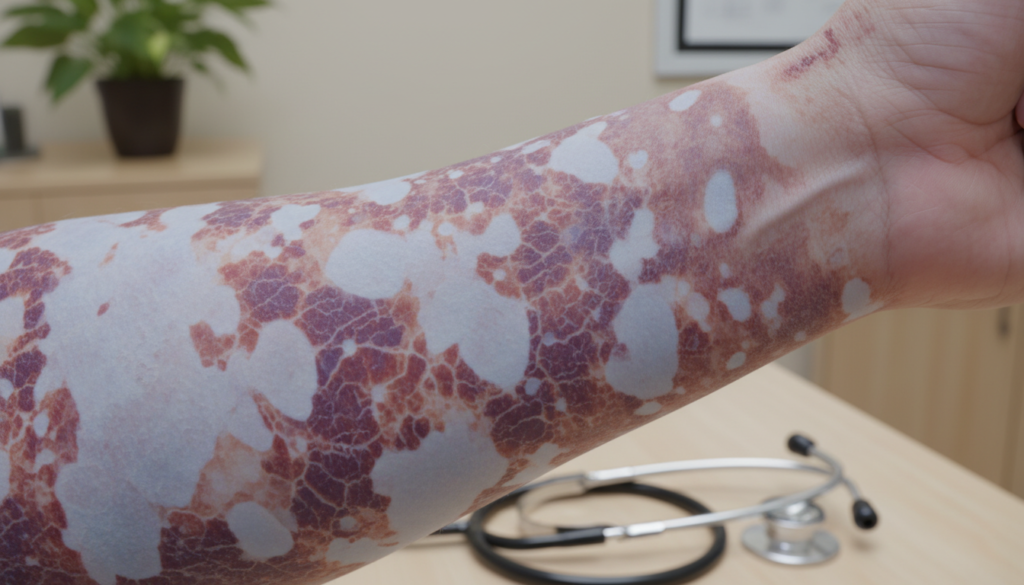
Have you ever noticed a sudden, lace-like pattern of bluish-red discoloration on your skin? This surprising visual change, which affects many people, is a distinct bodily signal. The appearance is often described as a net-like or marbled pattern.
This condition is medically known as livedo reticularis. It occurs when there is a temporary disruption in blood flow near the skin’s surface. Deoxygenated blood pools in the tiny vessels, creating the visible pattern.
It is crucial to understand that this skin change is typically a symptom, not a disease itself. The underlying reason for its appearance can vary dramatically. It might be a simple, harmless reaction to a cold environment. However, it can also point to more complex systemic health issues.
Recognizing when this pattern is a temporary response versus a sign of a deeper problem is key for your well-being. This guide will explore the full spectrum of reasons behind this symptom. You will learn about benign triggers, serious medical associations, and when to seek professional advice.
Key Takeaways
- Mottled skin, or livedo reticularis, appears as a bluish-red, lace-like pattern on the skin.
- It is a symptom that occurs due to changes in blood flow near the skin’s surface.
- The condition can range from a harmless response to cold to a sign of an underlying health issue.
- Understanding the difference between temporary and persistent patterns is vital for health awareness.
- Persistent or sudden onset of mottled skin should prompt a consultation with a healthcare provider.
- This article will cover the various triggers, risk factors, and appropriate responses.
What is Mottled Skin?
The distinctive net-like pattern that sometimes appears on the skin is a specific medical phenomenon. This condition, medically termed livedo reticularis, presents as irregular patches of discoloration. The pattern often resembles marble or lacework across the body’s surface.
Definition and Appearance
These visual changes typically manifest on the arms and legs. The skin shows red and purple marks that form interconnected patterns. This occurs when blood flow to tiny vessels beneath the surface becomes disrupted.
Deoxygenated blood pools in the capillaries, creating the characteristic bluish-red hue. The patches are usually temporary but can vary in persistence. Understanding this mechanism helps identify when the pattern is a normal response.
Variations Across Skin Tones
The visual presentation of this condition differs significantly based on natural pigmentation. Dermatologist Dr. Pero explains these important distinctions for proper recognition.
“Mottled skin may appear differently, depending on an individual’s skin tone. On light skin, it may vary in shades of red, blue or purple. In dark skin tones, the pattern may be a dark brown.”
This expert insight highlights the need for awareness across all demographics. The same vascular response can look like different color variations. Recognizing these differences ensures everyone can identify this condition accurately.
Benign Causes: Cold Temperatures and Emotional Stress
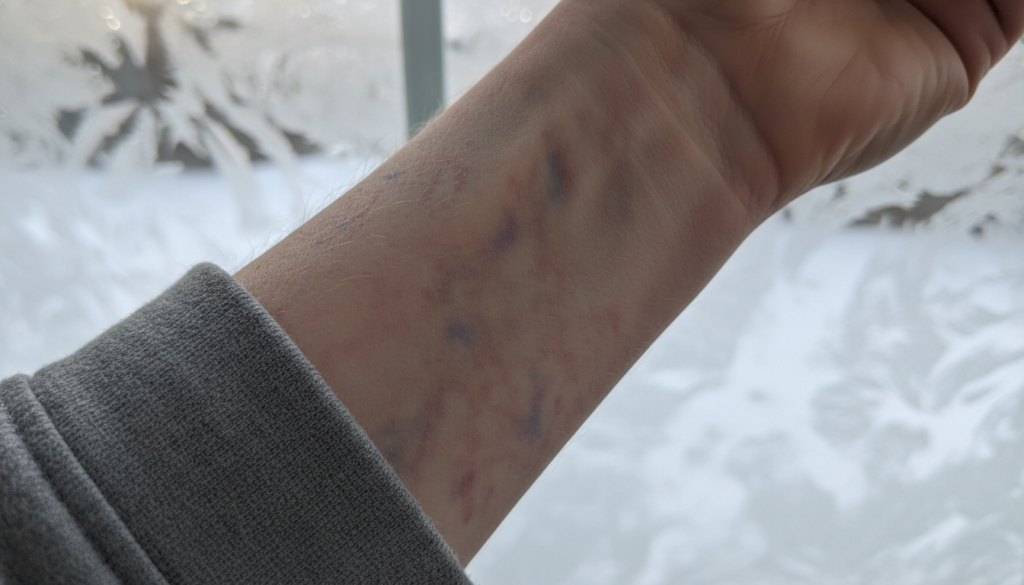
Not all instances of patterned skin discoloration signal a medical problem; many stem from benign, reversible conditions. These physiological responses are typically temporary and resolve once the triggering factor is removed.
Understanding these common triggers helps distinguish harmless reactions from patterns requiring medical attention.
Effects of Cold Exposure
Chilly environments are a primary trigger. When you feel cold, your body works to conserve heat.
Blood vessels near the skin’s surface constrict. This reduces blood flow to the extremities. Deoxygenated blood pools, creating the visible net-like pattern on arms and legs.
This reaction is most noticeable on the limbs and feet. It usually fades quickly as you warm up.
Impact of Emotional Stress
Strong emotions can also affect your circulation. During times of stress, the body releases hormones like adrenaline.
These hormones can cause sudden changes in blood flow near the skin. This leads to temporary color changes or a blotchy appearance.
Once the stressful situation passes, your skin typically returns to its normal state.
Certain people are more susceptible to these benign reactions. Newborns, infants, children, and individuals assigned female at birth often experience this more frequently due to their vascular sensitivity.
| Trigger | How It Happens | Common Locations | Resolution |
|---|---|---|---|
| Cold Temperatures | Vessel constriction reduces surface blood flow | Arms, Legs, Feet | Warms up quickly upon warming |
| Emotional Stress | Hormones alter circulation patterns | Cheeks, Chest, Limbs | Disappears as stress diminishes |
Acute Causes and Medical Conditions
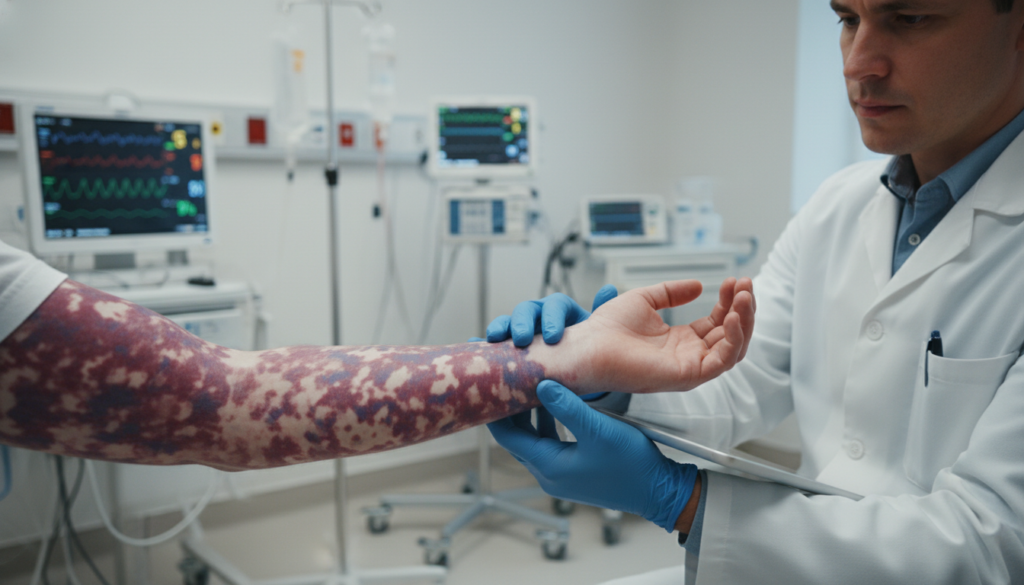
When the patterned discoloration spreads beyond the limbs, it often signals a more systemic issue. This type of presentation requires a different level of awareness than benign triggers.
Underlying Illnesses
Several medical conditions can manifest with this skin change. Autoimmune disease like lupus and rheumatoid arthritis are known to cause it.
These persistent patterns are part of the disease process. In very serious conditions like sepsis, the skin may become mottled. However, other severe symptoms usually appear first.
This pattern has also been noted in modern health contexts. Dermatologist Dr. Pero states,
“Mottled skin may also be an early symptom of COVID-19.”
Medication-Induced Changes
Sometimes, the condition is a side effect of necessary treatments. Certain medications can trigger this reaction.
If you suspect your medication is the cause, your doctor can help. They might adjust your prescription to ease the skin trouble. A patch testing can sometimes identify reactive substances.
Never stop a prescribed drug without consulting a provider. They will ensure your underlying condition remains managed.
Causes of Mottled Skin
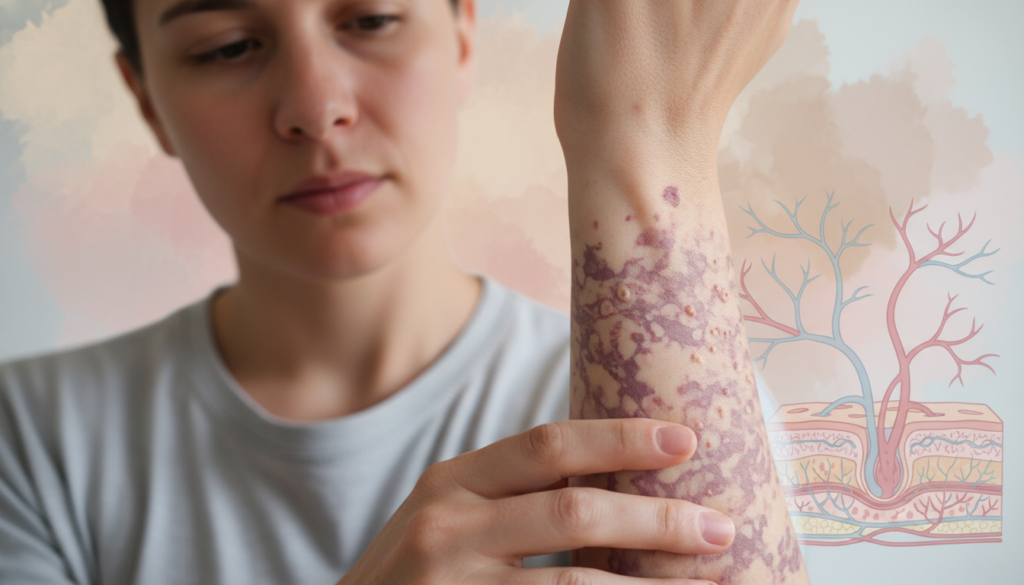
Understanding the diverse triggers behind patterned skin discoloration helps distinguish temporary reactions from persistent health signals. The underlying mechanism typically involves circulatory changes affecting oxygen delivery to surface tissues.
Dr. Pero explains the range of potential triggers:
“The cause of mottled skin could be due to benign causes like temperature changes and stress or acute causes due to a medical condition symptom or a medication’s side effect.”
Certain groups experience this condition more frequently. Newborns, infants, children, and individuals assigned female at birth often show greater vascular sensitivity. Their circulatory systems respond more readily to various stimuli.
The primary mechanism involves reduced blood flow to specific skin areas. When circulation becomes compromised, deoxygenated blood pools in surface vessels. This creates the characteristic lace-like pattern visible on the skin.
| Trigger Type | Specific Examples | How It Affects Circulation |
|---|---|---|
| Environmental | Cold exposure, temperature changes | Vessel constriction reduces peripheral flow |
| Medical Conditions | Autoimmune diseases, low blood pressure | Inflammation or pressure affects vessel function |
| Medication Related | Certain prescription drugs | Side effects alter blood vessel behavior |
| Circulatory Issues | Venous insufficiency, infections | Damaged valves or inflammation impair flow |
Each trigger disrupts normal blood circulation through different pathways. Autoimmune conditions like lupus cause inflammation that affects vessel function. Venous insufficiency allows blood to pool rather than flow properly.
Low blood pressure fails to maintain adequate circulation to peripheral areas. Recognizing these distinct mechanisms helps identify the appropriate response to patterned skin changes.
Vascular Changes and Vein Health
The intricate vascular network beneath our skin plays a crucial role in maintaining healthy tissue. When this system experiences disruptions, visible patterns can emerge on the surface.
Livedo Reticularis Explained
Livedo reticularis represents a specific vascular response where normal blood flow through small blood vessels becomes compromised. This condition creates the characteristic lace-like pattern when deoxygenated blood pools in surface capillaries.
The Cleveland Clinic notes this pattern results from disrupted circulation to tiny vessels. The reticularis appearance serves as a visible marker of underlying vascular changes.
Circulation and Blood Vessel Health
Persistent livedo patterns may signal chronic venous insufficiency (CVI). This progressive vein disease develops when leg vein valves become damaged.
Damaged valves allow blood to flow backward and pool in the legs. This increases venous pressure and reduces oxygen delivery to the skin.
Johns Hopkins Medicine emphasizes that untreated CVI can lead to serious complications. These include skin infections, ulcers, and permanent tissue damage from impaired circulation.
Early evaluation of vascular changes can help prevent progression to more severe conditions. Proper diagnosis ensures appropriate management of underlying vein health issues.
Practical Treatment Strategies for Mottled Skin
Managing the visible patterns on your skin requires understanding whether they stem from simple triggers or deeper health issues. The right approach depends on what’s causing your specific symptoms.
Effective management begins with identifying the root cause of your skin changes. This determines whether simple home care or professional medical intervention is needed.
Home Remedies and Warming Techniques
For patterns triggered by cold or stress, simple solutions often work well. Warming up with a bath, jacket, or blanket can reverse temperature-related changes.
Relaxation techniques like deep breathing help calm stress responses. Gentle exercise improves blood flow to affected areas.
Smoking cessation significantly enhances circulation and skin health. These lifestyle adjustments can resolve many benign cases without medical treatment.
Medical Treatment Options
When patterns indicate underlying conditions, professional care becomes essential. Your provider can recommend targeted approaches for specific health issues.
Modern vein treatments offer minimally invasive solutions for circulation problems. Procedures like sclerotherapy and endovenous ablation seal problematic veins.
Compression therapy improves blood flow and reduces swelling symptoms. These interventions can address more persistent cases effectively.
For complex skin changes or persistent symptoms, consult specialists at vascular treatment centers. They provide comprehensive care for circulation-related conditions.
If you experience accompanying discomfort, dermatological experts can address both the visual patterns and any itching sensations.
Lifestyle Adjustments to Improve Blood Flow
Taking proactive steps in your daily routine can significantly influence vascular health and skin appearance. While some patterns cannot be completely prevented, simple changes support better circulation throughout your body.
Regular Exercise and Hydration
Physical activity plays a vital role in maintaining healthy blood flow. Aim for at least 30 minutes of exercise most days. Walking regularly helps calf muscles push blood upward through veins.
Proper hydration keeps your skin moisturized from within. Drinking plenty of water supports circulatory function. These habits form the foundation of a vascular-friendly lifestyle.
Managing stress through meditation or yoga helps maintain steady circulation. Dressing in layers during cold temperatures prevents vessel constriction. Quitting smoking dramatically improves overall health and skin vitality.
| Lifestyle Change | Primary Benefit | Frequency Recommendation |
|---|---|---|
| Regular Walking | Enhances calf muscle pump action | 30 minutes daily |
| Adequate Hydration | Supports blood volume and flow | 8 glasses water daily |
| Leg Elevation | Reduces venous pressure | 15 minutes, 2-3 times daily |
| Balanced Nutrition | Provides essential circulatory nutrients | All meals |
Additional protective measures include wearing compression stockings during prolonged sitting. Avoid tight clothing that restricts blood movement. Maintain a healthy weight to reduce strain on your vascular system.
These adjustments support a healthier life and may reduce circulatory challenges. Consistency in these practices offers the greatest benefit for long-term wellness.
When to Consult a Health Practitioner
Timely medical consultation for persistent skin changes can prevent complications from underlying issues. Recognizing the right moment to seek professional help ensures proper diagnosis and treatment.
Red Flags and Symptoms
Certain warning signs indicate when patterned discoloration requires immediate attention. If the mottling isn’t linked to cold, stress, or smoking, it’s time to schedule an appointment.
Dr. Pero emphasizes the importance of face-to-face evaluation. “This is a reason to see your provider in person, not via telehealth, to perform a complete exam of you and your skin,” she advises. This approach allows thorough assessment of potential deeper issues.
Watch for accompanying symptoms that may also signal serious conditions. These include leg swelling, heaviness or aching sensations, and persistent pain. Itchy or flaky skin, varicose veins, and slow-healing sores are additional red flags.
When mottled skin appears with these symptoms, it could indicate chronic venous insufficiency or other circulatory disease. Early consultation reduces the risk of complications.
In-Office Skin Examinations
During an office visit, healthcare providers can determine if additional tests are needed. A quick, non-invasive ultrasound assesses blood flow patterns effectively.
Discuss any medication side effects with your treatment team, especially during cancer treatments. Weigh these against the long-term benefits of your therapy.
In persistent cases, specialists can pinpoint the exact cause and guide management strategies. Don’t ignore spreading mottling or patterns accompanied by pain—these may signal serious underlying conditions requiring prompt attention.
Conclusion
The appearance of lace-like patterns on the skin serves as a valuable window into circulatory health. Understanding these changes empowers people to respond appropriately when mottling occurs.
Most instances of livedo reticularis are temporary reactions to cold temperatures or stress. These benign patterns typically resolve quickly without medical intervention. Your body naturally corrects the blood flow disruption.
However, persistent mottled skin may signal underlying conditions like lupus or vein disease. It could also indicate a medication side effect. Recognizing when patterns require professional evaluation reduces health risk.
If concerning changes appear, consult a healthcare provider. They can pinpoint the specific cause and recommend appropriate management. Early attention to persistent livedo patterns supports long-term wellness.