
Did you know over a third of adults see new skin discoloration each year? Yet, many overlook early signs in the armpits and body folds. This guide helps you spot hyperpigmentation in these hidden spots, so you can act quickly.
Dark underarms might signal acanthosis nigricans, linked to insulin resistance and obesity. Look for dark, thick patches, itchiness, or bad smells. If it spreads fast or changes near the mouth, see a doctor right away. For more on skin checks, check out this guide to total-body exams.
Common daily activities can also cause skin color changes. Tight clothes, shaving, sweat buildup, harsh exfoliation, and some deodorants can all play a role. This article will show you how to spot hyperpigmentation and protect your skin.
Key Takeaways
- Check body folds for new or spreading skin discoloration, thickened texture, itch, or odor.
- Acanthosis nigricans often relates to insulin resistance, weight gain, and hormonal shifts.
- Friction, shaving, and product buildup can worsen Underarm and Body Pigmentation.
- Document changes with photos to follow patterns across seasons and routines.
- Seek care fast if darkening is sudden, widespread, or occurs around the mouth.
- United States skincare best practices include periodic total-body skin exams.
- An even-toned skin guide starts with early recognition and smart daily habits.
Understanding Underarm and Body Pigmentation
Skin tone changes often happen in areas where friction, sweat, and hair removal meet. Learning about Underarm and Body Pigmentation basics helps you notice changes early. It also helps you pick the right care for your skin. Many people wonder how melanin correction fits into their daily routines and long-term results.
Balanced care aims to calm triggers, reduce buildup, and support gentle pigmentation removal without harsh irritation.
What is Pigmentation?
Pigmentation is the color your skin gets from melanocytes, which make melanin. When these cells multiply or produce too much pigment, your skin can darken. In body folds like the underarms, this can show up as thick, velvety patches known as acanthosis nigricans.
Knowing these basics connects cause to care. It also shows where melanin correction fits into a safe plan. This plan is shaped by your health status and skin sensitivity.
Types of Pigmentation
- Acanthosis nigricans: Linked with insulin resistance, weight changes, hormonal shifts such as PCOS or hypothyroidism, and certain medicines, it forms darker, thicker areas in folds.
- Post-inflammatory hyperpigmentation: Appears after shaving, waxing, allergic reactions, tight clothing, or inflamed rashes. Redness fades, but a brown spot can linger.
- Constitutional hyperpigmentation: A natural baseline tone that is richer in people with darker skin, reflecting inherited melanin patterns.
Each type informs a hyperpigmentation treatment overview. Some cases call for barrier repair, while others may benefit from staged pigmentation removal paired with lifestyle changes.
Common Areas Affected
Frequent sites include the underarms, the back of the neck, the groin, elbows, and knees. Friction-prone spots and hair removal zones are common for post-inflammatory marks, while folds are typical for acanthosis nigricans.
Prevalence is higher among people with darker skin tones in the United States, including African American, Hispanic, and Native American communities. These patterns guide melanin correction choices that aim for steadier tone and gentler care over time.
Common Symptoms of Underarm Pigmentation
Changes in the underarms often start slow and stick around. Look for color changes, uneven patches, and any itch or sting after you clean. These signs help you catch problems before they get worse.
Darkening of the Skin
Brown to near-black patches might show up, looking different from the rest of your skin. Things like shaving, waxing, tight clothes, or scented products can cause this. Spotting these signs early lets you pick gentle products and softer clothes.
In body folds, color can darken over time. Watch for changes in brightness and edges to catch hyperpigmentation early.
Changes in Texture
Areas might feel thick, velvety, or bumpy, showing clear changes. Build-up of sweat, residue, and dead cells can make it look dull. Harsh scrubs can make things worse, but gentle exfoliation helps.
If plaques rise or feel rough, it’s time to adjust your routine and clothes. Use gentle cleansers and light exfoliants to help any remedy you’re using.
Itching or Irritation
Sting, itch, or friction burns often happen after tight seams, dry shaving, or strong scents. These signs are early warnings of inflammation.
Try non-irritating formulas and shave with slip to lessen flare-ups. Ongoing itch and texture changes are big signs to review your products and calm down your routine.
Environmental Factors Influencing Pigmentation
Underarms and body folds quickly react to their surroundings. Heat, UV, and irritants can cause skin discoloration. Simple protective measures help keep the skin balanced and comfortable.
Sun Exposure
Even in shade or through clothes, UV light can reach the body. This light can darken marks and make skin tone uneven. Using SPF 30+, reapplying, and wearing UPF shirts from Coolibar helps keep skin tone even in summer.
Choose mineral sunscreens with zinc oxide for sensitive spots. Wear breathable fabrics from Nike or Lululemon to reduce heat and friction that can worsen spots.
Pollution and Toxins
Smog and particles in the air stick to skin, causing irritation. This irritation can lead to pigment changes in areas where products stay longer. Cleanse your skin well in the evening and use an antioxidant serum with vitamin C from SkinCeuticals or La Roche-Posay to protect against environmental damage.
- Wash workout clothes after each use to remove sweat and pollutants.
- Use alcohol-free deodorants from Native or Dove when your skin is sensitive.
Seasonal Changes
In warmer months, sweat, tight clothes, and shaving increase. These activities can make friction and pigmentation worse. Use moisture-wicking fabrics, shave gently, and apply ceramide lotion after working out.
In cooler weather, irritation may decrease but dryness can increase. Use lactic acid or polyhydroxy acid 1–2 times a week and moisturize well. Keeping up with care all year helps maintain even skin tone in summer and consistent results from your protective measures.
Daily Habits That Affect Skin Tone
Everyday choices shape how underarms look and feel. Small tweaks to grooming, product use, and care routines can reduce irritation. They help manage color changes over time. This guide focuses on practical moves you can apply today.
Shaving and Hair Removal Techniques
Friction from razors can link shaving and pigmentation through micro-cuts and heat. Always soften hair first with warm water and a gentle soap or a rich shaving cream. Use a sharp, clean blade and light pressure.
After shaving, apply an unscented moisturizer to calm the area. Frequent plucking or aggressive waxing may trigger post-inflammatory darkening. Where suitable, discuss laser hair removal with a licensed provider to cut down on repeated irritation.
Use of Deodorants and Antiperspirants
The use of deodorants and antiperspirants with heavy fragrance or alcohol can stress delicate skin. Choose mild, fragrance-free formulas and cleanse daily to remove residue that can dull the surface. Rotate products if redness or stinging appears.
If sensitivity persists, patch test on the inner arm before daily wear. Pair gentle products with breathable fabrics to lower sweat buildup and friction.
Skincare Routine
A focused skincare routine for discoloration works best when simple and steady. Cleanse the underarms with a mild wash, then pat dry and moisturize. Limit exfoliation to once or twice a week using a soft cloth or a gentle acid toner to avoid over-peeling.
Some people try natural remedies for pigmentation like turmeric-based masks. Be cautious with lemon juice, which may irritate or dry the skin. When in doubt, ask a dermatologist about options that suit your skin type and tone.
- Daily basics: cleanse, hydrate, reduce friction.
- Weekly care: gentle exfoliation to lift dead cells and product buildup.
- Targeted steps: spot-soothing after hair removal to limit flare-ups.
Medical Conditions Linked to Skin Changes
Hormones, blood sugar, and immune activity can change how our skin looks and feels. These changes may first appear in the underarms, neck, or groin. Catching these early can help us find the right care and fix skin color issues.
Note the pattern: look for gradual darkening, thickened texture, or new patches. See if these changes match up with weight changes, new medicines, or stress. This info helps when talking to your doctor.
Hormonal Imbalances
Hormonal changes can lead to skin color shifts. This is common in polycystic ovary syndrome, hypothyroidism, Cushing syndrome, or acromegaly. These conditions can make melanocytes produce more pigment in body folds.
Many notice dark, velvety plaques under the arms or at the neck. Fixing hormone issues often helps with skin color, along with lifestyle and skincare changes.
Diabetes and Insulin Resistance
Diabetes and hyperpigmentation are closely linked, often seen with insulin resistance. Higher insulin levels can cause thicker, darker patches in the underarms and groin, common in obesity.
Keeping blood sugar stable, aiming for steady weight, and staying active can help skin tone over time. These steps, along with topical care, support gentle skin color correction.
Certain Skin Diseases
Acanthosis nigricans causes dark, velvety plaques in the underarms, neck, and groin. It’s linked to insulin resistance or hormonal shifts. Post-inflammatory marks can follow shaving irritation, allergic reactions to deodorants, or yeast and fungal infections.
Seborrheic dermatitis and contact eczema can also cause patchy tone. Sudden, extensive darkening, like around the mouth, needs quick medical check-up. It could signal rare internal disease.
- Key signals to track: onset speed, body sites, texture changes, and itch or burn.
- Helpful context: recent weight gain, new medications, endocrine diagnoses, or product reactions.
- Goal of care: address the medical causes of skin discoloration first, then fine-tune skincare for lasting melanin correction.
Triggers for Increased Pigmentation
Many lifestyle choices can make skin darker in certain areas. Heat, sweat, and tight clothes cause friction and chafing. Stress and daily worries can also change our habits, irritating our skin. What we eat affects our skin’s color, too, through our weight and blood sugar levels.

Friction and Chafing
Wearing tight clothes and rough seams can hurt the underarm area. This can make it darker. Sweat, which is more in summer, adds to the problem by increasing heat and contact.
Wearing breathable fabrics like cotton or bamboo helps. So does wearing looser clothes. Avoid harsh razors and shave at night to let your skin heal. Use a light moisturizer or serum with niacinamide to protect your skin.
These small changes can help prevent dark spots from rubbing.
Stress and Anxiety
Stress can change our habits, like shaving more or using stronger antiperspirants. It can also affect our weight and insulin levels, making dark spots harder to get rid of.
Try short, daily activities to relax. A quick walk, breathing exercises, or a warm shower after working out can help. These actions can reduce the need for later treatments.
Diet and Nutrition
Carrying extra weight can lead to insulin resistance, which shows in dark spots. Eating a balanced diet helps control blood sugar and insulin levels. This can improve your skin’s color.
Stay away from sugary drinks and processed foods. Drink water before meals. Talk to a doctor before trying any supplements or peels, as they can sometimes make things worse. Making these dietary changes can help you find a safe way to lighten dark spots.
Recognizing Seasonal Patterns in Pigmentation
Skin tone changes with the seasons. Warmer weather means more sweat, friction, and sun. Cold months can dry out the skin. Understanding these patterns helps manage underarm and body skin issues.
Summer vs. Winter Effects
Summer brings dark underarms due to more outdoor time, workouts, and shaving. Heat and movement highlight post-inflammatory marks. Tight clothes add to the problem.
In winter, sweat and friction decrease, but low moisture can make skin rough. Sun exposure darkens skin in warm months. Heavy winter clothes protect but can clog pores.
Humidity Levels and Skin Health
Humidity affects skin health. High humidity increases sweating, trapping odor and causing chafe. Low humidity pulls moisture from the skin, weakening it.
Wear light, breathable clothes in humid weather. Use rinse-off cleansers. In dry air, use emollients and humectants to keep skin comfortable.
Seasonal Skincare Adjustments
Adjust skincare with the seasons. In warm months, use gentle cleansers and mild deodorants. Wear clothes that breathe.
Apply SPF daily to protect from sun. Keep skin moisturized and exfoliate gently. Consider laser hair removal to reduce irritation.
When to Consult a Dermatologist
Changes in underarm or body tone can be subtle or sudden. Knowing when to see a dermatologist helps you act early and avoid guesswork. A short visit can clarify causes, guide diagnostic tests for pigmentation, and map out safe care steps.
Signs of Trouble
- Dark patches that appear quickly or spread fast, specially beyond the underarms or around the mouth.
- Persistent odor, itching, stinging, or tenderness that does not ease with gentle home care.
- History of obesity, insulin resistance, diabetes, thyroid disease, or polycystic ovary syndrome.
- New medicines such as insulin, corticosteroids, human growth hormone, high-dose niacin, or certain birth control pills.
- Unexplained weight loss, fatigue, or other systemic symptoms along with skin changes.
If any of these apply, it’s time to ask when to see a dermatologist and schedule a focused exam.
Recommended Tests and Procedures
Dermatology visits often start with a skin exam and a review of your medical and medication history. From there, diagnostic tests for pigmentation help separate benign causes from serious ones.
- Blood work: fasting glucose, A1C, insulin levels, lipid panel, and thyroid function studies.
- Hormonal evaluation: screening for PCOS or other endocrine issues when patterns suggest it.
- Skin assessment tools: Wood’s lamp, dermoscopy, or a gentle tape test to evaluate scale and thickness.
- Targeted biopsy only when lesions look atypical or show red flags.
In select cases with alarm signs, clinicians may order imaging or refer for internal evaluation.
Treatment Options
The plan usually pairs lifestyle changes with clinical hyperpigmentation treatment. Weight management, better glucose control, and adjusting a causative drug can improve color and texture.
- Topicals: tretinoin for turnover, hydroquinone for lightening, and calcipotriene to reduce pigment buildup.
- Procedures: chemical peels using trichloroacetic acid, dermabrasion, and laser devices to address thickness and tone.
- Adjuncts: gentle exfoliation and fragrance-free moisturizers to support the barrier.
Dermatologists may also discuss cosmetic procedures for pigmentation when goals include faster visible change. Be cautious with “natural” lighteners; some can irritate or stain.
| Goal | First-Line Approach | When It’s Used | What to Expect |
|---|---|---|---|
| Confirm Cause | History, exam, diagnostic tests for pigmentation | New or unusual patches; systemic risk factors | Baseline answers to guide safe care |
| Reduce Darkness | Tretinoin, hydroquinone, sun protection | Stable patches without severe irritation | Gradual lightening over weeks to months |
| Smooth Thick Skin | Calcipotriene, keratolytics, dermabrasion | Velvety or thickened areas | Softer feel and more even tone |
| Faster Aesthetic Results | Laser therapy, chemical peels | Patient seeks quicker change | Series of visits; temporary redness possible |
| Address Root Driver | Weight loss, diabetes control, med review | Insulin resistance or drug-induced cases | Lower relapse risk and steadier results |
Ask your clinician about when to see a dermatologist for follow-up, expected timelines, and maintenance steps to sustain results from cosmetic procedures for pigmentation and clinical hyperpigmentation treatment.
Preventive Measures for Healthy Skin
Small, steady habits help keep your skin tone even and calm. Focus on gentle skincare for sensitive areas like the underarms and inner thighs. This reduces friction, heat, and residue, helping prevent dark spots.
Daily Skincare Regimen
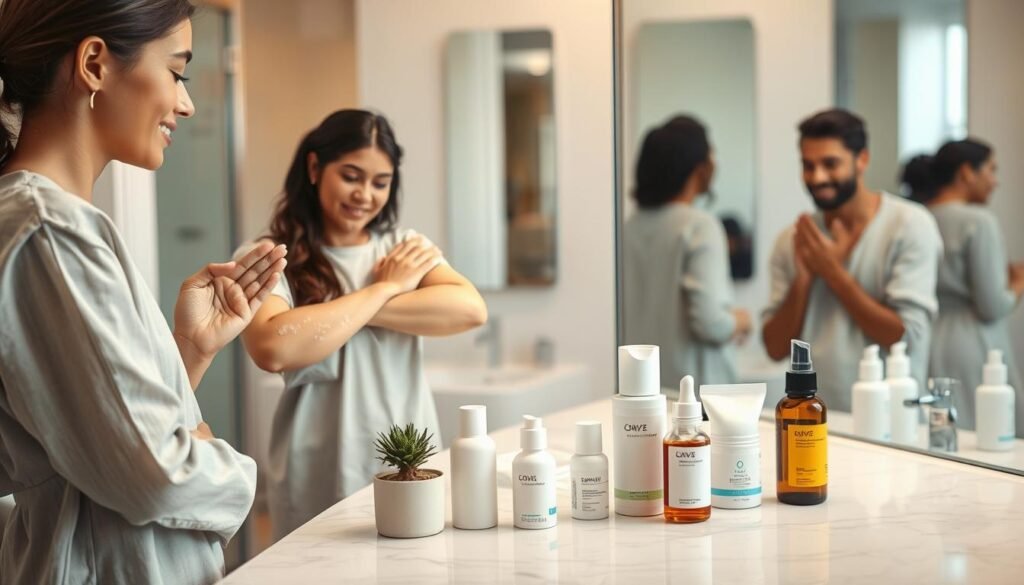
Wash your underarms once a day with a mild, pH-balanced cleanser. This removes sweat and product buildup. After shaving, apply an unscented moisturizer to soothe the skin and prevent darkening.
Choose fragrance-free options from brands like CeraVe, Vanicream, or La Roche-Posay. They are gentle on your skin.
Opt for a gentle, fragrance-free deodorant to avoid irritation. If you get red easily, test first and avoid alcohol-heavy formulas. A consistent skincare routine helps maintain even skin tone and prevents dark spots.
Protective Clothing and Sunscreen Use
Wear breathable, loose-fitting fabrics to reduce rubbing in sensitive areas. This means fewer dark patches. For exposed areas like the neck, shoulders, and legs, apply broad-spectrum SPF 30 or higher every morning.
Reapply sunscreen when outdoors, and wear hats and UPF garments for extra protection. This combination is key to preventing dark spots all year.
Regular Exfoliation
Exfoliate 1–2 times per week to remove dead cells and residue. Use gentle options like lactic or mandelic acid pads, or a soft washcloth. Avoid harsh scrubs that can scratch and inflame.
For persistent spots, consult a clinician about treatments like glycolic or salicylic acids. They can help remove dark spots safely and effectively.
- Pro tip: Moisturize after every cleanse to seal hydration and reduce friction.
- Track products and reactions in a simple journal to fine-tune your routine.
- Rotate breathable fabrics for workouts and commutes to keep skin cool and dry.
| Goal | What to Do | Why It Helps |
|---|---|---|
| Reduce Friction | Choose loose cotton or moisture-wicking blends | Less rubbing lowers risk of dark patches |
| Limit Irritation | Use fragrance-free cleansers and moisturizers | Fewer flare-ups support preventive skincare for discoloration |
| Block UV | Apply SPF 30+ and wear UPF clothing | Protective clothing and sunscreen prevent UV-driven darkening |
| Smooth Turnover | Exfoliate gently 1–2 times weekly | Clears buildup and aids pigmentation removal prevention |
Keep changes simple and consistent. Layer these steps to create a daily skincare regimen that respects your skin and maintains an even look year-round.
Conclusion: Staying Aware of Skin Changes
Being alert to changes in your skin is key. Start a simple habit to watch for skin discoloration in areas like the underarms and elbows. Look out for dark spots, itching, or unusual smells.
Emphasizing Regular Skin Checks
Make it a habit to check your skin every month under good light. Compare both sides and note any changes. Keeping a log helps you see patterns. This routine is good with careful product use and advice from experts.
Importance of Research and Education
Changes in skin color can be linked to health issues like insulin resistance. Some medicines can also cause it. If you see sudden changes, act fast. Choose treatments backed by science over home remedies that might harm your skin.
Encouragement to Seek Professional Advice
Dealing with the root causes of skin issues can help a lot. This includes managing weight, diabetes, and hormone levels, and adjusting medications. Dermatologists can offer the right treatments, like laser hair removal. If you’re worried, get advice from a dermatologist and follow their guidance on products.