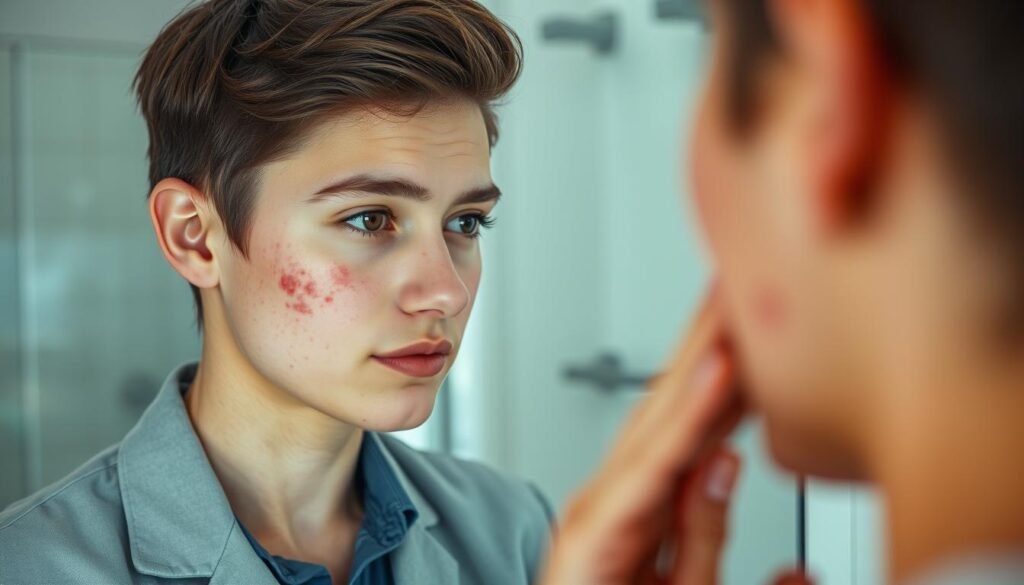
Nearly 85% of people between ages 12 and 24 get at least minor acne. But only 40% know when it turns into something worse. This lack of knowledge can lead to scarring that could have been avoided.
Your skin gives you clues before a big breakout happens. Knowing the difference between regular pimples and cystic acne is key. The red, swollen bumps on your face and body tell you something’s wrong under the surface.
Look out for tender spots, warm skin, and small red bumps that don’t go away. These signs mean bacteria, oil, and dead skin cells are causing trouble in your pores.
Spotting these signs early lets you act fast. The difference between quick action and waiting too long can be huge. Every day you wait, bacteria grow and your skin gets more damaged.
Key Takeaways
- Inflammatory acne affects 85% of young adults but remains widely misidentified
- Pain and warmth in skin areas often appear before visible breakouts
- Red, swollen bumps containing bacteria and pus distinguish inflammatory from regular acne
- Early detection prevents permanent scarring and skin damage
- Face, chest, back, and shoulders are primary locations for inflammatory breakouts
- Recognizing patterns helps differentiate between similar-looking skin conditions
Understanding Inflammatory Acne
Knowing what you’re up against with an inflammatory skin condition is key. Unlike regular pimples, inflammatory acne digs deeper into your skin, causing more pain. It leads to red, swollen bumps that are tender to the touch.
What Defines Inflammatory Acne?
Inflammatory acne shows up in different ways on your skin. Pustules are red bumps with white or yellow centers filled with pus. These painful symptoms come from bacteria multiplying in blocked pores. Nodules are solid, hard lumps under your skin’s surface, feeling painful when touched and lasting weeks. Cysts are the worst type—large, soft lumps filled with pus that sit deep in your skin.
Each type has a mix of bacteria, dead skin cells, and excess oil trapped in pores. Your face is usually the first to show these breakouts, but your back and chest can get them too.
Common Causes and Triggers
Several factors can spark this inflammatory skin condition:
- Excess oil production from overactive glands
- Bacteria called Cutibacterium acnes multiplying in clogged pores
- Dead skin cells blocking hair follicles
- Hormonal changes during puberty or menstruation
- Stress that increases inflammation
- Certain medications like corticosteroids
Understanding these triggers helps you know when painful acne symptoms might flare up. This way, you can take steps to prevent them.
Identifying Early Symptoms
Spotting the first signs of inflammatory acne is key to managing your skin. Early detection lets you act fast, preventing deep inflamed pimples. Knowing these early signs helps you understand your skin better and choose the right treatment.
Key Indicators to Watch For
The first signs are often small. You might see blackheads and whiteheads, mainly on your nose, chin, and forehead. These signs mean your pores are clogging with oil and dead skin.
As inflammation grows, you’ll notice increasing redness around these spots.
Red swollen breakouts follow a pattern. First, papules appear as tender, raised bumps without pus. These bumps feel firm and might sting a bit. The skin around them gets warm and sensitive, showing your body’s fight against the breakout.
Differentiating Between Acne Types
Knowing the differences between acne types is important:
| Acne Type | Appearance | Feel | Inflammation Level |
|---|---|---|---|
| Blackheads | Dark dots on surface | Flat, rough texture | None |
| Whiteheads | Small white bumps | Slightly raised | Minimal |
| Papules | Pink/red bumps | Tender, firm | Moderate |
| Pustules | Red with white center | Painful, soft | High |
Early inflammatory acne has clear signs that differ from regular breakouts. Moving from comedones to papules means you need specific care for red swollen breakouts.
The Importance of Early Detection
Catching inflammatory acne early can greatly improve your skin’s health and look. Spotting warning signs early helps prevent severe problems. This way, you can avoid painful cysts and deep nodules that harm your skin forever.
Benefits of Identifying Symptoms Early
Early detection has many benefits for managing inflammatory acne. Treating breakouts early stops bacteria from getting deeper into your skin. This also reduces redness and swelling. Plus, it helps avoid the emotional pain of severe breakouts.
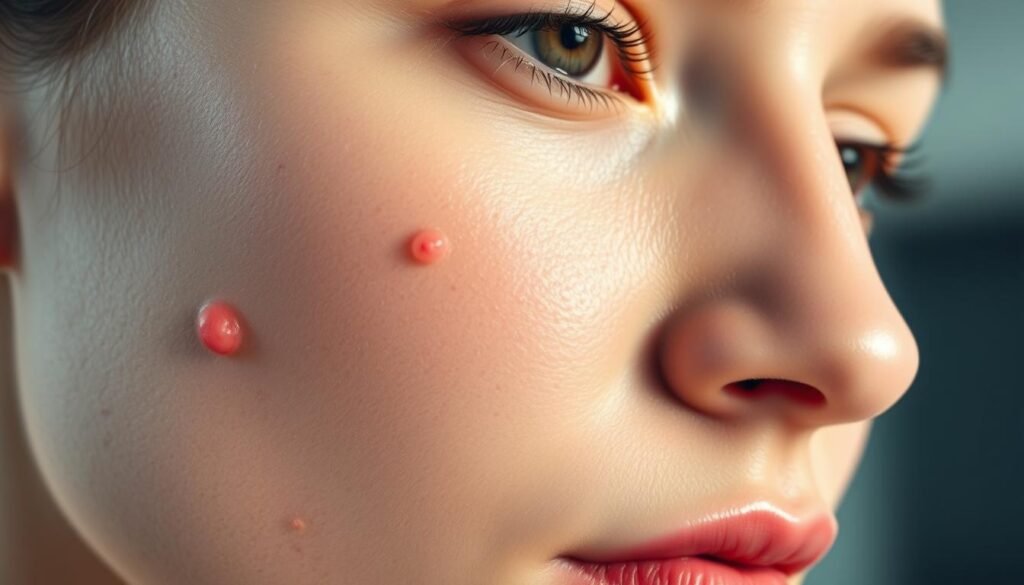
Starting treatment early means simpler solutions work better. Over-the-counter products like benzoyl peroxide or salicylic acid can control mild inflammation. Early treatment is also cheaper than dealing with advanced acne that needs prescription drugs or professional treatments.
Long-Term Effects of Untreated Inflammatory Acne
Ignoring early signs can lead to serious problems. Without treatment, acne gets worse and harder to manage. Dark spots called post-inflammatory hyperpigmentation appear as skin tries to heal. Deep scars form when acne damages the skin’s collagen layer.
| Untreated Duration | Potential Complications | Treatment Difficulty |
|---|---|---|
| 1-3 months | Increased inflammation, spreading breakouts | Moderate |
| 3-6 months | Dark spots, early scarring | Challenging |
| 6+ months | Deep scars, extensive hyperpigmentation | Complex |
How Inflammatory Acne Differs from Other Skin Conditions
Our skin can face many issues that might seem similar at first. Inflammatory acne has unique traits that make it stand out from other common skin problems. Knowing these differences helps you figure out what you’re dealing with and pick the best treatment.
Comparing Inflammatory Acne with Non-Inflammatory Acne
Non-inflammatory acne shows up as whiteheads and blackheads without any redness or swelling. Whiteheads have a white tip and stay closed. Blackheads turn dark when they meet air. Inflammatory acne, on the other hand, is marked by red, swollen bumps that hurt when touched.
Pustule formation is a key difference between these acne types. Papules are small red bumps, while pustules have visible pus at their tips. Nodules and cysts are deeper, causing more severe inflammation and possible scarring.
Understanding Rosacea and Other Skin Issues
Many skin conditions can look like inflammatory acne but need different treatments. Rosacea causes facial redness and small bumps but doesn’t have the pustule formation seen in acne. It often hits adults over 30 and gets worse with triggers like spicy foods or temperature changes.
Other conditions include:
- Psoriasis – creates thick, scaly patches instead of pustules
- Seborrheic dermatitis – causes flaky, yellowish scales on oily areas
- Perioral dermatitis – forms small bumps around the mouth and nose
Each condition needs its own treatment, making it key to identify them correctly for effective care.
Recognizing Patterns in Breakouts
Tracking where and when pimples appear can reveal early signs of inflammatory acne before it becomes severe. Your skin tells a story through breakout patterns. These patterns help identify triggers and predict future flare-ups. By paying attention to these patterns, you can catch problems early and adjust your skincare routine.
Location of Breakouts
The face is the most common area for early signs of inflammatory acne, mainly in the T-zone. Breakouts often start on the forehead, nose, and chin where oil glands are most active. The jawline and cheeks frequently show inflammation in teenagers and adults dealing with hormonal changes.
Beyond facial acne, the chest and back contain numerous sebaceous glands that produce excess oil. Athletes often notice breakouts on their shoulders and upper arms from sweat and friction. The buttocks can develop painful bumps from sitting for extended periods or wearing tight clothing.
| Body Area | Common Triggers | Severity Level |
|---|---|---|
| Forehead | Hair products, bangs | Mild to moderate |
| Jawline | Hormones, phone contact | Moderate to severe |
| Back | Sweat, tight clothing | Moderate |
| Chest | Body lotions, laundry detergent | Mild to moderate |
Frequency and Timing of Breakouts
Early signs of inflammatory acne often follow predictable schedules. Women may notice increased redness and swelling during their menstrual cycle. Stress from exams or work deadlines can trigger sudden outbreaks within 48 hours. Recording breakout dates in a journal helps identify these connections between life events and skin reactions.
The Role of Skin Care in Prevention
Preventing inflammatory acne starts with a solid skin care routine. Recognizing cystic acne early is key, but the right steps can stop breakouts. A gentle yet effective daily skin care routine is essential for healthier skin.
Recommended Skin Care Practices
Begin by washing your face twice a day with a gentle, fragrance-free cleanser. Warm water is best—it keeps natural oils intact. Avoid rubbing your skin dry with a towel; instead, pat it gently.
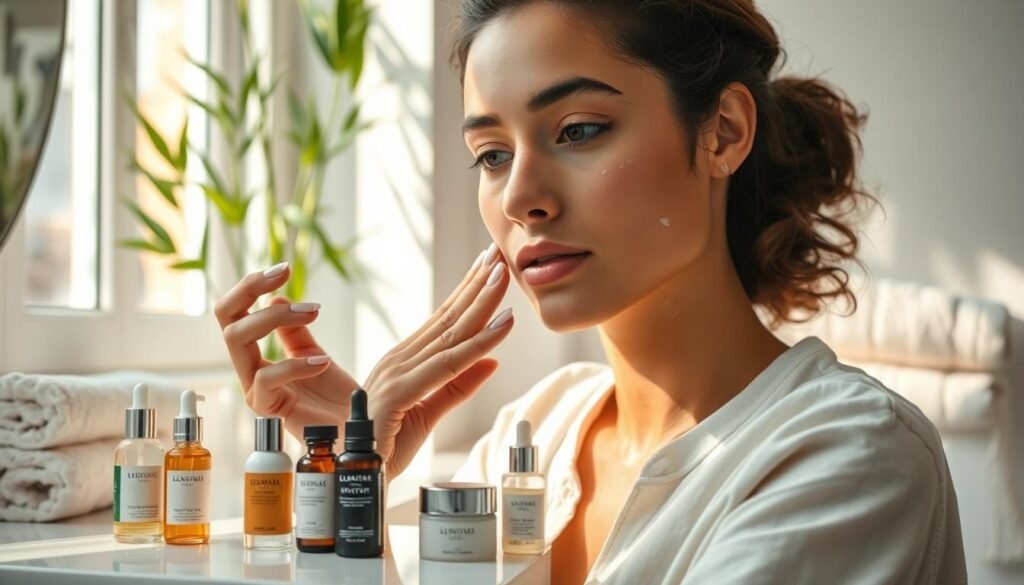
- Apply oil-free, non-comedogenic moisturizer after cleansing
- Use broad-spectrum SPF 30 sunscreen every morning
- Change pillowcases weekly to minimize bacteria transfer
- Keep hair clean and pulled back from your face
- Remove makeup completely before bed
Products to Avoid
Some ingredients can make inflammation worse and trigger breakouts. Avoid products with high alcohol, as they dry out your skin and cause oil overproduction. Also, heavy, oil-based foundations and moisturizers can clog pores.
Stay away from harsh physical scrubs with walnut shells or apricot pits. They can cause micro-tears in your skin, spreading bacteria and inflammation. Opt for chemical exfoliants with salicylic acid or glycolic acid for gentle exfoliation.
When to Consult a Dermatologist
Dealing with painful acne can be tough, and it’s hard when your skin doesn’t get better with usual treatments. While many people handle mild breakouts with over-the-counter products, some cases need a doctor’s help. Knowing when to see a specialist can help avoid long-term skin damage.
Signs You Should Seek Professional Help
Your skin tells you when it needs a doctor’s care. Look out for these signs that mean it’s time to make an appointment:
- Deep, painful cysts that feel tender to touch
- Breakouts that leave dark spots or pitted scars
- Acne spreading to your chest, back, or shoulders
- Skin that stays inflamed for weeks despite treatment
- Emotional distress affecting your daily activities
If your acne lasts more than three months, it’s time to see a pro. Skin specialists can diagnose your specific needs and create a treatment plan. Early treatment stops scarring that can happen with untreated breakouts.
What to Expect During a Dermatology Appointment
Your first visit will include a detailed skin check. The dermatologist will ask about your skincare, diet, stress, and family history. They might use a special lamp to look at your pores. Some doctors take photos to track your progress.
Based on what they find, they’ll suggest treatments. This could be creams, pills, or other therapies to help your acne.
Treatment Options Available
Dealing with deep inflamed pimples can feel overwhelming. But, there are many treatment options to help clear your skin. The right choice depends on how severe your breakouts are and how your skin reacts to treatments. We’ll look at both store-bought and prescription solutions for managing inflammatory acne.
Over-The-Counter Solutions
Many effective treatments for deep inflamed pimples don’t need a prescription. Benzoyl peroxide is a key ingredient that fights bacteria, reduces inflammation, and clears blocked pores. Products with 2.5% to 10% benzoyl peroxide, like Neutrogena Rapid Clear or Clean & Clear Persa-Gel, work well for many.
Salicylic acid is another popular choice that goes deep into pores. CeraVe SA Cleanser and Paula’s Choice 2% BHA Liquid gently remove dead skin cells that trap bacteria. Spot treatments with sulfur or tea tree oil target deep inflamed pimples without drying out the skin.
Prescription Treatments for Inflammatory Acne
If over-the-counter products aren’t enough, dermatologists can prescribe stronger options. Topical retinoids like tretinoin (Retin-A) or adapalene (Differin) help cells turn over faster and prevent new breakouts. These treatments take time, usually 8-12 weeks, to show results.
For severe cases, oral medications might be needed. Antibiotics like doxycycline or minocycline fight bacteria and inflammation from inside. Isotretinoin (Accutane) is the strongest option for persistent cystic acne, but it needs careful monitoring due to possible side effects.
Lifestyle Adjustments for Healthier Skin
Making small changes in your daily routine can greatly impact your skin. What you eat and how you handle stress also play big roles. These changes work with your skincare routine to improve your skin for good.
Diet and Nutrition Tips
Your diet can affect your skin in many ways. Foods high in sugar, like white bread and sweets, can cause inflammation and make acne worse. Simple swaps make a difference – pick whole grains over white carbs and fresh fruits over candy.
- Omega-3 rich foods like salmon and walnuts
- Colorful vegetables packed with antioxidants
- Lean proteins such as chicken and turkey
- Probiotic foods including Greek yogurt and kimchi
Drinking enough water helps remove toxins from your body. Try to drink eight glasses of water a day to keep your skin healthy.
Stress Management Techniques
Stress hormones like cortisol can make acne worse by increasing oil production. Finding ways to relax is not just good for your mind – it’s essential for clearer skin.
Try these stress-reducing activities:
- Practice deep breathing exercises for 5 minutes each morning
- Take regular walks in nature or around your neighborhood
- Get 7-9 hours of quality sleep nightly
- Start journaling to process emotions
Regular exercise reduces stress and improves blood flow. This brings oxygen and nutrients to your skin cells. Just remember to shower after workouts to prevent sweat from clogging pores.
Home Remedies You Can Try
Natural remedies can help with red swollen breakouts. They support your skin’s healing. Many kitchen and health store items have anti-inflammatory properties. These help calm irritated skin.
Using these treatments is best when part of a full skincare routine. They shouldn’t be used alone.
Soothing Treatments for Inflammation
Cold compresses can quickly ease inflamed skin. Wrap ice cubes in a cloth and apply for 5-10 minutes. Green tea bags cooled in the fridge are also great.
They reduce redness and shrink blood vessels. The antioxidants in green tea help a lot.
Oatmeal masks are another good choice. Mix oatmeal with warm water to make a paste. Apply it to clean skin for 15 minutes, then rinse.
The avenanthramides in oats are natural anti-inflammatory agents. They help calm red swollen breakouts.
Natural Ingredients Known for Skin Benefits
Many natural ingredients are great for inflamed acne:
| Ingredient | Key Benefits | How to Use |
|---|---|---|
| Aloe Vera | Reduces inflammation and bacteria | Apply gel directly twice daily |
| Tea Tree Oil | Antimicrobial properties | Dilute to 5-10% concentration |
| Honey | Antibacterial and healing | Use as spot treatment for 20 minutes |
| Witch Hazel | Astringent and anti-inflammatory | Apply with cotton pad after cleansing |
Always patch test new ingredients on a small skin area first. Start with one remedy at a time. This helps find what works for your skin.
Some people might be sensitive to natural ingredients, like essential oils. Tea tree oil is a common example.
Conclusion: Take Action Early
Spotting inflammatory acne early is key for your skin’s health. Catching pustules before they get worse helps prevent severe cysts and nodules. Quick action stops these conditions from causing permanent damage to your face.
Importance of a Proactive Approach
Being proactive with your skin health avoids dark spots and scars. Start a simple daily routine with gentle cleansers and moisturizers. Watch for skin changes and track any patterns in breakouts.
If you see persistent pustules or worsening inflammation, see a dermatologist fast.
Encouragement to Be Diligent with Skin Health
Your skin needs daily care and attention. Keep up with your skincare routine, even when your skin looks good. Managing an inflammatory skin condition takes time and patience.
Small daily steps like using CeraVe or La Roche-Posay products, eating well, and sleeping enough help your skin. Stay committed to your skin health journey, and you’ll see the results you want.