
Rashes are a common skin condition that can manifest in various forms, affecting individuals of all ages. Essentially, a rash is an area of irritated or inflamed skin that can appear red, swollen, or discolored. It may also be accompanied by other symptoms such as itching, burning, or flaking.
Rashes can occur anywhere on the body and can vary significantly in appearance, from small patches to widespread areas of irritation. Understanding what a rash is and how it develops is crucial for identifying its cause and determining the appropriate treatment. When we think about rashes, we often picture a temporary inconvenience, but they can sometimes indicate underlying health issues.
The skin is our body’s largest organ, serving as a protective barrier against environmental factors. When this barrier is compromised or irritated, it can lead to the development of a rash. Factors such as allergens, irritants, infections, and even stress can trigger these skin reactions.
By gaining a deeper understanding of rashes, we can better navigate their complexities and seek appropriate care when necessary.
Key Takeaways
- Rashes are a common skin condition characterized by redness, itching, and irritation.
- Common causes of rashes include allergic reactions, infections, and skin conditions like eczema and psoriasis.
- Different types of rashes include contact dermatitis, heat rash, and hives, each with their own unique symptoms and triggers.
- Symptoms of rashes can include redness, itching, swelling, and blisters, and may vary depending on the underlying cause.
- Seek medical attention for a rash if it is accompanied by fever, pain, or difficulty breathing, or if it does not improve with home remedies or over-the-counter treatments.
Common Causes of Rashes
Rashes can arise from a multitude of causes, making it essential for us to recognize the potential triggers. One of the most prevalent causes is contact dermatitis, which occurs when the skin comes into direct contact with an irritant or allergen. Common irritants include soaps, detergents, and certain fabrics, while allergens may consist of substances like poison ivy, nickel, or specific fragrances.
When we encounter these triggers, our immune system responds by causing inflammation, leading to the development of a rash. Infections are another significant cause of rashes. Bacterial infections like impetigo or viral infections such as chickenpox can lead to distinctive rashes that often require medical attention.
Fungal infections like ringworm also fall into this category and can cause itchy, red patches on the skin. Additionally, systemic conditions such as autoimmune diseases can manifest as rashes. For instance, lupus and psoriasis are known for their characteristic skin symptoms.
By understanding these common causes, we can take proactive steps to avoid potential triggers and seek timely treatment when necessary.
Different Types of Rashes
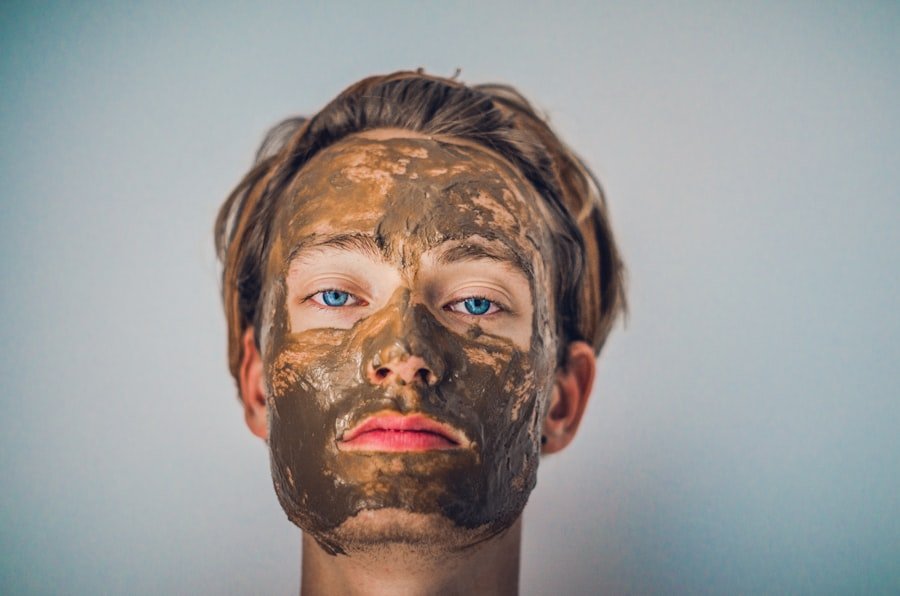
Rashes come in various forms, each with its unique characteristics and implications. One common type is eczema, which is often characterized by dry, itchy patches that can become inflamed and cracked. Eczema is particularly prevalent in children but can persist into adulthood.
Another type is hives, which appear as raised welts on the skin and are often triggered by allergic reactions. Hives can be itchy and may vary in size and shape, sometimes merging to form larger areas of swelling. Psoriasis is another notable type of rash that presents as thick, red patches covered with silvery scales.
This chronic autoimmune condition can be both physically and emotionally challenging for those affected. Additionally, we have fungal rashes like athlete’s foot or ringworm, which thrive in warm, moist environments and can be highly contagious. Understanding the different types of rashes helps us identify our symptoms more accurately and seek appropriate treatment options.
Symptoms and Signs of Rashes
When we encounter a rash, it often comes with a range of symptoms that can vary in intensity. The most common sign is redness or discoloration of the affected area, which may be accompanied by swelling.
In some cases, rashes may also produce blisters or pustules that can ooze or crust over. In addition to these physical symptoms, we should also be aware of systemic signs that may accompany a rash. Fever, fatigue, or joint pain could indicate an underlying infection or autoimmune condition.
If we notice these additional symptoms alongside a rash, it may warrant further investigation by a healthcare professional. Recognizing the full spectrum of symptoms associated with rashes allows us to respond appropriately and seek help when needed.
When to Seek Medical Attention for a Rash
While many rashes are benign and can be managed at home, there are instances when seeking medical attention becomes imperative. If we notice a rash that spreads rapidly or covers a large area of the body, it may indicate a more serious condition that requires professional evaluation. Additionally, if the rash is accompanied by severe itching, pain, or discomfort that interferes with our daily activities, it’s wise to consult a healthcare provider.
Other red flags include the presence of blisters that ooze pus or fluid, as this could signal an infection that needs treatment. If we experience systemic symptoms such as fever or difficulty breathing alongside a rash, immediate medical attention is crucial. By being vigilant about our symptoms and knowing when to seek help, we can ensure our health and well-being are prioritized.
Home Remedies for Soothing Rashes

Cool Compresses for Soothing Relief
Applying a cool compress to the skin can help reduce inflammation and alleviate itching. Simply soak a clean cloth in cool water and apply it to the affected area.
Natural Ingredients for Calming Irritation
Oatmeal baths have long been recommended for their soothing properties, and colloidal oatmeal can help calm irritated skin and provide relief from itching. Additionally, natural ingredients like aloe vera or coconut oil can provide relief. Aloe vera has anti-inflammatory properties that can help soothe sunburns and other types of rashes, while coconut oil acts as a moisturizer that can prevent dryness and irritation.
Avoiding Irritants and Finding Relief
It’s essential to avoid harsh soaps or fragrances during this time to prevent further irritation. By incorporating these home remedies into our care routine, we can often find relief from mild rashes without needing medical intervention.
Over-the-Counter Treatments for Rashes
When home remedies fall short in providing relief from rashes, over-the-counter treatments can be an effective next step. Hydrocortisone cream is one of the most commonly used topical treatments for reducing inflammation and itching associated with various rashes. This corticosteroid cream works by suppressing the immune response in the affected area, providing quick relief from discomfort.
Antihistamines are another option for managing itching caused by allergic reactions or hives. These medications work by blocking histamine receptors in the body, reducing the sensation of itchiness and helping us feel more comfortable. Additionally, calamine lotion can be applied to soothe itchy skin caused by insect bites or poison ivy exposure.
By utilizing these over-the-counter treatments wisely, we can effectively manage our symptoms and promote healing.
Prescription Medications for Severe Rashes
In cases where rashes are severe or persistent despite over-the-counter treatments, prescription medications may be necessary to achieve relief. Topical corticosteroids prescribed by a healthcare provider can be more potent than their over-the-counter counterparts and are often used for conditions like eczema or psoriasis. These medications help reduce inflammation and control flare-ups effectively.
For more complex cases involving autoimmune conditions or severe allergic reactions, systemic medications may be required.
These medications work by targeting specific pathways in the immune system to reduce inflammation and prevent further skin damage.
By collaborating with healthcare professionals to determine the best course of action, we can find relief from even the most challenging rashes.
Prevention of Rashes
Preventing rashes often involves identifying potential triggers and taking proactive measures to avoid them. For instance, if we know we have sensitive skin or allergies to certain substances, we should be diligent about avoiding those irritants whenever possible. Wearing protective clothing when engaging in activities that may expose our skin to allergens—such as gardening or hiking—can also help minimize our risk.
Maintaining proper skin hygiene is another essential aspect of prevention. Regularly moisturizing our skin helps maintain its barrier function and prevents dryness that could lead to irritation. Additionally, using gentle cleansers free from harsh chemicals can reduce the likelihood of developing contact dermatitis or other irritations.
By adopting these preventive strategies into our daily routines, we can significantly reduce our chances of experiencing rashes.
How to Care for a Rash to Prevent Infection
When dealing with a rash, proper care is crucial to prevent infection and promote healing. First and foremost, we should avoid scratching the affected area as this can introduce bacteria into broken skin and lead to complications. Keeping our nails trimmed short can help minimize damage if we do feel the urge to scratch.
Cleaning the rash gently with mild soap and water is essential for maintaining hygiene without causing further irritation. After cleansing, we should pat the area dry with a clean towel rather than rubbing it vigorously. Applying an appropriate topical treatment—whether it’s a soothing cream or an antibiotic ointment—can also aid in healing while preventing infection.
By following these care guidelines diligently, we can support our skin’s recovery process effectively.
When a Rash Could Be a Sign of a Serious Health Issue
While many rashes are harmless and resolve on their own with proper care, there are instances when they could signal more serious health issues that require immediate attention. For example, rashes associated with systemic symptoms such as fever or joint pain may indicate an underlying infection or autoimmune disorder that needs further evaluation by a healthcare professional. Certain rashes may also present as part of an allergic reaction that could escalate into anaphylaxis—a life-threatening condition requiring emergency intervention.
If we notice any signs of swelling in the face or throat along with difficulty breathing after developing a rash, seeking emergency medical help is crucial. By being aware of these potential warning signs and acting promptly when necessary, we can safeguard our health and well-being effectively. In conclusion, understanding rashes—what they are, their causes, types, symptoms, and treatment options—empowers us to take control of our skin health effectively.
By recognizing when to seek medical attention and implementing preventive measures in our daily lives, we can navigate the complexities of rashes with confidence and care for our skin more effectively.
If you are experiencing rashes and need expert dermatological care, consider visiting the top skin doctor in Dubai for personalized treatment. In some cases, rashes may be a symptom of a more serious condition like skin cancer. Learn more about superficial radiation therapy for skin cancer treatment at American Academy of Cosmetic Surgery Hospital where expert care is provided.
FAQs
What are rashes?
Rashes are changes in the skin’s color or texture, often characterized by redness, itching, and irritation. They can appear as small bumps, blisters, or patches on the skin.
What causes rashes?
Rashes can be caused by a variety of factors, including allergic reactions, infections, skin conditions such as eczema or psoriasis, and irritants such as chemicals or plants.
How are rashes treated?
Treatment for rashes depends on the underlying cause. It may include over-the-counter or prescription creams, antihistamines, or antibiotics. Avoiding triggers and practicing good skin hygiene can also help manage rashes.
When should I see a doctor for a rash?
You should see a doctor if the rash is severe, painful, or spreading rapidly, if it is accompanied by other symptoms such as fever or difficulty breathing, or if it does not improve with home care.
Can rashes be prevented?
Some rashes can be prevented by avoiding known triggers, practicing good skin hygiene, and using protective measures such as wearing sunscreen and protective clothing. If you have a history of allergic reactions or skin conditions, it’s important to take precautions to prevent rashes.