
Chafing is a common skin irritation that occurs when skin rubs against skin or clothing, leading to discomfort and inflammation. It can manifest as redness, soreness, or even blistering in more severe cases. We often experience chafing during physical activities, especially when we engage in prolonged movement or wear clothing that doesn’t allow our skin to breathe.
Understanding chafing is essential for anyone who leads an active lifestyle or spends extended periods in certain types of clothing. The condition can affect anyone, regardless of age or fitness level.
Whether we are runners, cyclists, or simply enjoying a day outdoors, chafing can strike unexpectedly. It’s important to recognize that chafing is not just a minor annoyance; it can lead to significant discomfort and even impact our ability to participate in activities we enjoy. By being aware of what chafing is and how it occurs, we can take proactive steps to minimize its effects on our daily lives.
Key Takeaways
- Chafing is a skin irritation caused by friction, often occurring during physical activity or in hot, humid conditions.
- Common causes of chafing include repetitive motion, moisture, and ill-fitting clothing.
- Areas of the body prone to chafing include the inner thighs, underarms, nipples, and groin area.
- Symptoms of chafing may include redness, burning sensation, and in severe cases, bleeding and blistering.
- To prevent chafing, it is important to keep the skin dry, wear moisture-wicking clothing, and use lubricants or powders to reduce friction.
Common Causes of Chafing
Friction and Moisture: A Recipe for Disaster
One of the primary culprits is friction, which occurs when our skin rubs against itself or against clothing. This friction can be exacerbated by moisture, such as sweat or rain, which can make the skin more susceptible to irritation. Additionally, certain fabrics can contribute to chafing; rough or non-breathable materials can increase the likelihood of skin irritation during movement.
Prolonged Activity and Body Changes: Common Causes of Chafing
Another common cause of chafing is prolonged activity without adequate breaks. For instance, long-distance running or cycling can lead to repetitive motion that creates friction in specific areas of the body. Weight gain or changes in body shape can also play a role, as they may lead to increased skin-to-skin contact in areas that are typically not affected.
By identifying these common causes, we can better prepare ourselves to prevent chafing before it becomes a problem.
Areas of the Body Prone to Chafing

Certain areas of our bodies are more prone to chafing than others, and being aware of these hotspots can help us take preventive measures. The inner thighs are often a significant area of concern, especially for those who engage in activities that involve a lot of leg movement. The friction created between the thighs can lead to painful irritation and discomfort.
Similarly, the underarms are another common site for chafing, particularly for individuals who wear tight-fitting clothing or engage in vigorous upper body movements. Other areas that may be susceptible to chafing include the nipples for both men and women, especially during activities like running where the fabric of clothing can rub against sensitive skin. The waistband area can also be problematic, particularly if we wear clothing that is too tight or made from irritating materials.
By recognizing these vulnerable areas, we can take steps to protect our skin and reduce the risk of chafing.
Symptoms of Chafing
The symptoms of chafing can vary in severity but typically include redness and irritation in the affected area. We may notice a burning sensation or tenderness when touching the skin, which can be quite uncomfortable. In some cases, chafed skin may develop small bumps or blisters, indicating that the irritation has progressed.
If left untreated, these symptoms can worsen and lead to more serious skin issues. In addition to physical symptoms, chafing can also have an emotional impact on us. The discomfort associated with chafing may deter us from participating in activities we enjoy or make us self-conscious about our appearance.
Recognizing these symptoms early on is crucial for effective management and prevention of further irritation.
How to Prevent Chafing
Preventing chafing requires a proactive approach that involves both lifestyle changes and careful attention to our clothing choices. One of the most effective strategies is to keep our skin dry and well-moisturized. Applying anti-chafing creams or powders before engaging in activities can create a protective barrier that reduces friction.
Additionally, staying hydrated helps regulate body temperature and minimize sweating, which can contribute to chafing. Another key prevention strategy is to choose appropriate clothing for our activities. Opting for moisture-wicking fabrics that allow sweat to evaporate quickly can significantly reduce the risk of chafing.
Loose-fitting clothing can also help minimize friction by allowing for greater movement without skin contact. By incorporating these preventive measures into our routines, we can significantly reduce the likelihood of experiencing chafing.
Choosing the Right Clothing to Prevent Chafing
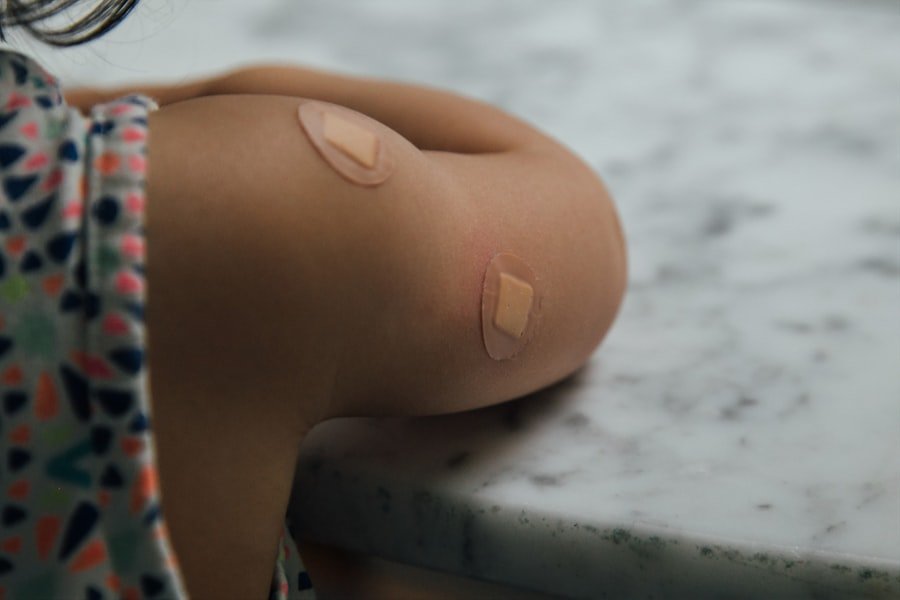
Selecting the right clothing is essential in our battle against chafing. We should prioritize fabrics that are soft and breathable, such as cotton blends or specialized athletic materials designed for moisture management. These fabrics help wick away sweat from our skin, reducing the chances of irritation caused by dampness and friction.
Additionally, seamless designs or flat seams can minimize points of contact that may lead to chafing. When it comes to fit, we should aim for clothing that is snug but not overly tight. Tight clothing can create excessive friction and pressure on our skin, while overly loose garments may lead to unnecessary movement and rubbing during physical activity.
By finding the right balance in fit and fabric, we can create an environment that is less conducive to chafing.
Home Remedies for Chafing
For those who experience mild chafing, several home remedies can provide relief and promote healing. One effective remedy is applying aloe vera gel directly to the affected area. Aloe vera has soothing properties that can help reduce inflammation and promote skin healing.
Additionally, using coconut oil as a natural moisturizer can create a barrier on the skin that protects against further irritation. Another helpful home remedy involves taking cool baths with added ingredients like oatmeal or Epsom salt. These ingredients can help soothe irritated skin and reduce redness.
After bathing, it’s important to gently pat the area dry rather than rubbing it with a towel, as this could exacerbate the irritation. By utilizing these home remedies, we can find comfort and support our skin’s recovery from chafing.
Over-the-Counter Treatments for Chafing
In cases where home remedies are insufficient, over-the-counter treatments may provide additional relief from chafing symptoms. Many topical creams and ointments are specifically formulated to soothe irritated skin and promote healing. Products containing hydrocortisone can help reduce inflammation and itching associated with chafing.
Additionally, we may consider using barrier creams designed to protect against friction before engaging in physical activities. These products create a protective layer on the skin that helps prevent further irritation while allowing us to continue our activities comfortably. By exploring these over-the-counter options, we can find effective solutions tailored to our specific needs.
When to See a Doctor for Chafing
While most cases of chafing are manageable at home, there are instances when we should seek medical attention. If we notice signs of infection—such as increased redness, swelling, pus, or fever—it’s crucial to consult a healthcare professional promptly. Infections can complicate what may initially seem like a minor issue and require medical intervention.
Additionally, if chafing persists despite our best efforts at prevention and treatment, it may be time to seek advice from a doctor or dermatologist. They can provide personalized recommendations based on our specific situation and help us address any underlying issues contributing to recurrent chafing.
Complications of Untreated Chafing
Ignoring chafing may lead to complications that extend beyond mere discomfort. Prolonged irritation can result in open sores or blisters that increase the risk of infection. Once the skin barrier is compromised, bacteria can enter the body more easily, leading to conditions such as cellulitis or abscesses.
Moreover, chronic chafing may result in scarring or changes in skin texture over time. This not only affects our physical comfort but may also impact our self-esteem and confidence in our appearance. By addressing chafing promptly and effectively, we can avoid these potential complications and maintain healthy skin.
Taking Care of Your Skin to Prevent Chafing
In conclusion, taking care of our skin is essential in preventing chafing and ensuring overall comfort during physical activities. By understanding what chafing is and recognizing its common causes and symptoms, we empower ourselves to take proactive measures against this irritating condition. Choosing appropriate clothing, utilizing home remedies and over-the-counter treatments when necessary, and knowing when to seek medical advice are all crucial steps in managing chafing effectively.
Ultimately, prioritizing skin health not only enhances our physical well-being but also allows us to fully enjoy the activities we love without the burden of discomfort. By adopting a comprehensive approach to skincare and prevention strategies, we can minimize the risk of chafing and maintain healthy, happy skin throughout our lives.
Chafing is a common skin issue that can be uncomfortable and irritating. It is important to take care of your skin to prevent chafing, especially during physical activities or in hot weather. For more information on how to protect your skin from potential harm, check out this article on skin cancer prevention.
FAQs
What is chafing?
Chafing is a skin irritation caused by repetitive friction, usually from skin rubbing against skin or clothing. It can result in redness, inflammation, and sometimes even blisters.
What are the common causes of chafing?
Chafing is commonly caused by activities that involve repetitive motion, such as running, walking, or cycling. It can also be caused by ill-fitting clothing or excessive sweating.
How can chafing be prevented?
Chafing can be prevented by wearing moisture-wicking clothing, using lubricants or powders to reduce friction, and ensuring that clothing fits properly. Staying hydrated and taking breaks during activities can also help prevent chafing.
What are the treatment options for chafing?
Treatment for chafing typically involves keeping the affected area clean and dry, applying a soothing ointment or cream, and avoiding further friction. In more severe cases, a doctor may prescribe a medicated cream or ointment.
When should I see a doctor for chafing?
If chafing does not improve with at-home treatments, becomes infected, or is accompanied by severe pain, swelling, or fever, it is important to seek medical attention.