
Degloving injuries are among the most severe and complex types of trauma that can occur to the skin and underlying tissues. These injuries involve the complete or partial separation of the skin from the underlying structures, which can include muscle, fat, and even bone. The term “degloving” aptly describes the process, as it resembles the act of peeling a glove off one’s hand.
This type of injury can be particularly devastating, not only due to the physical damage but also because of the potential for significant psychological impact on the affected individual. As we delve deeper into this topic, we will explore the various aspects of degloving injuries, including their causes, symptoms, and treatment options. Understanding the mechanics behind degloving injuries is crucial for both medical professionals and those who may find themselves in situations where such injuries could occur.
These injuries can happen in a variety of settings, from industrial workplaces to everyday accidents at home. The severity of a degloving injury often depends on the force and nature of the trauma, as well as the location on the body where it occurs. For instance, a degloving injury to a limb may have different implications than one affecting the face or scalp.
By gaining a comprehensive understanding of these injuries, we can better appreciate their complexity and the importance of prompt medical intervention.
Key Takeaways
- Degloving injuries occur when the skin and tissue are pulled away from the underlying muscle, bone, or other structures.
- Causes of degloving injuries include car accidents, industrial accidents, and crush injuries.
- Types of degloving injuries include open degloving injuries, closed degloving injuries, and avulsion injuries.
- Symptoms of degloving injuries may include severe pain, swelling, and visible damage to the skin and tissue.
- Diagnosis of degloving injuries may involve physical examination, imaging tests, and assessment of the extent of the injury.
Causes of Degloving Injuries
Traumatic Accidents
One of the most common causes is traumatic accidents, which can occur in various environments. For instance, industrial workers may experience degloving injuries due to machinery accidents, where limbs become caught or entangled in moving parts. Similarly, motor vehicle accidents can lead to severe degloving injuries when a person’s body is thrown from a vehicle or when limbs are crushed between vehicles.
Other Causes of Degloving Injuries
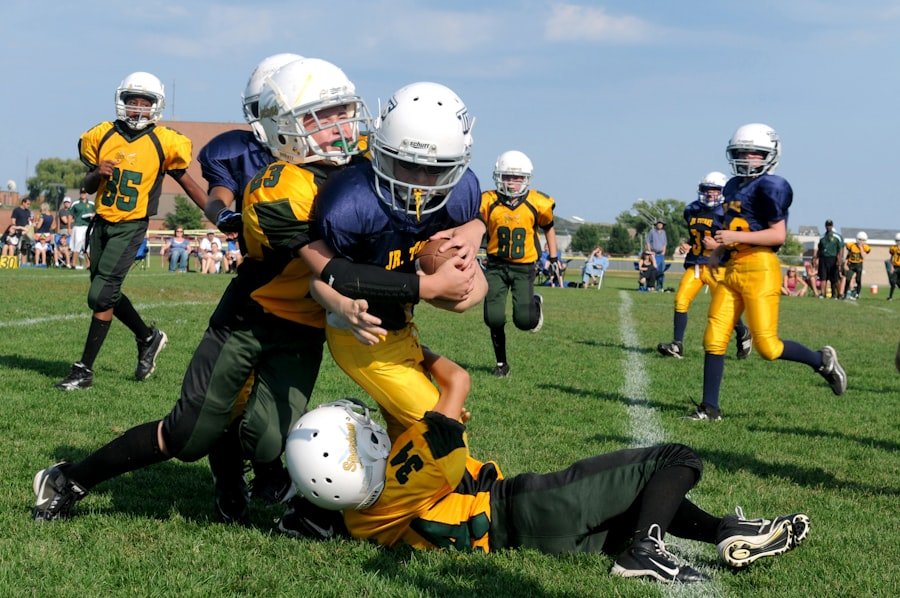
In addition to workplace accidents and vehicular collisions, we must also consider other potential causes of degloving injuries. Sports-related incidents, particularly in contact sports like football or rugby, can result in traumatic skin separation. Furthermore, animal attacks can lead to severe degloving injuries, especially when bites or scratches penetrate deeply enough to detach skin from underlying tissues.
Prevention through Awareness
Even seemingly innocuous activities, such as slipping and falling or getting caught on sharp objects, can result in these traumatic injuries. By recognizing the various scenarios that can lead to degloving injuries, we can better prepare ourselves to prevent them.
Types of Degloving Injuries
Degloving injuries can be classified into several types based on their severity and the extent of tissue damage involved. One common classification is based on whether the injury is complete or partial. Complete degloving injuries involve the total separation of skin from underlying tissues, while partial degloving injuries may only involve a portion of the skin being lifted away.
Each type presents its own set of challenges in terms of treatment and recovery. Another way to categorize degloving injuries is by their location on the body. For example, we may encounter upper extremity degloving injuries that affect the hands or arms, as well as lower extremity injuries that impact the legs or feet.
Facial degloving injuries are particularly concerning due to their potential impact on both function and appearance. Understanding these classifications helps medical professionals tailor their approach to treatment and rehabilitation based on the specific type and location of the injury.
Symptoms of Degloving Injuries
The symptoms associated with degloving injuries can vary significantly depending on the severity and location of the injury. One of the most immediate signs is intense pain at the site of injury, often accompanied by swelling and bruising. The affected area may also exhibit visible signs of trauma, such as lacerations or abrasions.
In cases of complete degloving, we may observe that the skin appears to be hanging loosely or completely detached from the underlying tissues. In addition to physical symptoms, we must also consider potential complications that can arise from degloving injuries. For instance, there is a risk of infection due to exposure of underlying tissues to external contaminants.
This risk is particularly pronounced in cases where dirt or debris has entered the wound. Furthermore, we may notice changes in sensation in the affected area, as nerve endings may be damaged during the injury. Recognizing these symptoms early on is crucial for ensuring prompt medical attention and appropriate treatment.
Diagnosis of Degloving Injuries
Diagnosing a degloving injury typically involves a thorough physical examination by a medical professional. During this examination, we will assess the extent of tissue damage and determine whether any underlying structures have been affected. Imaging studies such as X-rays or MRIs may be utilized to evaluate bone integrity and assess for any additional injuries that may not be immediately visible.
In some cases, we may also need to perform additional tests to evaluate blood flow to the affected area. This is particularly important in cases where there is concern about vascular compromise due to the injury. By gathering comprehensive information about the injury through diagnostic methods, we can develop an effective treatment plan tailored to the individual’s needs.
Treatment Options for Degloving Injuries
The treatment options for degloving injuries are diverse and depend largely on the severity and extent of tissue damage. In many cases, surgical intervention is necessary to repair the injured area effectively. This may involve reattaching the skin to its underlying structures or performing skin grafts if significant tissue loss has occurred.
The choice of surgical technique will depend on factors such as the location of the injury and the overall health of the patient. In addition to surgical options, we must also consider supportive care measures that play a vital role in recovery. Pain management is often a priority during treatment, as degloving injuries can be excruciatingly painful.
We may also need to implement wound care protocols to prevent infection and promote healing. This could involve regular cleaning and dressing changes to keep the wound free from contaminants while allowing it to heal properly.
Complications of Degloving Injuries
Complications arising from degloving injuries can significantly impact recovery and long-term outcomes. One of the most concerning complications is infection, which can occur when bacteria enter exposed tissues. Infections can lead to further tissue damage and may necessitate additional surgical interventions to address complications that arise from untreated infections.
Another potential complication is scarring and loss of function in the affected area. Depending on the severity of the injury and subsequent treatment, we may experience varying degrees of scarring that can affect mobility or appearance. In some cases, physical therapy may be required to regain full function after healing has occurred.
By being aware of these complications, we can take proactive steps to mitigate risks during treatment and recovery.
Recovery and Rehabilitation for Degloving Injuries
Recovery from a degloving injury is often a lengthy process that requires patience and dedication. After initial treatment, we will typically enter a rehabilitation phase aimed at restoring function and mobility to the affected area. This phase may involve physical therapy sessions designed to strengthen muscles and improve range of motion.
Throughout recovery, it is essential for us to follow medical advice closely and adhere to rehabilitation protocols. Engaging in prescribed exercises and attending therapy sessions can significantly enhance our chances of achieving optimal recovery outcomes. Additionally, maintaining open communication with healthcare providers allows us to address any concerns or setbacks that may arise during our healing journey.
Prevention of Degloving Injuries
Preventing degloving injuries requires a multifaceted approach that encompasses education, safety measures, and awareness in various environments. In industrial settings, implementing strict safety protocols and providing proper training for employees can significantly reduce the risk of accidents leading to these types of injuries. Wearing appropriate protective gear such as gloves and safety equipment is crucial in minimizing exposure to potential hazards.
Simple actions like being cautious around sharp objects or ensuring proper footwear when engaging in physical activities can go a long way in reducing risk factors associated with these traumatic injuries.
Long-Term Effects of Degloving Injuries
The long-term effects of degloving injuries can vary widely depending on factors such as severity, location, and treatment received. Some individuals may experience lasting physical effects such as reduced range of motion or chronic pain in the affected area. Scarring may also be a concern for many people, impacting both function and aesthetics.
Psychological effects should not be overlooked either; individuals who have experienced severe trauma may face emotional challenges related to their injury. Support systems such as counseling or support groups can play an essential role in helping individuals cope with these long-term effects as they navigate their recovery journey.
Seeking Legal Help for Degloving Injuries
In cases where degloving injuries result from negligence or unsafe conditions, seeking legal help may be necessary for obtaining compensation for medical expenses and other damages incurred due to the injury. Consulting with an attorney who specializes in personal injury law can provide valuable guidance on navigating legal processes related to these complex cases. By understanding our rights and options following a degloving injury, we empower ourselves to seek justice and support for our recovery journey.
Legal representation can help ensure that we receive fair compensation for our suffering while holding responsible parties accountable for their actions or negligence that led to our injury. In conclusion, degloving injuries are serious traumas that require comprehensive understanding and management across various dimensions—from prevention strategies to treatment options and long-term recovery considerations. By educating ourselves about these complex injuries, we can better prepare for potential risks while advocating for our health and well-being in times of need.
If you are interested in learning more about medical dermatology, specifically acne treatment, I recommend checking out Dr. Trisha Khanna’s article on acne. Dr. Khanna is a board-certified dermatologist who provides expert advice and treatment options for various skin conditions. In addition to her expertise in dermatology, Dr. Khanna also offers information on insurance coverage for medical services. You can find more information on insurance options by visiting here.
FAQs
What is a degloving injury?
A degloving injury is a type of traumatic injury in which the skin and tissue are forcibly detached from the underlying muscle, bone, or other structures. This can result in severe damage to the affected area.
What causes degloving injuries?
Degloving injuries are often caused by high-impact accidents, such as car accidents, industrial accidents, or falls. They can also occur in situations where the skin is caught and pulled away from the underlying tissue, such as in machinery accidents.
What are the symptoms of a degloving injury?
Symptoms of a degloving injury may include severe pain, swelling, bruising, and the appearance of a large area of exposed tissue. In severe cases, there may be significant bleeding and damage to the underlying structures.
How are degloving injuries treated?
Treatment for degloving injuries typically involves surgical intervention to reattach the skin and tissue to the underlying structures. In some cases, skin grafts or other reconstructive procedures may be necessary to repair the damage.
What are the potential complications of degloving injuries?
Complications of degloving injuries can include infection, tissue necrosis, and long-term functional impairment. In severe cases, amputation of the affected limb or digit may be necessary. Rehabilitation and physical therapy may also be required to regain function and mobility in the affected area.